Azin Asro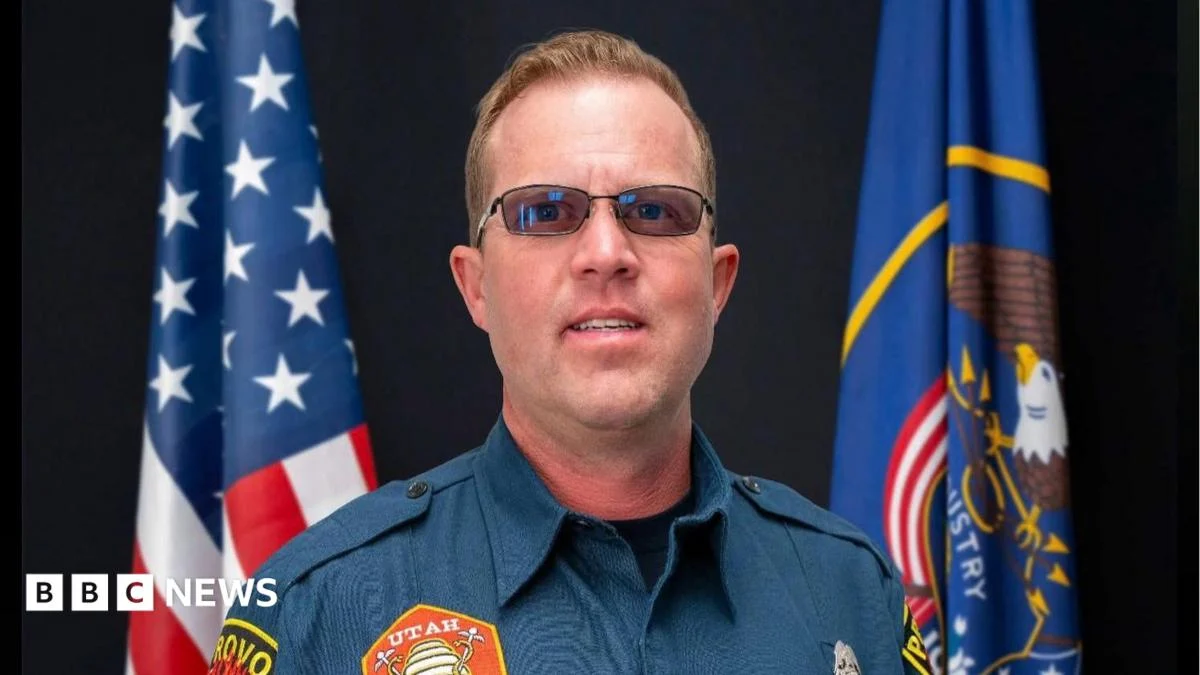
A devastating flash flood in the rugged, picturesque landscape of Southern Utah claimed the lives of five members of a prominent family last weekend, including a respected fire captain from Provo. The victims, identified as Captain Spencer Long, his wife Katrina, and their three sons—Reid, Thayne, and Gage—were on a day trip in Wayne County when they were engulfed by rapidly moving water. The catastrophic event left their daughter, who was not present during the outing, as the sole surviving member of the immediate family, her life irrevocably altered by the sudden and profound loss.
The incident unfolded in an area known for its dramatic geological formations and susceptibility to sudden deluges, even under seemingly clear skies. Law enforcement officials from the Wayne County Sheriff’s Office confirmed the fatalities, while the Provo Fire & Rescue Department publicly mourned the loss of one of their own, highlighting the deep impact on the tight-knit emergency services community. The tragedy serves as a stark reminder of the unpredictable and immense power of nature in the American West, where serene beauty can quickly turn into perilous danger.
The Fateful Outing and a Community’s Grim Discovery
The Long family had ventured to a campground near Bicknell, Utah, on a Friday, seeking enjoyment amidst the stunning natural beauty that draws countless visitors to the region annually. The specific circumstances leading up to the flood remain under investigation, but authorities believe heavy rains, possibly originating miles away, triggered the deadly torrent. These types of localized, intense thunderstorms are a hallmark of the late summer monsoon season in the desert southwest, turning dry washes and canyons into raging rivers in mere moments.
The alarm was first raised around 5:00 PM local time on Friday, when emergency services were summoned to the campground. The initial search efforts quickly yielded a grim discovery: the body of a young male victim. As the sun set and the challenging terrain complicated operations, responders continued their painstaking work, ultimately locating two more male victims. The search was suspended overnight due to the treacherous conditions and resumed with renewed urgency at daybreak on Saturday. By the end of Saturday, the remaining two individuals were tragically found, confirming the complete loss of Spencer, Katrina, and their three sons.
The sheer scale of the tragedy sent shockwaves through the communities of Provo, where Captain Long served, and Bicknell, a small town accustomed to the ebb and flow of tourism but rarely such profound heartbreak. The news spread rapidly, eliciting an outpouring of grief and support. A GoFundMe page, quickly established by friends and family, not only helped confirm the identities of the victims but also became a focal point for the community’s collective sorrow and desire to assist the surviving daughter in her unimaginably difficult journey ahead.
A Legacy of Service and a Family Remembered
Captain Spencer Long was more than just a firefighter; he was a dedicated public servant, a respected leader, and a cherished colleague within the Provo Fire & Rescue Department. His commitment to protecting lives and property extended beyond his professional duties, embodying the spirit of selflessness and courage that defines the fire service. His sudden death, alongside his beloved family, has left an irreplaceable void in the department and in the hearts of those who knew and worked with him.
The Provo Fire & Rescue Department released a statement expressing their profound sorrow, calling Captain Long a valuable member of their team. Such a loss within an emergency service unit is particularly devastating, as these organizations often function as extended families, sharing high-stakes experiences and forging deep bonds. The emotional toll on Captain Long’s colleagues, who not only mourn a friend but also understand the inherent risks of their profession, is immense. They face the difficult task of processing their grief while continuing to serve their community.
Katrina Long was remembered as a loving wife and mother, dedicated to her family. Their three sons—Reid, Thayne, and Gage—represented the future, their lives tragically cut short. While specific details about their individual passions and personalities have not been widely publicized, the collective memory painted by community members and initial fundraising efforts highlights a vibrant family unit deeply connected to each other and to their surroundings. The surviving daughter now faces a future without her parents and brothers, a burden no individual should ever have to bear. The outpouring of financial and emotional support from across the state and beyond underscores the profound impact the Long family had on many lives.
Understanding Flash Floods in Utah: A Dangerous Reality
The tragic incident near Bicknell highlights the ever-present danger of flash floods in Utah, particularly in the state’s southern and eastern desert regions. Flash floods are characterized by their rapid onset, typically occurring within six hours of heavy rainfall, and often much faster. They are incredibly powerful, capable of moving large boulders, uprooting trees, and sweeping away vehicles and structures with astonishing force.
Geological Susceptibility: Southern Utah’s unique geology makes it exceptionally vulnerable to these events. The landscape is dominated by vast expanses of slickrock, sandstone canyons, and desert washes (known locally as "arroyos" or "washes") that are typically dry for most of the year. When intense rainfall occurs, this impermeable rock and parched soil cannot absorb water quickly enough. Instead, water rapidly accumulates and funnels into the narrow canyons and washes, transforming them into raging torrents. The gradient of the land also plays a crucial role, accelerating the water’s flow to incredible speeds.
Meteorological Triggers: The primary trigger for flash floods in this region is the North American Monsoon, a seasonal weather pattern that brings increased moisture and thunderstorms to the Southwest from roughly mid-June through September. These storms can be highly localized, dumping significant amounts of rain in a short period over a small area. Crucially, a storm that causes a flash flood might be miles upstream, meaning the sky directly overhead can be clear and sunny while a deadly wall of water approaches rapidly downstream. This "clear sky" flash flood scenario is particularly dangerous as it provides little to no immediate visual warning to those in the flood path.
Historical Context: Utah has a grim history with flash floods. Numerous incidents over the decades underscore the persistent threat. For instance, in September 2015, a flash flood near the border of Zion National Park killed seven hikers who were caught in a narrow slot canyon. That same month, a separate flash flood in Hildale, Utah, killed 13 people when two vehicles were swept away. These past tragedies serve as somber reminders of the region’s inherent dangers and the critical need for constant vigilance and respect for weather patterns. The Wayne County incident adds another heartbreaking chapter to this history, reinforcing the importance of public awareness and safety protocols.
The Perils of Outdoor Recreation in Arid Landscapes
Utah’s breathtaking wilderness, with its iconic national parks and vast public lands, is a magnet for outdoor enthusiasts worldwide. Hiking, canyoneering, camping, and exploring slot canyons are popular activities that draw millions, contributing significantly to the state’s economy and cultural identity. However, the very features that make these landscapes so appealing – the dramatic canyons, the remote washes – are also what make them inherently dangerous during periods of heavy rainfall.
The Allure and the Risk: The appeal lies in the untouched beauty, the challenge, and the sense of adventure. Yet, this allure often comes with significant, sometimes unseen, risks. The unpredictable nature of flash floods is perhaps the most formidable challenge. Even experienced outdoors enthusiasts can be caught off guard. Modern weather forecasting has improved dramatically, but pinpointing the exact location and intensity of monsoonal thunderstorms hours in advance, especially in remote areas with varied topography, remains a complex task.
Crucial Safety Measures: For those venturing into flash-flood-prone areas, a set of critical safety measures is universally advised. These include:
- Checking the Weather Forecast: Not just for the immediate location, but also for upstream areas. Any mention of a chance of thunderstorms, even scattered, should be a red flag.
- Understanding the Terrain: Knowing if one is in a wash, a narrow canyon, or near a riverbed susceptible to rapid rises.
- Having an Escape Route: Identifying higher ground or exit points, especially in slot canyons where egress can be severely limited.
- Group Communication: Ensuring all members of a party are aware of the risks and have a plan.
- Heeding Warnings: Paying attention to signage, park ranger advisories, and local news.
The cultural fabric of Utah, deeply intertwined with outdoor recreation, means that tragedies like the Long family’s loss resonate deeply. It forces a renewed conversation about balancing the enjoyment of nature’s wonders with a profound respect for its dangers, reinforcing the message that vigilance and preparedness are not merely suggestions, but necessities.
The Broader Impact: Emergency Services and Community Resilience
The immediate aftermath of a tragedy of this magnitude extends far beyond the grieving family. The emergency services personnel involved in the search and recovery operations, particularly those from the Wayne County Sheriff’s Office and the search and rescue teams, bear a heavy emotional burden. Recovering victims, especially children, in challenging and dangerous conditions, can lead to significant psychological trauma for first responders. These individuals often rely on strong peer support networks and critical incident stress debriefings to process such harrowing experiences.
The community response, however, also showcases remarkable resilience and solidarity. In Provo, the fire department and city officials rallied to support Captain Long’s surviving daughter and to honor his memory. In smaller communities like Bicknell, where everyone knows everyone, the impact is more intimate, leading to immediate acts of kindness, shared grief, and collective remembrance. These tragic events often serve to strengthen community bonds, even as they highlight vulnerabilities.
Such incidents also prompt broader discussions about public safety and awareness. Local and state agencies may review existing protocols, enhance warning systems, or launch new educational campaigns aimed at both residents and tourists. While preventing all accidents is impossible, continuous efforts to educate the public about the specific dangers of the Utah landscape, particularly during monsoon season, are vital. This includes promoting the use of official weather sources, understanding hydrological risks, and making informed decisions before embarking on outdoor adventures.
Moving Forward: Remembrance and Vigilance
The loss of Captain Spencer Long, his wife Katrina, and their three sons—Reid, Thayne, and Gage—is a profound tragedy that has left an indelible mark on their family, friends, and the broader Utah community. Their story serves as a poignant reminder of the inherent risks associated with enjoying the wild, untamed beauty of nature. While the grief will undoubtedly be long-lasting, their memory will also serve as a powerful catalyst for continued vigilance and respect for the natural world.
As communities heal and reflect, the focus will remain on supporting the surviving daughter and honoring the lives of those lost. The incident underscores the critical importance of preparedness, accurate information, and the unwavering commitment of emergency services personnel who stand ready to respond to such devastating events. The Long family’s legacy will endure not only through the love and memories shared but also through the heightened awareness and safety practices that this heartbreaking event will inspire, ensuring that their story helps protect others in the future.





 Amir Mahmud