Amir Mahmud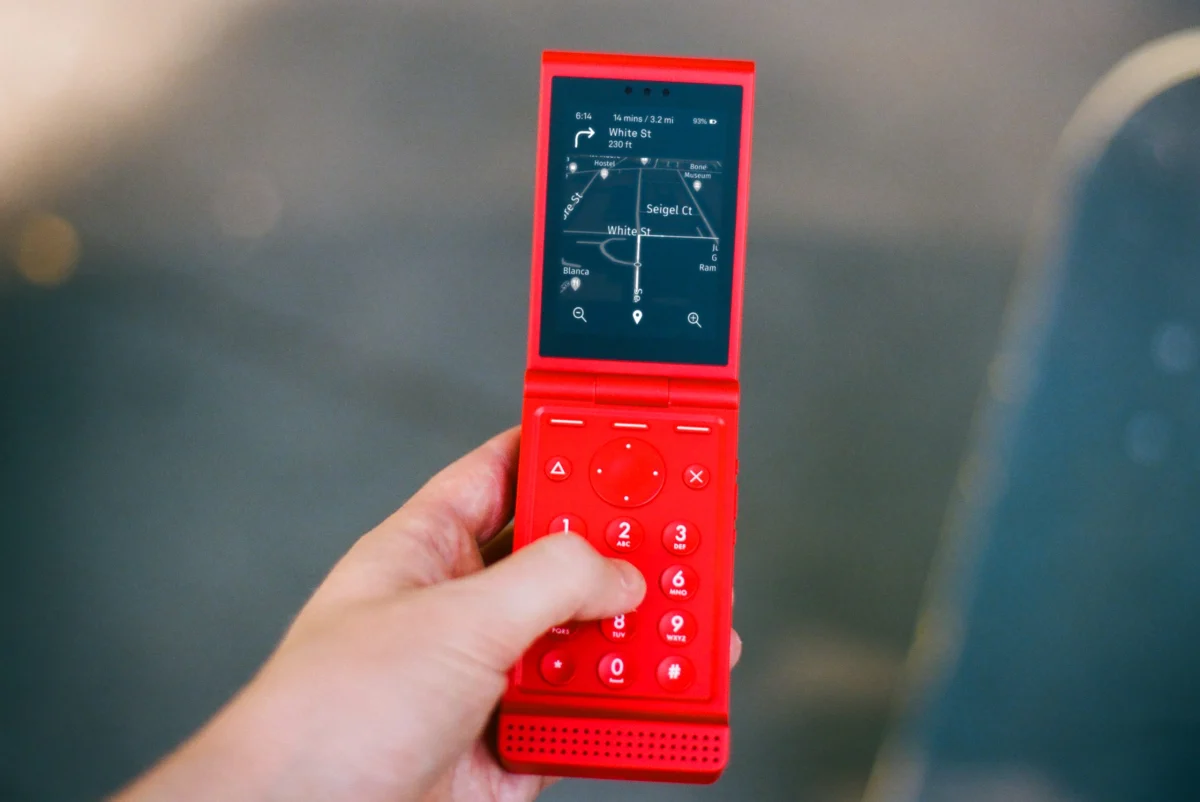
In a significant move poised to redefine digital minimalism, Light, the technology startup renowned for its "less is more" approach to mobile communication, has unveiled its latest device: the Light Flip. This new offering, a compact and colorful flip phone, arrives at a moment when consumers, particularly younger generations, are increasingly seeking alternatives to the pervasive and often overwhelming nature of modern smartphones. The Light Flip represents a strategic pivot for the company, integrating its custom, distraction-free software into a tactile form factor, responding directly to a growing desire for simpler, more intentional digital experiences.
The Genesis of a Minimalist Revival
Light’s journey began approximately a decade ago with a clear mission: to create a phone that encourages users to live more fully in the present, free from the constant pull of notifications and endless scrolling. Its co-founder, Kaiwei Tang, is no stranger to shaping mobile trends, having played a pivotal role in the development of the iconic Motorola Razr V3 over two decades prior. This historical connection lends a unique authenticity to Light’s latest endeavor, as Tang now finds himself returning to the very design paradigm he once helped popularize.
For years, Light has cultivated a niche market with its minimalist Light Phone, a device intentionally stripped of common smartphone features like social media apps, web browsers, and email. The company’s philosophy hinges on providing essential communication tools—calling, texting, and a handful of utility apps—while meticulously eliminating potential sources of digital distraction. This ethos has resonated with a segment of the population grappling with digital fatigue and a pervasive sense of being perpetually "online."
The decision to develop a flip phone, however, was not an initial part of Light’s long-term roadmap. Instead, it emerged organically from observing user behavior and feedback. Through extensive interviews, Tang and co-founder Joe Hollier discovered a surprising trend: a segment of Gen Z users, despite being digital natives, were actively embracing flip phones. These users expressed a clear affection for the form factor, appreciating its simplicity and the inherent barrier it created against excessive digital engagement. Yet, they often lamented the poor build quality and limited functionality of existing flip phone models. This dichotomy—a strong preference for the concept coupled with dissatisfaction over execution—presented a compelling opportunity for Light.
A Deliberate Design Philosophy
The Light Flip is a direct response to these observations, designed to marry the nostalgic appeal and physical interaction of a flip phone with the refined, intentional software experience Light has developed. Joe Hollier emphasized that the Light Flip offers "the same Light Phone experience, the same Light Phone OS with our SDK developer program, all of the tools we already have today: alarm, calculator, calendar…" The core distinction lies in the interface: one is a fully tactile device, devoid of a touchscreen, while Light’s previous iterations offered a complete touchscreen experience. This tactile approach is a cornerstone of the minimalist movement, providing a physical "break" from the digital world that many seek.
Beyond its foundational operating system, the Light Flip features a 2.8-inch OLED screen on the inside, which remains hidden when the device is closed, aligning with the user-requested absence of an external display. This design choice further reinforces the device’s commitment to minimizing distractions, ensuring that notifications do not flash constantly to draw attention. A subtle indicator light on the phone’s exterior provides a discreet way to signal incoming communications without requiring the device to be opened.
Connectivity-wise, the Light Flip supports both 5G and 4G LTE, ensuring reliable network access for calls and texts, as well as for its curated selection of media functions. Users can download podcasts and upload music to the device, accessing audio content through a traditional 3.5mm headphone jack or via Bluetooth headphones. Charging is handled by a modern USB-C port, and the phone accommodates both eSIM and physical Nano SIM cards, offering flexibility for various carriers and travel scenarios. Notably, it includes a 12-megapixel camera on the back, a feature that, while standard on smartphones, is integrated here to capture moments without the temptation of endless photo editing or immediate social media sharing.
The construction of the Light Flip also reflects a deliberate choice: it is made of plastic, a departure from the sturdier aluminum used in previous Light Phone models. This decision was primarily driven by the goal of affordability, but it also opened the door to a vibrant palette of colors, including black, red, yellow, pink, navy blue, and light grey. This injection of color adds a playful, personal dimension to the device, allowing users to express themselves in a way that often contrasts with the uniform aesthetics of mainstream smartphones. As Hollier noted, "Just having a yellow phone gets me so jazzed," highlighting the emotional connection users can form with a device that feels less like a sterile tool and more like a personal accessory.
Navigating the Market: Price, Accessibility, and Community
One of the persistent challenges for Light as a small hardware startup has been pricing its "less" feature-rich phones competitively. Traditional consumer psychology often dictates that fewer features should equate to a lower price. Light’s previous flagship, the unlocked Light Phone III, retailed at $799, a price point that could be a significant hurdle for those considering a digital detox device. The Light Flip addresses this directly, arriving as Light’s most affordable offering at $299. This substantial price reduction is achieved by omitting components like a touchscreen, NFC reader, and a front-facing selfie camera, alongside the shift to a plastic chassis.
Beyond the initial sticker price, Light is also exploring innovative financing options to make its devices more accessible. The company recently piloted phone contracts with Noble Mobile, a carrier associated with Andrew Yang, which promotes mindful mobile usage and even offers incentives for reduced screen time. Building on this, Light is now introducing its own service plan, enabling customers to acquire the Light Flip for $39 per month on a two-year contract, while the Light Phone III will be available for $59 per month over the same period. These contract options aim to lower the entry barrier, making the minimalist lifestyle more attainable for a broader audience.
A significant aspect of Light’s strategy is not just selling a device, but fostering a supportive ecosystem around it. The Light Flip is slated for shipment in April 2027, a considerably long lead time for pre-order customers. To maintain engagement and mitigate cancellations, Light is launching the "Flip Your Life" program. This initiative will deliver bi-weekly newsletters designed to help pre-order customers mentally and practically prepare for the lifestyle adjustment involved in transitioning away from a smartphone. This community-building approach recognizes that adopting a minimalist phone is often more than just a device switch; it’s a conscious lifestyle choice that benefits from shared experiences and guidance. Light understands that the convenience of instant internet access, mobile payments, music streaming, and ubiquitous communication apps like WhatsApp and iMessage can be hard to sacrifice, and a supportive community can make this transition less daunting.
The Resurgence of "Dumb Phones"
The Light Flip’s introduction is not an isolated event but rather indicative of a broader cultural phenomenon: the "dumb phone" renaissance. While smartphones have dominated the mobile landscape for over a decade, offering unparalleled connectivity and functionality, a counter-movement has steadily gained traction. This movement is fueled by increasing awareness of the negative impacts of excessive screen time, social media addiction, and the constant digital demands on mental well-being.
Initially dismissed as niche or retro, the appeal of basic phones, or "feature phones," has widened beyond nostalgia-driven consumers. Gen Z, a demographic often perceived as hyper-connected, is surprisingly at the forefront of this trend. For many young people, a flip phone or a minimalist device like the Light Phone offers a deliberate escape from the pressures of digital performance, comparison, and the "always-on" culture. It allows them to curate their digital interactions, fostering greater presence in their real-world lives. Parents, too, are increasingly looking at these devices as a way to provide their children with essential communication tools without exposing them to the full spectrum of internet-based risks and distractions.
This shift represents a growing societal skepticism towards the unchecked growth of "big tech" and the attention economy it thrives upon. Consumers are not necessarily rejecting technology outright, but rather seeking a more balanced, intentional relationship with it. They are asking critical questions about what truly adds value to their lives versus what merely consumes their time and attention.
Beyond the Device: A Movement for Mindful Living
Light’s founders view their work as part of a larger, optimistic movement. As Joe Hollier articulates, "I think something that’s so inspiring about this movement is it’s not coming from a place of just anger and hatred… It’s a movement of optimism, as well as skepticism." This perspective underscores Light’s commitment to offering a positive alternative rather than simply railing against the status quo. The goal is to demonstrate that "the other side of life can be really simple and beautiful," suggesting that true technological advancement might sometimes involve stepping back from pervasive complexity.
The Light Flip, with its vibrant colors, tactile interface, and streamlined functionality, is more than just a new phone; it’s a tangible symbol of this evolving relationship with technology. It challenges the conventional wisdom that more features always equate to a better user experience. Instead, it posits that freedom, focus, and genuine human connection can be enhanced by intentionally choosing less. As the world continues to grapple with the complexities of digital integration, devices like the Light Flip offer a compelling vision for a more mindful and balanced future, inviting users to "flip their lives" towards greater intentionality and presence.
Looking Ahead: Challenges and Opportunities
While the "dumb phone" trend is gaining momentum, Light still faces significant challenges. Educating consumers about the value proposition of a "less-featured" phone at a premium (compared to ultra-cheap basic phones) requires persistent marketing and clear communication of its benefits. The long lead time for the Light Flip’s delivery also presents a test of customer loyalty and the effectiveness of their "Flip Your Life" engagement program.
However, the opportunities are equally substantial. The growing discourse around digital well-being, mental health, and the impact of technology on society creates a fertile ground for Light’s philosophy. As more individuals seek ways to reclaim their attention and reduce digital dependency, devices that facilitate this goal will find an eager audience. The Light Flip, with its blend of nostalgic form, modern functionality, and a clear purpose, is positioned to capture a significant share of this emerging market, proving that sometimes, the most innovative path forward is a thoughtful step back.