Azin Asro
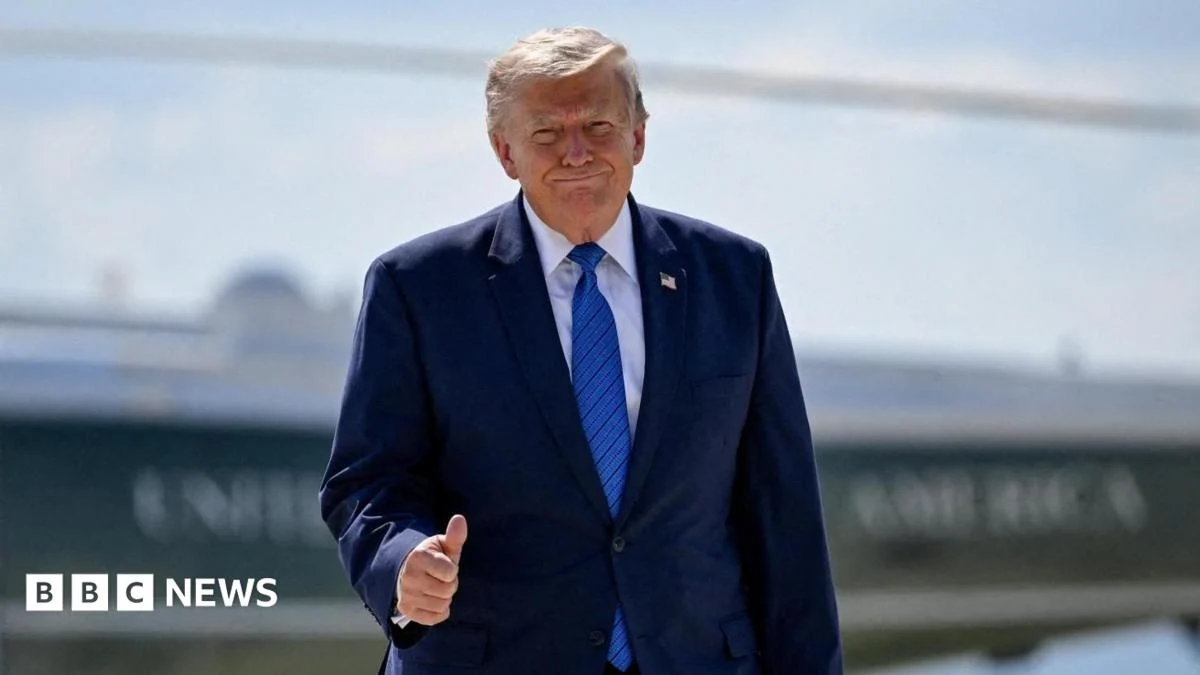
In a moment of significant international diplomacy, United States President Donald Trump affixed his signature to a new agreement designed to extend the existing ceasefire with Iran. The formal signing took place within the historic halls of the Palace of Versailles, located just outside Paris, France, during a dinner following the Group of Seven (G7) summit. This 14-point accord, officially designated as a Memorandum of Understanding (MOU), was a key outcome of intense discussions, with French President Emmanuel Macron and First Lady Brigitte Macron in attendance, underscoring France’s pivotal role in facilitating the delicate negotiations. The event marks a critical juncture in the often-turbulent relationship between Washington and Tehran, raising both hopes for de-escalation and questions about the long-term viability of such a fragile truce.
A Legacy of Volatility: US-Iran Relations
The relationship between the United States and Iran has been characterized by decades of deep mistrust and intermittent periods of overt hostility, rooted in historical events that continue to shape contemporary dynamics. The roots of this complex entanglement can be traced back to the 1953 Anglo-American orchestrated coup that restored Shah Mohammad Reza Pahlavi to power, fostering deep-seated resentment among many Iranians toward Western intervention. This sentiment culminated in the 1979 Islamic Revolution, which saw the overthrow of the Shah and the establishment of the Islamic Republic, fundamentally altering Iran’s geopolitical alignment. The subsequent hostage crisis at the U.S. embassy in Tehran solidified the adversarial nature of the relationship, initiating a prolonged era of estrangement.
Throughout the late 20th and early 21st centuries, points of contention multiplied, including Iran’s nuclear ambitions, its support for various non-state actors in the Middle East, and its development of ballistic missile technology. The international community, led by the United States, imposed stringent economic sanctions aimed at curbing Iran’s nuclear program and its regional influence. A brief thaw occurred with the 2015 Joint Comprehensive Plan of Action (JCPOA), an agreement between Iran and several world powers, including the U.S., designed to restrict Iran’s nuclear activities in exchange for sanctions relief. However, the Trump administration’s unilateral withdrawal from the JCPOA in 2018 marked a sharp return to a policy of "maximum pressure," leading to a significant escalation of tensions that brought the two nations to the brink of direct conflict on multiple occasions. This recent ceasefire, therefore, emerged from a backdrop of heightened military posturing, maritime incidents, and proxy confrontations across the region.
The Road to Versailles: Escalation and De-escalation Efforts
The path to the Versailles agreement was paved with a series of high-stakes incidents and intense diplomatic maneuvers. Following the U.S. withdrawal from the JCPOA, Washington reimposed and expanded sanctions, severely impacting Iran’s economy, particularly its vital oil exports. In response, Iran gradually reduced its commitments under the nuclear deal and demonstrated its military capabilities through actions like the downing of a U.S. drone and attacks on oil facilities in Saudi Arabia, which the U.S. attributed to Tehran. The assassination of a prominent Iranian general by the U.S. in early 2020 escalated tensions dramatically, prompting Iranian retaliatory missile strikes on U.S. forces in Iraq.
Amidst this dangerous tit-for-tat, European leaders, particularly French President Emmanuel Macron, intensified efforts to de-escalate the situation. Recognizing the potential for a catastrophic regional conflict, France positioned itself as a key mediator, seeking to bridge the chasm between Washington and Tehran. The G7 summit, bringing together leaders of the world’s major industrialized nations, provided a crucial platform for these discussions. Diplomatic sources indicated that extensive bilateral meetings occurred on the sidelines of the summit, with Macron reportedly engaging in shuttle diplomacy between U.S. and Iranian envoys, as well as directly with President Trump. These quiet, persistent efforts ultimately culminated in the framework for the current ceasefire extension, signaling a willingness, however cautious, from both sides to explore diplomatic off-ramps. The choice of Versailles, a symbol of French grandeur and historical treaties, imbued the signing with a sense of gravitas and diplomatic triumph for the host nation.
Anatomy of the Memorandum of Understanding
The newly signed Memorandum of Understanding is reported to be a 14-point agreement focusing on the extension of a ceasefire. While specific details of each point have not been fully disclosed, general commentary suggests the MOU likely addresses several critical areas aimed at reducing immediate hostilities and fostering a more stable environment. These could include commitments to refrain from aggressive military actions, a de-escalation of rhetoric, channels for communication to prevent miscalculation, and potentially initial steps towards humanitarian aid or prisoner exchanges.
Analysts suggest the agreement primarily targets the more overt manifestations of conflict, such as direct military engagements and attacks on shipping or infrastructure. It is unlikely to represent a comprehensive resolution to the deeper, systemic issues plaguing U.S.-Iran relations, such as Iran’s nuclear program, its regional proxy activities, or the U.S. sanctions regime. Instead, it appears to be a pragmatic, incremental step designed to cool immediate tensions and create a breathing space for further, more substantive negotiations. The success of this MOU will heavily depend on the verification mechanisms established and the political will of both Washington and Tehran to adhere to its principles, particularly in the face of domestic pressures and regional provocations.
Geopolitical Implications and Regional Reactions
The signing of this ceasefire extension carries significant geopolitical weight, impacting not only the immediate adversaries but also the broader Middle East and international relations. For the United States, the agreement offers a potential avenue to reduce military commitments and focus on other foreign policy priorities, while still maintaining leverage through sanctions. It also highlights a strategic shift from pure "maximum pressure" to a more nuanced approach that incorporates elements of de-escalation, possibly influenced by the upcoming U.S. election cycle.
For Iran, the ceasefire provides a respite from escalating military threats and potentially opens doors for limited economic relief, even if sanctions remain largely in place. It allows Tehran to consolidate its position internally and reassess its regional strategy. The symbolic act of signing an agreement with the U.S., even a limited one, could be leveraged domestically by the Iranian government to demonstrate its diplomatic capabilities.
Regional reactions are expected to be mixed. Allies of the United States, such as Saudi Arabia and Israel, who view Iran as a primary threat to their security, may express skepticism or concern that the agreement does not sufficiently address Iran’s long-term behavior. They might fear that a de-escalation could embolden Iran or undermine efforts to contain its influence. Conversely, nations weary of regional instability and the economic fallout of conflict, such as Iraq or other Gulf states, may cautiously welcome any move towards stability, hoping it paves the way for broader dialogue and reduced proxy warfare. International powers, particularly European nations, will likely view the agreement as a validation of their diplomatic efforts and a necessary step to avert a larger war, urging both sides to build upon this foundation.
Economic and Social Repercussions
The immediate economic impact of the ceasefire extension is likely to be felt most acutely in global energy markets. A reduction in tensions in the Persian Gulf, particularly concerning the Strait of Hormuz, a critical choke point for international oil shipments, tends to lower perceived supply risks. This could lead to a stabilization or even a slight decrease in crude oil prices, offering a measure of relief to global consumers and economies reliant on stable energy supplies. However, given the deep-seated nature of U.S.-Iran economic sanctions, a dramatic surge in Iranian oil exports or a significant return of foreign investment is unlikely without a more comprehensive agreement.
Socially, the ceasefire could bring a palpable, if cautious, sense of relief to populations in both the U.S. and Iran, as well as across the wider Middle East. For Americans, it might alleviate fears of military entanglement in another protracted conflict. For Iranians, who have borne the brunt of economic hardship and the psychological toll of constant threat, even a temporary pause in escalation could foster a glimmer of hope for improved living conditions and greater stability. However, public sentiment in Iran remains complex, with significant portions of the population frustrated by economic challenges and the perceived inflexibility of their government, while others remain deeply nationalistic and wary of Western overtures. The agreement’s impact on human rights and internal political dynamics within Iran will also be closely watched by international observers.
The Path Forward: Challenges and Opportunities
While the Versailles agreement represents a tentative step toward de-escalation, the path forward is fraught with challenges. The primary hurdle will be maintaining adherence to the 14 points, particularly when regional proxies or external events threaten to derail the delicate balance. The absence of a formal diplomatic framework beyond the MOU means that future interactions will likely remain informal and contingent on the political will of current leaders. A significant change in political leadership in either Washington or Tehran could easily undo the progress made.
However, opportunities also exist. The very act of signing an agreement, however limited, creates a precedent for future dialogue. It suggests that despite profound differences, both sides recognize the perils of unbridled escalation. The involvement of European mediators, especially France, could grow, potentially leading to a broader multilateral approach to address more contentious issues like nuclear proliferation, regional security, and economic engagement. This ceasefire could serve as a confidence-building measure, slowly paving the way for more substantial negotiations that tackle the core disagreements that have defined U.S.-Iran relations for decades. The challenge now lies in translating this momentary truce into a sustained process of diplomatic engagement, transforming a fragile ceasefire into a lasting peace.



 Amir Mahmud