Amir Mahmud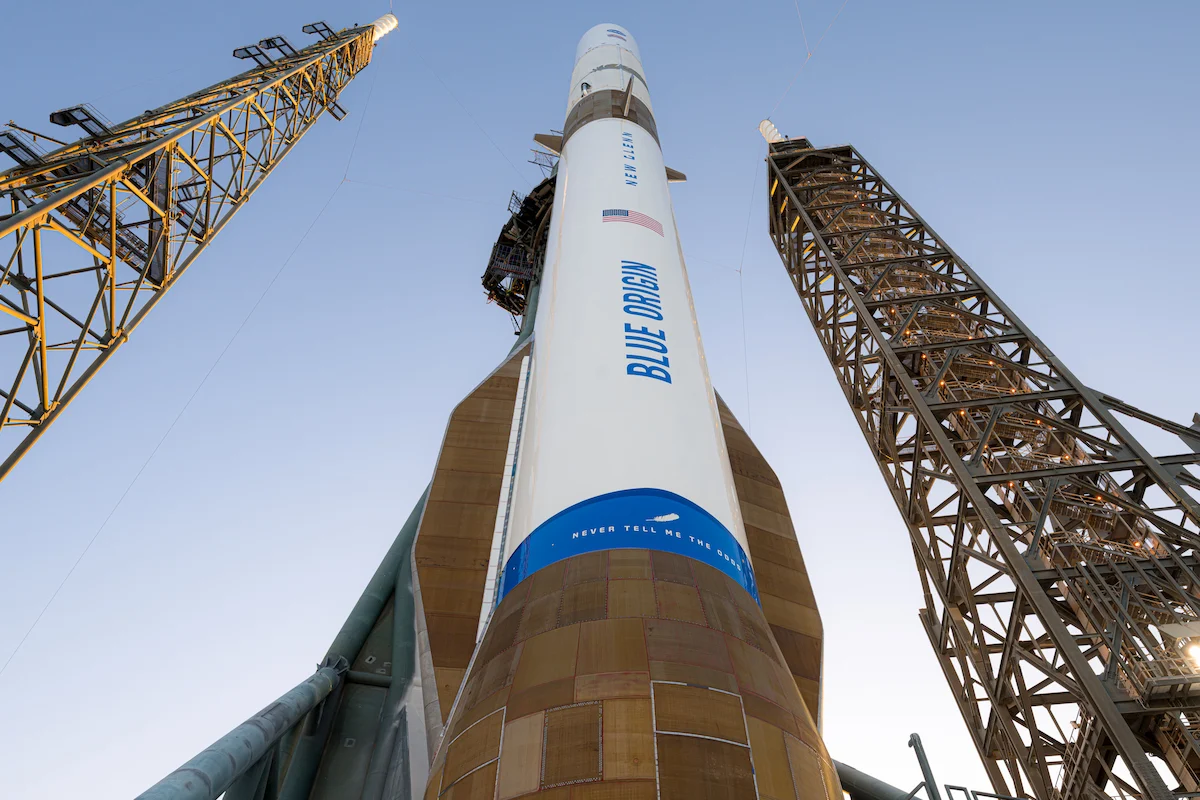
Blue Origin, the aerospace company founded by Amazon’s Jeff Bezos, has received clearance from the Federal Aviation Administration (FAA) to resume flights of its New Glenn heavy-lift orbital rocket. This critical approval follows a thorough investigation into an "off-nominal thermal condition" that occurred during the rocket’s third test flight in April, resulting in the loss of a commercial satellite payload. The green light from the FAA marks a pivotal moment for Blue Origin, allowing it to move forward with its ambitious launch schedule and solidify its position in the fiercely competitive commercial space industry.
The April Incident and Its Resolution
The mishap in question transpired during an orbital test flight in April, when the New Glenn rocket’s upper stage experienced an unexpected anomaly. While Blue Origin did not release extensive technical specifics, the company publicly stated that an "off-nominal thermal condition" led to one of the three engines on the upper stage producing lower-than-expected thrust. This deviation from nominal performance ultimately prevented the successful deployment of the AST SpaceMobile satellite, which was unfortunately lost upon re-entry into Earth’s atmosphere. AST SpaceMobile, a company developing a space-based cellular broadband network, confirmed that its lost satellite was covered by insurance, mitigating the financial impact of the incident for them.
Following the anomaly, Blue Origin promptly initiated an internal investigation, a standard procedure for any launch failure or significant operational deviation in commercial spaceflight. The findings and proposed corrective actions were then submitted to the FAA, the primary regulatory body overseeing commercial space launches in the United States. The FAA’s review process is meticulous, designed to ensure that all identified issues are adequately addressed and that future flights can proceed safely. Blue Origin confirmed that it implemented "corrective measures" based on its findings, which were evidently deemed sufficient by the FAA to grant the clearance for future launches. While the exact nature of these measures remains undisclosed, they typically involve hardware modifications, software updates, operational procedure changes, or enhanced quality control protocols.
Introducing New Glenn: A Heavy-Lift Contender
New Glenn represents Blue Origin’s entry into the heavy-lift orbital launch market, a segment crucial for deploying large satellite constellations, scientific payloads, and potentially future human missions beyond low Earth orbit. Named after John Glenn, the first American to orbit Earth, the rocket is a formidable two-stage vehicle standing an impressive 322 feet (98 meters) tall, making it one of the largest rockets ever developed. Its first stage is powered by seven BE-4 engines, developed in-house by Blue Origin, which burn liquefied natural gas (LNG) and liquid oxygen (LOX). The second stage utilizes a single vacuum-optimized BE-3U engine, also developed by Blue Origin, running on liquid hydrogen (LH2) and LOX.
A cornerstone of New Glenn’s design and Blue Origin’s long-term vision is reusability. The first stage of the New Glenn rocket is designed to be fully reusable, capable of vertical landings on a drone ship in the ocean, similar to SpaceX’s Falcon 9 boosters. The April flight, despite the upper stage anomaly, successfully demonstrated this crucial capability, marking the first time a New Glenn booster was reused and landed for a second time. This reusability is a key differentiator, promising to significantly reduce launch costs and increase flight cadence, thereby making space access more affordable and frequent. Blue Origin aims for the first stage to fly up to 25 times, a benchmark that would revolutionize the economics of heavy-lift launches.
A History of Ambition and Technical Hurdles
Blue Origin was founded by Jeff Bezos in 2000 with the long-term vision of enabling millions of people to live and work in space. For its first two decades, the company operated largely in stealth mode, focusing on developing foundational technologies. Its most visible achievement prior to New Glenn has been the New Shepard suborbital rocket, which has successfully carried tourists and scientific payloads to the edge of space and back, pioneering commercial human suborbital flight.
The development of New Glenn and its BE-4 engines has been a protracted and complex endeavor. The BE-4 engine, in particular, has faced several delays, impacting not only New Glenn’s readiness but also the United Launch Alliance’s (ULA) Vulcan Centaur rocket, which also relies on the BE-4 for its first stage. The challenges in developing powerful, reliable, and reusable rocket engines underscore the immense technical complexity inherent in advanced aerospace engineering. These delays have allowed competitors like SpaceX to further consolidate their lead in the heavy-lift and reusable rocket markets. However, Blue Origin’s persistent investment and engineering efforts are now beginning to yield results, with New Glenn poised to become a significant player.
The Commercial Space Race: Market Dynamics and Impact
The commercial space industry is experiencing an unprecedented boom, driven by the demand for satellite broadband, Earth observation, space tourism, and lunar exploration. This growth has fueled intense competition among private companies, each vying for a share of the burgeoning market. Reliable and cost-effective heavy-lift launch vehicles like New Glenn are vital for deploying the massive satellite constellations planned by companies such as Amazon’s Project Kuiper, OneWeb, and AST SpaceMobile itself. These constellations promise to deliver global internet access, impacting everything from remote education and healthcare to global commerce and defense.
The market for heavy-lift rockets is dominated by a few key players. SpaceX, with its Falcon 9 and Falcon Heavy, has set the standard for reusability and high flight cadence. ULA, a joint venture between Boeing and Lockheed Martin, offers the Atlas V and the new Vulcan Centaur. European launcher ArianeGroup operates the Ariane 5 and is developing the Ariane 6. China, Russia, and India also have their national launch capabilities. New Glenn’s entry into this market introduces another strong competitor, potentially driving innovation, reducing costs, and increasing options for customers. Its ability to offer both substantial payload capacity and a reusable first stage positions it as a direct challenger to existing heavy-lift options, particularly for large government and commercial contracts.
Regulatory Oversight: Balancing Innovation and Safety
The FAA plays a crucial role in the commercial space ecosystem, acting as both a promoter and a regulator of spaceflight. Its mission involves ensuring the safety of the public, property, and national security during commercial launch and re-entry operations, while also fostering the growth of the U.S. commercial space transportation industry. The investigation into the New Glenn anomaly and the subsequent clearance highlight the FAA’s rigorous oversight process. This regulatory framework is essential for building public trust and ensuring the long-term viability of commercial space activities.
The balance between encouraging rapid innovation and enforcing stringent safety standards is a constant challenge for the FAA. Commercial space companies are pushing the boundaries of technology and operational models, often moving at a pace faster than traditional aerospace. Incidents like the New Glenn anomaly serve as important reminders of the inherent risks in spaceflight and the necessity for robust safety protocols and thorough investigations. The FAA’s decision to clear New Glenn indicates confidence in Blue Origin’s corrective actions and its commitment to safety, a vital signal for potential customers and investors.
Looking Ahead: Blue Origin’s Trajectory
With FAA clearance secured, Blue Origin can now focus on executing its ambitious flight manifest for New Glenn. The company has publicly stated its aspiration to launch the rocket as many as 12 times by the end of 2026. This aggressive schedule reflects not only the internal confidence in the vehicle but also the significant demand for launch services. While the one-month grounding due to the investigation might have caused minor scheduling adjustments, the overall impact on these long-term ambitions appears to be minimal, especially given the typically long lead times for space missions.
The successful return to flight for New Glenn would be a major milestone for Blue Origin. It would validate years of research, development, and investment, establishing the company as a formidable player in the orbital launch market. Beyond satellite deployment, New Glenn is envisioned as a versatile platform that could eventually support lunar missions, including potentially carrying payloads for NASA’s Artemis program, and even future human spaceflight endeavors. The long-term success of New Glenn is integral to Jeff Bezos’s vision of expanding humanity’s presence in space and creating a sustainable space economy. As Blue Origin prepares for its next launches, the industry will be closely watching, eager to see New Glenn fully realize its potential and contribute to the ongoing transformation of space access.