Amir Mahmud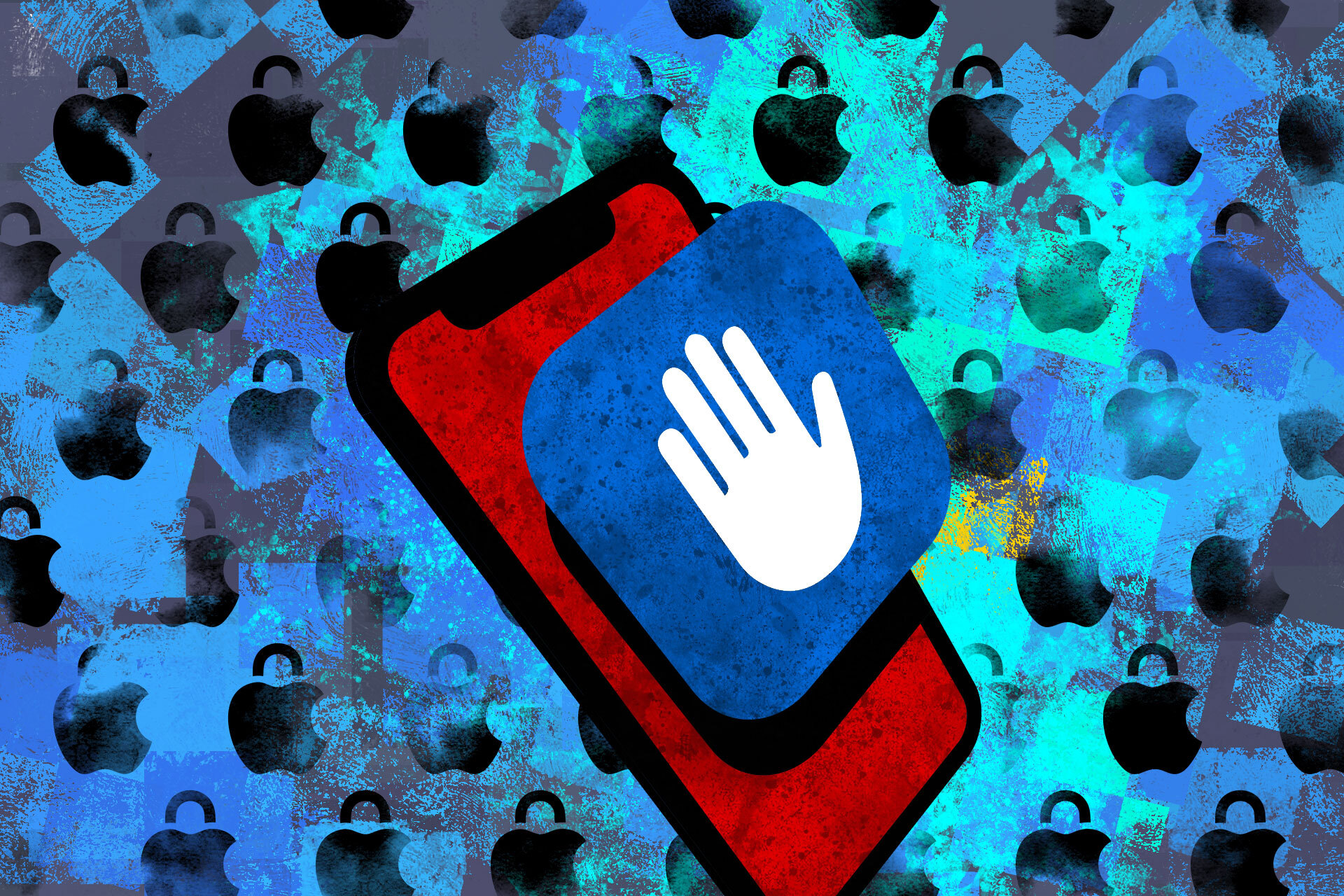
For nearly four years since its initial rollout, Apple’s pioneering security feature, Lockdown Mode, has demonstrated remarkable resilience, reportedly thwarting all known attempts by sophisticated mercenary spyware to compromise user devices. This steadfast performance was recently reaffirmed by the tech giant, signaling a significant victory in the ongoing battle against state-sponsored digital surveillance. Apple’s declaration, conveyed through a spokesperson to TechCrunch, underscores the efficacy of this specialized protection, which was specifically engineered to shield high-risk individuals from the most advanced digital threats.
The Genesis of Enhanced Digital Defenses
The introduction of Lockdown Mode in 2022, alongside iOS 16, marked a pivotal moment in Apple’s approach to user security. This proactive measure emerged against a backdrop of escalating revelations concerning the widespread abuse of mercenary spyware. Companies like Israel’s NSO Group, with its infamous Pegasus spyware, along with Intellexa and Paragon Solutions, had become central figures in numerous controversies. Their sophisticated surveillance tools, capable of "zero-click" exploits that infiltrate devices without any user interaction, were increasingly deployed by governments worldwide to target journalists, human rights activists, political dissidents, and even ordinary citizens, raising profound concerns about privacy and civil liberties.
Prior to these revelations, major tech companies often maintained a more reactive stance, patching vulnerabilities as they were discovered. However, the sheer scale and audacity of the mercenary spyware industry necessitated a more robust and deliberate defense. The Project Pegasus revelations in 2021, a collaborative investigation by multiple news organizations based on leaked data, exposed thousands of potential targets of NSO Group’s spyware, catalyzing public outrage and prompting tech companies, including Apple, to take more aggressive action. Apple responded not only by bolstering its internal security measures but also by filing lawsuits against NSO Group, asserting its commitment to protecting its user base from these malicious actors. Lockdown Mode was a direct outcome of this heightened awareness and determination to provide an unprecedented layer of security for those most vulnerable.
How Lockdown Mode Fortifies Devices
Lockdown Mode is an opt-in security measure, distinct from Apple’s standard robust security protocols, designed for individuals who face extraordinary and targeted threats. When activated, it drastically "hardens" the device by consciously reducing its "attack surface." This involves disabling or severely restricting certain features and functionalities that are commonly exploited by advanced spyware. For instance, the mode blocks most message attachment types, restricts complex WebKit features often used in browser-based exploits, and disables certain shared albums. It also requires explicit user permission for new USB accessories to connect when the device is locked, preventing potential physical exploits.
Cybersecurity experts widely commend this approach. Patrick Wardle, a prominent Apple cybersecurity expert, described Lockdown Mode as "one of the most aggressive consumer-facing hardening features ever shipped." He explained that by eliminating entire classes of exploit delivery mechanisms—particularly those relying on zero-click vulnerabilities—the mode forces attackers to develop significantly more complex, and therefore more expensive and detectable, methods. This strategic move fundamentally alters the cost-benefit analysis for spyware vendors, making successful attacks against Lockdown Mode-enabled devices a far more challenging and resource-intensive endeavor. The trade-off for users is a slight reduction in convenience, as some common features might require an extra step or simply be unavailable, but for those facing existential digital threats, this compromise is often considered a small price to pay for enhanced protection.
Independent Validation and Industry Response
Apple’s claim of Lockdown Mode’s impregnability is not merely an internal assertion; it is corroborated by independent cybersecurity researchers and digital rights organizations. Groups like Amnesty International’s Security Lab and the University of Toronto’s Citizen Lab, both renowned for their extensive investigations into mercenary spyware attacks, have yet to document a single instance where an iPhone with Lockdown Mode activated was successfully compromised by such threats.
Donncha Ó Cearbhaill, head of the Security Lab at Amnesty International, explicitly stated that his team has "not seen any evidence of an iPhone being successfully compromised by mercenary spyware where Lockdown Mode was enabled at the time of the attack." Furthermore, Citizen Lab researchers have publicly detailed at least two specific cases where Lockdown Mode actively intervened, blocking sophisticated spyware attacks, including one involving NSO’s notorious Pegasus spyware and another utilizing Predator spyware, linked to Intellexa. This independent verification lends substantial credibility to Apple’s claims and reinforces the feature’s real-world effectiveness.
Even the spyware creators themselves seem to acknowledge Lockdown Mode’s potency. Researchers at Google, investigating a suite of government hacking tools targeting iPhones, observed that some spyware strains were programmed to "bail out" or cease their attempts to infect a device if Lockdown Mode was detected. This behavior suggests that attackers perceive the mode as a significant barrier, likely choosing to avoid it to prevent detection and preserve their valuable exploit chains for easier targets. Apple has also become increasingly transparent about the threat landscape, routinely sending notifications to users in over 150 countries who may have been targeted by mercenary spyware, indicating a robust internal system for detecting and alerting potential victims.
The Broader Implications: Market, Society, and Digital Rights
The sustained success of Apple’s Lockdown Mode carries profound implications across several domains, from the competitive tech market to global human rights.
Market Impact: For Apple, Lockdown Mode serves as a powerful differentiator in the highly competitive smartphone market. It positions the company as a leader in consumer-grade cybersecurity, especially for users with high-stakes privacy needs. This proactive stance could compel other technology giants to develop similar, robust protections, thereby elevating the overall security baseline across the industry. Conversely, the effectiveness of Lockdown Mode directly impacts the business model of mercenary spyware companies. As it becomes harder and more expensive to develop exploits that bypass such defenses, the profitability and viability of these firms may diminish, potentially leading to a contraction or reorientation of the surveillance industry.
Social and Cultural Impact: On a societal level, Lockdown Mode offers a tangible layer of protection for individuals most at risk of state-sponsored digital surveillance. Journalists, human rights defenders, political activists, and dissidents often operate in environments where their digital communications are under constant threat. Knowing that a robust defense like Lockdown Mode exists can empower them to continue their critical work with a greater sense of security, safeguarding freedom of expression and the integrity of democratic processes. It also raises public awareness about the pervasive nature of digital threats and the importance of personal cybersecurity, fostering a more informed and vigilant user base. The very existence of such a feature highlights the increasing recognition by tech companies of their role in protecting fundamental human rights in the digital age.
Challenges and the Evolving Threat Landscape
Despite its impressive track record, Lockdown Mode is not a silver bullet, and the cybersecurity landscape remains a dynamic and ever-evolving battleground. One inherent challenge lies in its opt-in nature. While crucial for high-risk individuals, the technical trade-offs and reduced functionality mean it’s not a feature for mass adoption. Many users, unaware of the specific threats they might face or unwilling to sacrifice convenience, may never activate it, leaving them vulnerable to attacks.
Furthermore, the absence of publicly documented successful bypasses does not definitively guarantee that none have occurred. Highly sophisticated state actors might develop exploits that remain undetected by Apple or independent researchers, operating in the shadows to maintain their advantage. The "cat-and-mouse" game between security defenders and attackers is ceaseless; what is secure today may be vulnerable tomorrow. Spyware developers are constantly refining their techniques, seeking new zero-day exploits and novel ways to circumvent existing protections. Therefore, continuous vigilance, research, and updates from Apple are paramount to maintain Lockdown Mode’s efficacy.
The psychological burden on targeted individuals also remains. Even with robust protections, the knowledge of being a potential target of advanced surveillance can be deeply unsettling, affecting behavior and communication patterns. The occasional confusing notifications generated by Lockdown Mode, as experienced by some users, underscore the need for intuitive design that balances security with usability, ensuring that users understand when and why the mode is active or restricting certain functions.
Conclusion: A Beacon of Digital Fortification
Apple’s consistent affirmation of Lockdown Mode’s effectiveness against mercenary spyware represents a significant milestone in digital security. For nearly four years, this specialized feature has served as a formidable barrier, demonstrating that with thoughtful design and robust implementation, even the most advanced surveillance tools can be thwarted. Its success not only provides a vital layer of protection for those most vulnerable to digital attacks but also sets a new standard for cybersecurity in consumer devices.
While the digital arms race will undoubtedly continue, the proven resilience of Lockdown Mode offers a powerful testament to the potential for technological innovation to safeguard privacy and human rights in an increasingly surveilled world. For anyone operating in an environment where they might be a target of state-sponsored or mercenary spyware, activating Lockdown Mode is a widely recommended, albeit not universally adopted, step toward fortifying their digital life. The ongoing success of this feature underscores the critical importance of a multi-faceted approach to cybersecurity, combining advanced technical defenses with public awareness and independent oversight.