Amir Mahmud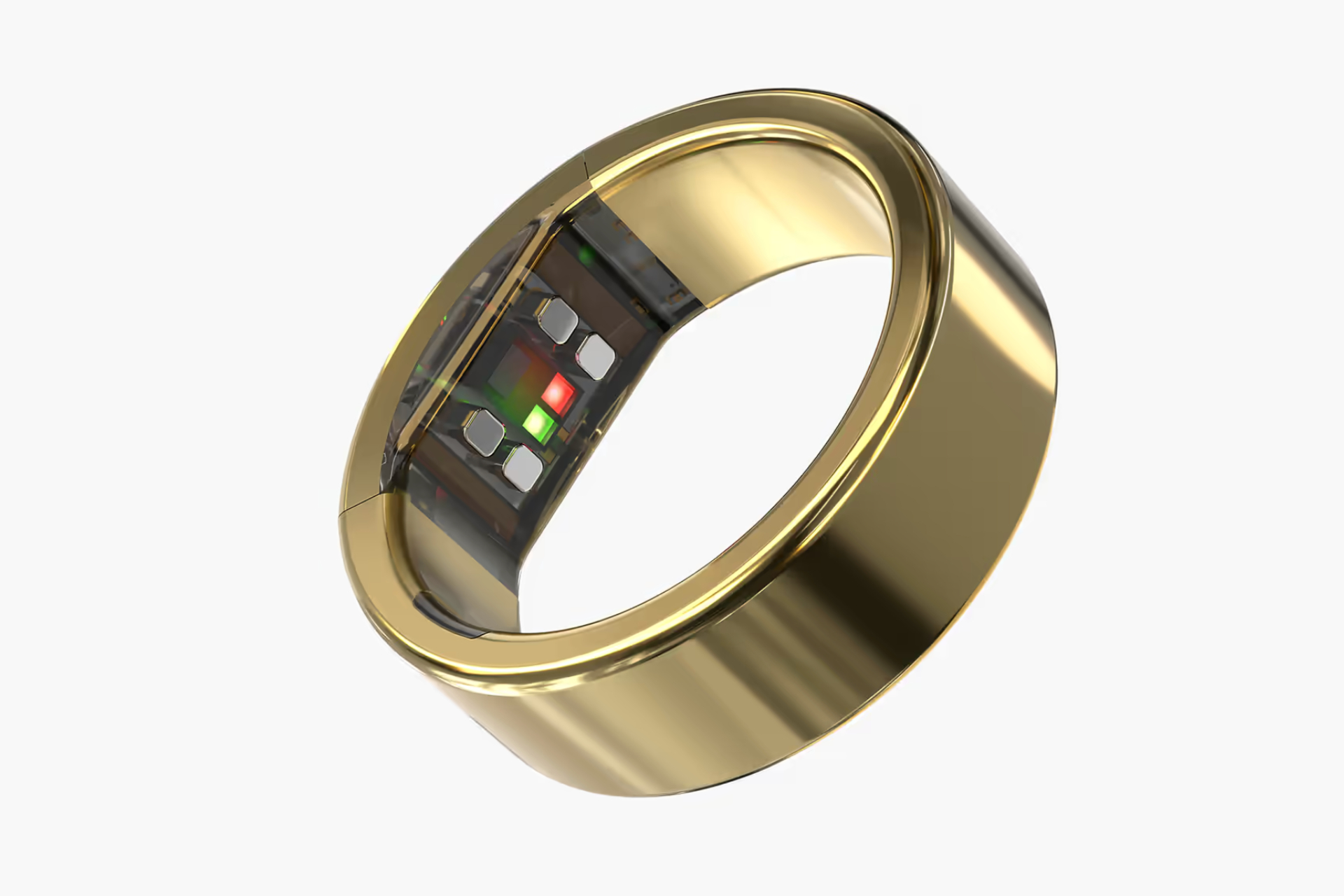
Bengaluru-based health technology innovator Ultrahuman is poised to re-enter the critical United States market, securing approval for its new Ring Pro device and signaling a renewed contest against Finnish rival Oura, which has significantly expanded its market leadership during Ultrahuman’s recent import hiatus. This development marks a pivotal moment in the rapidly evolving wearable technology sector, setting the stage for an intensified battle for consumer preference and market share.
The Evolving Landscape of Wearable Technology
The smart ring segment, a relatively nascent but burgeoning corner of the wearable technology market, offers a discreet alternative to smartwatches for continuous health monitoring. Unlike their wrist-worn counterparts, smart rings prioritize subtlety and extended battery life, focusing primarily on biometric data collection rather than notifications or complex app interactions. This specialized focus resonates with a growing demographic of consumers keen on passive, continuous tracking of their sleep patterns, heart rate variability, skin temperature, and activity levels to optimize wellness and performance. The broader wearable tech industry has seen explosive growth over the past decade, initially driven by fitness trackers and later by smartwatches, which have progressively integrated more sophisticated health metrics. Smart rings represent the next iteration, offering a less intrusive form of biometric surveillance, aligning with a societal shift towards personalized health management and preventative care.
A Contentious History: The Patent Dispute’s Impact
The current market dynamic has been heavily influenced by a significant legal skirmish between Ultrahuman and Oura. Less than a month after the Ring Pro’s global unveiling in late February, U.S. Customs and Border Protection granted clearance for its import. This approval directly follows an October ruling by the U.S. International Trade Commission (ITC) that found Ultrahuman’s previous model, the Ring Air, to infringe upon patents held by Oura. The ITC, a quasi-judicial federal agency, plays a crucial role in safeguarding American industries from unfair trade practices, including intellectual property infringement. Its decision effectively halted imports of Ultrahuman’s existing smart rings into the lucrative U.S. market, forcing the company to pivot rapidly.
This period of restriction carried substantial financial implications for Ultrahuman. According to CEO Mohit Kumar, the inability to import its Ring Air model resulted in an estimated $50 million in lost sales. Such a setback can be devastating for any startup, especially in a competitive and capital-intensive sector. The incident underscores the critical importance of intellectual property protection in the technology industry, where innovation often leads to complex legal challenges. Companies frequently invest heavily in research and development, and patents are a primary mechanism for protecting those investments, allowing them to monetize their unique advancements. Disputes like these can reshape market landscapes, temporarily sideline competitors, and significantly impact a company’s strategic trajectory and financial health.
The Crucial American Market and Shifting Dominance
The United States stands as the undisputed epicenter of the smart ring market, representing an outsized proportion of global sales. In 2025, U.S. consumers purchased approximately 2.6 million smart ring units, accounting for roughly 60% of the total 4.4 million units sold worldwide. This dominance is further amplified by a robust annual growth rate of 59% in the U.S., according to data compiled by IDC. The American market’s significance stems from several factors: a high disposable income, a strong culture of early technology adoption, and a growing emphasis on health, fitness, and self-optimization.
During Ultrahuman’s enforced absence from this vital market, the competitive landscape underwent a rapid consolidation. Oura, a pioneer in the smart ring space, capitalized on the opportunity to solidify its leadership. IDC research manager Jitesh Ubrani highlighted this shift, noting that Ultrahuman’s U.S. market share, which had impressively risen from 11.5% in 2024 to 24.6% by the second quarter of 2025, plummeted to low single digits by the end of the year as the import restrictions took full effect. Over the same period, Oura’s share surged from 63.3% to an commanding 85%, effectively absorbing the market space vacated by its competitor.
For Ultrahuman, the U.S. market historically represented a significant portion of its revenue, peaking at approximately 50%. While the company strategically expanded its operations in Europe and Asia during the period of import restrictions, diversifying its revenue streams, the U.S. remains indispensable for long-term growth and global standing. Despite the substantial losses and market share erosion, CEO Mohit Kumar maintains an optimistic outlook, characterizing the period as merely a "three-month advantage" for rivals. He expresses confidence in Ultrahuman’s ability to swiftly reclaim its lost ground, emphasizing the brand’s resilience and innovative product pipeline.
Ultrahuman’s Strategic Comeback with Ring Pro
Ultrahuman’s strategy for regaining traction in the U.S. market hinges on its newly approved Ring Pro. This device is not merely an iteration but a deliberate redesign, featuring a unibody metal structure that proved instrumental in securing U.S. customs clearance. Beyond its compliance with intellectual property regulations, the Ring Pro boasts several technical enhancements crucial for a competitive comeback. These improvements reportedly include extended battery life, a highly valued feature for continuous wear, and enhanced on-device processing capabilities, suggesting more sophisticated data analysis and potentially faster insights for users.
The development of the Ring Pro was already underway as part of Ultrahuman’s broader product roadmap, but its specific design modifications were strategically aligned to address the ongoing patent dispute. While Ultrahuman continues to contest the infringement ruling regarding its Ring Air model in federal court, arguing its non-infringing status, the Ring Pro offers a definitive resolution to the immediate import hurdles. This dual approach—legal challenge for the existing product and a redesigned, compliant new product—demonstrates a comprehensive strategy to navigate the complex landscape of intellectual property and market access.
The company plans an aggressive U.S. rollout, with pre-orders for the Ring Pro already open and shipping slated to commence on May 15. The device is priced at $399, with an early bird offer of $349 for the initial 1,000 customers, aiming to incentivize rapid adoption. However, scaling operations after such a disruption presents significant logistical challenges. Kumar anticipates it will take five to six months to reach full operational capacity, requiring a meticulous rebuilding of its supply chain and distribution networks across the vast U.S. market.
Global Expansion and Emerging Battlegrounds
The rivalry between Ultrahuman and Oura is not confined to the U.S. shores; it is intensifying on a global scale. In a clear strategic move, Oura recently entered Ultrahuman’s home market, India, with the launch of its Ring 4. This expansion signals Oura’s intent to broaden its international footprint and challenge competitors directly in their native territories.
The Indian smart ring market, while showing significant potential, presents a different set of challenges and opportunities. According to a recent IDC report, smart ring shipments in India experienced a 30.6% year-over-year decline in 2025. Despite this contraction, Ultrahuman demonstrated strong domestic leadership, holding a 30.4% market share, followed by Gabit at 18.3%. The average selling price in India also reflected a downward trend, falling 8.7% to $160, indicative of heightened competition and pricing pressures in an emerging market.
Kumar welcomes the increased competition in India, believing it will ultimately serve to expand consumer awareness and adoption within what remains a nascent category in the country. While IDC projects continued double-digit growth for the smart ring market globally and in the U.S., growth in India is expected to be more subdued. However, Oura’s established international brand recognition and robust marketing capabilities could give it a significant advantage in India, especially given that many early local competitors, often relying on repackaged hardware with limited differentiation, have already struggled or scaled back their operations. This creates an opening for well-capitalized global players to enter and potentially dominate.
Demographics, Data, and Future Frontiers
Beyond market share and product features, the demographic profile of users offers intriguing insights into the smart ring market. The U.S. user base for Ultrahuman, which accounts for approximately 45% of its global 700,000 daily active users, exhibits a distinct gender skew. Women constitute about 73-74% of U.S. users, a higher proportion compared to the global average of roughly 68%, and an increase from approximately 65% a year prior. This trend suggests that smart rings, with their emphasis on holistic wellness, discreet design, and focus on metrics relevant to female health (such as cycle tracking or stress management), may particularly resonate with women. Understanding and catering to these specific demographic preferences could be a key differentiator in future product development and marketing strategies.
The core value proposition of smart rings lies in their ability to track a comprehensive suite of biomarkers continuously and passively. Ultrahuman’s current devices monitor heart rate, heart rate variability (HRV), skin temperature, sleep stages, movement, and blood oxygen levels. These metrics provide users with a granular understanding of their physiological state, enabling them to make informed decisions about their health, recovery, and performance. The company’s focus on continuous data acquisition aligns with a broader societal shift towards "biohacking" and proactive health management, where individuals seek actionable insights from their own bodies.
Looking ahead, Ultrahuman is already hinting at ambitions beyond its current smart ring offerings. Kumar has suggested that the company is actively developing a new wearable device that will focus on a different, as-yet-unspecified biomarker. This strategic move indicates a desire to expand its product portfolio and potentially tap into new segments of the health technology market, reinforcing its commitment to innovation and leadership in the personalized wellness space.
The re-entry of Ultrahuman into the U.S. market, armed with its new Ring Pro, injects a renewed vigor into the smart ring sector. The coming months will reveal whether Ultrahuman can effectively rebuild its supply chain, regain lost market share, and challenge Oura’s fortified position. This intense competition is likely to spur further innovation, ultimately benefiting consumers through more advanced features, improved designs, and a wider array of choices in their pursuit of optimal health and well-being.