Amir Mahmud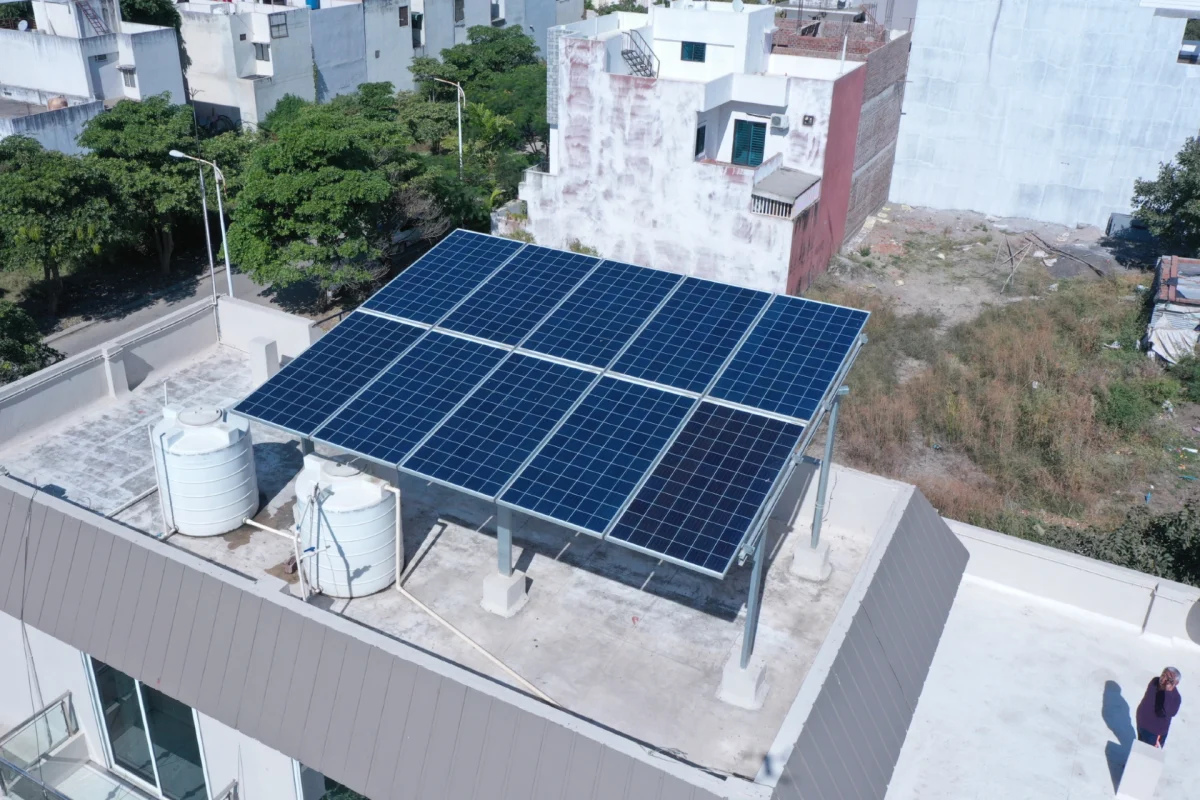
SolarSquare, a pioneering Indian startup dedicated to facilitating solar power adoption for homes and communal living spaces, is reportedly nearing the completion of a significant Series C funding round. The Mumbai-headquartered company, which provides end-to-end rooftop solar solutions, is in advanced discussions to secure between $55 million and $60 million in fresh capital. This anticipated investment, slated to be co-led by prominent venture capital firms B Capital and Lightspeed Venture Partners, signifies a robust and rapidly escalating investor confidence in India’s burgeoning residential solar market. Should the deal materialize as expected, SolarSquare’s valuation could soar to an impressive $450 million to $500 million, more than doubling its worth in under two years and underscoring the dynamic growth trajectory of clean energy solutions in the subcontinent.
India’s Ambitious Green Energy Drive
India stands at a pivotal juncture in its energy evolution, driven by a dual imperative: to meet the escalating energy demands of its rapidly growing economy and population, and to mitigate the severe environmental impacts of fossil fuels. The nation has embarked on an ambitious journey to transform its energy landscape, setting a formidable target of achieving 500 gigawatts (GW) of renewable energy capacity by 2030. Solar power is projected to be the cornerstone of this transition, expected to contribute more than half of the total renewable capacity. This strategic pivot is not merely an environmental commitment but a crucial component of India’s long-term economic stability and energy security.
The trajectory of India’s solar capacity has been nothing short of spectacular. From a modest installed capacity of approximately 3 GW in 2014, the nation has witnessed an exponential surge, reaching over 150 GW by 2026. This meteoric rise has positioned India as the world’s third-largest solar power producer as of 2025, trailing only China and the United States. A significant catalyst for this growth has been a concerted push from the Indian government through various policy initiatives and incentive schemes. Programs like the National Solar Mission, launched over a decade ago, laid the groundwork, while more recent initiatives such as the PM-Surya Ghar Muft Bijli Yojana (Prime Minister – Solar Home Free Electricity Scheme) have specifically aimed to accelerate rooftop solar adoption among households by offering substantial subsidies and facilitating easier financing. Net-metering policies, which allow consumers to feed surplus electricity back into the grid, have further incentivized homeowners, making solar power an increasingly attractive proposition.
The Rise of Rooftop Solar in India
Within India’s broader solar energy narrative, rooftop solar stands out as a segment with immense untapped potential. Unlike large-scale solar farms that require significant land acquisition and grid infrastructure, rooftop installations offer decentralized power generation, reducing transmission losses and empowering individual consumers. The market, however, has historically been characterized by fragmentation, with a plethora of small local installers and a reliance on dealer networks tied to major component manufacturers such as Tata Power, Waaree Energies, Luminous Power Technologies, and Exide Industries. This fragmented landscape often presents challenges related to quality control, standardization, and after-sales service, which can deter potential adopters.
The drivers for residential rooftop solar adoption in India are multifaceted. A burgeoning middle class, coupled with increasing disposable incomes, has led to higher electricity consumption and a greater willingness to invest in sustainable solutions. Simultaneously, rising conventional electricity tariffs and growing awareness about environmental sustainability are compelling more households to explore alternatives. For many urban dwellers, particularly those residing in housing societies and gated communities prevalent across Indian cities, rooftop solar offers a pathway to energy independence and significant long-term cost savings. The concept of the ‘prosumer’ – a consumer who both produces and consumes electricity – is gaining traction, transforming passive energy users into active participants in the energy grid. This shift not only benefits individual households by reducing their utility bills but also contributes to easing the burden on the national power grid, especially during peak demand periods.
SolarSquare’s Strategic Evolution and Market Position
Founded in 2015, SolarSquare identified the inherent opportunities and challenges within India’s residential solar market early on. The company set out to differentiate itself by adopting a "full-stack" approach, positioning itself as a comprehensive solution provider rather than just an installer. This means SolarSquare manages the entire lifecycle of a rooftop solar system, from initial design and engineering to installation, commissioning, and ongoing maintenance. This integrated model aims to simplify the adoption process for consumers, addressing concerns about technical complexity, reliability, and long-term performance, thereby building trust in a market where these factors are often pain points.
Initially, SolarSquare engaged in a mix of projects, including industrial rooftop solar systems. However, in a strategic pivot over recent years, the company has increasingly scaled back its involvement in lower-margin industrial projects to concentrate predominantly on the residential segment and housing societies. This shift reflects a keen understanding of market dynamics, where residential installations, despite potentially smaller individual project sizes, offer higher margins, greater scalability through standardized processes, and a direct impact on a vast consumer base. The focus on housing societies, which are common multi-unit residential complexes in urban India, allows SolarSquare to achieve economies of scale and efficiently deploy solutions that benefit multiple households simultaneously.
The results of this strategic focus are evident in SolarSquare’s operational footprint and financial performance. The company has successfully installed over 150 megawatts (MW) of solar capacity across more than 50,000 homes and approximately 400 housing societies. Its operations span 29 cities across nine Indian states, demonstrating a significant geographical reach. While its primary focus has shifted, SolarSquare has also deployed rooftop solar systems for notable enterprise clients like Swiggy, Zepto, and iD Fresh Food, showcasing its versatility and technical capabilities. This diversified experience, combined with its sharpened residential focus, has propelled the startup to an annualized revenue run rate exceeding ₹10 billion (approximately $104 million) from its residential and housing society segments alone. The company aims to further expand its residential solar portfolio to 200 MW this year, cementing its position as a leading player in India’s clean energy transition.
Venture Capital’s Growing Conviction
The substantial investment interest in SolarSquare, particularly the reported Series C round, underscores a broader trend of venture capital firms increasingly allocating significant capital to India’s clean technology sector. The anticipated co-leadership by B Capital, a global multi-stage investment firm, and Lightspeed Venture Partners, a prominent early and growth-stage investor with a strong presence in India, signals a mature and confident assessment of SolarSquare’s potential. Lightspeed’s prior leadership of SolarSquare’s $40 million Series B round in December 2024, which valued the company at around $200 million, demonstrates a sustained belief in the company’s vision and execution. The fact that Lightspeed is now investing through its growth fund, which typically backs more established, high-potential companies like Razorpay and Zepto, further validates SolarSquare’s advanced stage of development and its trajectory towards market leadership.
The dramatic doubling of SolarSquare’s valuation from $200 million to potentially $450-$500 million within an 18-month period is a powerful indicator of several factors. It reflects SolarSquare’s impressive operational growth, its successful execution of a residential-focused strategy, and the robust expansion of the underlying Indian rooftop solar market. Beyond SolarSquare’s individual success, this investment trend is symptomatic of venture capitalists’ growing alignment with Environmental, Social, and Governance (ESG) investment principles. Investors are increasingly seeking opportunities that not only promise financial returns but also contribute positively to global sustainability goals. India, with its vast energy needs, proactive government policies, and burgeoning consumer market, presents an exceptionally attractive landscape for such ESG-aligned capital, positioning clean tech companies like SolarSquare at the forefront of this investment wave.
Societal and Economic Impact
The proliferation of rooftop solar, spearheaded by companies like SolarSquare, has profound societal and economic implications for India. For individual households, the benefits are tangible: reduced monthly electricity bills, protection against rising energy costs, and enhanced energy independence. This financial relief can be particularly impactful for middle-income families. Furthermore, by generating their own clean electricity, households contribute directly to reducing carbon emissions and mitigating climate change, fostering a sense of environmental stewardship.
At a broader level, widespread rooftop solar adoption strengthens India’s energy security by diversifying its energy mix and reducing reliance on imported fossil fuels. It also decentralizes power generation, lessening the strain on centralized grids and potentially improving grid stability in local areas. The growth of the solar industry creates a significant number of green jobs, from manufacturing and installation to maintenance and sales, stimulating local economies and developing a skilled workforce. As India continues its journey towards achieving its ambitious climate targets, residential solar solutions are not just an energy alternative but a fundamental pillar of a sustainable, resilient, and equitable energy future.
Challenges and Future Outlook
While the prospects for India’s rooftop solar market appear bright, the path forward is not without its challenges. Sustained growth will require consistent and supportive policy frameworks from the government, ensuring predictability for both consumers and investors. Integrating a rapidly increasing volume of distributed solar generation into the existing grid infrastructure demands continuous upgrades and smart grid technologies to manage variability and ensure reliability. Furthermore, innovation in consumer financing models will be crucial to make solar accessible to an even wider demographic, particularly those in lower-income brackets. Developing a robust supply chain and a skilled workforce capable of meeting the escalating demand for installation and maintenance services will also be paramount.
Despite these hurdles, the future outlook for India’s residential solar sector remains overwhelmingly positive. Technological advancements, such as more efficient solar panels and integrated battery storage solutions, will enhance the appeal and functionality of rooftop systems. The continued growth of smart home energy management systems will empower consumers with greater control over their energy consumption and production. As urbanization continues and awareness about clean energy deepens, companies like SolarSquare are poised to play a transformative role in powering millions of Indian homes sustainably. The substantial venture capital flowing into this sector is a clear affirmation of this potential, signaling a powerful momentum towards a greener, more energy-independent India.







 Azin Asro