Amir Mahmud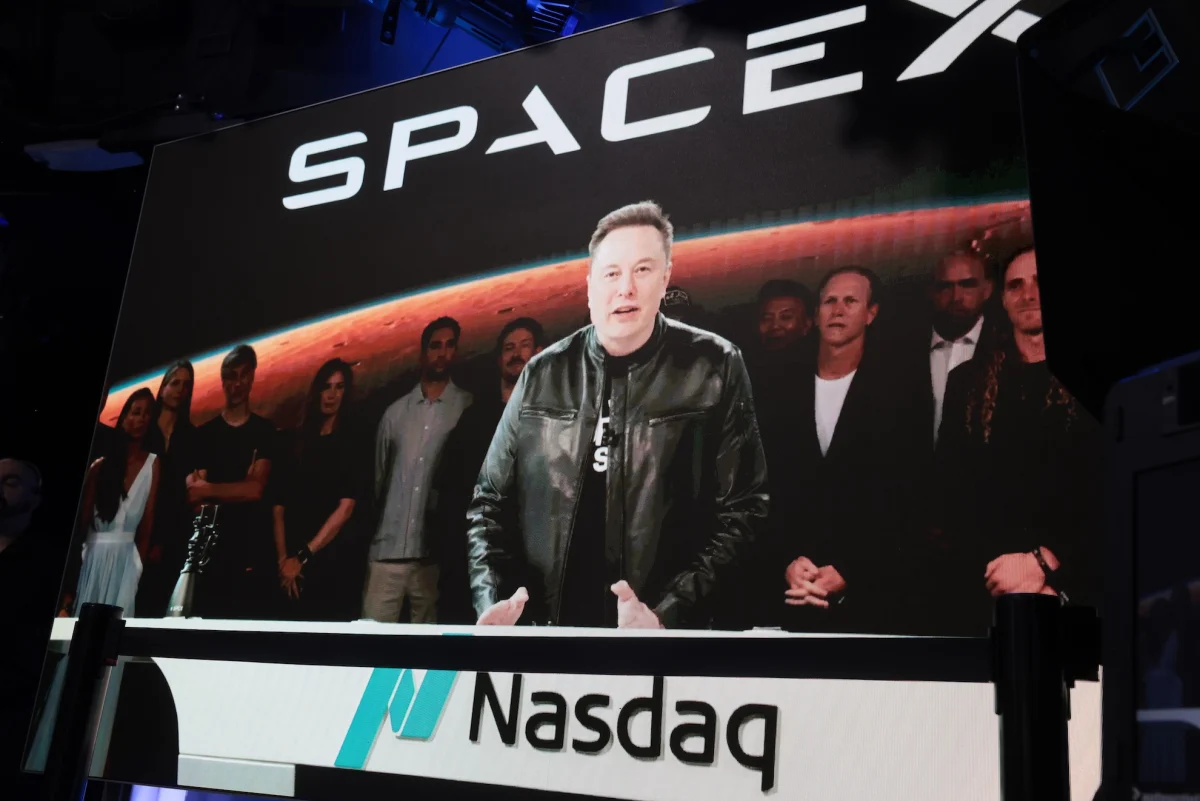
The long-anticipated public debut of Space Exploration Technologies Corp., widely known as SpaceX, has sent reverberations through global financial markets, marking an unprecedented milestone in the commercial space industry. This monumental initial public offering (IPO) on the Nasdaq exchange has not only redefined expectations for private companies transitioning to public ownership but also positioned its founder, Elon Musk, on the precipice of an extraordinary financial achievement. The sheer scale of this offering, coupled with SpaceX’s transformative ambitions, has captured the imagination of investors, media, and the public alike, signaling a new era for both space exploration and capital markets.
A Historic Market Debut
On its inaugural trading day, SpaceX shares, under the ticker "SPCX," opened at $150, immediately reflecting an 11% surge from their initial offering price of $135 per share. The company had priced 555.6 million shares to raise an astounding $75 billion, making it the largest IPO in history by a significant margin. This explosive start continued throughout the trading day, with shares soaring by 30% in midday trading before ultimately closing at $160.95, a robust 19% increase from the offering price. Such a dynamic market entry underscored intense investor demand and confidence in the company’s long-term vision and disruptive potential.
The trading frenzy was palpable across various platforms. Online brokerage Robinhood reported experiencing "record-breaking traffic" in the hours following SpaceX’s market debut, indicating widespread interest from retail investors eager to participate in this historic event. This level of engagement highlights not only the company’s brand appeal but also the broader societal fascination with space ventures and the influential persona of Elon Musk. For the banks involved, particularly Goldman Sachs and Morgan Stanley, the IPO represented a substantial windfall, collectively netting approximately $500 million in underwriting fees, affirming their pivotal role in facilitating such a colossal transaction.
The Genesis of a Space Giant
SpaceX’s journey from a nascent startup to a global powerhouse has been nothing short of extraordinary. Founded by Elon Musk in 2002 with the audacious goal of revolutionizing space technology and making humanity a multi-planetary species, the company initially faced immense skepticism and formidable technical challenges. Its early years were fraught with financial struggles and a string of launch failures that nearly crippled the enterprise. However, through relentless innovation and a culture of rapid iteration, SpaceX persevered, ultimately achieving its first successful orbital launch in 2008 with the Falcon 1 rocket.
The true turning point arrived with the development of the Falcon 9 rocket and, crucially, its groundbreaking reusability technology. By successfully landing and reusing the first stage of its rockets, SpaceX drastically reduced the cost of space launches, a paradigm shift that fundamentally disrupted the decades-old aerospace industry. This technological leap not only cemented SpaceX’s position as a dominant force in the launch market but also paved the way for ambitious projects like Starlink, its burgeoning satellite internet constellation, and Starship, its fully reusable super heavy-lift launch vehicle designed for deep space missions to the Moon and Mars.
The commercialization of space, which SpaceX has largely spearheaded, has reshaped the relationship between government space agencies and private enterprise. Historically, space exploration was predominantly the domain of national governments. SpaceX, through its contracts with NASA for cargo and crew transport to the International Space Station, demonstrated the efficiency and innovation that private companies could bring, effectively ushering in a new era of public-private partnerships in space. This historical context is crucial to understanding the immense value proposition investors now see in SpaceX.
Financial Dynamics and Future Horizons
The S-1 registration document filed with the U.S. Securities and Exchange Commission offered an unprecedented glimpse into SpaceX’s intricate financial landscape and future aspirations. Despite its immense market capitalization and revenue streams, the company revealed significant operating losses. In 2025, SpaceX reported a loss of $4.9 billion on revenues exceeding $18 billion, contributing to over $37 billion in cumulative losses since its inception. These figures underscore the capital-intensive nature of advanced space technology development, where massive upfront investments are required for research, infrastructure, and launch vehicle construction.
A substantial portion of SpaceX’s current revenue and future growth prospects are intrinsically linked to its Starlink satellite internet service. Starlink, designed to provide high-speed, low-latency broadband internet globally, particularly to underserved rural areas, represents a critical diversification from the traditional launch services business. The S-1 filing highlighted Starlink’s dominance within the company’s portfolio, projecting it to be a key driver of profitability as the constellation scales and subscriber numbers grow.
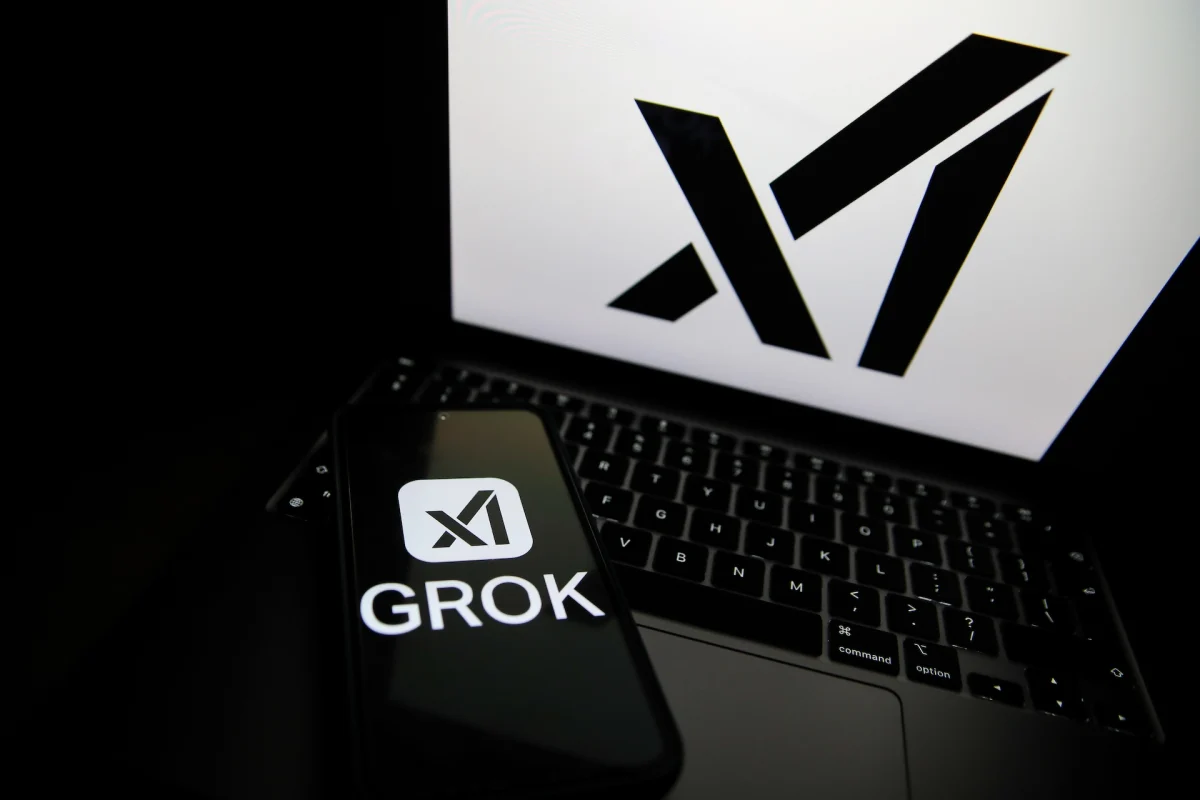
Beyond Starlink, the S-1 also revealed SpaceX’s strategic bets on artificial intelligence through its xAI division. Recent pre-IPO deals illustrated this focus, with Anthropic agreeing to pay xAI $1.25 billion per month for compute resources, and Google following suit with a $920 million monthly agreement for similar services. These deals, while lucrative in the short term, also sparked debate regarding their duration and the long-term implications for SpaceX’s balance sheet, particularly as Musk himself has offered varying perspectives on the length of the Anthropic contract.
The path to full reusability for Starship, another cornerstone of SpaceX’s future ambitions, also drew analytical scrutiny from the S-1. While the vision of Starship remains a powerful narrative for long-term growth and Martian colonization, the filing implicitly acknowledged the complex engineering and regulatory hurdles that lie ahead. The document further included a cautionary note to prospective investors about potential future equity dilution, signaling that the company might issue significant new shares in future transactions, a common practice for growth-focused companies but one that warrants careful consideration from shareholders.
The Visionary and His Empire
At the heart of SpaceX’s narrative is its charismatic and often controversial founder and CEO, Elon Musk. His personal brand, intertwined with the company’s identity, has been a significant factor in attracting both talent and investment. With approximately 85.1% of the company’s voting power, Musk maintains an unparalleled degree of control over SpaceX’s strategic direction, a factor that differentiates it from many publicly traded entities and carries implications for corporate governance.
Musk himself acknowledged the immense efforts of his team, taking to X (the social media platform he owns) to express his appreciation as the stock soared. "I love the incredible people of SpaceX beyond words," he posted, also sharing an image of insiders wearing "green shoes," a nod to the "green shoe option" – a provision allowing underwriters to sell more shares if demand is high.
A notable comment emerged from SpaceX COO Gwynne Shotwell during a CNBC interview, where she suggested that a "merger between SpaceX and Tesla might make Elon’s life a little easier." This statement immediately ignited speculation about potential synergies and challenges. While such a merger could theoretically streamline Musk’s multifaceted empire, consolidating resources and expertise across electric vehicles, energy, and space, it would also present considerable regulatory complexities, distinct business models, and potential shareholder conflicts, given the differing risk profiles and investment theses of the two companies.
The IPO also generated substantial wealth for many within SpaceX. Reports indicated that approximately 4,400 SpaceX employees could become millionaires as a result of the offering, a testament to the company’s success and its broad-based equity compensation plans. This internal wealth creation has significant social and economic implications, contributing to regional prosperity and fostering an entrepreneurial ecosystem. However, for some lower-tier investors in Special Purpose Vehicles (SPVs) that aggregated smaller investments into SpaceX prior to the IPO, concerns lingered about hidden fees, potential payout delays, and the risks of outright fraud in the complex private market structures.
Market Ripples and Broader Implications
SpaceX’s record-setting IPO is more than just a financial event; it’s a cultural and economic phenomenon. It underscores a growing public appetite for investments in cutting-edge technology and ambitious, long-term visions, even if accompanied by significant losses in the short term. The successful public listing validates the commercial space sector as a legitimate and high-growth investment frontier, potentially encouraging further capital influx into other private space companies and accelerating innovation across the industry.
The IPO’s scale also provides a powerful case study for market analysts on valuation methodologies for disruptive, future-oriented companies. The discrepancy between current profitability and market capitalization reflects investor confidence in SpaceX’s projected future cash flows from Starlink, its launch services, and its potential deep space endeavors. This forward-looking valuation paradigm is characteristic of the modern tech market, where potential for disruption often outweighs immediate earnings.
As SpaceX transitions from a privately held entity to a publicly traded company, it will face new pressures and scrutiny. Public shareholders will demand greater transparency, consistent performance, and a clear path to sustained profitability. Balancing these expectations with its ambitious, long-term, and inherently risky endeavors, such as the colonization of Mars, will be a critical challenge for management.
In conclusion, SpaceX’s historic IPO has not only injected an unprecedented surge of capital into its coffers but has also launched a new chapter for the commercial space industry and global financial markets. It symbolizes a moment where audacious technological vision meets immense public investment, setting a new benchmark for what is possible when human ingenuity reaches for the stars, and the markets respond in kind. The journey ahead for SpaceX, now under the watchful eye of public shareholders, promises to be as dynamic and captivating as its past.