Amir Mahmud
In a development that could redefine the landscape of digital infrastructure, Google and SpaceX are reportedly engaged in preliminary discussions regarding the feasibility of deploying data centers into low Earth orbit. This speculative yet groundbreaking initiative signals a profound shift in how the technology industry envisions future computational resources, moving beyond the confines of terrestrial facilities to leverage the unique advantages—and formidable challenges—of space.
The potential collaboration, initially brought to light by sources familiar with the matter, underscores a growing imperative within the tech sector to innovate in response to escalating demands for processing power, particularly from artificial intelligence (AI) workloads. As cloud computing continues its rapid expansion, the concept of orbital data centers represents a radical departure from conventional server farms, hinting at a future where the digital backbone of the global economy literally reaches for the stars.
The Orbital Data Frontier: A Strategic Imperative
The discussions emerge at a pivotal moment for SpaceX, which is reportedly preparing for a monumental initial public offering (IPO) later this year, potentially valued at an astounding $1.75 trillion. A key component of SpaceX’s pitch to investors is the vision of orbital data centers as the most economically viable solution for AI compute in the coming years. This bold claim suggests a belief that advances in launch technology and space-based operations could eventually outweigh the significant capital expenditure and operational complexities associated with extraterrestrial deployments.
Google, a titan in cloud services through Google Cloud, has a vested interest in exploring every avenue to maintain its competitive edge and meet the burgeoning needs of its global clientele. The company is not limiting its exploration to SpaceX alone, reportedly engaging with other rocket launch providers to assess various strategies for space-based infrastructure. Furthermore, Google revealed "Project Suncatcher" late last year, an internal initiative focused on launching prototype satellites by 2027, indicating a broader, independent push into orbital experimentation. This dual approach—exploring partnerships while also developing proprietary solutions—highlights the strategic importance Google places on this nascent domain.
A Deep Dive into Motivation: AI’s Insatiable Appetite
The primary driver behind this audacious pursuit is the explosive growth of artificial intelligence, particularly large language models (LLMs) and other deep learning applications. These sophisticated AI systems require immense computational power, leading to an unprecedented demand for data center capacity. Terrestrial data centers, while increasingly efficient, face inherent limitations:
- Land and Location Constraints: Finding suitable plots of land with access to ample power, cooling water, and fiber optic connectivity is becoming increasingly difficult and expensive, especially in densely populated areas.
- Energy Consumption: Data centers are prodigious consumers of electricity, raising concerns about environmental impact and operational costs. The continuous quest for sustainable and affordable energy sources is a major headache for operators.
- Cooling Requirements: The sheer heat generated by thousands of servers necessitates elaborate and energy-intensive cooling systems, often consuming vast quantities of water or relying on advanced refrigeration techniques.
- Latency: For applications requiring ultra-low latency, such as autonomous vehicles, real-time analytics, or global communication networks, the physical distance between users and data centers can be a critical bottleneck. Orbital data centers, strategically placed, could theoretically reduce latency for certain applications by bringing compute closer to the point of need or by offering more direct line-of-sight communication paths.
Elon Musk, CEO of SpaceX, has been a vocal proponent of orbital data centers, often touting their potential for lower operational costs and freedom from the localized opposition that frequently plagues ground-based data center construction in the U.S. and elsewhere. While the allure of operating in a vacuum, potentially simplifying certain cooling challenges, is strong, the economic reality remains complex.
Historical Trajectories: Google’s & SpaceX’s Space Endeavors
The idea of space-based infrastructure is not entirely new for either company. Google has a long history of investing in and exploring ambitious projects that push the boundaries of technology and geography. In 2015, Google invested a significant $900 million in SpaceX, as detailed in regulatory filings, a clear indication of its early belief in the company’s vision and capabilities. This investment provided crucial capital for SpaceX’s then-nascent Starlink satellite internet constellation and its ambitious rocket development programs. Google’s broader interest in space has also been demonstrated through initiatives like Project Loon (balloon-powered internet) and its satellite imagery capabilities, underpinning a consistent strategy to expand global connectivity and data accessibility.
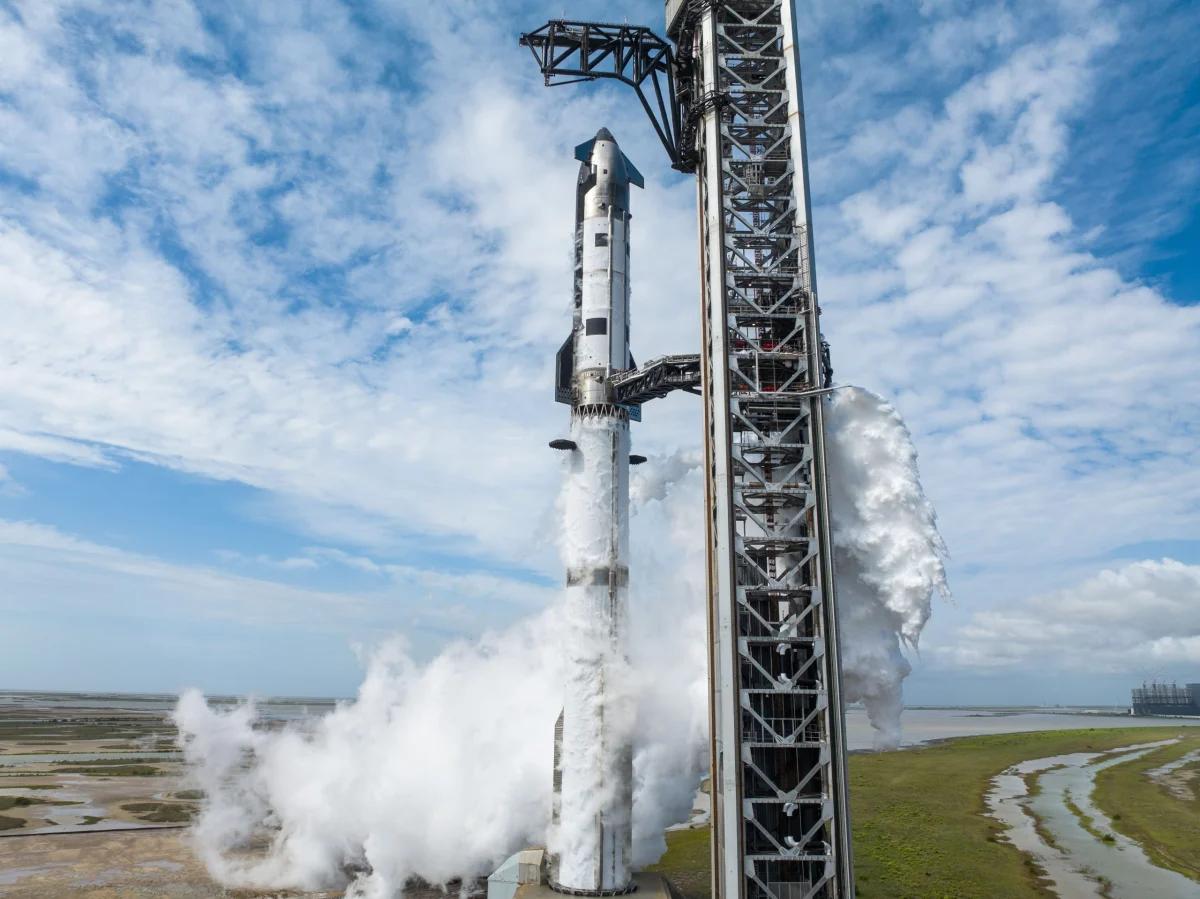
SpaceX, under Elon Musk’s leadership, has revolutionized the space industry. From its foundational Falcon 9 rockets to the reusable Falcon Heavy, and now the gargantuan Starship system, the company has relentlessly pursued the goal of drastically reducing launch costs. The Starlink constellation, already a significant player in satellite internet, showcases SpaceX’s ability to deploy and manage large-scale orbital networks. This proven capability in manufacturing, launching, and operating thousands of satellites makes SpaceX a natural partner for any entity contemplating orbital data centers. The acquisition of xAI, an AI company, by SpaceX in February further blurs the lines between space launch, satellite operations, and advanced computing, signaling a holistic strategy to integrate these domains. The recent deal between Anthropic, a prominent AI research firm, and xAI to utilize ground-based computing resources, with an eye towards future orbital collaborations, further illustrates this convergence.
Technical Hurdles and Economic Realities
Despite the compelling vision, the path to viable orbital data centers is fraught with significant technical and economic challenges.
- Launch Costs: While SpaceX has made tremendous strides in reducing launch expenses, deploying massive, power-hungry data center modules into orbit remains prohibitively expensive compared to building a facility on Earth. Each kilogram sent to space costs tens of thousands of dollars, and a fully equipped data center could weigh hundreds, if not thousands, of tons.
- Hardware Robustness: Electronics designed for terrestrial environments are ill-suited for the harsh conditions of space. Radiation shielding, temperature extremes, and vacuum exposure necessitate specialized, hardened components, which are often more expensive and less powerful than their ground-based counterparts.
- Power Generation: Orbital data centers would require robust, continuous power generation, likely from large solar arrays. Storing and distributing this power efficiently across the facility in orbit presents complex engineering challenges.
- Cooling in Vacuum: While the vacuum of space offers unique cooling properties, dissipating vast amounts of heat from densely packed servers without convection is a significant hurdle. Radiative cooling systems would need to be exceptionally large and efficient.
- Maintenance and Upgrades: Servicing or upgrading hardware in orbit is a logistical nightmare. Every component must be designed for extreme reliability and longevity, as repairs would necessitate expensive and complex robotic missions or human intervention.
- Data Latency and Bandwidth: While orbital data centers could reduce latency for some applications by being closer to the "edge" of the network or offering more direct paths, the challenge of high-bandwidth, low-latency data transmission back to Earth or between satellites remains. Terrestrial fiber optic networks offer unparalleled speed and capacity that are difficult to match from orbit.
As recent analyses have pointed out, today’s terrestrial data centers are demonstrably more economical than their orbital counterparts once satellite construction and launch expenses are fully accounted for. For orbital data centers to become competitive, a paradigm shift in launch economics, space manufacturing, and in-orbit maintenance capabilities would be required. This could involve highly autonomous robotic systems, advanced modular construction techniques, and perhaps even in-space resource utilization.
Potential Impacts and Future Prospects
Should orbital data centers transition from concept to reality, the societal and economic implications could be profound:
- Global Connectivity and Latency Reduction: For remote regions currently underserved by terrestrial internet, processing data closer to the source could dramatically improve performance for critical applications.
- Enhanced Earth Observation and Remote Sensing: Real-time processing of satellite imagery and environmental data directly in orbit could enable faster responses to natural disasters, more efficient resource management, and advanced scientific research.
- New Security Paradigms: Hosting sensitive data and critical infrastructure in orbit could offer novel security advantages, though it also introduces new vulnerabilities related to space-based threats.
- Environmental Footprint: While launches have their own environmental impact, a shift to space-based compute could potentially alleviate some pressures on terrestrial resources like land and water, particularly if clean energy sources are utilized in orbit. However, concerns about space debris and light pollution from vast constellations would need careful management.
- Regulatory Challenges: The international legal framework for space is complex and evolving. Establishing ownership, liability, and operational guidelines for orbital data centers would require significant diplomatic efforts and new treaties.
The reported talks between Google and SpaceX represent more than just a potential business deal; they symbolize a bold leap into the next era of digital infrastructure. While formidable technical and economic hurdles persist, the relentless demand for computational power, particularly from the burgeoning field of AI, provides a powerful impetus for these explorations. The vision of data centers orbiting Earth, humming with the calculations that drive our modern world, may still be nascent, but the seeds of this future are being sown today. The ultimate success will hinge on whether the industry can overcome the gravity of current economic realities and engineer a truly sustainable and scalable presence beyond our planet.