Amir Mahmud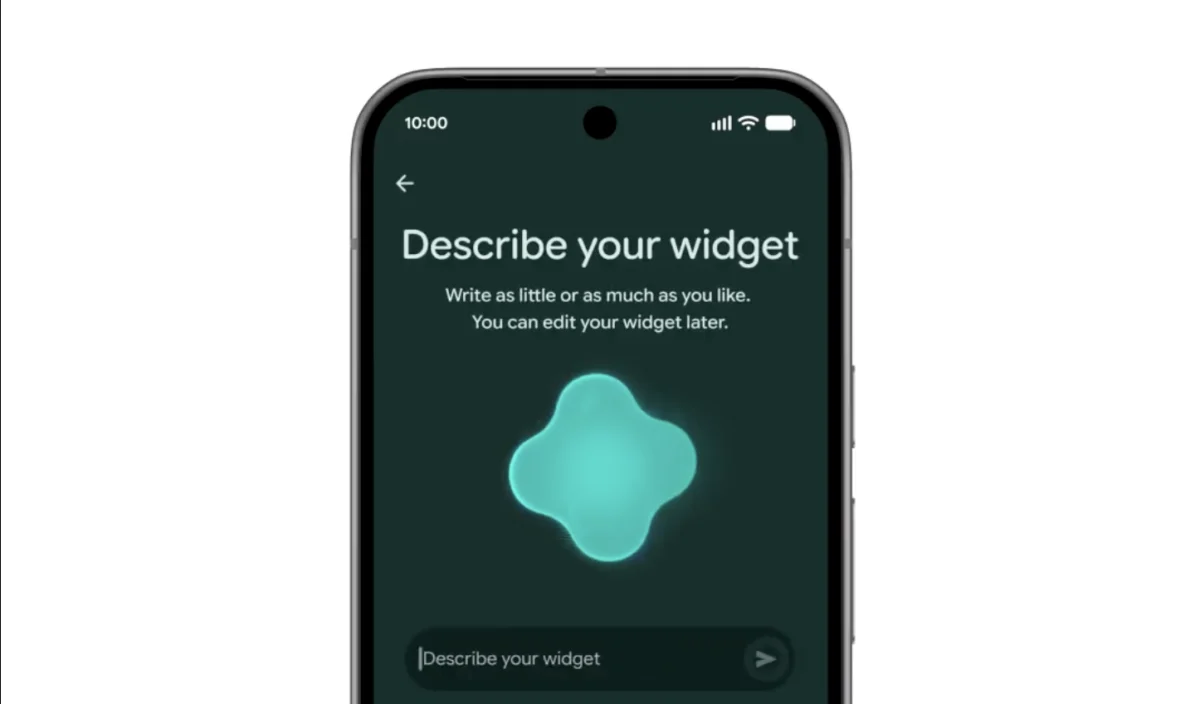
Google has announced a groundbreaking "Create My Widget" feature for Android, poised to revolutionize how users interact with their mobile devices through highly personalized, AI-generated home screen elements. This innovative capability, slated for an initial rollout on the latest Samsung Galaxy and Google Pixel smartphones this summer, marks a significant stride in integrating generative artificial intelligence deeply into the core Android experience, making sophisticated customization accessible to a wider audience.
The Dawn of Personalized Widgets
At its core, "Create My Widget" allows individuals to design custom widgets using natural language prompts, effectively enabling them to "vibe-code" their desired functionalities without any traditional programming knowledge. This paradigm shift moves beyond predefined app widgets, offering an unprecedented level of control over the information displayed on one’s home screen. Users can articulate their specific needs, such as requesting "three high-protein meal prep recipes every week" to generate a dynamic dashboard displaying relevant culinary suggestions. Similarly, a dedicated cyclist might configure a weather widget to exclusively highlight crucial metrics like wind speed and rain probability, streamlining information consumption to their exact preferences.
This functionality is powered by Google’s advanced AI model, Gemini, which serves as the intelligent backbone for processing these natural language requests. Gemini’s capacity extends beyond mere information retrieval; it can synthesize data from the vast expanse of the web and seamlessly integrate with Google’s suite of applications, including Gmail and Calendar. This interoperability allows for the creation of rich, contextualized dashboards. For instance, a user planning a family reunion in Berlin could prompt Gemini to consolidate flight and hotel itineraries, surface restaurant reservations, and even present a real-time countdown to the event, all within a single, resizable home screen widget. This level of proactive, personalized information delivery aims to transform the smartphone from a collection of discrete applications into a truly intelligent personal assistant.
A New Paradigm in User Interface
The introduction of "Create My Widget" represents a pivotal moment in the evolution of mobile user interfaces, signifying a clear departure from static, developer-defined elements toward dynamic, user-generated content. For years, mobile operating systems have offered widgets as a means of quick information glanceability and shortcut access. Android, in particular, has long championed customization, providing developers and power users with extensive tools to personalize their devices. However, the "Create My Widget" feature democratizes this power, extending advanced customization to everyday users who may lack the technical expertise or time to delve into complex settings or third-party solutions.
The concept of "vibe-coding" itself underscores a cultural shift in technology adoption. It speaks to an intuitive, almost conversational interaction with a device, where the user’s "vibe" or intent is translated into functional code by the AI. This approach minimizes the cognitive load associated with traditional interface design, allowing users to express desires in plain English rather than navigating menus or understanding technical specifications. It’s an acknowledgment that technology should adapt to human language and thought processes, not the other way around. Ben Greenwood, Director of Product Management for Android Core Experiences, articulated this vision, noting during a briefing with reporters that the feature is akin to "asking your personal assistant a question, and having them just bring you the answer on repeat." He further elaborated on the power of asking Gemini "things about the world, things about its knowledge of what’s going on and events, as well as things about your personal data," highlighting the broad spectrum of use cases unlocked by combining global knowledge with individual context.
Leveraging Gemini’s Intelligence
The integration of Gemini is central to the feature’s ambitious capabilities. Gemini, as Google’s most capable and general AI model, is designed to understand, operate across, and combine different types of information, including text, code, audio, image, and video. This multimodal reasoning is critical for the "Create My Widget" feature, enabling it to interpret complex natural language queries, pull relevant data from diverse sources—both public web content and private user data (with appropriate permissions)—and then synthesize this information into a coherent, functional widget. The AI’s ability to connect with Google’s vast ecosystem of services, from search results to personal productivity apps, transforms the home screen from a simple app launcher into a truly intelligent dashboard.
This initiative is part of a broader push by Google to embed generative AI across its product portfolio, moving beyond conversational chatbots to tangible, everyday utility. The announcement of "Create My Widget" coincided with the unveiling of Gemini Intelligence, a suite of enhancements designed to infuse AI more deeply into the Android experience. These additional features include advanced autofill capabilities, an AI-powered voice dictation function for Gboard, and other intelligent functionalities aimed at making device interaction more intuitive and efficient. The overarching strategy is clear: to leverage AI not just for information retrieval, but for proactive assistance, intelligent personalization, and a more seamless user experience across the entire Google ecosystem.
Evolution of Android Customization
Android has a rich history of offering unparalleled customization options, a foundational differentiator from its competitors. From its earliest versions, Android allowed users to place widgets on their home screens, rearrange icons freely, and choose from a myriad of launchers and themes. This philosophy has fostered a vibrant ecosystem of third-party apps dedicated to personalization, ranging from intricate icon packs to sophisticated automation tools.
The journey began with basic widgets displaying static information like clocks or weather. Over time, these evolved to include interactive elements, media controls, and quick access to app functions. However, even these advanced widgets required users to download specific applications and often offered limited configuration options within the widget itself. "Create My Widget" represents the next logical step in this evolution, moving from pre-designed, app-specific widgets to user-defined, AI-generated ones. It transitions the customization paradigm from "choose from what’s available" to "create exactly what you need." This historical context underscores Google’s consistent commitment to user empowerment and flexibility, now significantly amplified by the power of generative AI.
Market Implications and Competitive Landscape
The introduction of "Create My Widget" is poised to have significant repercussions across the mobile technology market. For Google, it reinforces Android’s position as the leading platform for customization and innovation. While Apple introduced widgets to iOS much later, their implementation has generally been more constrained and less flexible than Android’s historical offerings. Google’s new feature could widen this gap, providing a distinct advantage in personalization that competitors may struggle to replicate without equivalent AI capabilities and deep ecosystem integration.
From a social and cultural perspective, this feature caters to a growing demand for hyper-personalized digital experiences. In an age where digital content is curated by algorithms, users are increasingly seeking agency and control over their immediate digital environments. "Create My Widget" provides this by allowing users to filter out digital noise and surface only the information most relevant to their daily lives, hobbies, and responsibilities. This could lead to a more efficient and less overwhelming smartphone experience, potentially contributing to better digital well-being by reducing the need to open multiple apps to gather disparate pieces of information.
The impact on the developer community could be twofold. On one hand, simple utility apps that provide basic information or quick access might face competition from AI-generated widgets, potentially reducing their market share. On the other hand, it could spur innovation, encouraging developers to create more sophisticated AI integrations within their own apps, or to build tools that leverage Gemini’s widget creation capabilities for even more complex workflows. The market for niche, highly specific applications could transform, with the AI handling basic aggregation while specialized apps focus on deeper functionality.
Navigating Data and Privacy
The ability of Gemini to draw information from personal data, such as emails and calendar entries, naturally brings considerations of data privacy and security to the forefront. While the prospect of an AI personal assistant proactively organizing travel plans or reminding users of meal prep is incredibly convenient, it relies on granting the AI access to sensitive personal information. Google’s public stance on AI and data privacy emphasizes user control and transparency. The company typically implements robust security measures and privacy controls, allowing users to manage data access permissions for AI features.
Neutral analytical commentary would suggest that while the convenience is compelling, users will need to be diligent in understanding and configuring these permissions. Google will likely implement clear opt-in mechanisms and provide granular controls over which types of personal data Gemini can access for widget creation. The success and widespread adoption of this feature will, in part, depend on Google’s ability to communicate its privacy safeguards effectively and build user trust in its AI’s handling of personal information. The balance between hyper-personalization and data protection will remain a critical area of focus as AI continues to integrate into daily life.
The Road Ahead for AI-Driven Personalization
"Create My Widget" is more than just a new feature; it is a clear indicator of Google’s long-term vision for the future of mobile computing. It suggests a future where operating systems are not just platforms for apps, but intelligent ecosystems that proactively anticipate and fulfill user needs. The "vibe-code" approach could extend beyond widgets to other aspects of the user interface, potentially enabling natural language customization of themes, automated workflows, and even the behavior of other applications.
Looking ahead, this technology could lead to even more predictive and context-aware experiences. Imagine widgets that not only display information but also suggest actions based on your schedule, location, and past behaviors. Integration with smart home devices, wearables, and in-car systems could create a truly ubiquitous and personalized digital environment. The challenge for Google will be to refine Gemini’s understanding of complex, nuanced requests, ensuring accuracy and relevance while maintaining speed and efficiency. The initial launch on premium devices suggests a controlled rollout, allowing Google to gather feedback and iterate on the AI’s capabilities before a broader deployment. This marks a significant step towards a future where technology truly adapts to the individual, rather than the other way around.