Amir Mahmud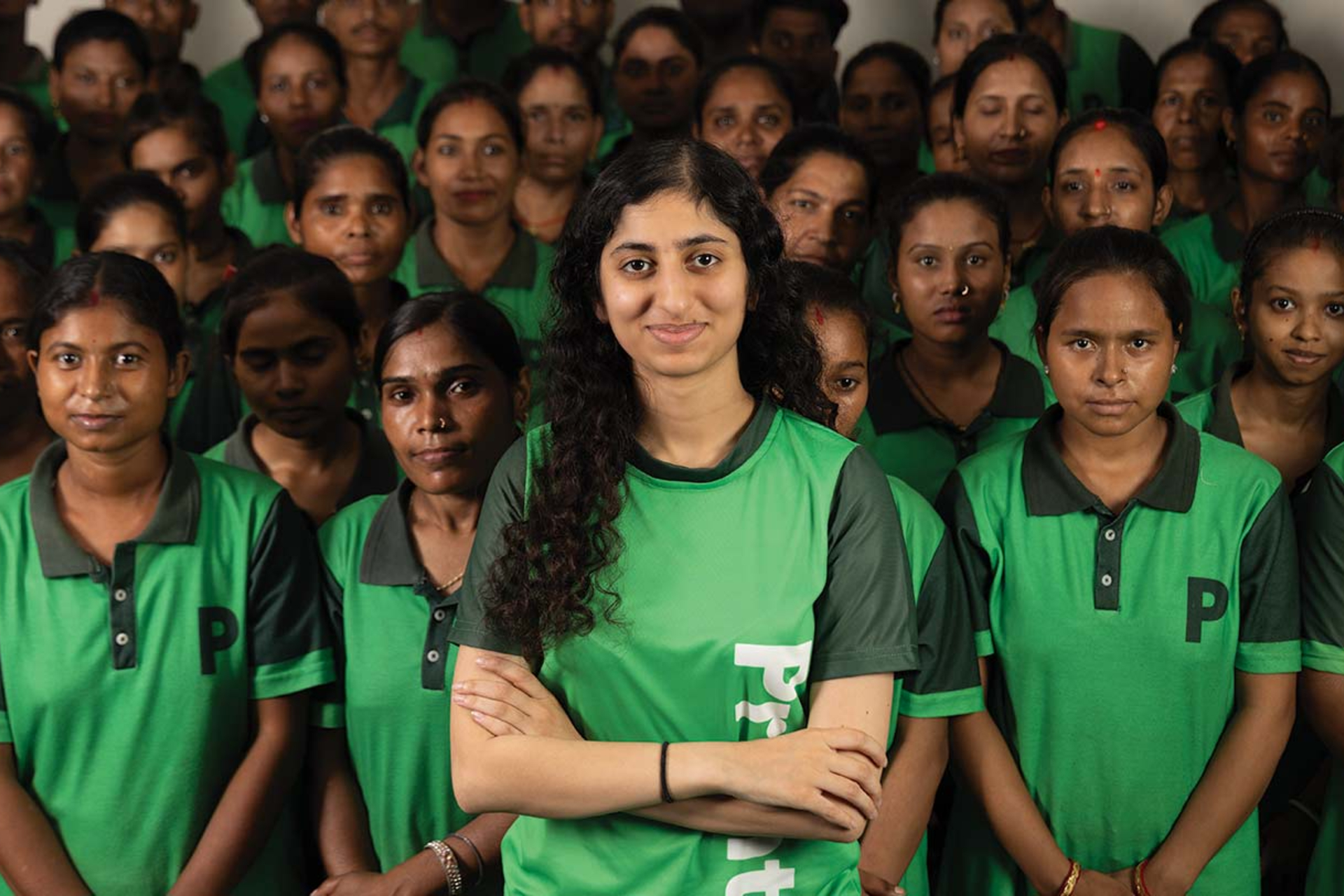
A leading figure in Silicon Valley’s solo investment landscape, Lachy Groom, has made a significant commitment to Pronto, an emerging Indian startup, securing a $20 million investment with remarkable speed. The decision to back the Bengaluru-based company, which operates in the burgeoning on-demand home services sector, reportedly crystallized within just 20 minutes of Groom’s initial meeting with Pronto’s 24-year-old founder, Anjali Sardana, in February. This rapid endorsement underscores both the immense potential perceived in Pronto and the growing attractiveness of India’s digital economy to global investors.
The swift transaction, which was finalized within weeks, adds to Pronto’s Series B funding round, catapulting its post-money valuation to $200 million. This represents a doubling of its valuation in a mere two months, highlighting the aggressive growth trajectory and investor confidence surrounding the platform. Groom’s involvement as a solo investor is particularly notable, given his reputation for highly selective, founder-centric investments that often signal significant future potential.
A Glimpse into High-Stakes Venture Capital
Lachy Groom’s investment approach stands out in the often-complex world of venture capital. Known for his focused, high-conviction bets, Groom has cultivated a reputation as one of Silicon Valley’s most astute solo capitalists. Unlike traditional venture capital firms with large funds, numerous partners, and layered decision-making processes, solo investors like Groom often operate with greater agility, making personal decisions that can dramatically accelerate funding timelines. His portfolio boasts early investments in some of tech’s most transformative companies, including Stripe and Figma, cementing his status as a kingmaker in the startup ecosystem. His decision to back Pronto, therefore, is not merely a financial transaction but a powerful validation of the startup’s vision and its leadership.
Groom himself articulated his attraction to Pronto’s audacious goal: to construct what he believes could become the world’s most expansive platform for organizing domestic labor. He acknowledged the inherent complexities of this sector, stating, "The work underneath that is genuinely hard, and most attempts in adjacent categories have struggled with the operational discipline." However, he expressed profound confidence in Sardana and her team, noting their operational execution "at a level I haven’t seen elsewhere in this space." This emphasis on operational rigor is crucial in a market segment characterized by intricate logistics, diverse service requirements, and a vast, often informal workforce.
The initial introduction between Groom and Sardana was facilitated by Paul Hudson, the founder of Glade Brook Capital, a firm that has invested in both Pronto and Physical Intelligence, a robotics startup co-founded by Groom. This interconnected network of investors and founders, spanning both established and nascent ventures, underscores the collaborative yet competitive nature of the global tech investment landscape, especially as capital increasingly flows into high-growth markets like India. Glade Brook Capital and Groom also share an investment in Zepto, an Indian quick-commerce startup, further illustrating their shared conviction in the Indian digital consumer story.
Pronto’s Vision for India’s Gig Economy
At its core, Pronto aims to revolutionize how Indian households access everyday services, from cleaning to basic home maintenance, by connecting them with a network of vetted service professionals. The founder, Anjali Sardana, brings a robust background to her entrepreneurial endeavor, having honed her skills at prestigious firms such as Bain Capital and venture firm 8VC before launching Pronto in 2025. This experience provided her with early insights into investment strategies and the dynamics of high-growth startups, equipping her with a unique perspective on building a scalable, impactful business.
Pronto’s mission extends beyond mere convenience; it seeks to formalize and professionalize a sector that has historically been largely informal and fragmented in India. The domestic labor market in India is enormous, employing millions, predominantly women, often with limited formal contracts, social security, or standardized wages. By aggregating this workforce onto a digital platform, Pronto has the potential to introduce greater transparency, fair practices, and improved working conditions for service providers. This formalization could offer workers access to better earnings, skill development, and a more structured career path, thereby elevating the dignity and economic stability of domestic labor. For consumers, the platform promises reliability, safety, and standardized service quality, addressing long-standing issues of trust and consistency in accessing household help. This represents a significant social and cultural impact, as it reshapes traditional employment patterns and consumer expectations within the Indian context.
The Expanding Landscape of Indian Home Services
The investment in Pronto arrives at a pivotal moment for India’s on-demand home services market. This sector is experiencing an unprecedented surge in adoption among urban households, driven by several macro-economic and socio-cultural shifts. India’s rapidly growing economy has led to increased urbanization, rising disposable incomes, and a proliferation of dual-income nuclear families. In this evolving social fabric, time has become a premium commodity, leading more consumers to seek convenient, reliable, and professional help for daily chores and maintenance.
Historically, the procurement of domestic services in India has relied heavily on word-of-mouth referrals and informal networks, often characterized by inconsistent quality, unpredictable availability, and a lack of standardized pricing. The advent of digital platforms like Pronto represents a paradigm shift, bringing structure, transparency, and efficiency to this vast, unstructured market. A recent analysis by Bank of America, reviewed by industry experts, estimates that India’s instant home services market is poised for explosive growth, potentially expanding into a $15 billion to $18 billion industry by the end of the current decade. This projection underscores the immense untapped potential and the transformative impact digital platforms are having on consumer behavior and the labor market.
The market, however, is not without its intense competition. Pronto is vying for market share against well-capitalized rivals, including Snabbit and Urban Company’s InstaHelp. Bank of America’s estimates suggest a highly competitive landscape, with Snabbit and Urban Company’s InstaHelp each commanding approximately 40% of the market. Pronto, despite its rapid scaling, currently holds around a 20% share. The sector is characterized by heavy capital inflows and aggressive pricing strategies, particularly aimed at attracting first-time users, leading to what analysts describe as a "burn-heavy" phase expected to persist for the next two to three years. This indicates that companies are prioritizing market penetration and customer acquisition over immediate profitability, a common strategy in nascent, high-growth digital markets.
Navigating Growth and Operational Complexities
Despite trailing larger competitors in terms of current market share, Pronto has demonstrated exceptional growth momentum. The startup’s booking volume surged from approximately 18,000 daily bookings to 26,000 in just over a month, a testament to its operational efficiency and increasing user acceptance. Pronto’s strategic focus is squarely on driving repeat usage, recognizing that converting occasional demand into frequent, habit-driven usage is paramount for long-term success in this category. Data indicates the effectiveness of this approach, with the top 10% of its users accounting for a substantial 40% of all bookings, highlighting a strong core of loyal customers.
However, rapid expansion invariably brings its own set of challenges, particularly in managing supply-side logistics. Pronto has significantly expanded its network of service workers, growing from 1,440 in January to an impressive 6,500. Yet, according to Sardana, demand continues to outpace the available supply, posing significant challenges in forecasting and capacity management. Ensuring a consistent supply of qualified workers, maintaining service quality across a diverse range of tasks, and efficiently matching demand with supply remain critical operational hurdles for any platform in this space. Pronto’s ability to maintain its high standards of "operational discipline," as noted by Lachy Groom, will be crucial in overcoming these challenges and solidifying its market position.
The investment by Lachy Groom is more than just a capital infusion; it’s a strategic partnership that brings invaluable expertise and mentorship to Pronto. As the Indian economy continues its digital transformation, platforms like Pronto are not just offering convenience; they are reshaping the future of work and service delivery, creating new opportunities for millions and streamlining daily life for urban populations. The coming years will reveal whether Pronto can leverage this significant backing to not only compete effectively but also to fulfill its ambitious vision of becoming a global leader in organizing domestic labor, starting from the dynamic landscape of India.