Amir Mahmud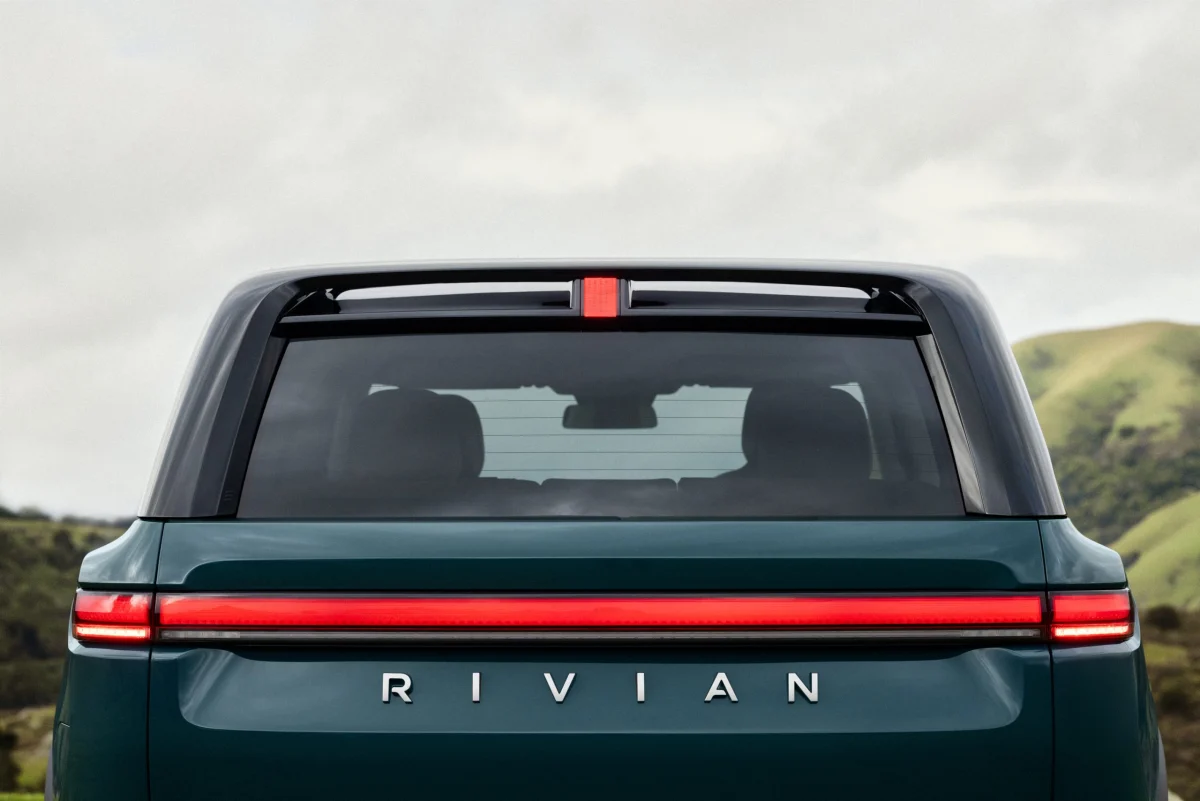
On June 9, a significant milestone in the electric vehicle (EV) landscape will unfold as Rivian Automotive Inc. begins delivering its highly anticipated R2 SUV to initial customers. This event marks a crucial turning point for the Irvine, California-based automaker, signaling a strategic pivot towards a more accessible and mainstream market segment, a stark contrast to the premium, adventure-focused niche it initially carved out. The R2 represents Rivian’s most ambitious bet yet on scaling production and achieving profitability by tapping into the heart of the automotive market: the mid-size SUV category.
Rivian’s Journey: From Niche Innovator to Mainstream Challenger
Founded in 2009 by RJ Scaringe, Rivian initially operated in relative stealth, focusing on developing a "skateboarding" platform that could underpin various electric vehicles. Unlike many startups that began with sedans or sports cars, Rivian differentiated itself by targeting the underserved, yet highly popular, truck and large SUV segments with its R1T electric pickup and R1S electric SUV. These vehicles, launched in 2021, quickly garnered critical acclaim for their innovative design, impressive off-road capabilities, and premium features, establishing Rivian as a credible challenger to established automakers and even Tesla in the luxury EV space.
The R1T, with its unique Gear Tunnel and robust performance, and the R1S, offering a blend of luxury and ruggedness, appealed to affluent buyers seeking adventure-ready electric vehicles. This initial strategy allowed Rivian to build a strong brand identity centered around sustainability, exploration, and cutting-edge technology. Crucially, a massive order for 100,000 electric delivery vans (EDVs) from Amazon, a significant early investor, provided the necessary capital and production impetus to scale operations at its Normal, Illinois manufacturing plant. However, despite the strong brand appeal and innovative products, the high price points of the R1 platform, often exceeding $75,000, limited its market reach and kept the company from achieving the economies of scale needed for sustained profitability. Supply chain disruptions, production bottlenecks, and significant investments in infrastructure further strained Rivian’s financial performance, leading to substantial quarterly losses.
The R2: A Strategic Shift Towards Affordability
The introduction of the R2 is a deliberate and calculated move to broaden Rivian’s appeal beyond its initial high-end customer base. Designed to compete in the fiercely contested mid-size SUV segment, the R2 is engineered for a lower price point and higher production volumes. The initial R2 trim, featuring an estimated starting price just under $60,000, already represents a significant reduction compared to the R1 lineup. More critically, Rivian has outlined plans for a "standard" version slated for 2027, with an announced starting price of $48,490, and an even more affordable base model "starting around $45,000" expected by late next year. This tiered pricing strategy is fundamental to Rivian’s ambition to become a mass-market player.
The decision to offer the R2 at a substantially lower price stems from a complete re-evaluation of its manufacturing process and vehicle architecture. The R2 utilizes a new, more cost-efficient platform distinct from the R1, designed from the ground up to reduce material costs, simplify assembly, and streamline the supply chain. This approach is vital for achieving the kind of economies of scale that can turn a profit in the competitive EV market. The company also made the strategic decision to initially produce the R2 at its existing Illinois facility, deferring the construction of a planned $5 billion plant in Georgia, to accelerate the vehicle’s market launch and conserve capital. This move underscores the urgency and importance Rivian places on getting the R2 into customers’ hands quickly.
Market and Societal Impact: Accelerating EV Adoption
The R2 enters a dynamic and increasingly crowded electric vehicle market, particularly within the SUV category, which remains the most popular vehicle type in the United States. Its arrival will intensify competition with established players like the Tesla Model Y, Ford Mustang Mach-E, Hyundai Ioniq 5, Kia EV6, and upcoming offerings from General Motors and Stellantis. For Rivian, success with the R2 could solidify its position as a major force in the EV transition, demonstrating its capability to move beyond niche markets.
From a broader societal perspective, the R2’s more accessible price point has the potential to significantly accelerate mainstream EV adoption. Many potential buyers have been hesitant to switch to electric due to the higher upfront costs of existing models. By offering a compelling, well-designed, and capable electric SUV in the $45,000-$60,000 range, Rivian is directly addressing a key barrier to entry. This expansion into a more affordable segment aligns with the broader global push towards decarbonization and reducing reliance on fossil fuels. As more mid-priced EVs become available, the collective impact on reducing tailpipe emissions and improving air quality will become more pronounced. Furthermore, the R2’s eligibility for federal tax credits, which often hinge on specific price caps and domestic manufacturing, could further enhance its attractiveness to consumers, making the transition to electric even more financially viable.
Production Ambitions and the Path to Profitability
Rivian’s leadership has made no secret of the R2’s critical role in the company’s future. Founder and CEO RJ Scaringe has emphatically stated that the R2 is "maybe the most important thing we’ve launched to date." This sentiment underscores the company’s high expectations for the vehicle, not just in terms of sales volume, but also as the cornerstone of its financial turnaround. Rivian is banking on an "extremely fast ramp-up" for R2 production, with an ambitious target of delivering as many as 25,000 vehicles by the end of this year. Achieving such a rapid increase in production will require flawless execution in manufacturing, supply chain management, and logistics, areas where many nascent automakers have faced significant challenges.
The ultimate goal for Rivian is to achieve sustained profitability, a metric that has eluded the company since its inception in 2009. The R2, alongside its compact hatchback sibling, the R3, is central to this objective. The new platform, standardized components, and improved manufacturing efficiencies inherent in the R2’s design are expected to drive down per-vehicle production costs and improve gross margins. By expanding its product portfolio with more affordable options, Rivian aims to capture a much larger share of the global automotive market, generating the revenue streams necessary to fund future innovation and achieve financial independence. The R3 and R3X, revealed alongside the R2, represent further diversification, targeting a younger, more urban demographic with a focus on compact size and versatile utility, further broadening Rivian’s potential customer base.
Challenges and Opportunities Ahead
While the R2 launch presents immense opportunities, Rivian also faces significant challenges. The EV market is experiencing intense price competition, particularly from Tesla and traditional automakers, who are constantly adjusting pricing and offering incentives. Maintaining a competitive edge while scaling production and ensuring high-quality standards will be paramount. Supply chain resilience remains a critical concern, as global disruptions can quickly impact production timelines and costs. Furthermore, building and maintaining consumer trust in a relatively young brand against the backdrop of established automotive giants requires consistent product excellence and strong customer service.
Despite these hurdles, Rivian possesses distinct advantages. Its brand identity, centered on adventure and sustainability, resonates with a growing segment of consumers. The R1 lineup has cultivated a loyal fan base, many of whom may be ready to upgrade or add an R2 to their garages. The company’s focus on software integration and potential for recurring revenue streams from connected services could also differentiate it in the long run. As charging infrastructure continues to expand and battery technology improves, the broader market for EVs will only grow, creating a fertile ground for compelling products like the R2.
The June 9 delivery date for the Rivian R2 is more than just a product launch; it signifies a strategic evolution for the company. By shifting its focus to a more accessible price point and a broader market segment, Rivian is making a bold statement about its future trajectory. The success of the R2 will not only determine Rivian’s ability to achieve profitability but also contribute significantly to the accelerating adoption of electric vehicles across a wider spectrum of consumers, marking a pivotal moment in the ongoing automotive revolution.





 Azin Asro