Amir Mahmud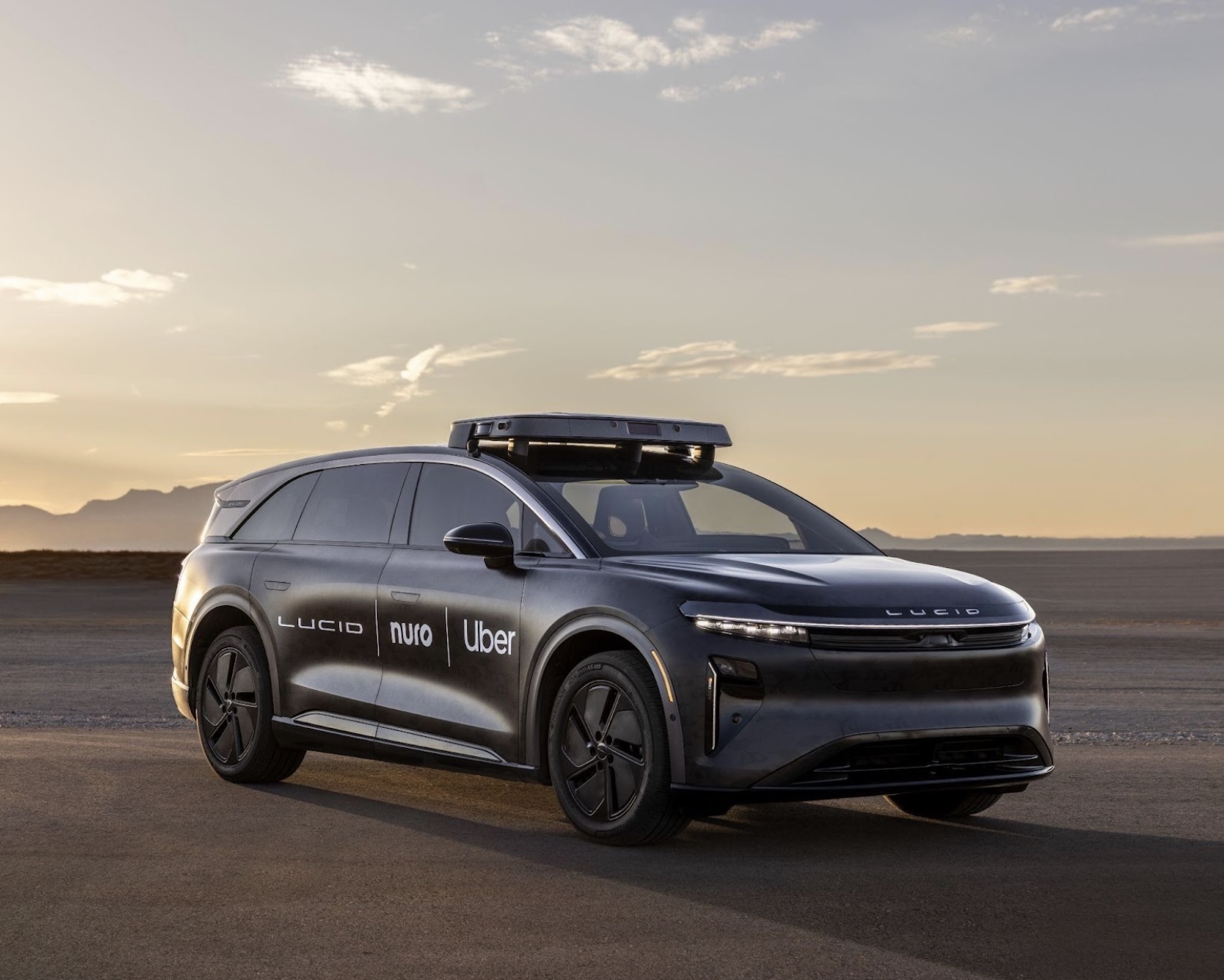
The autonomous vehicle landscape in California is witnessing a significant step forward as Nuro, a prominent Silicon Valley-based robotics firm, secures a crucial permit from the state’s Department of Motor Vehicles (DMV). This authorization allows Nuro to commence driverless testing of Lucid Gravity SUVs, outfitted with its advanced self-driving technology, on public roads. These vehicles are slated to become the backbone of an anticipated premium robotaxi service launched in collaboration with ride-hailing giant Uber, marking a pivotal moment for the burgeoning autonomous mobility sector. While the permit signifies a major regulatory clearance, Nuro has indicated that it requires additional preparation before initiating these fully autonomous operations, projecting a start later this year.
Navigating California’s Strict Regulatory Framework
California has long been at the forefront of autonomous vehicle development, simultaneously serving as a hotbed for innovation and a stringent regulator of this transformative technology. The state’s DMV is the primary agency responsible for overseeing the testing and eventual deployment of autonomous vehicles, ensuring public safety remains paramount. On a recent Tuesday, the DMV officially confirmed the modification of Nuro’s existing driverless AV permit to specifically include the luxurious Lucid Gravity vehicles. This amendment is more than a mere administrative update; it represents a tangible progression in Nuro’s strategic pivot towards high-speed, passenger-carrying autonomous services. For nearly six years, Nuro had held a driverless permit, but its scope was limited exclusively to operating low-speed delivery vehicles. This earlier program, focused on last-mile logistics, was ultimately discontinued as the company shifted its core business model to focus on licensing its sophisticated autonomous technology to partners like Uber, signaling a strategic reorientation towards a broader market application.
The current permit is a critical enabler, granting Nuro the authority to test these Lucid SUVs without a human safety operator present in the vehicle. This distinction is paramount, as it moves beyond supervised testing to true driverless operation in real-world scenarios. David Salguero, a spokesperson for Nuro, conveyed that while the company anticipates initiating driverless testing within the current calendar year, specific details regarding the exact commencement date remain undisclosed. It is important to contextualize this permit within the broader regulatory ecosystem. While the DMV’s approval is a significant milestone, it is merely one of several complex regulatory hurdles Nuro must successfully clear before Uber can introduce its premium robotaxi service to the public. Future requirements include obtaining a separate driverless ride-hailing permit from the California Public Utilities Commission (CPUC), which governs commercial passenger transportation services, and a deployment permit from the DMV itself, which would allow for general public access to the driverless service. This multi-layered regulatory environment underscores California’s cautious yet progressive approach to integrating autonomous vehicles into daily life.
A Strategic Alliance Forged for the Future of Mobility
The partnership between Nuro, Uber, and Lucid represents a compelling alignment of technological expertise, market reach, and manufacturing prowess. Uber, a global leader in ride-hailing, has long harbored ambitions in the autonomous vehicle space, recognizing the potential for cost reduction and increased efficiency. Its journey into self-driving technology has been marked by various collaborations and internal efforts, including past partnerships with companies like Waymo and Aurora, and a significant prior investment in its own Advanced Technologies Group (ATG) before divesting it. The current alliance with Nuro and Lucid signifies a refined strategy, focusing on leveraging specialized external partners rather than solely developing in-house capabilities.
The initial announcement of this ambitious three-way deal occurred in July 2025, with Uber committing an investment of $300 million in Lucid and an agreement to purchase 20,000 robotaxi-ready Gravity vehicles. This commitment has since been substantially expanded, reflecting Uber’s heightened confidence and long-term vision for the service. The investment now stands at $500 million, coupled with a minimum order of 35,000 robotaxis. This expanded fleet will comprise at least 10,000 Lucid Gravity SUVs and an additional 25,000 electric vehicles built on Lucid’s forthcoming mid-size platform, indicating a diversified approach to vehicle types and market segments. Furthermore, Uber has also made a direct multimillion-dollar investment in Nuro, solidifying its commitment to the autonomous technology provider at the core of this venture. This comprehensive financial and strategic investment underscores the deep integration and shared objectives among the three entities.
Nuro’s Technological Evolution and Lucid’s Premium Entry
Nuro’s journey in the autonomous vehicle sector has been one of adaptation and strategic evolution. Initially gaining recognition for its fully autonomous, unmanned delivery vehicles designed for local goods transportation, the company has successfully pivoted its focus. This strategic shift from low-speed delivery robots to high-speed passenger-carrying robotaxis demonstrates Nuro’s adaptability and the versatility of its underlying autonomous driving system. The technology at the heart of these robotaxis is Nuro’s proprietary autonomous vehicle system, which is powered by Nvidia’s Drive AGX Thor computer. This robust computing platform is crucial for processing the vast amounts of sensor data required for safe and reliable autonomous operation.
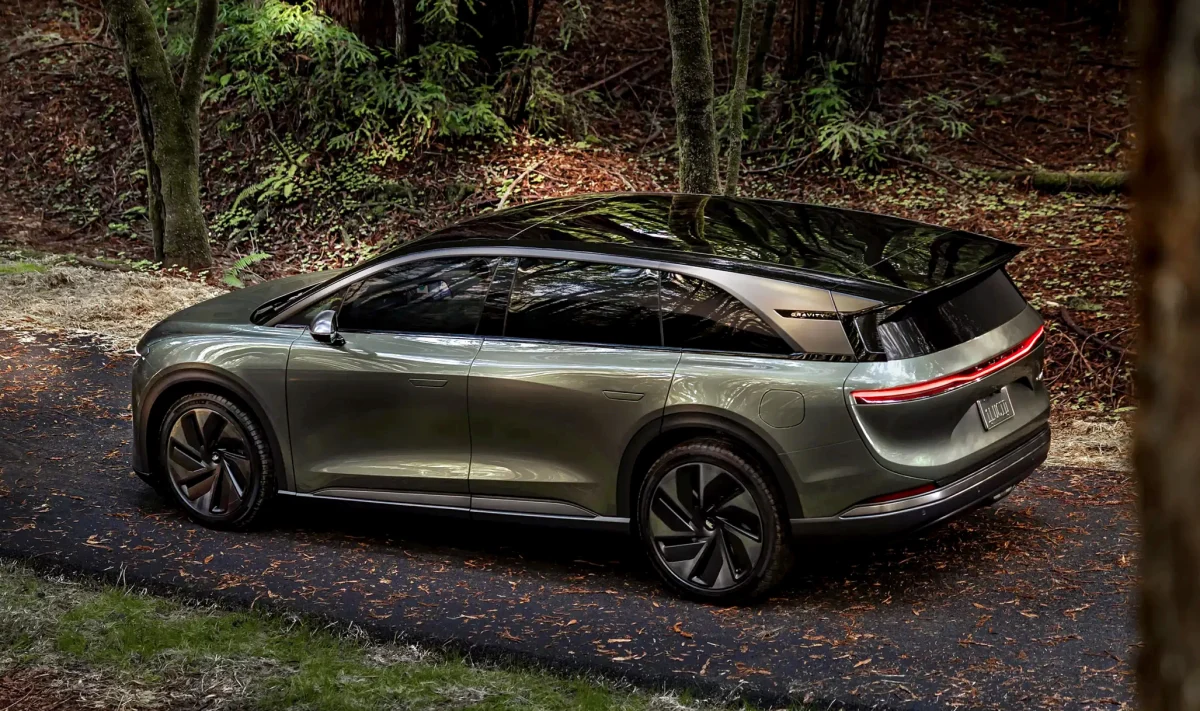
The Lucid Gravity robotaxi, which was publicly unveiled in January, is a testament to cutting-edge automotive and sensor integration. These premium electric SUVs are meticulously outfitted with an array of sophisticated perception sensors, including high-resolution cameras that provide detailed visual information, solid-state lidar sensors that generate precise 3D maps of the surroundings, and advanced radar systems that detect objects and their velocities even in adverse weather conditions. This comprehensive sensor suite works in concert, feeding data to the Nvidia-powered self-driving system, enabling it to accurately perceive the real-world environment, understand complex traffic situations, predict the behavior of other road users, and navigate safely within it. Lucid’s entry into the robotaxi market with a premium SUV like the Gravity also signals a potential differentiation strategy, targeting a higher-end segment of the ride-hailing market that prioritizes comfort, luxury, and advanced technology.
Current Testing and the Road Ahead
While driverless testing is on the horizon, Nuro and Uber are already actively engaged in extensive real-world testing of the Lucid vehicles in autonomous mode, albeit with a human safety operator invariably present behind the wheel. This supervised testing phase is crucial for collecting vast amounts of data, refining the autonomous software, and ensuring the system’s robustness across diverse driving conditions. A significant development in this ongoing testing phase occurred last month when the program expanded to allow Uber employees to request an autonomous ride in a Lucid robotaxi through the familiar Uber app interface. Critically, even during these employee-focused rides, a human safety operator remained on board, ready to intervene if necessary. This controlled rollout provides valuable insights into the user experience, operational logistics, and system performance in a semi-commercial environment, paving the way for eventual public deployment.
Lucid, for its part, has been diligently fulfilling its role in the partnership. During its first-quarter earnings call on a recent Tuesday, the electric vehicle manufacturer disclosed that it has already delivered 75 engineering vehicles to Nuro and Uber. These vehicles are currently undergoing intensive testing and mileage accumulation across several cities throughout the United States, demonstrating the broad geographical scope of the development efforts. Lucid executives maintained a decidedly positive outlook during the earnings call, noting that all development milestones and certification processes are progressing according to their internal projections. Looking ahead, Lucid has articulated a target for commercial robotaxi operations to commence in late 2026. However, it is essential to interpret this timeline with a degree of nuance. The nature of these "commercial robotaxi operations" may initially be limited, potentially involving human safety operators or restricted operational design domains, depending heavily on the pace and scope of future regulatory approvals from bodies like the CPUC and DMV. Achieving full, unsupervised driverless deployment for the general public remains the ultimate goal, but often unfolds in a phased manner dictated by safety considerations and regulatory confidence.
Broader Market Implications and Societal Impact
The advancement of driverless robotaxi services, exemplified by this Nuro-Uber-Lucid collaboration, carries profound implications for urban mobility, economic structures, and societal norms. The potential market impact is immense; successful deployment could fundamentally alter traditional car ownership models, reduce traffic congestion in metropolitan areas, and provide more accessible transportation options for various demographics. However, the path to widespread adoption is fraught with challenges. Public perception and trust remain critical hurdles, especially in the wake of high-profile incidents involving autonomous vehicles. Ensuring an impeccable safety record is paramount for building the necessary public confidence.
From a social and cultural perspective, the rise of robotaxis could lead to significant shifts in urban planning, parking infrastructure, and even the design of future cities. The economic ramifications are also substantial, with potential job displacement for human drivers being a frequently cited concern, counterbalanced by the creation of new jobs in areas such as autonomous vehicle maintenance, software development, data annotation, and remote assistance. The competitive landscape for robotaxis is also intensifying, with established players like Waymo (Alphabet’s self-driving division) and Cruise (GM’s autonomous unit) already operating in limited capacities in various U.S. cities, alongside emerging contenders like Zoox (Amazon’s autonomous mobility company). Each company is pursuing slightly different deployment strategies, from Waymo’s gradual expansion in multiple cities to Cruise’s concentrated efforts, showcasing the diverse approaches to commercialization. Nuro, Uber, and Lucid’s entry into this premium segment adds another layer of competition and innovation, potentially accelerating the overall maturation of the industry.
In conclusion, Nuro’s latest permit for driverless testing of Lucid Gravity SUVs marks a significant technical and regulatory achievement, bringing the vision of premium robotaxi services in California closer to reality. While the road to full commercial deployment remains complex, involving further regulatory clearances and continued technological refinement, this development underscores the relentless progress in autonomous vehicle technology. The strategic alignment of Nuro’s advanced AI, Lucid’s luxurious EV platform, and Uber’s expansive ride-hailing network positions this partnership as a formidable contender in the race to reshape urban transportation. As the industry inches closer to its driverless future, the meticulous process of testing, validation, and regulatory approval will continue to define the pace of this transformative technological revolution.