Amir Mahmud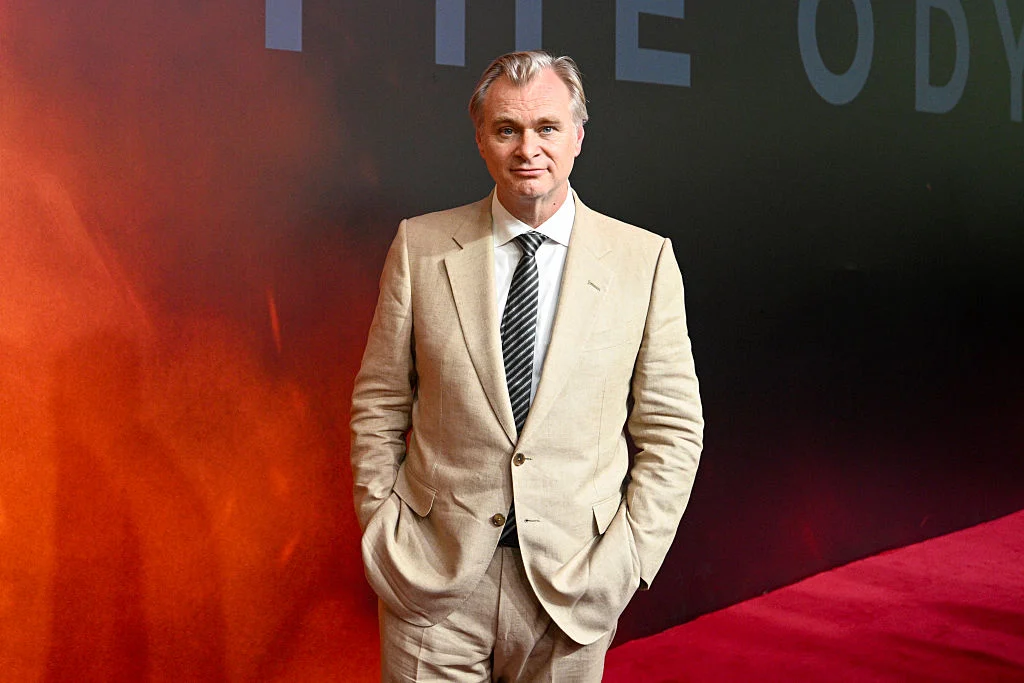
Christopher Nolan, the critically acclaimed director whose recent cinematic interpretation of "The Odyssey" has garnered significant attention, recently articulated profound skepticism regarding the rapid advancement of artificial intelligence. His comments emerged during an interview where he characterized AI as a "Trojan horse" – but one whose hidden dangers are overtly visible to a wary public, particularly younger generations. Nolan’s perspective highlights a growing cultural resistance to AI, a sentiment he finds both unprecedented and encouraging amidst the tech industry’s push for widespread adoption.
The Analogy of the Transparent Trojan Horse
The director’s provocative comparison of AI to a Trojan horse was prompted by interviewer Hugo Travers, who hosts the popular YouTube channel HugoDécrypte. Travers drew a direct parallel to the legendary stratagem from the Trojan War, a narrative central to Nolan’s latest film. In the ancient myth, the seemingly innocuous gift of a massive wooden horse concealed Greek soldiers, leading to the downfall of Troy. Travers questioned whether AI, much like the deceptive gift, might be welcomed into daily life only to reveal a darker, more disruptive nature.
Nolan’s response, delivered with a chuckle, suggested a crucial modern twist to the ancient tale: "I think AI is a Trojan horse that everybody knows the Greeks are inside." He further elaborated, describing the technology as "a transparent horse, it’s made of glass." This nuanced take implies that while the potential for unforeseen consequences or malevolent intent might be present, it is not hidden. Instead, the public, especially younger demographics, is acutely aware of the underlying risks and approaching the technology with an inherent, almost instinctive, distrust. This stands in stark contrast to many past technological revolutions, where initial widespread enthusiasm often preceded a deeper understanding of potential pitfalls.
A Healthy Skepticism: Public Reception and "AI Slop"
Nolan observed an extraordinary phenomenon in the current tech landscape: "I’ve never seen a technology advancing so rapidly [that’s been] so completely rejected by the public." He emphasized the extreme suspicion, particularly among young people, noting their immediate dismissal of AI-generated content as "AI slop." This colloquial term, coined by digital natives, reflects a clear distinction between human-created art and algorithmically generated output, often implying a lack of authenticity, originality, or even basic quality.
This widespread cultural rejection, Nolan argues, represents "a very healthy skepticism." He posits that while technology invariably offers "great gifts," it must always be viewed critically. More importantly, he stressed the need to scrutinize "the motives of the people giving it to us." This dual skepticism—towards the technology itself and the intentions of its purveyors—is, in his view, essential for extracting the maximum benefit from new innovations without succumbing to "blind faith that everything’s going to be great." The emergence of "AI slop" as a recognized pejorative on platforms like TikTok and X (formerly Twitter) signals a significant shift in how digital content is perceived, fostering a collective gatekeeping instinct among users who prioritize genuine human expression.
Historical Context of Technological Adoption and Resistance
Throughout history, new technologies have often been met with a mix of excitement and apprehension. From the Luddites resisting textile machinery in 19th-century England to public concerns over nuclear power or genetic engineering, societal responses have varied. However, the speed and scale of current AI development, coupled with its pervasive integration into daily life, are arguably unprecedented. The internet, social media, and smartphones, for instance, were initially embraced with widespread enthusiasm, their societal impacts becoming clearer only after significant adoption. AI’s trajectory appears different, encountering substantial resistance even in its nascent stages of mainstream integration.
The current wave of generative AI, capable of producing text, images, audio, and video from simple prompts, burst into public consciousness around late 2022. Tools like ChatGPT, DALL-E, and Midjourney quickly demonstrated impressive capabilities, sparking both wonder and alarm. While some lauded their potential to democratize creativity and enhance productivity, others immediately raised red flags concerning job displacement, intellectual property infringement, the spread of misinformation, and the erosion of authentic human artistry. This rapid succession of wonder and worry has contributed to the "transparent" nature of Nolan’s Trojan horse, making the potential "Greeks" inside visible from the outset.
AI’s Transformative — and Disruptive — Impact on Hollywood
Nolan’s comments resonate deeply within the entertainment industry, which has been grappling intensely with AI’s implications. The technology became a central, contentious issue during the historic Writers Guild of America (WGA) and Screen Actors Guild – American Federation of Television and Radio Artists (SAG-AFTRA) strikes of 2023. Both unions demanded robust protections against the unregulated use of AI, fearing its potential to devalue human labor, undermine intellectual property, and diminish the creative process.
Writers expressed concerns that studios might use AI to generate scripts or story outlines, reducing the need for human writers or forcing them to rewrite AI-generated drafts for diminished pay. Actors, meanwhile, fought for control over their digital likenesses, fearing that studios could scan their images or voices once and then use AI to generate performances for future projects without additional compensation or consent. The WGA ultimately secured provisions requiring human writers for scripts and preventing AI from being credited as a writer. SAG-AFTRA achieved similar protections, establishing guardrails around the use of digital replicas and requiring informed consent and fair compensation for AI-generated performances.
Nolan, as president of the Directors Guild of America (DGA), has been directly involved in these negotiations. The DGA also successfully negotiated generative AI protections in its most recent contract, reflecting a unified front across major Hollywood unions against unbridled AI integration. This collective action underscores a broader industry-wide apprehension that AI, if left unchecked, could fundamentally alter the economics and ethics of creative work, eroding the very foundations of artistry and authorship.
The Broader Market and Cultural Implications
Beyond Hollywood, the skepticism Nolan observes has far-reaching market and cultural implications. A significant portion of the public, particularly younger consumers, is increasingly discerning about the origins of digital content. The "AI slop" designation isn’t just a critique of quality; it’s a statement about authenticity and the value of human touch in a hyper-digital world. This sentiment could influence consumer preferences, potentially leading to a premium on "human-made" content or products. Companies rushing to integrate AI without clear ethical guidelines or transparency could face significant backlash, impacting brand reputation and market share.
Moreover, the debate around AI extends to fundamental questions about human creativity, intelligence, and labor. As AI tools become more sophisticated, the lines between human and machine output blur, raising philosophical questions about originality, authorship, and the nature of artistic expression. Societally, the concerns range from the potential for widespread job displacement across various sectors to the ethical dilemmas posed by autonomous systems and the proliferation of deepfakes and misinformation, which can erode trust in media and institutions.
Nolan’s Consistent "Techno-Skepticism"
Nolan’s current stance on AI is not an isolated incident but rather a consistent thread in his long-standing approach to technology. He has famously resisted certain modern innovations, notably smartphones, and remains a staunch advocate for traditional film over digital cinematography. "The Odyssey" itself made headlines as the first feature film shot entirely on IMAX film cameras, a testament to his dedication to what he perceives as a superior, more immersive visual medium.
When asked by The New York Times if he considered himself a technophobe, Nolan clarified his position: "I think of myself as a techno-skeptic." His love for film, he explained, stems from its ability to "represent the way the eye sees the world" more effectively than any digital imaging system he has encountered. This isn’t a blanket rejection of all new technology; rather, it’s a critical evaluation rooted in a deep understanding of craft and a desire to preserve what he considers superior methods.
Nolan’s concern lies in the tendency to market new technologies at the expense of viable existing systems. He lamented, "I embrace new technology all the time, but it tends to be sold to people at the expense of systems that might still be valid and viable." He witnessed this firsthand in his own industry: "That’s what I saw in my industry — throwing the baby out with the bath water. We almost lost film!" This historical experience likely informs his current caution regarding AI. He recognizes the potential "gifts" of new technology but insists on a discerning approach that prioritizes long-term value, ethical considerations, and the preservation of irreplaceable human elements.
Navigating the Future of AI
Christopher Nolan’s articulation of AI as a "transparent Trojan horse" and his praise for public skepticism offer a compelling counter-narrative to the often-unquestioning embrace of technological progress. His comments underscore the critical need for a balanced approach that champions innovation while rigorously scrutinizing its societal, cultural, and ethical implications. As AI continues its relentless march, the dialogue between developers, policymakers, artists, and the public will be crucial in shaping a future where technology serves humanity without inadvertently diminishing its creativity, authenticity, or livelihoods. The collective vigilance that Nolan observes may well be the most vital defense against the potential "Greeks" lurking within the gleaming facade of artificial intelligence.

 Azin Asro