Amir Mahmud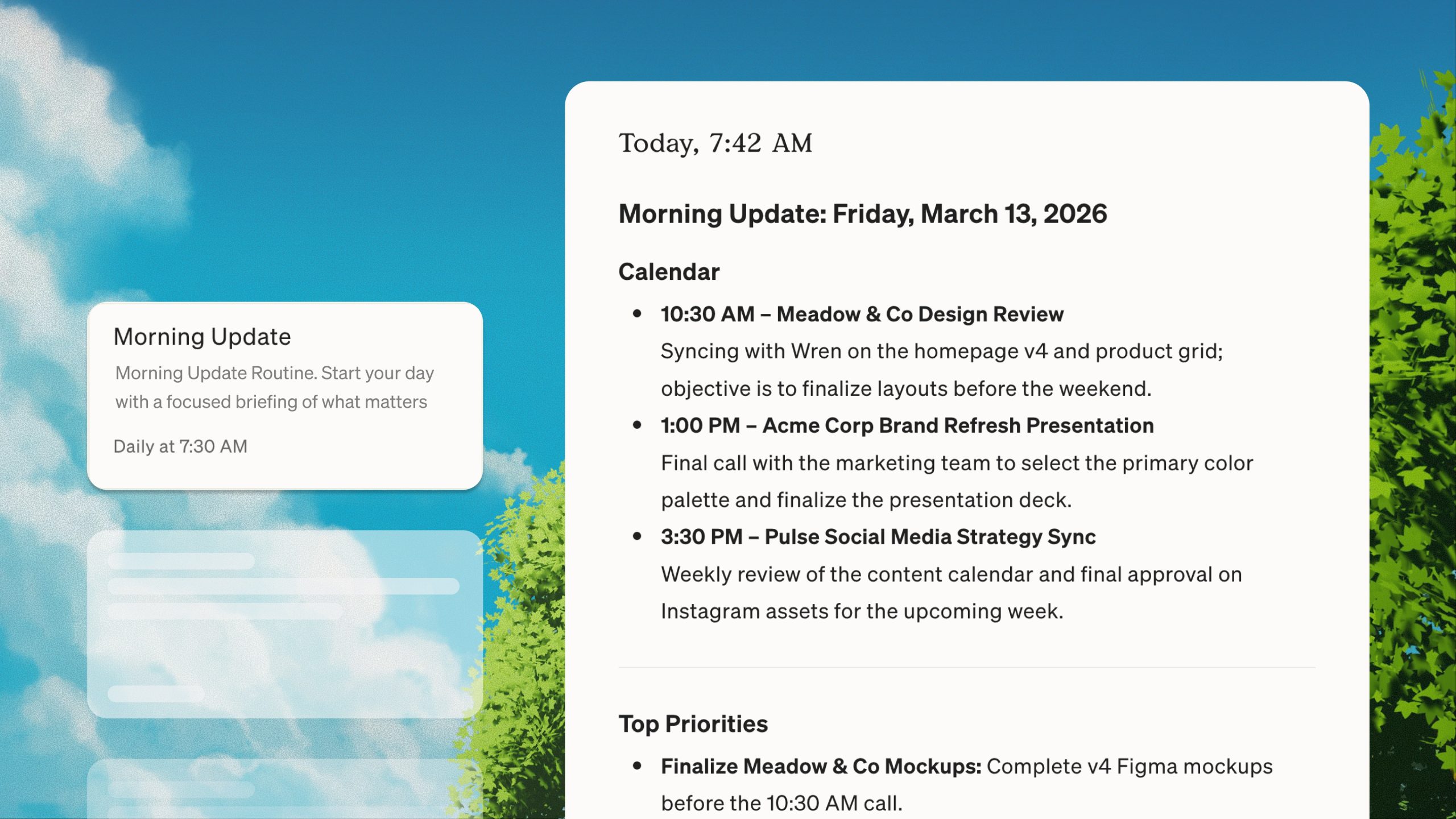
The burgeoning field of artificial intelligence in personal productivity has seen a significant infusion of capital, with Littlebird, an innovative startup, successfully closing an $11 million funding round. This substantial investment, spearheaded by Lotus Studio and drawing participation from notable figures like Lenny Rachitsky, Scott Belsky, and Gokul Rajaram, positions Littlebird at the forefront of developing sophisticated AI tools designed to capture and leverage a user’s digital context, effectively creating an intelligent, searchable personal memory of their computer interactions.
The Evolution of Digital Memory and AI Context
For years, the promise of a truly intelligent personal assistant has captivated technologists and users alike. From early iterations of digital organizers to the more recent voice assistants like Siri and Google Assistant, the goal has consistently been to offload cognitive burden and enhance efficiency. However, a persistent challenge for artificial intelligence systems, particularly large language models (LLMs), has been the "context problem"—the inherent difficulty in understanding and retaining the unique, real-time, and ever-changing context of an individual user’s digital life. While LLMs excel at processing vast datasets and generating human-like text, their utility often diminishes without a deep, personalized understanding of the user’s current tasks, past interactions, and overarching goals.
This quest for digital memory has led to various approaches in consumer software. Startups have emerged focusing on AI-powered search across files, intelligent document processing, and automated meeting summarization, all aiming to aggregate disparate pieces of a user’s digital footprint. More ambitious endeavors have ventured into "life-logging" or "digital twin" concepts, attempting to capture a comprehensive record of user activity. Pioneers in this space, such as Rewind (which later became Limitless and was acquired by Meta) and Microsoft Recall, have sought to record everything displayed on a user’s screen. These solutions typically rely on capturing visual data, like screenshots, to create a searchable history. While groundbreaking, this method has often raised concerns regarding privacy, the sheer volume of data stored, and the efficiency of retrieving specific information from visual logs. The logistical challenges of storing and processing vast numbers of high-resolution images, coupled with the potential for security vulnerabilities and the perception of constant surveillance, have presented significant hurdles for widespread adoption and trust.
Littlebird’s Distinctive Approach to Contextual AI
Littlebird enters this evolving landscape with a nuanced and arguably less invasive methodology. Instead of relying on a stream of screenshots or visual recordings, which can be data-intensive and raise privacy eyebrows, Littlebird’s core innovation lies in its ability to "read" the content displayed on a user’s screen and convert that context into a text-based format. This fundamental difference is crucial, as it leads to a significantly lighter data footprint and potentially more precise, searchable information. By abstracting the visual information into semantic text, the system can more efficiently process, store, and retrieve relevant details.
The underlying philosophy guiding Littlebird is to provide ambient, unintrusive assistance. The application operates quietly in the background, continuously accumulating context from the user’s digital activities without demanding constant interaction. This design choice aims to mitigate the "AI fatigue" many users experience with tools that frequently interrupt or require explicit commands. Littlebird is designed to emerge only when a user actively seeks assistance, offering a more harmonious integration into existing workflows. This approach reflects a growing understanding that effective AI augmentation should be supportive and on-demand rather than an omnipresent distraction. The company posits that by maintaining a low profile, its tool can become a seamless extension of the user’s memory, available precisely when needed to recall a forgotten detail, summarize a past interaction, or prepare for an upcoming event.
Beyond Simple Recall: Enhanced Productivity Features
Littlebird’s utility extends far beyond mere information retrieval, integrating a suite of features designed to enhance daily productivity and streamline complex tasks. Upon installation, users can meticulously customize which applications Littlebird monitors, allowing for granular control over data capture. Crucially, the system is engineered to automatically disregard sensitive information, such as content within password managers or confidential fields in web forms like credit card details. This level of user control and built-in privacy protection aims to instill confidence in handling personal data. Furthermore, Littlebird offers seamless integration with widely used productivity platforms, including Gmail, Google Calendar, Apple Calendar, and Reminders, enriching its contextual understanding by drawing from these crucial sources of personal and professional information.
A central interactive component of Littlebird is its intuitive query interface. Users can pose natural language questions about their accumulated data, receiving relevant insights drawn from their digital history. The system provides pre-generated prompts to help users get started, such as "What have I been doing today?" or "What kind of emails are important to me?" Over time, these prompts become increasingly personalized, adapting to individual usage patterns and demonstrating the AI’s evolving understanding of the user’s priorities and typical information needs. This adaptive learning mechanism makes the tool more effective and relevant with continued use.
Moreover, Littlebird incorporates an advanced notetaking capability reminiscent of specialized meeting transcription tools. Utilizing system audio, it runs discreetly during virtual meetings, capturing transcriptions and intelligently distilling key discussion points, action items, and follow-up tasks. This automated process alleviates the burden of manual notetaking, allowing participants to focus more intently on the conversation. A particularly powerful feature is the "Prep for meeting" option. When activated, it leverages the accumulated context from past meetings, emails, and even company history, alongside insights gleaned from external sources like Reddit, to provide a comprehensive briefing. This proactive contextualization ensures users are well-informed, anticipating potential discussion points and understanding broader sentiments related to products or companies before a crucial engagement.
Rounding out its feature set, Littlebird offers "Routines," a mechanism for scheduling detailed prompts to run at predetermined intervals—daily, weekly, or monthly. Users can select from ready-to-use routines, such as a "daily briefing" or a "weekly activity summary," or create their own custom routines with specific instructions. This automation transforms Littlebird from a reactive tool into a proactive personal assistant, delivering synthesized information and insights without explicit prompting, further enhancing productivity by surfacing relevant data at opportune moments.
The Visionaries Behind Littlebird
Littlebird was brought to life in 2024 by a formidable founding team comprising Alap Shah, Naman Shah, and Alexander Green. The Shah brothers possess a strong entrepreneurial track record, having previously co-founded Sentieo, a highly successful market intelligence platform for institutional investors that was later acquired by AlphaSense. Their past ventures also include Thistle, a healthy food company, demonstrating a diverse range of business acumen. Alap Shah, in particular, gained significant attention as a co-author of the influential "Citrini paper," a widely discussed work exploring how advanced AI agents could potentially disrupt and even destabilize economies, an analysis that notably impacted tech stock valuations upon its release. This background underscores a deep understanding of AI’s profound capabilities and its potential societal implications, a perspective that undoubtedly informs Littlebird’s development and its emphasis on responsible AI deployment. Alexander Green, the third co-founder, brings extensive experience in building companies across hardware, software, and AI sectors, contributing a broad technical and strategic perspective to the team.
Green articulated the foundational premise behind Littlebird, stating, "We got started when Alap posed an interesting problem that AI is going to be about your [users’] data. Models don’t know anything about you, and that limits their utility. We were thinking about various UI and OS paradigms that were likely to be ripe for disruption with AI and that kicked off Littlebird as a project." This insight highlights the critical role of personalized data in unlocking the full potential of AI. Green also drew a clear distinction between Littlebird and its predecessors, noting that while Rewind attempted a similar objective, its reliance on screenshots and a less-than-optimal search experience presented inherent limitations. He emphasized that Littlebird’s journey is just beginning, with numerous challenges still to address, particularly in enhancing large language models’ ability to deeply comprehend and utilize diverse forms of user context.
Navigating Privacy and Data Security
In an era increasingly conscious of digital privacy, Littlebird places significant emphasis on securing user data and maintaining user control. All user data captured by the application is stored securely in the cloud, protected by encryption protocols. A critical aspect of Littlebird’s design is its commitment to user agency: individuals retain the ability to remove their data from the service at any time, ensuring ownership and control over their digital footprint.
The decision to store data in the cloud, rather than solely on local devices, is a strategic one, driven by the need to power sophisticated AI workflows. As Green explained, running the powerful, resource-intensive models required for Littlebird’s advanced functionalities is often not feasible on local hardware, making cloud infrastructure essential for delivering a robust and responsive user experience. This approach allows Littlebird to leverage scalable computing resources for complex analytical tasks and continuous learning.
Green further elaborated on Littlebird’s data handling advantages, stating, "We don’t store any visual information. We only store text, which makes the data a lot lighter-weight. I think that was probably another reason that Recall and Rewind struggled, which is that taking a screenshot is a lot more data hungry. I also think it’s more invasive." This distinction is pivotal. By focusing on textual data, Littlebird significantly reduces the storage burden and bandwidth requirements, making the service more efficient. Moreover, the text-only approach is presented as inherently less invasive from a privacy perspective, as it avoids capturing potentially sensitive visual details of a user’s screen environment. This design choice aims to foster greater trust and comfort among users concerned about the implications of an "always-on" AI assistant.
Littlebird adopts a freemium model, allowing users to download and utilize its core functionalities without cost. For individuals requiring extended usage limits or access to premium features, such as advanced image generation capabilities, paid subscription plans are available, starting at $20 per month.
Market Dynamics and Investor Confidence
The $11 million funding round is a strong indicator of investor confidence in Littlebird’s vision and its potential to carve out a significant niche in the burgeoning AI productivity market. The participation of several prominent figures, many of whom are active users of the product, underscores this belief. Gokul Rajaram, a veteran of Google and Facebook’s advertising product divisions, praised Littlebird for its ability to "remove the friction of remembering, retrieving, and re-explaining your own work." This sentiment highlights the tool’s potential to significantly reduce cognitive overhead in professional contexts. Russ Heddleston, co-founder and CEO of DocSend, offered a concrete example of its impact, noting that he leveraged Littlebird to rewrite his company’s marketing site, drawing contextual information from diverse sources including meetings, emails, and Notion.
Lenny Rachitsky, known for his popular newsletter and podcast, articulated a broader perspective on AI’s reliance on context, stating that current AI often "misses so much about your day." He personally uses Littlebird to enhance his productivity workflows and improve overall well-being. However, Rachitsky also offered a crucial analytical observation regarding the path to long-term success: "I think it’s all about finding that killer must-have use case. That’s all that matters to this product’s success right now. I know a lot of people already have found that for themselves, and the team is leaning into these experiences as they see these use cases emerge." This commentary reflects a common wisdom in the tech startup world—that initial broad utility must eventually coalesce around a few indispensable functions that create undeniable value for users. He further emphasized the agile development philosophy prevalent in AI product building: "You don’t actually know how people will use your product until you put it out. The strategy is to put out early stuff, see how people use it, and double down on those use cases versus waiting for something totally figured out." This iterative approach is critical for adapting to user needs and discovering the most impactful applications of such a versatile tool.
The Future of AI-Powered Personal Assistance
Littlebird’s successful funding round and its innovative text-based approach to digital memory signify a pivotal moment in the development of AI-driven personal productivity. As digital interactions become increasingly complex and voluminous, the human capacity for recall and context management is constantly tested. Tools like Littlebird aim to augment this fundamental human ability, promising a future where individuals can navigate their digital lives with greater ease, efficiency, and intelligence.
The journey ahead will undoubtedly involve overcoming technical hurdles, refining user experience, and continuously addressing privacy concerns in an evolving regulatory landscape. However, by focusing on contextual understanding, minimizing data invasiveness, and empowering users with control, Littlebird is poised to play a significant role in shaping how we interact with our computers and, more broadly, how we manage the ever-growing torrent of digital information in the years to come. The quest for a truly intelligent and unobtrusive personal digital memory continues, with Littlebird charting a distinctive course toward that future.