Amir Mahmud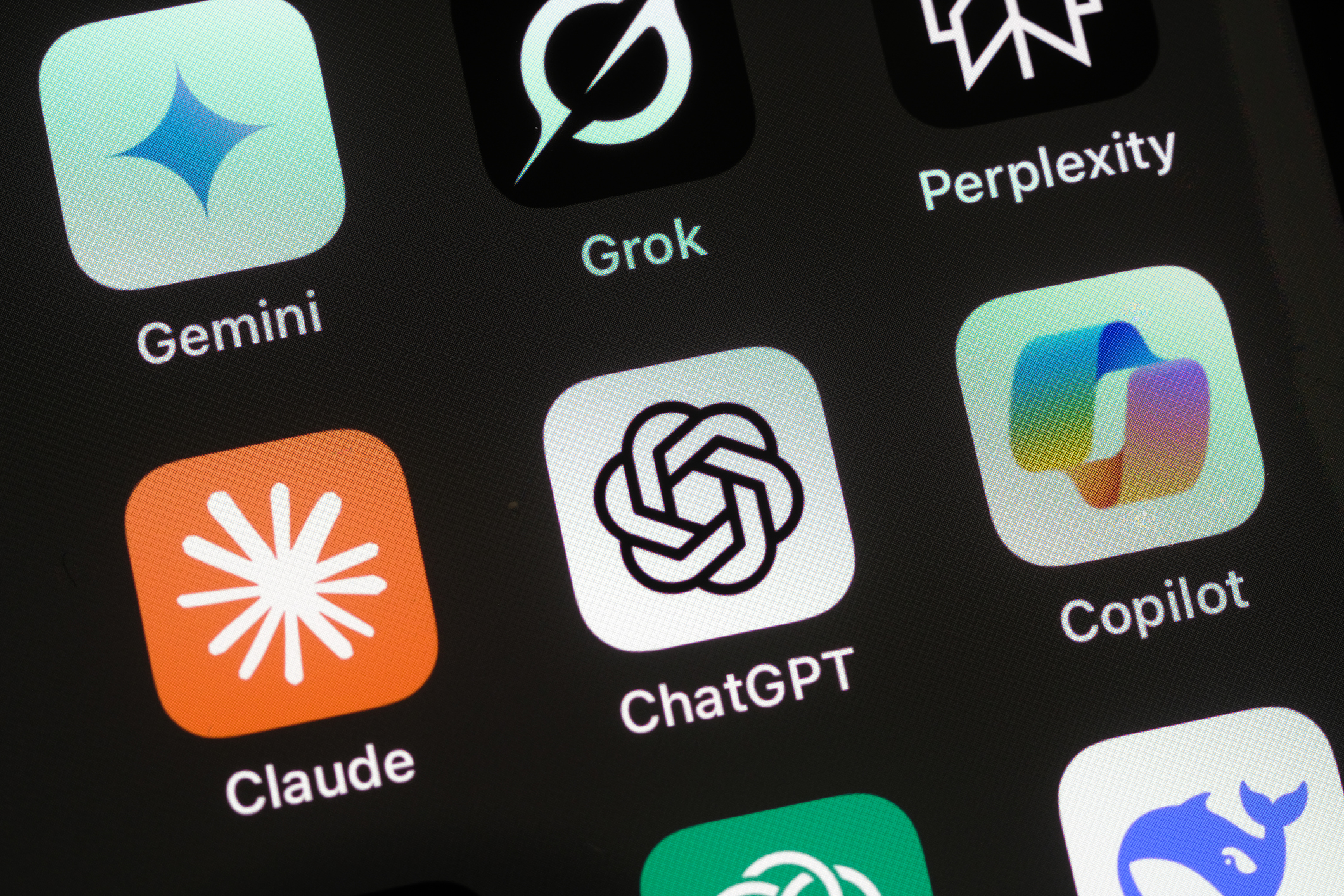
A recent comprehensive analysis reveals a significant paradigm shift in the landscape of artificial intelligence mobile applications: the introduction of advanced image generation capabilities now acts as a primary catalyst for user acquisition, outperforming traditional upgrades to text-based chatbot models. According to a new report from Appfigures, a leading app intelligence provider, releases of sophisticated image models are generating an astounding 6.5 times more downloads for AI-powered mobile applications compared to enhancements focused purely on conversational AI. This data underscores a profound evolution in user engagement preferences and strategic priorities for technology giants vying for dominance in the burgeoning AI market.
The Visual Revolution in AI Applications
The findings from Appfigures signify a pivotal moment, marking a departure from the earlier phase of AI adoption where the novelty and utility of conversational experiences, driven by foundational models and features like voice chat interfaces, primarily fueled demand. While the initial wave of AI enthusiasm was largely centered around the ability of large language models (LLMs) to understand and generate human-like text, the current trend indicates a growing appetite for visual AI tools. This shift highlights a natural progression as AI capabilities mature, moving beyond text to encompass a broader spectrum of human communication and creative expression, particularly through imagery and video.
The allure of generative AI, which burst into public consciousness with the widespread availability of tools capable of creating novel content from simple text prompts, has been undeniable. Initially, this fascination manifested in the rapid adoption of text-based chatbots that could draft emails, summarize documents, or engage in complex dialogue. However, the human brain’s inherent preference for visual information, coupled with the immediate gratification offered by image generation, appears to be translating directly into download figures. Users are increasingly drawn to applications that offer tangible, creative output, allowing them to transform abstract ideas into concrete visual forms with unprecedented ease.
From Text to Image: An Evolving Landscape
The journey of artificial intelligence from niche academic pursuit to mainstream consumer utility has been marked by several distinct phases. For decades, AI remained largely behind the scenes, powering recommendation engines, search algorithms, and basic automation. The late 2010s saw the rise of deep learning, which dramatically improved AI’s ability to process and generate complex data. However, it was the advent of large language models like OpenAI’s GPT series and Google’s transformer models that truly democratized AI, bringing sophisticated natural language processing into the hands of millions. ChatGPT, launched in late 2022, rapidly became a cultural phenomenon, showcasing the power of conversational AI and setting a high bar for user expectations.
Parallel to this, advancements in generative adversarial networks (GANs) and diffusion models were quietly laying the groundwork for text-to-image generation. Early iterations of these models, while impressive, often produced abstract or imperfect results. Yet, with each successive generation, the fidelity and creativity of AI-generated images improved dramatically. Companies like OpenAI with DALL-E, Midjourney, and Stability AI with Stable Diffusion became household names in the creative and tech communities. The natural next step for major AI platforms was to integrate these powerful visual capabilities directly into their core applications, offering a multimodal experience that combines the strengths of both text and image generation. This integration began to accelerate in 2025, transforming how users interacted with and perceived AI applications.
Key Players and Their Visual Milestones
Several prominent AI developers have witnessed firsthand the impact of integrating advanced visual models into their mobile offerings. The data from Appfigures provides compelling evidence of this trend, showcasing significant spikes in downloads for Google’s Gemini, OpenAI’s ChatGPT, and Meta AI following the release of their respective visual AI capabilities.
For Google’s Gemini, the introduction of its image model, dubbed Nano Banana, in August of last year, served as a powerful magnet for new users. In the 28 days immediately following this launch, the Gemini app recorded over 22 million additional downloads. This surge represented more than a fourfold increase in the app’s download rate during that period, illustrating the immense appeal of its enhanced image generation features. The ability for users to quickly create diverse visual content directly within the Gemini environment clearly resonated with a broad audience eager to explore the creative possibilities of AI.
Similarly, OpenAI’s ChatGPT experienced a substantial boost in user acquisition after rolling out its GPT-4o image model in March of last year. This update led to more than 12 million incremental installations within a 28-day window. Crucially, this figure was approximately 4.5 times higher than the downloads observed for previous text-focused model upgrades, such as GPT-4o, GPT-4.5, and GPT-5 releases. This highlights a clear preference among users for updates that bring novel visual functionalities, demonstrating that while foundational model improvements are essential for performance, it’s the tangible, creative outputs that truly capture public imagination and drive adoption.
Meta AI also joined this trend, albeit on a slightly different visual front. The launch of its AI video feed, Vibes, in September of last year, generated an estimated 2.6 million additional downloads in the subsequent 28 days. While Vibes focuses on video rather than static images, its core appeal lies in visual content generation and consumption, aligning with the broader pattern of visual AI driving user interest. This indicates that the appetite for AI-powered visual creativity extends beyond still images to dynamic media, promising further diversification in how AI interacts with and shapes digital content.
The Download Surge: A Closer Look
The disproportionate growth in downloads attributed to visual AI releases points to several underlying factors. First, visual content is inherently more shareable and viral on social media platforms. A stunning AI-generated image or a captivating short video can spread rapidly, drawing new users to the source application. This organic virality acts as a powerful marketing tool, far exceeding the reach of technical improvements to conversational algorithms.
Second, image generation offers a more immediate and often more intuitive user experience. Crafting a text prompt to produce an image feels more like a creative act with a tangible outcome than engaging in a complex text conversation. The "wow" factor of seeing an imagined scene materialize on screen provides instant gratification, making the technology feel more accessible and exciting to a wider demographic, including those who may not be deeply technical or have specific professional needs for conversational AI.
Third, visual AI taps into a universal human desire for creativity and self-expression. From personal avatars and digital art to marketing materials and storyboarding, the applications of image generation are diverse and immediately apparent. This broad utility translates into a larger potential user base, encompassing artists, hobbyists, marketers, educators, and casual users looking for a novel way to interact with technology.
Downloads Versus Dollars: The Monetization Challenge
Despite the impressive download figures, the Appfigures report also injects a crucial note of caution: a surge in installations does not automatically translate into a proportional increase in mobile revenue. This distinction highlights the ongoing challenge for AI developers to convert widespread interest and initial curiosity into sustainable monetization.
For instance, while Google’s Nano Banana image model propelled Gemini to over 22 million additional downloads, its estimated gross consumer spending during the 28-day post-launch window amounted to only $181,000. Similarly, Meta AI’s Vibes, despite its download boost, did not yield "meaningful revenue." These figures suggest that while users are eager to explore free or trial versions of visual AI tools, the perceived value or the necessity of paying for premium features might not be as strong for these specific offerings, at least not initially.
In stark contrast, OpenAI’s ChatGPT stands out as an exception. The introduction of its GPT-4o image-generation model not only drove significant downloads but also generated an estimated $70 million in gross consumer spending within the 28 days following its launch, significantly exceeding its prior baseline. This remarkable difference underscores the complexities of AI monetization strategies. ChatGPT’s success in converting visual AI interest into revenue could be attributed to several factors: a well-established subscription model (ChatGPT Plus), a strong brand reputation built on its foundational text models, and a broader suite of integrated capabilities that make a paid subscription more appealing for sustained, professional, or power user engagement. Users might be more willing to pay for a comprehensive, multimodal AI assistant that consistently delivers high-quality results across various tasks, rather than a standalone image generation feature.
Beyond the Image: The Multimodal Future
The report also touched upon DeepSeek, an AI model that garnered 28 million downloads after its January 2025 release, yet did not fit the pattern of visual AI driving growth. DeepSeek’s rapid ascent was attributed to its innovative and cost-effective AI training techniques, which generated significant industry buzz and user curiosity. This case serves as a reminder that while visual AI is currently a dominant driver, other unique value propositions, such as groundbreaking efficiency or novel architectural approaches, can also trigger massive download spikes by appealing to a different kind of user — one driven by technical curiosity and the desire to explore cutting-edge advancements.
The trajectory of AI development points towards an increasingly multimodal future, where applications seamlessly integrate text, image, audio, and video generation and understanding. The current emphasis on visual AI driving app growth is likely a stepping stone in this larger evolution. As these capabilities become more sophisticated and integrated, the lines between different forms of AI will blur, leading to applications that offer truly comprehensive and intuitive creative and communicative tools.
The shift towards visual AI as a primary growth driver is more than just a fleeting trend; it represents a fundamental change in user expectations for AI applications. Consumers are no longer satisfied with purely text-based interactions; they demand rich, tangible, and creative outputs that resonate with their visual sensibilities. For developers, this means prioritizing multimodal capabilities, particularly in image and video generation, while simultaneously refining monetization strategies to effectively convert curiosity into sustained revenue. The race to deliver the most compelling and comprehensive visual AI experiences is now at the forefront of the mobile app market, shaping the next generation of digital tools and user interactions.