Amir Mahmud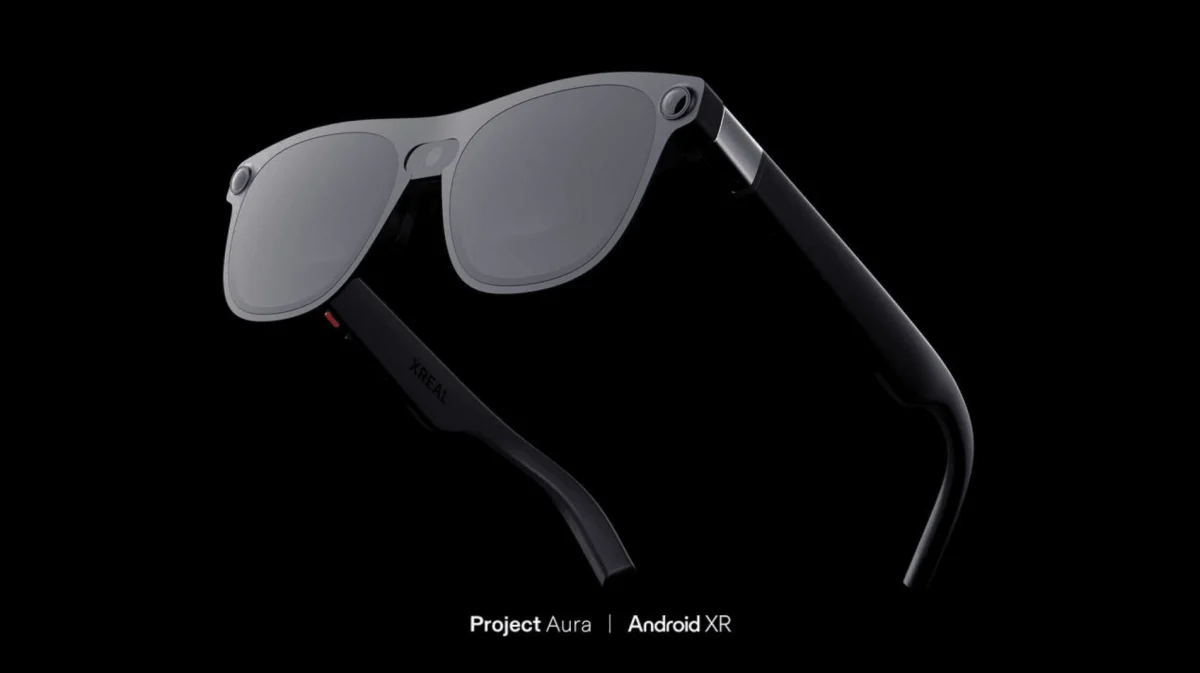
The vision of a world where digital information seamlessly overlays our physical reality, accessible through lightweight, fashionable eyewear, has captivated technologists and science fiction enthusiasts for decades. This promise of hands-free computing, liberating users from the confines of smartphones and screens, represents a significant leap in human-computer interaction. Yet, for all its allure, the smart glasses industry has proven to be an exceptionally difficult frontier, notoriously resistant to mass-market adoption and a drain on investor capital. For years, the sector has resembled a financial vortex, swallowing immense investments from tech giants and startups alike with little to no tangible return.
"Everyone is experiencing financial losses in this sector," acknowledged Chi Xu, the founder and CEO of Xreal, a company deeply integrated with Google’s ecosystem. His comments, shared at Google’s recent I/O conference in Mountain View, underscore the persistent challenges plaguing the industry. Xu was there to showcase Project Aura, Xreal’s latest endeavor to craft functional extended reality (XR) glasses that genuinely appeal to consumers. "What we are attempting to achieve here is incredibly complex," he elaborated, highlighting the intricate engineering and design hurdles inherent in the technology.
A Decade of Disappointments and Daring Ventures
The journey of smart glasses from futuristic concept to consumer product has been fraught with missteps and unfulfilled prophecies. Early attempts to bring wearable augmented reality (AR) to the mainstream were met with a mix of excitement and skepticism. The most prominent example remains Google Glass, launched in 2013. Heralded as a revolutionary device, it offered notifications, navigation, and photo capabilities directly in the user’s field of vision. However, its bulky design, high price point, limited battery life, and significant privacy concerns – leading to the derogatory term "Glassholes" – ultimately hindered its consumer viability. Google Glass eventually pivoted to an enterprise-focused tool, finding niche applications in manufacturing and healthcare, a testament to the technology’s potential but also its struggle for general acceptance.
Following Google’s initial foray, numerous other players entered the arena, each hoping to crack the code. Microsoft developed HoloLens, a more sophisticated, self-contained holographic computer, but positioned it primarily for industrial and professional applications due to its cost and form factor. Magic Leap, a startup that garnered billions in funding from major investors like Google and Alibaba, promised a groundbreaking "mixed reality" experience but faced significant criticism for failing to deliver on its ambitious claims upon its eventual product launch. Even social media giant Snap experimented with camera-equipped Spectacles, which offered limited AR features but primarily served as a hands-free photo and video capture device, never truly evolving into a comprehensive smart glass platform.
These ventures, despite their technological advancements, consistently encountered a similar set of obstacles: uncomfortable and socially conspicuous designs, insufficient battery life, prohibitively high costs, and a lack of compelling, intuitive software experiences that justified their existence in everyday life. The dream of a lightweight, stylish device that seamlessly augments reality remained elusive, largely confined to prototypes and niche enterprise deployments.
The Technical and Social Hurdles
For much of its existence, the smart glasses industry has grappled with fundamental problems that have prevented widespread adoption. From a technical standpoint, the miniaturization required to fit powerful processors, high-resolution displays, and long-lasting batteries into a glasses frame without making it cumbersome or unattractive has been a monumental engineering challenge. Achieving a wide field of view (FOV) with bright, clear optics, while simultaneously managing heat dissipation and power consumption, presents a complex trade-off matrix. Early devices often suffered from narrow FOVs, dim displays, and short battery life, creating a subpar user experience.
Beyond the hardware, the software ecosystem and user interface design have been equally critical. A truly useful smart glass experience requires more than just displaying notifications; it needs intuitive interaction methods, a robust app library, and seamless integration with existing digital services. Many initial attempts felt like glorified smartphone screens strapped to one’s face rather than genuinely innovative computing platforms.
Perhaps the most significant hurdle, however, has been social acceptance. Wearable technology, particularly on the face, invites scrutiny. Privacy concerns, especially regarding integrated cameras, have led to public apprehension and resistance. Furthermore, the aesthetics of early smart glasses often clashed with contemporary fashion sensibilities, making users feel self-conscious rather than empowered. For a device meant to be worn daily, blending seamlessly into social environments is paramount.
Now, however, a sense of cautious optimism is permeating the industry. Insiders, including Xreal’s Chi Xu, suggest that the sector may be on the cusp of an inflection point. This renewed hope is partly fueled by recent developments, particularly Meta’s 2023 collaboration with Ray-Ban. This partnership introduced a line of smart glasses that, for the first time, achieved significant sales volumes, demonstrating a latent consumer demand when form factor and brand appeal are successfully addressed. While Meta’s Reality Labs division, responsible for these glasses, continues to operate at a substantial financial loss, the commercial traction of the Ray-Ban collaboration signals a potential shift in consumer willingness to embrace such devices, provided they offer a balance of style and functionality.
Xreal’s Strategic Pivot with Project Aura
Against this backdrop, Xreal, formerly known as Nreal, is making a determined push to lead the charge. The company has a history in the AR space, having released several iterations of tethered AR glasses, often focusing on media consumption and productivity. Their long-standing partnership with Google is a crucial asset, providing access to Google’s vast software ecosystem and Android operating system, which is vital for building a compelling user experience.
Xu believes that the stars are finally aligning for smart glasses, citing improvements across the entire technological stack. "You require all the fundamental elements to be prepared," Xu stated. "The hardware must be ready, the operating system needs to be mature, and an exceptional user interface is indispensable." Xreal’s Project Aura represents their latest attempt to bring these disparate elements together into a cohesive and appealing package.
Project Aura introduces a new generation of wired smart glasses featuring high-resolution OLED displays embedded directly within the frames. This design choice allows for stunning visual clarity and vibrant colors, making it suitable for high-definition video consumption. A notable characteristic of Aura is its tethered connection to a "puck"—a small, phone-shaped mini-computer that serves as the primary processing unit and power source for the glasses. This design decision is a calculated trade-off. While the tether introduces a minor inconvenience, requiring users to carry the puck (which can ostensibly be slipped into a pocket), it significantly reduces the bulk and weight of the glasses themselves. By offloading complex computation and battery capacity to an external unit, Xreal can achieve a much sleeker, more comfortable, and lighter form factor for the eyewear, addressing one of the industry’s perennial complaints. This approach mirrors the early days of virtual reality headsets, which relied on powerful desktop PCs for their processing needs before standalone units became more capable.
Unpacking the Aura Experience: Hardware and Software
The benefits of Aura’s "puck" architecture extend beyond just aesthetics. By providing a dedicated and powerful compute unit, the glasses can deliver a wider array of immersive and interactive experiences. Among the touted features are an immersive Google Maps application, transforming navigation into an intuitive, overlaid visual guide; VR YouTube videos, offering a personal cinema experience; and a unique "painting app" that leverages advanced hand tracking to allow users to create holographic imagery visible only through the glasses. This blend of augmented and virtual reality capabilities positions Aura as a versatile XR device.
Further functionalities include interactive games, also playable via precise hand tracking, and basic web surfing, offering a truly hands-free internet experience. The company emphasizes the seamless nature of these interactions: "Whether you’re following a dynamic recipe while preparing a meal, establishing a private workspace in a public setting like a coffee shop or during a flight, or enjoying a film on a virtual large screen at home, the experience is designed to be effortless," Xreal promises.
Xu envisions Aura extending its utility beyond casual entertainment. He foresees significant adoption among professionals, transforming daily tasks. "It’s not merely about experiencing an NBA game in a holographic format; you could also utilize it for productive work in various environments," he elaborated, suggesting use cases such as virtual private screens for sensitive data in public, or augmented instructions for field service technicians. This dual focus on consumer entertainment and professional productivity broadens Aura’s market appeal and potential for real-world integration.
Navigating the Path to Commercial Viability
Currently, Project Aura is primarily available to developers, allowing them to build out the crucial application ecosystem before a wider consumer launch. The plan is for commercial availability later this year, a critical step in Xreal’s journey towards profitability and market leadership. The company is also reportedly preparing for an initial public offering (IPO) expected before the end of 2026, though Xu remained tight-lipped on the specifics. This IPO ambition signals significant confidence in their technology and market strategy.
Achieving profitability, however, remains a formidable challenge in this capital-intensive sector. Xu acknowledged the intense pressure, stating that Xreal has been diligently working to improve its gross margins while simultaneously reducing marketing and sales expenses. "Next year is the pivotal year when we anticipate reaching the break-even point," he projected, indicating a clear roadmap towards financial sustainability. This focus on operational efficiency and cost control is crucial for any hardware company in a nascent market, especially one that has historically seen significant losses.
The Road Ahead: Challenges and Opportunities
The smart glasses industry, despite its recent stirrings, still faces substantial hurdles. While form factors are shrinking and software is improving, the ultimate goal of truly ubiquitous, fashionable, and powerful AR glasses that completely replace or significantly augment the smartphone remains years away. Battery life, sustained processing power for complex AR experiences, and the development of a truly killer application that drives mass adoption are ongoing challenges. Social acceptance, though improving with more stylish designs, will continue to be a factor.
Xreal’s strategy with Project Aura, emphasizing a lightweight headset tethered to a powerful external puck, represents a pragmatic approach to bridging the gap between current technological capabilities and consumer expectations for comfort and style. It allows for a more advanced AR experience today without waiting for years for full technological convergence into a single, sleek frame. The success of this approach will depend heavily on the seamlessness of the puck integration, the robustness of the developer ecosystem, and Xreal’s ability to deliver on its promise of intuitive and compelling applications for both work and play.
As the industry continues to evolve, Xreal’s close ties with Google and its strategic focus on a balanced hardware-software solution position it as a significant contender. The journey from sci-fi dream to everyday reality for smart glasses is a long and arduous one, but with companies like Xreal pushing the boundaries, the future of wearable computing appears closer than ever.





 Azin Asro