Amir Mahmud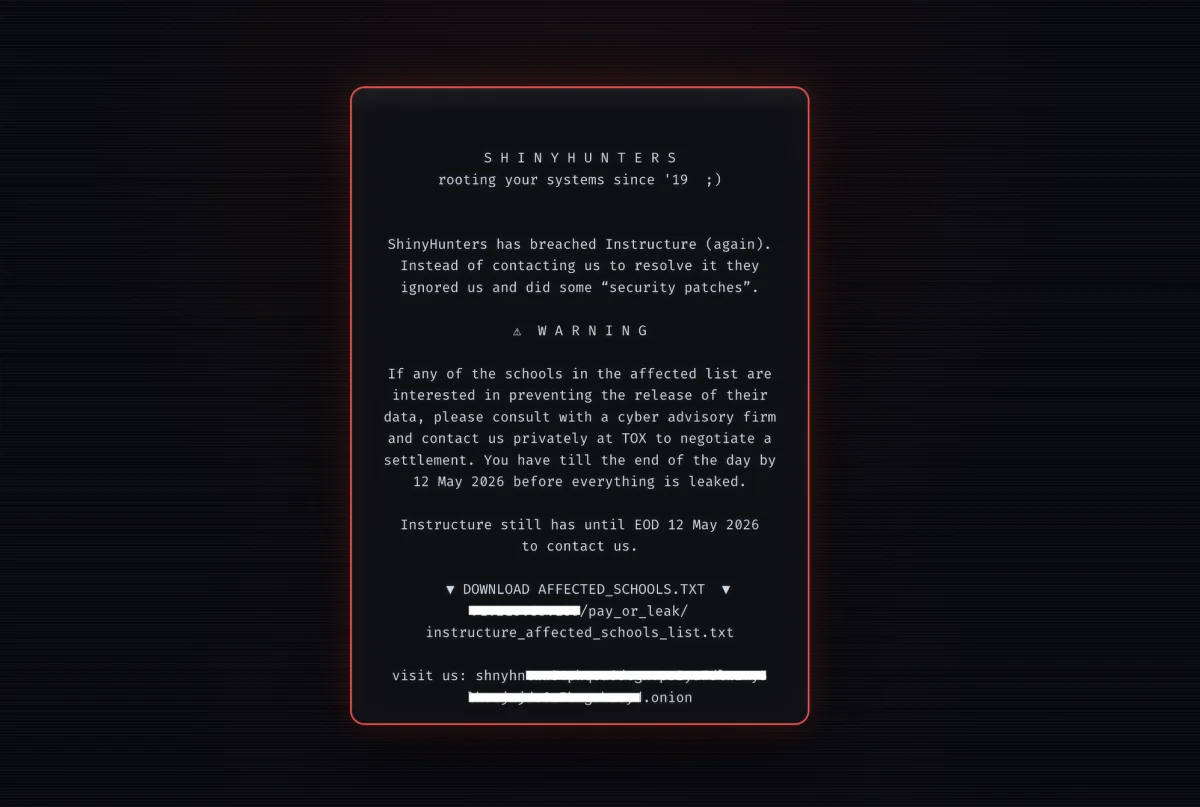
The landscape of global security is increasingly defined by its digital dimension, where cyber warfare and sophisticated data breaches have moved from the periphery to become central narratives. As the current year unfolds, the relentless drumbeat of digital attacks underscores a profound shift: cybersecurity is no longer merely an IT department concern but a critical geopolitical and societal challenge, deeply interwoven with international conflicts, economic stability, and individual privacy. While conventional crises persist—from ongoing military engagements to environmental degradation and public health threats—a potent undercurrent of digital aggression silently permeates every aspect of modern existence. This includes sophisticated cyber offensives launched alongside physical warfare, governmental exploitation of citizen data, insidious botnet operations undermining democratic processes, nation-state actors targeting vital civilian infrastructure, and organized ransomware syndicates holding institutions hostage for exorbitant payouts. These malicious acts are growing in audacity, destructive capability, and their sheer difficulty to contain, posing an existential threat to interconnected societies.
This mid-year review delves into some of the most impactful cyber incidents observed, examining their immediate consequences and the potential long-term repercussions for individuals, governments, and global enterprises. Each incident serves as a stark illustration of the evolving threat matrix and the urgent imperative for enhanced digital resilience.
Federal Agency Restructuring Ignites Unprecedented Data Security Crisis
The aftermath of a controversial initiative, known as the Department of Government Efficiency (DOGE), continues to unravel, revealing profound vulnerabilities within federal data management. A year following its operatives’ widespread internal penetration and restructuring of various federal agencies, questions persist regarding the security of the nation’s most sensitive information. DOGE, spearheaded by prominent figures, was ostensibly established to streamline government operations, yet its tumultuous tenure has been mired in controversy and allegations of data mismanagement.
The most alarming claims revolve around the Social Security Administration (SSA), where a whistleblower alleged that DOGE uploaded a live, comprehensive copy of the Social Security database to an unsecure third-party server. This database, if compromised, would contain the Social Security numbers and associated personal identifiers for a substantial majority of living American citizens. The sheer volume and sensitivity of this data make its potential exposure a catastrophic event, far exceeding previous government data breaches in scale. Federal court filings indicate that the SSA itself cannot definitively confirm the contents of the server, only acknowledging that DOGE entered into an agreement with an external political advocacy organization. The stated purpose of this agreement was to unearth evidence of voter fraud, a claim that has been repeatedly advanced by political figures without substantiating evidence.
The potential misuse of such an extensive dataset is a grave concern, ranging from widespread identity theft and financial fraud to politically motivated targeting of individuals. Experts caution that access to Social Security numbers, dates of birth, and other personal information could enable sophisticated phishing campaigns, impersonation schemes, and even the creation of synthetic identities, making it exceedingly difficult for victims to recover. Furthermore, the political context surrounding the data handling raises alarms about the weaponization of personal information for partisan purposes, potentially eroding public trust in governmental data stewardship. Congressional leaders, specifically top House Democrats investigating DOGE’s activities, have unequivocally stated that the potential exposure of the Social Security database "could very well be the largest data breach in our nation’s history," a declaration that resonates with the gravity of the 2015 Office of Personnel Management (OPM) breach, which exposed sensitive data of millions of federal employees. The ongoing legal battles and investigations underscore the unprecedented nature of this incident, blurring the lines between policy reform and national security vulnerability.
Critical Infrastructure Under Siege: A New Era of State-Sponsored Digital Sabotage
A disturbing pattern has emerged across Europe, marked by a surge in cyberattacks targeting critical civilian infrastructure, particularly energy and water supply systems. This escalation signifies a troubling shift in geopolitical conflict, where digital disruption now directly threatens public safety and essential services. Many of these sophisticated attacks have been attributed, at least in part, to Russian state-sponsored actors, indicating an expansion of hybrid warfare tactics beyond traditional military engagements.
Late last year, Poland’s national energy grid was subjected to a debilitating cyberattack involving computer-destroying malware, capable of rendering systems inoperable and causing widespread power outages. Concurrently, a Swedish thermal power plant faced a similar assault, while a Norwegian dam experienced a calculated cyber intrusion that resulted in the unauthorized release of a significant volume of water, illustrating the tangible, real-world consequences of digital interference. Earlier this year, Polish water treatment plants were again targeted, underscoring Russia’s continued antagonistic posture in the digital realm. These incidents are not isolated; they align with a broader historical trend of nation-states leveraging cyber capabilities to project power and destabilize adversaries, reminiscent of attacks on Ukraine’s power grid in 2015 and 2016.
The implications of these actions extend far beyond immediate disruption. They raise serious questions about international norms in cyberspace and the potential for unintended escalation. Critical infrastructure, often comprising a complex mesh of legacy operational technology (OT) and modern information technology (IT), presents a particularly vulnerable target. Underinvestment in robust cybersecurity measures, especially in privately owned utilities, exacerbates these risks. The ongoing conflict in the Middle East has further intensified these threats, with warnings that Iranian state-affiliated hackers are now actively targeting critical infrastructure within the United States. Privately operated water utilities, in particular, are identified as "soft targets" due to their often-limited cybersecurity budgets and less mature defense postures, leaving communities susceptible to potentially catastrophic service interruptions or contamination. The strategic impact of such attacks is immense, capable of sowing widespread panic, crippling economic activity, and undermining public confidence in essential services.
Destructive Cyber Warfare: Iranian State Actors Target U.S. Medical Technology
In a significant escalation of cyber tactics, a U.S. medical technology company, Stryker, experienced a destructive cyberattack in March, attributed to Iranian government hackers. This incident marked a notable departure from traditional Iranian cyber operations, which historically focused on espionage and hack-and-leak campaigns aimed at political gain. The attack saw the intruders remotely wipe tens of thousands of employee devices simultaneously, causing extensive operational disruption that lasted for several days.
The choice of a medical technology firm as a target highlights the broadening scope of cyber warfare to include sectors vital for civilian well-being. Stryker, a major player in the global medical device market, provides essential equipment and services to healthcare providers worldwide. The disruption to its operations had a tangible impact on its first-quarter earnings, demonstrating the direct financial consequences of such a sophisticated attack. Beyond the financial toll, such an incident could potentially affect the supply chain of critical medical devices, indirectly impacting patient care and public health, though the specific details of any such downstream effects were not immediately clear.
U.S. government agencies swiftly attributed the hacking group responsible for the breach to an arm of Iranian intelligence. This attribution underscores the growing willingness of nation-states to employ highly disruptive cyber tactics against civilian targets, moving beyond mere data theft or intelligence gathering. Such destructive attacks serve as a potent form of retaliation or deterrence in the context of ongoing geopolitical conflicts, such as the war in the Middle East involving the U.S., Israel, and Iran. The incident serves as a stark reminder that cyber warfare is evolving, with adversaries increasingly willing to inflict physical and economic damage through digital means. It also poses significant challenges for international policymakers in establishing norms of behavior in cyberspace and deterring such aggressive actions.
The Human Factor: Social Engineering and Ransomware Disrupt Education and Commerce
The cybercrime syndicate known as ShinyHunters has continued its prolific campaign of digital extortion, leveraging deceptively simple yet highly effective social engineering techniques, particularly voice phishing (vishing), to breach numerous organizations. This English-speaking group has mastered the art of human manipulation, impersonating IT support staff or employees experiencing password issues to trick unsuspecting personnel into divulging sensitive credentials or granting unauthorized access to internal systems. The widespread success of these tactics underscores the persistent vulnerability of the "human element" in even the most sophisticated cybersecurity defenses.
Few organizations understand the devastating impact of a ShinyHunters intrusion better than Instructure, a leading education technology provider. The hackers successfully breached the company’s flagship learning management system, Canvas, compromising the private data and personal information of over 30 million students and staff. This incident raised immediate concerns about student privacy, the security of academic records, and the integrity of digital learning environments, which have become indispensable in modern education. When Instructure initially refused to meet the hackers’ ransom demands, ShinyHunters escalated their attack, breaking back into the systems and defacing the Canvas login screens. This second, highly disruptive act occurred during a critical period of school finals, causing widespread chaos and interrupting exams for countless students across the United States. Faced with severe operational paralysis and mounting pressure, Instructure eventually capitulated and paid the ransom, despite advice from the FBI to resist such payments, highlighting the agonizing dilemma companies face when confronted with such sophisticated extortion.
The impact of ShinyHunters’ campaigns extends far beyond education. The group has been implicated in some of the largest data breaches by record count, demonstrating its broad reach and consistent success. These include the compromise of approximately 40 million customer records from internet service provider Charter and at least 6 million customer records from cruiseliner Carnival. The syndicate has also targeted institutions in higher education, financial services, and even government sectors, showcasing the pervasive threat posed by organized cybercriminal groups adept at exploiting human vulnerabilities for financial gain. The repeated success of social engineering tactics underscores the urgent need for comprehensive employee training, robust multi-factor authentication, and resilient incident response planning across all sectors.
The Digital Supply Chain: A Critical Vulnerability for Global Technology
A series of interconnected and often overlapping cyberattacks targeting open-source software developers has exposed a fundamental vulnerability within the global technology ecosystem: the software supply chain. These sophisticated campaigns have resulted in significant compromises affecting major technology companies and, by extension, their vast customer bases. The attacks leverage the inherent trust placed in open-source components, which are widely used across almost all modern software applications.
Prominent cybersecurity firms and widely adopted open-source projects have fallen victim. Tools like Aqua Security’s Trivy scanner, the popular password manager Bitwarden, and security analysis platform Checkmarx, alongside other critical open-source initiatives, were compromised. Attackers cunningly embedded malicious code, or "backdoors," into legitimate software packages. When developers or organizations downloaded and installed these tampered versions, or when their existing software auto-updated, the malware gained access to their systems. This allowed the hackers to steal sensitive credentials, API keys, and other tokens, which are crucial for accessing various internal systems and services.
This initial compromise served as a springboard for further, downstream attacks. The stolen credentials were then used to infiltrate other major technology companies that rely on the compromised open-source software in their own operations. Notable victims include artificial intelligence giant OpenAI and leading web hosting provider Vercel, demonstrating the cascading effect of supply chain attacks. The inherent interconnectedness of modern software development means that a single vulnerability or compromise in an open-source component can ripple through countless applications and organizations. This phenomenon was famously illustrated by the SolarWinds attack, which impacted numerous government agencies and corporations, and the Log4j vulnerability, which affected millions of applications globally. The constant barrage of new supply chain vulnerabilities and attacks underscores the precarious position of the open-source world, which, despite its collaborative strength, remains a highly attractive and vulnerable target within the broader tech landscape. Securing the supply chain requires a holistic approach, encompassing rigorous code review, dependency scanning, and comprehensive software bill of materials (SBOM) management.
National Security Compromised: FBI’s Surveillance Systems Breached
In a deeply concerning incident that reverberated through national security circles, the U.S. Federal Bureau of Investigation (FBI) was compelled to declare a "major cyber incident" in April. This declaration, legally mandating disclosure to Congress, followed the identification of a compromise within one of its sensitive surveillance systems. The breach, reportedly attributed to Chinese state-sponsored espionage, potentially exposed highly confidential information, including the phone numbers of individuals under federal surveillance.
The targeted network, though described as "unclassified," housed extremely sensitive operational data related to ongoing investigations, such as wiretap targets and pen register returns—records of outgoing phone calls and texts. The implications of such a compromise are profound, potentially endangering informants, revealing ongoing investigations, and undermining the efficacy of critical intelligence-gathering operations. For an agency at the forefront of national security and cyber defense, a breach of this magnitude represents a significant blow, raising serious questions about internal security protocols and the persistent threat posed by sophisticated nation-state adversaries.
The attribution to Chinese spies underscores the continuous, high-stakes cyber espionage conducted between global powers. Such attacks are motivated by a desire to gather intelligence, gain strategic advantage, and potentially disrupt an adversary’s capabilities. The FBI’s decision to notify Congress implies that the incident met a threshold of causing "demonstrable harm" to U.S. national security, indicating the severity of the potential fallout. This incident serves as a stark reminder that no entity, regardless of its security posture or mission, is immune to determined and well-resourced state-level cyber threats. It highlights the constant battle in cyberspace, where even the most secure agencies must continually adapt to evolving tactics and persistent threats.
Corporate Resilience Tested: Hasbro’s Prolonged Downtime Highlights Business Risks
The venerable toymaker giant, Hasbro, provides a compelling contemporary case study of the far-reaching consequences when a major corporation is inadequately prepared for a significant cybersecurity incident. In late March, the 103-year-old company discovered hackers within its systems, triggering an extensive and prolonged disruption that saw its primary website rendered unavailable and its ability to serve customers severely hampered for several weeks.
Hasbro, a global powerhouse behind iconic brands like Transformers, Peppa Pig, and Dungeons & Dragons, has remained largely tight-lipped about the specifics of the incident, including whether any data was exfiltrated or if a ransom payment was made. However, the sheer duration of the operational downtime alone is expected to have a substantial negative impact on the company’s financial performance. This was explicitly indicated when Hasbro was forced to delay its financial filings, signaling the severity of the internal scramble to manage the crisis. Such disruptions can ripple through supply chains, affecting manufacturing, distribution, and ultimately, consumer availability of popular products.
While Hasbro announced by mid-May that the intruders had been successfully ejected from its systems and recovery efforts were underway, the full financial ramifications and the knock-on effects to its brand reputation and market standing are anticipated to unfold over the coming months. Experts suggest that the costs associated with incident response, system remediation, potential legal liabilities, and lost revenue could be substantial. This incident serves as a potent reminder that cyber threats are indiscriminate, targeting companies across all sectors, from cutting-edge tech firms to established consumer brands. It underscores the critical importance for all organizations, regardless of industry, to invest not only in preventative cybersecurity measures but also in robust incident response and business continuity plans to mitigate the inevitable impact of a successful attack.
Identity Crisis: Widespread Exposure of Government IDs Signals Deeper Security Flaws
The recent period has witnessed an alarming surge in large-scale data exposures involving sensitive government-issued identity documents, such as passport scans and driver’s licenses. This trend reveals a pervasive pattern of lax security practices across a diverse array of digital services that increasingly demand such personal identifiers. From a hotel check-in system that left a million passports vulnerable, to a money transfer application, a prison payphone provider, and even a UK visa service, these disparate entities collectively exposed over two million individuals’ personal documents. The overwhelming majority of these incidents stemmed from fundamental security lapses—simple misconfigurations or inadequate protections that could have been easily averted with basic cybersecurity protocols.
These massive data spills occur at a pivotal moment when "Know Your Customer" (KYC) checks are becoming standard for closed-community applications and websites, compelling users to verify their identities before access. Simultaneously, governments worldwide are advocating for and implementing age-verification laws, requiring similar identity checks for adults to access a vast expanse of online content and services. While ostensibly designed to enhance security, prevent fraud, and protect vulnerable populations, this increasing collection of sensitive personal documents by a wider array of organizations creates a paradoxical dilemma.
The more entities that collect and store such critical identity data, the larger and more attractive the targets become for malicious actors. The logic dictates that with a greater volume of identity documents exposed, the less effective these identity verification systems become, as stolen or leaked passports and driver’s licenses can be readily misused to bypass authentication checks, enabling sophisticated identity theft and synthetic identity fraud. This erosion of trust in verification systems undermines their very purpose. The continued expansion and rollout of these identity-collecting systems, without a commensurate leap in robust, standardized, and audited security practices, will inevitably lead to an even greater frequency and scale of data breaches and security lapses, posing a profound and ongoing threat to individual privacy and digital trust.
In conclusion, the first half of the year 2026 has been a stark testament to the escalating sophistication and pervasiveness of cyber threats. From nation-state-sponsored attacks on critical infrastructure and government agencies to organized cybercriminal syndicates exploiting human vulnerabilities and supply chain weaknesses, the digital realm remains a battleground. These incidents underscore the urgent need for a multi-faceted approach to cybersecurity, encompassing advanced technical defenses, comprehensive employee training, resilient incident response frameworks, and robust international cooperation to address the complex challenges of a hyper-connected world. The future of global security and societal trust hinges on our collective ability to adapt and defend against this relentless digital onslaught.