Amir Mahmud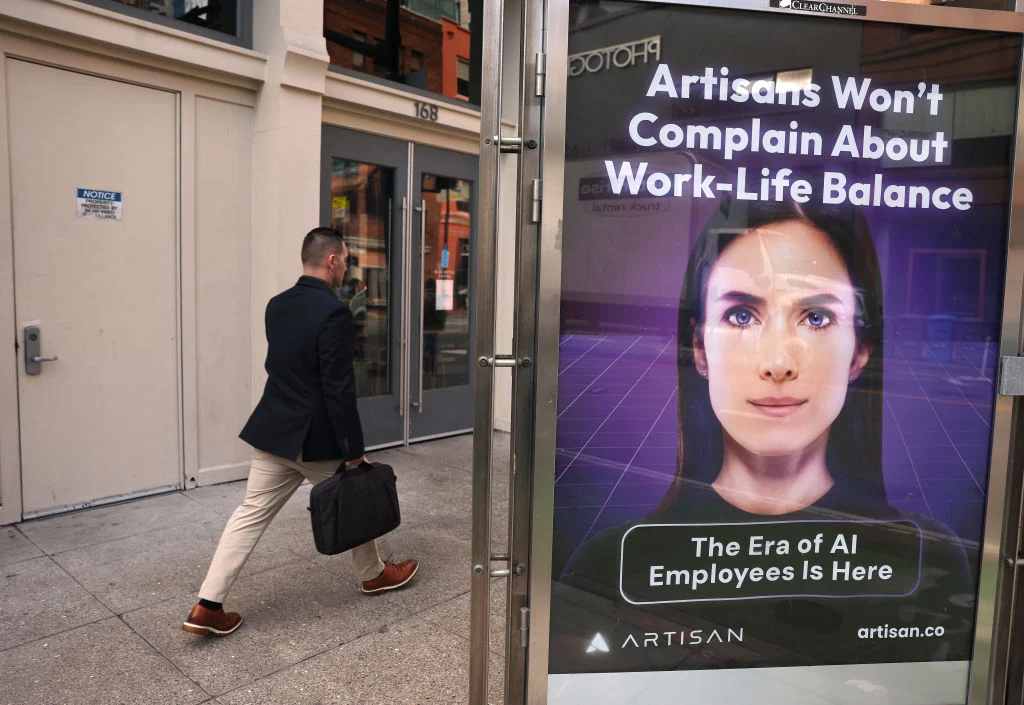
A significant resolution has been reached between acclaimed digital artist KC Green, known globally as the creator of the ubiquitous "This is fine" meme, and the artificial intelligence company Artisan. The agreement, confirmed by both parties, concludes a recent intellectual property dispute that underscored the complex challenges of copyright in an increasingly AI-driven creative landscape. This swift settlement saw Artisan remove its controversial advertisements and Green retract his initial public criticisms, marking a pragmatic end to a conflict that garnered considerable attention across social media and the tech industry.
The Genesis of a Digital Icon: "This Is Fine"
To fully appreciate the context of this dispute, one must understand the cultural phenomenon that is KC Green’s "This is fine" comic panel. Originating from his webcomic series Gunshow in 2013, the two-panel strip depicts a nonchalant dog wearing a hat, sitting calmly in a burning room, uttering the phrase "This is fine." The meme rapidly transcended its original context, evolving into a universally recognized symbol of denial, resignation, or forced optimism in the face of overwhelming problems. Its enduring relevance lies in its ability to encapsulate modern anxieties, from personal struggles to global crises, making it one of the most identifiable and frequently shared internet memes of the past decade.
Green’s creation has been used countless times to comment on everything from political upheavals and economic downturns to personal tech woes. Its power lies in its simplicity and profound resonance, making it a valuable piece of cultural shorthand. For Green, the comic is not just a widely shared image; it is an original artistic work, born from his creative labor and protected under copyright law. The widespread adoption of the meme has, paradoxically, often led to a blurring of lines regarding its ownership and proper usage, a common challenge for creators whose work achieves viral status.
The Allegation: Artisan’s Marketing Campaign
The core of the recent disagreement centered on Artisan’s promotional materials for its AI assistant, Ava. Artisan, a startup specializing in AI-powered Business Development Representatives (BDRs), had launched an advertising campaign prominently featured on buses and subways in major metropolitan areas like New York and San Francisco. These advertisements displayed an image strikingly similar to Green’s iconic dog amidst flames. However, instead of the original "This is fine" caption, the ads bore the text, "My pipeline is on fire," followed by the call to action, "Hire Ava the AI BDR."
The visual similarity was undeniable: a cartoon dog, hat, coffee cup, and the surrounding inferno were all hallmarks of Green’s original creation. While the text was altered, and the dog’s specific pose might have had subtle variations, the overall composition and thematic reference clearly evoked the "This is fine" meme. For many observers, including Green himself, this constituted a derivative work directly leveraging the established brand recognition and emotional resonance of his copyrighted art for commercial purposes without apparent permission or compensation.
A Creator’s Outcry and Industry Reaction
Upon discovering Artisan’s marketing campaign earlier in May 2026, KC Green took to social media to voice his strong disapproval. In a widely shared post, he characterized the company’s action as theft, pointedly remarking that his art had been "stolen like AI steals." He further expressed his frustration, noting the burden of potentially having to navigate the American legal system to defend his intellectual property, a process that would divert valuable time and energy away from his ongoing comic work. Green’s public statements also included a provocative call for his followers to "vandalize" the offending ads if encountered, highlighting the depth of his exasperation and the emotional toll such disputes can take on individual creators.
The artist’s outcry resonated deeply within the creative community and among advocates for intellectual property rights. Many artists, illustrators, and meme creators expressed solidarity, recognizing the common struggle to protect their work in an environment where digital content can be easily appropriated. The incident quickly became a flashpoint in the broader conversation about the ethical boundaries of corporate advertising and the respect due to original artists. Artisan, for its part, acknowledged the controversy, with CEO Jaspar Carmichael-Jack stating the company’s "respect for Green and his work" as the situation unfolded. This public acknowledgment set the stage for a rapid resolution.
The Broader Landscape: AI and Intellectual Property
This particular dispute between Green and Artisan is not an isolated incident; rather, it is emblematic of a much larger, ongoing debate at the intersection of artificial intelligence and intellectual property law. The rapid advancements in generative AI, capable of producing text, images, audio, and video, have triggered a torrent of questions about copyright infringement. Many AI models are trained on vast datasets of existing human-created content, often scraped from the internet without explicit consent, attribution, or compensation to the original creators.
Numerous lawsuits have been filed against AI companies by artists, writers, and photographers who allege that their copyrighted works were used to train these models without permission, effectively "feeding" the AI with stolen content. Major cases against companies like Stability AI, Midjourney, and DeviantArt have highlighted the legal complexities of whether the output of an AI constitutes a derivative work, whether the training process itself is infringing, and how to attribute or compensate creators in this new paradigm. These cases are testing the limits of existing copyright law, which was not designed for an era where machines can ingest and synthesize human creativity on an unprecedented scale. The legal outcomes of these disputes are expected to shape the future of both the AI industry and creative professions.
Navigating the Digital Minefield: Legal and Ethical Debates
The Green-Artisan conflict, while resolved swiftly, provided a microcosm of these larger issues. Although Artisan’s ad appeared to be a human-designed derivative rather than a direct AI-generated copy, it still leveraged the intellectual property in a manner similar to how AI might appropriate styles or content. This blurred the lines between human infringement and AI-facilitated infringement, all within the context of an AI company’s marketing.
Ethical considerations extend beyond legal definitions. Many artists argue that even if a specific use case falls into a legal gray area, the moral imperative for tech companies should be to engage with creators transparently and fairly. The perceived lack of respect for artistic labor, coupled with the immense financial backing often enjoyed by AI startups, exacerbates feelings of exploitation among artists. Conversely, AI developers often argue that their tools are transformative, creating new forms of expression and efficiency, and that training on existing data falls under fair use, similar to how human artists learn by studying the works of others. This fundamental disagreement forms the bedrock of the ongoing tension.
The Path to Resolution: A Swift Agreement
In a testament to the power of public pressure and a desire to avoid protracted legal battles, Artisan and KC Green moved quickly to find common ground. Within weeks of Green’s initial social media posts, both sides confirmed that an agreement had been reached. Green characterized the settlement as happening "pretty quick," indicating a mutual desire to de-escalate the situation.
The terms of the agreement, while not publicly disclosed in detail, stipulated that Artisan would remove the infringing advertisements from their locations in New York and San Francisco. In exchange, Green agreed to take down his initial social media post that had called attention to the alleged infringement and urged public action. This type of out-of-court settlement is common in intellectual property disputes, as it allows both parties to avoid the significant costs, time, and uncertainty associated with litigation. For Artisan, it meant mitigating reputational damage and avoiding a potentially costly legal precedent. For Green, it meant a quick cessation of the infringement and the ability to return his focus to his artistic endeavors, without the burden of a lawsuit.
Implications for Creators and Tech Firms
The resolution between KC Green and Artisan, though specific to this particular case, carries broader implications for both individual creators and the burgeoning AI industry. For artists, it serves as a powerful reminder of their intellectual property rights and the potential for collective action to protect them. It highlights that even widely disseminated internet memes, often treated as public domain by casual users, remain copyrighted works belonging to their creators, especially when used for commercial gain. The incident could empower more artists to assert their rights against perceived infringements by commercial entities, including those in the AI sector.
For AI companies and other tech firms, the agreement underscores the critical importance of due diligence in marketing and product development. It reinforces the necessity of understanding and respecting intellectual property laws, even when operating in rapidly evolving technological frontiers. Companies are increasingly facing scrutiny not only for how their AI models are trained but also for how they market and apply those technologies. Perceived ethical missteps can lead to significant public backlash, reputational damage, and potentially costly legal entanglements. This agreement might encourage more proactive licensing strategies, clearer attribution policies, and greater engagement with creators to avoid similar controversies in the future.
Looking Ahead: The Evolving IP Frontier
The "This is fine" dispute and its resolution represent a small but significant chapter in the ongoing narrative of copyright in the digital and AI age. As generative AI continues to advance, the tension between innovation and intellectual property protection will likely intensify. The legal and ethical frameworks governing this intersection are still very much in flux, with courts, legislatures, and industry bodies grappling with how to adapt existing laws to unprecedented technological capabilities.
Agreements like the one between KC Green and Artisan, even when private, contribute to a growing body of practice that can inform future guidelines and regulations. They serve as a reminder that the digital realm, while seemingly boundless, is still governed by rules of ownership and respect for creative work. The dialogue sparked by incidents such as this is crucial for shaping a future where technological progress can coexist harmoniously with the rights and livelihoods of human creators. The path forward will undoubtedly involve continued negotiation, innovation, and a collective effort to define what "fine" truly means when art meets artificial intelligence.



 Azin Asro