Amir Mahmud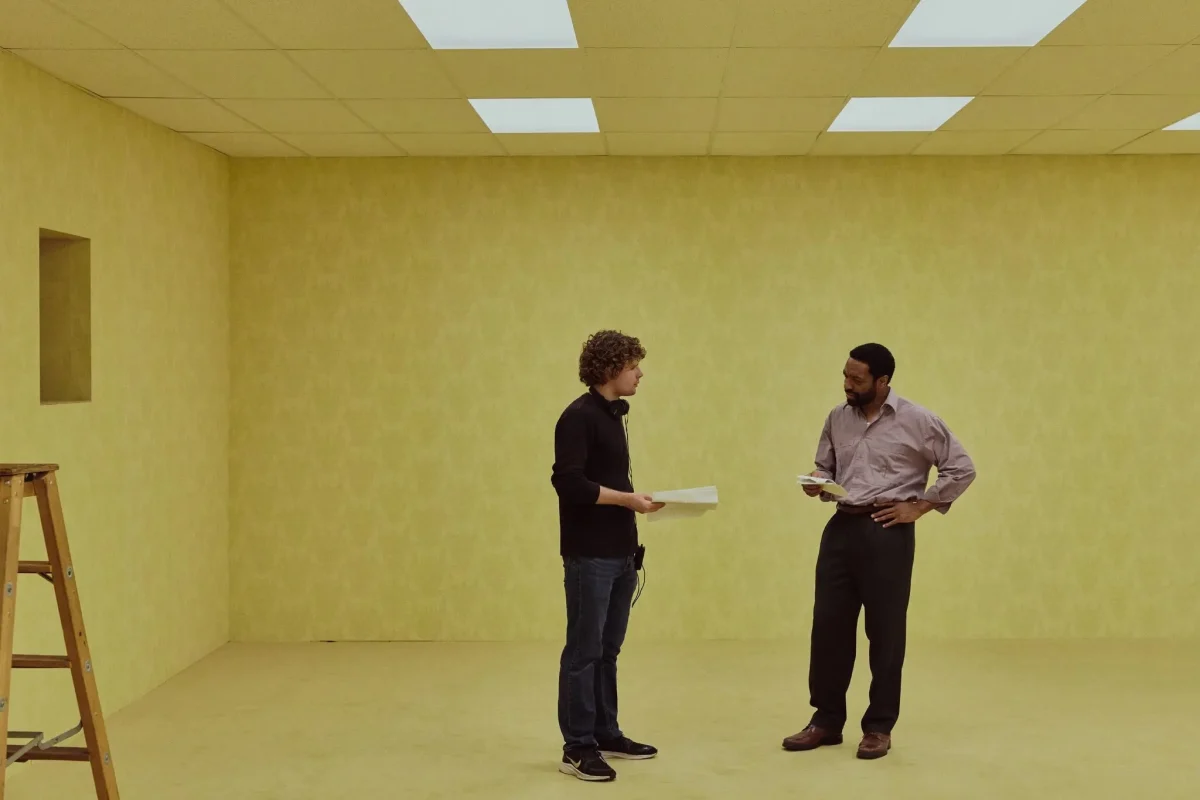
This past weekend delivered a seismic shift in the entertainment industry, as two distinct horror features, both helmed by directors who forged their creative identities on YouTube, dominated the North American box office. Their remarkable success not only shattered previous studio records but also underscored a profound transformation in how cinematic talent is discovered, cultivated, and ultimately, celebrated by mainstream audiences. The triumph of "Backrooms" and "Obsession" signals a powerful new chapter for the creator economy, demonstrating the immense potential of digital platforms to nurture formidable filmmaking voices capable of commanding significant theatrical impact.
"Backrooms": From Creepypasta to Box Office Sensation
Commanding the top position at the domestic box office this weekend was "Backrooms," a feature film expanding upon the viral YouTube video series conceptualized and directed by the then 20-year-old Kane Parsons. This cinematic adaptation of an internet phenomenon captivated audiences, generating an estimated $81 million in its opening weekend. This figure represents an unprecedented achievement for independent studio A24, vastly surpassing their previous best, "Civil War," which debuted with $25.7 million earlier this year.
The origin of "Backrooms" is deeply rooted in internet lore. The concept emerged from a 2019 thread on the anonymous imageboard 4chan, where an unsettling image of an empty, yellow-wallpapered office space, accompanied by a caption suggesting "noclip out of reality in the wrong areas and you’ll end up in the Backrooms," quickly evolved into a full-fledged creepypasta. Creepypastas are internet horror stories, often collaboratively developed and spread through online communities, distinguished by their unsettling nature and a blend of urban legend and modern digital mythology. Parsons, under his YouTube handle "Kane Pixels," began uploading a series of short, found-footage style videos in 2022, meticulously crafting a terrifying narrative within this enigmatic, liminal space that defies conventional physics. His work, characterized by its lo-fi aesthetic, masterful use of practical effects, and a chilling atmosphere, quickly garnered millions of views and established a dedicated following, showcasing a sophisticated understanding of tension and world-building that resonated far beyond the confines of YouTube. The leap from a short-form digital series to a full-length theatrical release, maintaining the unsettling essence of its viral origins, proves the power of internet-born intellectual property when handled by its original visionary.
"Obsession": A Masterclass in Sustained Momentum
Securing the number two spot was "Obsession," a psychological horror film chronicling a romantic desire gone nightmarishly awry. While its estimated weekend total of $26.4 million might appear modest compared to "Backrooms," its box office trajectory is arguably even more remarkable. In a rare display of sustained audience engagement, "Obsession" not only exceeded its first-weekend earnings in its second weekend but is projected to grow an additional 10 percent in its third frame.
This pattern defies conventional box office wisdom. Typically, wide-release films experience significant drops, often between 50 to 70 percent, in their second weekend. An exception like "Sinners" last year, which saw a less than 5 percent decline, was hailed as an extraordinary word-of-mouth triumph. The concept of a film growing its audience week-over-week, particularly outside of the holiday season, is virtually unheard of. According to industry analysis from The Hollywood Reporter, "Obsession" marks the first film since 1982 to achieve growth in both its second and third weekends, a testament to its profound impact and resonant storytelling.
At the helm of "Obsession" is Curry Barker, another prodigious talent who honed his craft on YouTube. Barker’s digital filmmaking journey culminated, prior to this feature, in the hour-long found-footage horror film "Milk & Serial," released in 2024. His work demonstrated a keen understanding of genre conventions and an ability to craft deeply unsettling narratives that resonated with a burgeoning online fanbase. Barker’s transition to the big screen has been swift and impactful; he has already completed his next feature and is slated to direct a new iteration of the iconic horror franchise, "The Texas Chainsaw Massacre," signaling a rapid ascent within the traditional studio system.
The Precedent: "Iron Lung" and the Path Forward
The groundwork for this unprecedented weekend success was laid earlier in the year with the impressive performance of "Iron Lung." This adaptation of a popular video game, directed by Mark Fischbach, widely known by his YouTube moniker Markiplier, demonstrated the commercial viability of transferring digital IP and creator loyalty to the big screen. "Iron Lung" grossed nearly $41 million domestically, providing a clear indication that a dedicated online following could translate into significant theatrical revenue. Fischbach, a prominent figure in the gaming and commentary sphere on YouTube for over a decade, brought a built-in audience eager to support his cinematic endeavor, proving that the digital creator model was not a fluke but a nascent force.
The Rise of the Digital Auteur: A New Era in Filmmaking
The collective triumph of Parsons, Barker, and Fischbach signals a pivotal moment for the entertainment industry. For decades, the path to directing a major studio film was largely through film school, assistant director roles, or independent film festival circuits. YouTube, initially perceived as a platform for amateur content, has undeniably evolved into a sophisticated incubator for cinematic talent. These creators didn’t merely upload casual vlogs; they meticulously crafted short films, experimented with visual storytelling, and developed distinctive stylistic signatures, often operating with minimal budgets and maximum creative freedom.
Mark DelVecchio, the general manager of Rutgers Cinema, observed this "YouTube-to-filmmaker boomlet," noting that while many YouTubers have attempted the leap to mainstream movies, most have fallen short. He attributes the success of Parsons, Barker, and Fischbach to their "longevity" in the digital space. Despite their relative youth—Parsons is 20, Barker 26—they have spent considerable time producing content, refining their craft, and building an authentic connection with their audience. This sustained engagement has fostered a deep sense of loyalty, a critical factor in mobilizing viewers to purchase movie tickets.
Cultivating Loyalty: The Power of the Online Fanbase
The success of these films is intrinsically linked to the concept of audience loyalty. Unlike traditional studio releases that rely heavily on expensive marketing campaigns to generate awareness, these films benefit from pre-existing, highly engaged communities. YouTube creators spend years building rapport, sharing their creative process, and interacting directly with their subscribers. This creates a powerful parasocial relationship, where fans feel a personal connection to the creator and a vested interest in their projects. When these creators announce a feature film, their audience transforms into an eager, pre-primed marketing force, amplifying messages through social media and enthusiastically showing up on opening weekend.
This phenomenon represents a significant shift in film marketing. Organic reach, driven by millions of dedicated followers across various social media platforms, can be far more effective and cost-efficient than traditional advertising buys. The demographic appeal of these films also skews younger, tapping into audiences who are digital natives and accustomed to consuming content across diverse platforms, blurring the lines between online entertainment and traditional cinema.
Hollywood’s Shifting Landscape: Embracing the Digital Age
The spectacular performance of "Backrooms" and "Obsession," alongside the prior success of "Iron Lung," serves as an undeniable wake-up call for Hollywood. For years, the traditional studio system has grappled with declining theatrical attendance and the challenge of connecting with younger audiences. The emergence of YouTube-bred filmmakers offers a compelling solution. These creators bring not only fresh perspectives and innovative storytelling techniques but also pre-established intellectual property and, crucially, an engaged fanbase.
A24, known for its discerning taste and commitment to distinctive directorial voices, seems particularly well-suited to champion this new wave of talent. Their strategy of backing unique, often genre-bending films aligns perfectly with the independent spirit and creative freedom often found in the YouTube ecosystem. This willingness to embrace non-traditional paths to filmmaking is allowing A24 to break records and redefine what constitutes a successful theatrical release. The fact that both "Backrooms" and "Obsession" collectively outgrossed "The Mandalorian and Grogu," the first Star Wars film in seven years, which is projected to earn $24 million this weekend, underscores the potent commercial viability of these digitally native narratives.
The Future of Independent Cinema
The "YouTube-to-filmmaker boomlet" may evolve into a lasting paradigm shift. The horror genre, in particular, has historically been a fertile ground for independent filmmakers due to its lower production costs, high concept potential, and strong appeal to niche audiences. The found-footage subgenre, favored by both Parsons and Barker, further reduces budgetary constraints while maximizing immersive terror, making it an ideal entry point for digitally savvy creators.
However, questions of sustainability and artistic evolution remain. While the initial success is undeniable, the challenge for these directors will be to transcend their internet origins and prove their versatility across a broader range of narratives and genres, attracting an even wider audience beyond their dedicated online followers. Nevertheless, the recent box office triumphs indicate that a new era is dawning, where the traditional gatekeepers of Hollywood are increasingly looking to the boundless, creative landscape of the internet to find the next generation of cinematic storytellers. The digital playground of YouTube is no longer just a platform for viral videos; it has become a powerful launching pad for the future architects of feature film success.





 Azin Asro