Amir Mahmud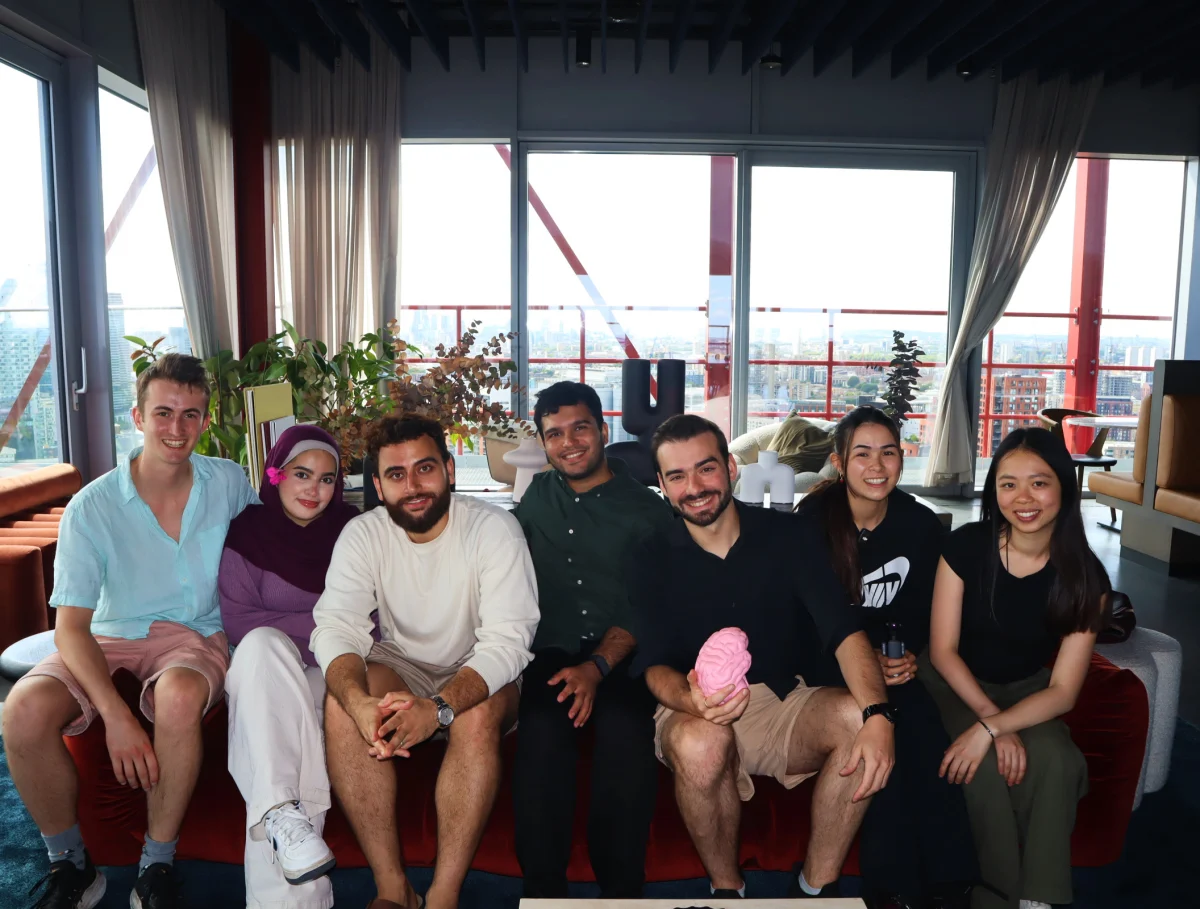
In a notable departure from the intense, often relentless pace associated with Silicon Valley’s startup ecosystem, a distinctive co-living and workspace initiative in East London is cultivating a new paradigm for tech founders. This innovative communal dwelling, known as the London Island Founder House, or simply "Lift House," is intentionally designed to be the antithesis of the archetypal San Francisco hacker house, prioritizing the holistic well-being of its residents over an exclusive focus on rapid-fire product development and fundraising deadlines. Here, the emphasis shifts from a frantic "12 weeks, Demo Day is coming" mentality to a sustained commitment to "holistic improvement in life," as articulated by Rowan Aldean, the 26-year-old co-founder.
The Genesis of Hacker Houses and the Culture of Burnout
The concept of a "hacker house" originated in the heart of Silicon Valley, emerging as an informal yet powerful incubator for technology startups. These communal living spaces, often converted residential homes or even warehouses, became synonymous with intense collaboration, late-night coding sessions, and a relentless drive towards innovation. The early days of tech giants saw many founders and engineers sharing cramped quarters, fueled by ramen noodles and an unwavering belief in their disruptive ideas. This environment fostered a unique blend of camaraderie and competition, where proximity to like-minded individuals was believed to accelerate product cycles and entrepreneurial growth.
However, this culture of intense dedication often spiraled into what is now widely recognized as "hustle culture," characterized by excessive working hours, minimal personal time, and an expectation of constant availability. Tales abound of San Francisco hacker houses operating in legally questionable premises, hosting extravagant events, or imposing extreme work regimens, such as the infamous "996" schedule (9 AM to 9 PM, six days a week). While this approach sometimes yielded spectacular successes, it also led to widespread founder burnout, mental health challenges, and a pervasive sense of exhaustion among those striving to keep pace. The pressure to secure venture capital, scale rapidly, and dominate markets often overshadowed considerations for personal health, work-life balance, or sustainable living. The psychological and physical toll of such environments has increasingly come under scrutiny, prompting a reevaluation of what truly constitutes a conducive ecosystem for long-term innovation and leadership.
Lift House: A Deliberate Counter-Narrative
Nestled within a modern East London development, its six stories facing the serene waters, Lift House represents a conscious effort to forge an alternative path. Rowan Aldean, who successfully exited his previous company last year for millions and now leads an applied AI startup, co-founded the house with his wife, Zahraa, a 22-year-old aspiring pharmaceutical research PhD candidate. They have resided there since May, just months after its official launch in March, overseeing a diverse group of twentysomethings dedicated to their entrepreneurial ventures. The name "Lift House" carries a dual significance, referencing both the building’s internal elevator and its core mission to "uplift" tech founders by fostering a supportive and balanced environment.
Unlike the numerous, often unadvertised, hacker houses scattered across San Francisco, Lift House stands out as one of London’s rare co-living spaces explicitly tailored for tech entrepreneurs. Its existence is a deliberate wager that British founders can construct thriving companies without succumbing to the performative and often self-destructive "over-the-top hustle culture" frequently observed in Silicon Valley. Aldean points to the quiet achievements of companies like DeepMind, one of London’s most successful AI firms, as evidence that groundbreaking innovation does not necessitate ostentatious displays or punishing schedules. "They’ve won Nobel prizes and built frontier innovation without any song and dance," Aldean remarked, highlighting a cultural difference he believes underpins London’s approach.
Londonmaxxing: Optimizing the UK Tech Scene
Lift House is an integral component of a broader trend dubbed "Londonmaxxing," wherein founders strategically leverage the distinct advantages and ethos of the London tech scene. This ecosystem, while equally ambitious in its pursuit of success, wealth, and market dominance, often presents itself as less ostentatious and less dominated by the "startup bro" stereotype prevalent in certain parts of the U.S. The United Kingdom’s capital has become a global hub for technology, particularly in artificial intelligence, attracting significant investment and talent.
According to Dealroom data, London-based AI startups alone secured an impressive $12 billion in funding in 2026, contributing to a total of $14.7 billion raised by all London startups. This substantial investment underscores the city’s burgeoning influence in the global tech landscape. Several companies have achieved remarkable milestones, with six firms — Wayve, Superintelligence, ElevenLabs, Recursive, Ineffable Intelligence, and Isomorphic Labs (the latter three founded by DeepMind alumni) — each raising over $500 million. This surge in AI-driven innovation has undeniably invigorated the UK tech community, inspiring a new cohort of founders, including those residing at Lift House, to pursue ambitious ventures with renewed confidence and a uniquely British perspective on entrepreneurial life.
A Commitment to Well-being and Balanced Ambition
At the core of Lift House’s philosophy is a radical commitment to a balanced lifestyle—an idea almost revolutionary by traditional San Francisco startup metrics. The living arrangements are flexible, with some residents staying for as short as a month while others plan for half a year or longer. Daily life involves communal aspects, with residents sharing cooking responsibilities and splitting cleaning duties, though they procure their own groceries. While details regarding rent were not disclosed, the shared understanding is a collective pursuit of a healthier, more integrated existence.
A cornerstone of this balanced approach is the communal journaling practice, introduced by David Amor, 28, who operates a brain coaching company aimed at optimizing business performance through cognitive understanding. These Sunday sessions encourage residents to reflect on their weekly engagement with nature, dietary habits, and physical activity levels. Luke, 27, who runs an AI-marketing company, attests to the tangible benefits of living in the house: "I’m eating healthier, working out more, and sleeping more. I always make sure to have lunch now, which is something that is simple, but I wasn’t doing before I lived here." Beyond individual routines, Tuesdays are dedicated to team volleyball, where the founders compete in a local league. Evenings often feature Wan Ying L, 25, who recently transitioned from an AI startup to develop a new concept, playing the piano in the living room. Group activities extend to board games like Catan or cultural excursions to art exhibitions. Presence Plumb, 25, a tech strategist, frequently hosts rooftop dinner parties that celebrate the diverse nationalities within the house, from Iraqi to Spanish, creating a vibrant space for invited founders, researchers, investors, and operators to discuss emerging tech trends and investment opportunities. Plumb observes that the London ecosystem fosters a "calmer, balanced, authentic" vibe, noting that people "don’t want too much of that only startup tech bro vibe. They want a bit of balance."
Individual work routines vary, yet they all integrate elements of personal well-being. Amor, for instance, starts his day by 8 AM, immediately focusing on work for a distraction-free first half, followed by a cold shower, which he credits for a "250% increase in dopamine," providing motivation and a spark. Luke begins his workday around 8:30 AM, often co-working with his co-founder Varun, 27, who travels to Lift House for their 9 AM team call. Aldean, in contrast, typically rises later, around 10 AM, unless a significant event like an "angel investor call" necessitates an earlier start.
Cultural Contrasts: The British Approach to Innovation
The distinction between the London and Silicon Valley tech cultures extends beyond daily routines. Aldean humorously notes the preference for tea over filtered coffee as a British marker, but the deeper differences are more profound. British founders, he explains, navigate a unique set of pressures, including a cultural inclination towards humility, an aversion to excessive risk-taking, and a palpable shame associated with failure. This contrasts sharply with the "fail fast, fail often" mantra often celebrated in the U.S. tech scene.
Moreover, the "tall poppy syndrome" — a societal tendency to criticize or resent highly successful individuals — is a significant factor. Investors and founders in the UK observe that media outlets might elevate an entrepreneur only to ruthlessly critique them should they become too prominent, leading some founders to be cautious about overtly showcasing their achievements. Despite these challenges, Luke emphasizes London’s advantages for early-stage founders: a robust professional network, accessible early-stage capital, and a vibrant urban environment that allows for a rich life beyond technology. He compares London’s cultural dynamics more to New York City than San Francisco in this regard, offering a broader array of interests and activities. Amor concurs, highlighting London’s diversity, which makes it easy to find engagement, "whether that’s a founder-run club, wellness events, [or going] to jazz nights."
Financial incentives also play a role. Luke and Varun have largely sidestepped traditional venture capital by leveraging the UK government’s Seed Enterprise Investment Scheme (SEIS) and Enterprise Investment Scheme (EIS). These programs are designed to stimulate angel investments in local startups by offering significant tax reliefs to investors, effectively making it financially attractive to back new ventures. This mechanism provides an alternative funding pathway compared to the often VC-dominated landscape of the U.S.
Aldean further perceives the London ecosystem as less cutthroat than the Bay Area. He recounts his experiences in a Silicon Valley hacker house where desks faced walls, fostering an environment of heads-down product building, often accompanied by a culture of gossip and rumor-spreading. In London, he senses a different dynamic, one where founders are less preoccupied with negative narratives or competitive posturing. He also posits that London startups frequently target large, established corporations as customers rather than exclusively selling to other startups. This strategic difference means that founders can build their companies without the perceived necessity of constant schmoozing or self-promotion among peers. Varun and Luke echo this sentiment, describing the U.S. market as "relatively fleeting," conducive to "quick wins," while in the UK, "it’s hard to close a customer, but if they close, they stay with you longer."
The Enduring Allure of the American Market
Despite London’s compelling advantages, the trajectory for many UK startups often leads across the Atlantic to the United States. The UK offers founders access to a pool of affordable, top-tier talent from prestigious universities like Oxbridge, and a time zone that facilitates seamless collaboration with partners and markets across Europe, the Middle East, Asia, and parts of North America. However, the U.S. market, with its status as the world’s largest economy and its abundant access to capital across all funding stages—from pre-seed to growth—remains an undeniable magnet.
Varun describes this dynamic as "almost like a factory line," where companies might "start here, and then you expand there or vice versa." The gravitational pull of American investors is significant, often manifesting as explicit demands for relocation. Luke recounts an instance where a Miami-based investor conditioned funding on their move to the U.S., a practice he identifies as "quite common." While Luke and Varun cherish their life in London, they have already initiated their U.S. expansion and acknowledge that a full relocation to be closer to their customers is a possibility they haven’t dismissed. This tension—between nurturing a vibrant local ecosystem and the global ambition that often necessitates a move to the U.S.—is a pervasive theme not just in the UK but across much of Europe’s tech landscape. As Plumb notes, many individuals are dedicated to bolstering the European ecosystem, yet Aldean observes a stark reality: "everyone is bullish on the country until they get the opportunity to leave."
The Future of Sustainable Startup Living
With approximately a year remaining on its current lease, there’s a strong collective desire among Lift House residents to sustain their unique experiment in communal living and conscious entrepreneurship. The scarcity of similar co-living hacker houses in London, beyond short-term gatherings like the Solana Hacker House series or extensions of global networks like San Francisco-based The Residency and the upcoming London version of BaseJump, underscores Lift House’s distinctive position.
A contrasting initiative from 2024, "The London Founder House," which gained attention for its unapologetic focus on relentless work ("The people here don’t want work-life balance," as covered by Sifted), ultimately wound down last year. While it left an imprint on the ecosystem through its concept and network, its stringent entry requirement of having raised at least half a million dollars highlighted a different philosophy. Lift House, by contrast, seeks residents who can demonstrate a genuine hobby outside their professional pursuits and an active interest in physical fitness. This criterion encapsulates the very promise that the "Londonmaxxing" movement offers: the possibility of truly having it all—professional success intertwined with personal well-being. Aldean encapsulates this ethos, stating, "The culture is to build something that lasts, not necessarily burn out chasing a flash." The Lift House experiment, therefore, represents a hopeful blueprint for a more humane and sustainable future in the ever-evolving world of tech entrepreneurship.