Amir Mahmud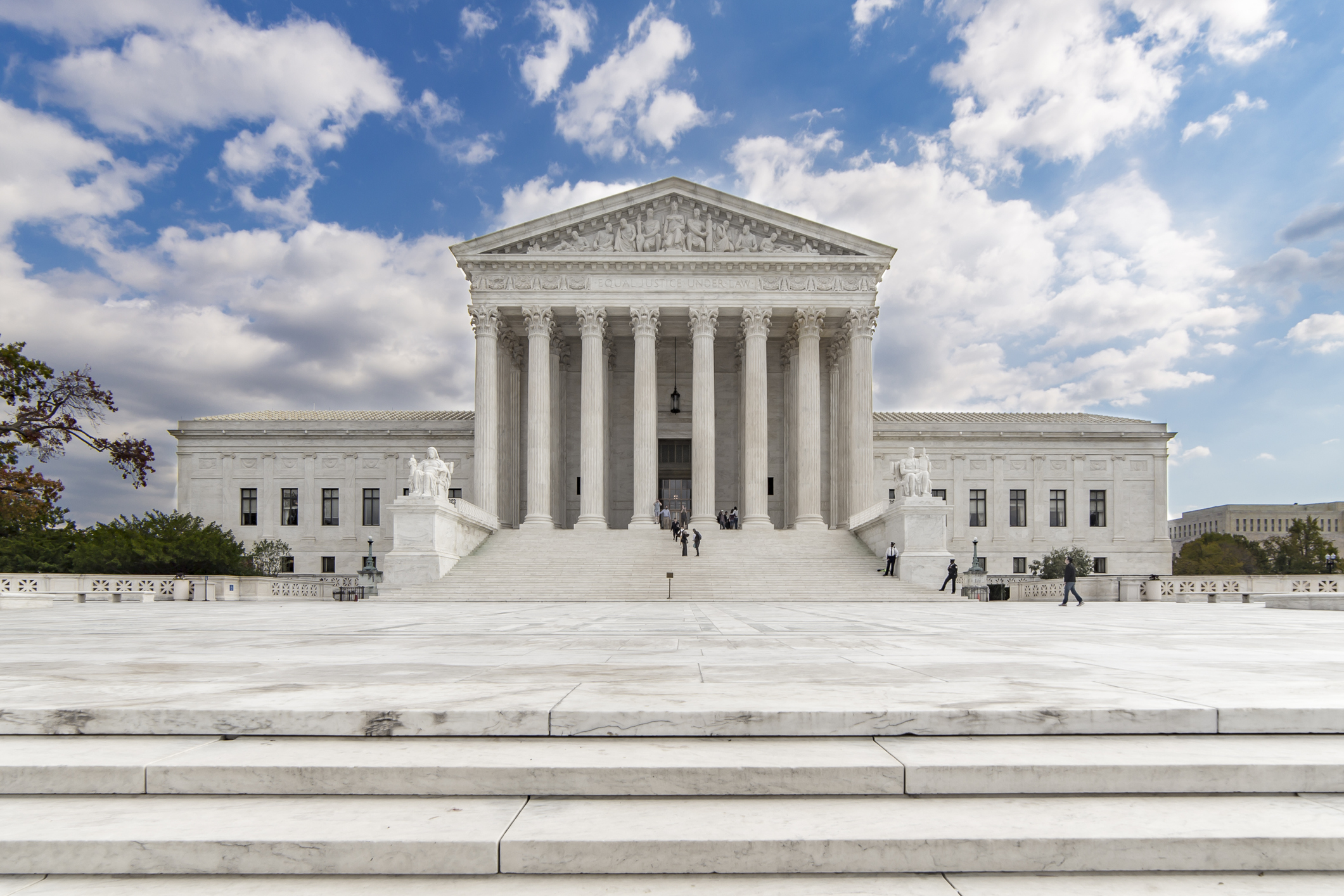
Nicholas Moore, who confessed to repeatedly infiltrating sensitive federal computer systems, including that of the U.S. Supreme Court, was recently handed a one-year probationary sentence. This decision, emerging from a case that highlighted critical vulnerabilities within government digital infrastructure, concludes a legal process that initially suggested more severe penalties for the cyber transgressions. Moore’s actions, which spanned several months and targeted multiple high-profile agencies, underscore the persistent and evolving threats facing national cybersecurity.
The Verdict and Its Ramifications
The sentencing hearing on Friday saw Moore receive probation, a lighter outcome than the year in prison and $100,000 fine in damages he initially faced. Prosecutors had originally pursued a more stringent punishment but later recommended probation, a shift that has drawn scrutiny from cybersecurity experts and the public alike. During the hearing, Moore expressed remorse, stating, "I made a mistake. I am truly sorry. I respect laws, and I want to be a good citizen." This statement, reported by The Hill, marked a pivotal moment in the legal proceedings, potentially influencing the court’s final decision. The leniency of the sentence, particularly for breaching the nation’s highest judicial body and other critical federal agencies, raises important questions about the judicial system’s approach to cybercrime and its capacity to deter future digital intrusions.
The Scope of the Digital Infiltrations
Moore’s confessed activities painted a disturbing picture of widespread digital intrusion. Beyond the nation’s highest judicial body, his targets included AmeriCorps, a vital government agency fostering civic engagement through volunteer programs, and the Department of Veterans Affairs, which is responsible for the healthcare and welfare of millions of military veterans. The method of entry was particularly concerning: Moore leveraged stolen credentials belonging to one of his victims to gain unauthorized access across these disparate federal networks. His brazenness extended to social media, where he openly bragged about his "feats" on an Instagram account named @ihackedthegovernment, even posting the personal information of those he had victimized. This public display of his illicit activities not only magnified the scope of his offenses but also highlighted a common motivator among certain types of hackers: notoriety and ego.
Background Context: A Nation Under Digital Siege
The United States government, a perennial target for both state-sponsored and independent malicious actors, operates within an increasingly complex and dangerous cyber landscape. From the earliest days of the internet, government systems have represented a high-value prize for those seeking intelligence, disruption, or notoriety. Incidents like the 2015 Office of Personnel Management (OPM) data breach, which compromised the personal information of millions of federal employees, or the more recent SolarWinds supply chain attack, illustrate the sophisticated and persistent nature of these threats. While Moore’s activities appear to stem from a different motivation—primarily self-aggrandizement, judging by his social media boasts—they nonetheless contribute to the broader narrative of digital insecurity. The constant barrage of cyberattacks has forced federal agencies to continually re-evaluate and fortify their defenses, often playing a reactive game against an ever-innovating adversary. This backdrop of ongoing cyber warfare provides essential context for understanding the gravity of Moore’s breaches, even if his methods were less sophisticated than those employed by nation-states.
The Supreme Court’s Digital Perimeter and Vulnerabilities
The U.S. Supreme Court, as the apex of the judicial branch, holds an unparalleled position in American governance. Its electronic document filing system contains not only public records but also sensitive information pertaining to ongoing cases, legal strategies, and the personal details of litigants and attorneys. The integrity and confidentiality of these systems are paramount to the functioning of justice. Historically, judicial proceedings were predominantly paper-based, with physical documents filed and stored securely. However, the digital age necessitated a swift and comprehensive shift towards electronic filing, streamlining processes but simultaneously introducing new vectors for attack. The evolution of systems like the federal Public Access to Court Electronic Records (PACER) system, which provides electronic access to court records, highlights this transition. While PACER itself is designed for public access, the internal filing systems Moore targeted would inherently contain more restricted data. A breach here could potentially undermine public trust in the judiciary’s ability to safeguard sensitive legal information, or worse, expose confidential case details that could influence legal outcomes or endanger individuals. The very foundation of legal impartiality and secrecy could be compromised, leading to a loss of faith in one of the nation’s most critical institutions.
AmeriCorps and Department of Veterans Affairs: The Human Impact
Moore’s intrusions extended beyond the judicial branch to agencies with direct and profound impacts on American citizens. AmeriCorps, often described as a domestic Peace Corps, mobilizes hundreds of thousands of volunteers annually to address pressing national challenges, from education to disaster relief. The data held by AmeriCorps includes sensitive personal information of volunteers and the communities they serve, making any breach a potential threat to their privacy and security. The Department of Veterans Affairs (VA) serves an even more vulnerable population: the millions of men and women who have served in the U.S. armed forces. The VA maintains vast databases containing highly confidential medical records, financial information, and personal identifiers for veterans and their families. A breach of the VA’s systems is not merely a technical incident; it represents a direct assault on the trust veterans place in the government to protect their most intimate data. The compromise of such information could lead to identity theft, medical fraud, or other forms of exploitation, causing significant distress and financial hardship to those who have already sacrificed so much for the nation. For these agencies, data security is not just an administrative concern; it is a matter of profound human impact and national responsibility.
Analyzing the Sentencing Decision: Deterrence vs. Rehabilitation
The decision to sentence Nicholas Moore to probation rather than imprisonment has ignited a debate within legal and cybersecurity circles regarding the appropriate balance between deterrence and rehabilitation in cybercrime cases. Judges consider numerous factors when determining a sentence, including the nature and circumstances of the offense, the defendant’s history and characteristics, the need for deterrence, the protection of the public, and the potential for rehabilitation. In Moore’s case, several elements might have swayed the prosecution’s recommendation and the court’s final judgment. The absence of direct financial gain from the hacks, Moore’s expression of remorse, and potentially his cooperation with investigators could have been viewed as mitigating factors. Experts often note that while the potential for harm from cyber breaches is immense, sentences can vary widely based on intent, the actual damage caused, and the sophistication of the attack. Some argue that a probationary sentence fails to send a sufficiently strong message to potential cybercriminals, suggesting it may not adequately deter others from attempting similar intrusions. Conversely, others might contend that for individuals like Moore, whose primary motivation appears to be notoriety rather than financial crime or espionage, rehabilitation and monitoring through probation could be a more effective path, particularly if combined with strict conditions and educational requirements. This case, therefore, serves as a litmus test for how the U.S. justice system is adapting to the complexities of digital offenses.
The Social and Cultural Impact of Cybercrime
Beyond the immediate legal and technical implications, incidents like Moore’s breach have broader social and cultural ramifications. The public boasting on social media, for instance, reflects a segment of "hacker culture" that glorifies digital trespassing and challenges authority for the sake of recognition. This phenomenon often downplays the real-world harm inflicted on victims and institutions. Such acts contribute to a pervasive sense of digital insecurity among the general populace, eroding trust in the ability of both private and public entities to safeguard sensitive information. As more aspects of daily life, from healthcare to financial transactions, migrate online, the integrity of these digital systems becomes paramount. When high-profile government systems are breached, it can foster public skepticism about the reliability of digital infrastructure and prompt citizens to question whether their personal data is truly safe in the hands of federal agencies. This cultural shift necessitates not only stronger cybersecurity measures but also enhanced public education about digital hygiene and the consequences of cybercrime, both for perpetrators and victims.
Future Implications for Cybersecurity and Policy
The resolution of Moore’s case offers valuable insights into the ongoing challenge of securing government infrastructure and prosecuting cyber offenses. For federal agencies, this incident serves as another stark reminder of the critical need for continuous vigilance, robust identity verification protocols, and mandatory multi-factor authentication across all systems. It underscores that even seemingly unsophisticated attacks, leveraging stolen credentials, can penetrate high-value targets if basic security hygiene is neglected or circumvented. From a policy perspective, the case might prompt further discussions on the classification of cyber offenses, the consistency of sentencing guidelines, and the resources allocated to federal law enforcement for investigating and prosecuting digital crimes. As technology evolves, so too must the legal frameworks designed to govern its misuse. The probationary sentence could be interpreted in various ways: as a sign of judicial compassion for a remorseful individual, or as an indication that the legal system is still grappling with how to appropriately punish and deter crimes in the digital realm. Regardless, the challenge of protecting sensitive government data from a myriad of threats—from lone actors seeking notoriety to sophisticated nation-state adversaries—remains a top national security priority, demanding continuous innovation and adaptation in both technology and law.
Conclusion
Nicholas Moore’s probationary sentence for breaching multiple U.S. federal systems, including the Supreme Court’s filing system, closes a chapter on a case that laid bare significant vulnerabilities in government cybersecurity. While the legal outcome has sparked debate, the incident undeniably reinforces the critical importance of robust digital defenses for all federal agencies. The protection of sensitive information, the integrity of governmental operations, and the preservation of public trust hinge on the ability to effectively counter an ever-present and evolving cyber threat landscape. As the nation moves forward, the lessons from this case will undoubtedly inform ongoing efforts to fortify digital perimeters and ensure accountability for those who seek to undermine them.