Amir Mahmud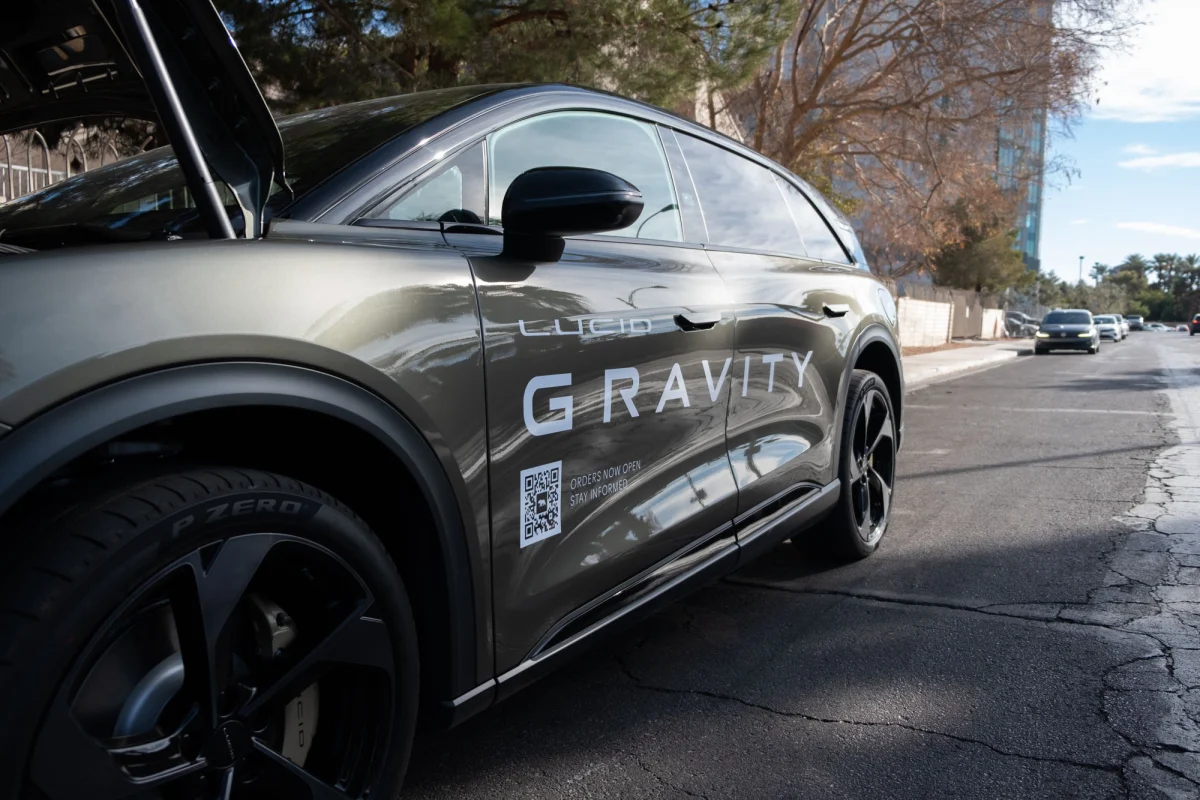
Lucid Motors, the aspiring luxury electric vehicle manufacturer, unveiled a comprehensive "operational reset" on Tuesday, signaling a critical pivot in its strategy to navigate a challenging market landscape. The multi-faceted plan, spearheaded by newly appointed CEO Silvio Napoli, is anchored by a significant $1.4 billion in projected cash reductions and a concentrated focus on three "must-win" strategic initiatives: the development of an affordable mid-sized electric vehicle, the expansion of its manufacturing footprint in Saudi Arabia, and an aggressive push into the burgeoning robotaxi sector. This aggressive overhaul comes as the company seeks to stem substantial financial losses and establish a sustainable path to profitability.
The Turnaround Architect and His Candid Assessment
Silvio Napoli, who assumed the CEO role recently, wasted no time in delivering a stark, unvarnished assessment of Lucid’s operational shortcomings during his inaugural quarterly earnings call. His directness underscores the urgency of the situation. "The way we operate has to change," Napoli declared, acknowledging that despite pioneering innovations and high-quality products, the company has "disappointed on several fronts, and for far too long." He cited a litany of past missteps, including inconsistent execution, missed commitments, premature product launches, underinvestment in customer service, slow responses to quality issues, and a corporate culture stifled by complexity. This candid self-evaluation sets a new tone for the company, indicating a departure from previous strategies that had struggled to deliver consistent results.
Napoli has already initiated substantial changes to reinforce this new direction. The executive leadership team has undergone a significant shake-up, with key appointments including a new chief financial officer, chief technology officer, chief customer officer, chief digital officer, and chief transformation officer. This influx of new talent and expertise aims to inject fresh perspectives and operational rigor. Furthermore, in a move to streamline decision-making and enhance accountability, Napoli has dramatically reduced the number of direct reports to his office. Beyond leadership adjustments, the company has implemented painful but necessary workforce reductions. In June, Lucid laid off 18% of its employees, approximately 1,500 individuals, following a 12% reduction just four months prior. These personnel cuts, alongside the elimination of the second production shift at its Casa Grande, Arizona factory, are projected to generate $158 million in annualized savings, underscoring the severity of the cost-cutting mandate.
Financial Realities and the Path to Stability
Lucid’s second-quarter earnings report painted a picture of a company still grappling with substantial financial challenges, despite an increase in revenue. The EV maker reported revenue of $405 million for the quarter, an improvement from $259.4 million in the same period last year. However, this growth was overshadowed by a net loss of $1.26 billion, or $3.30 per share, which widened considerably from a loss of $855.3 million, or $2.80 per share, in the prior year. These persistent losses highlight the capital-intensive nature of launching an automotive company and the immense costs associated with research, development, manufacturing, and market penetration in the highly competitive EV sector.
To address these financial hemorrhages, the $1.4 billion cash reduction plan is central to the "operational reset." This ambitious target is broken down into several key areas: a projected $500 million reduction in capital expenditures, which typically involve investments in property, plant, and equipment; anticipated savings of between $600 million and $800 million through more efficient inventory management; and a further $200 million reduction in operating expenses. If successfully implemented, Napoli assured investors that these measures would provide Lucid with sufficient liquidity to sustain operations well into 2027, building on the $3 billion in total liquidity the company reported at the end of the second quarter. This financial runway is crucial for giving the new strategy time to yield results and for assuaging investor concerns about the company’s long-term viability.
Strategic Pillar 1: The Affordable EV Frontier
A cornerstone of Lucid’s revitalized strategy is the development and eventual launch of its mid-sized electric vehicle, codenamed "Cosmos." This model, intended to be the first from Lucid’s new mid-sized platform, is designed to target a more accessible price point, starting under $50,000. However, the launch timeline for this crucial vehicle has been adjusted, now slated for next year, a delay from its original target of shipping by the end of 2026. Napoli explicitly linked this delay to a renewed commitment to quality and readiness. "Our objective is clear: Mid-size will launch only when every process and quality requirement have been met," he stated, emphasizing a departure from previous practices. "We will not repeat the mistakes of the past by bringing a product to market before it is ready."
This strategic focus on a more affordable segment is a recognition of the evolving dynamics within the broader electric vehicle market. While Lucid initially carved out a niche in the ultra-luxury segment with its Lucid Air sedan, the long-term sustainability of any EV manufacturer hinges on reaching a wider consumer base. The sub-$50,000 EV market is poised for explosive growth, representing the next frontier for mass adoption. Tesla’s success with the Model 3 and Model Y, and the influx of offerings from legacy automakers and Chinese brands, demonstrate the immense demand for capable, yet attainably priced, electric vehicles. By delaying the launch to ensure a flawless product, Lucid aims to avoid the reputational damage and financial strain that can result from early quality issues, which have plagued other startups. The "Cosmos" represents not just a new model, but a strategic imperative to expand Lucid’s addressable market beyond the confines of premium luxury.
Strategic Pillar 2: Autonomous Mobility and New Revenue Streams
Another "must-win" project in Lucid’s new playbook is its ambitious foray into the robotaxi market through partnerships with Uber and Nuro. This initiative represents a significant diversification from Lucid’s traditional direct-to-consumer luxury model, aiming to tap into new, potentially high-margin revenue streams. The program involves integrating Nuro’s advanced self-driving technology into Lucid’s Gravity SUVs, with Uber operating the premium robotaxi service via its popular ride-hailing app. Napoli expressed considerable optimism for this venture, projecting "margins vastly exceeding those of the traditional retail model."
To underscore the strategic importance of this program, Lucid has established a new business unit, Lucid Technologies, to be led by Chief Digital Officer Kai Stepper. This unit will be a hub for innovation, focusing on artificial intelligence (AI), advanced driver assistance systems (ADAS), and other digital technologies crucial for autonomous driving. The collaboration is already in motion, with a fleet of 100 vehicles currently undergoing testing in both Houston and the San Francisco Bay Area. Production validation vehicles have begun assembly at a facility in Coolidge, Arizona, with regular vehicle production for the robotaxi service slated to commence in the fourth quarter of this year, targeting a launch in late 2026.
The robotaxi market, while nascent, holds immense potential for disruption across transportation, logistics, and urban planning. Companies like Waymo and Cruise have invested billions into developing and deploying self-driving fleets, facing both technological hurdles and regulatory scrutiny. Lucid’s entry, particularly through partnerships with established players like Uber and Nuro, positions it strategically. It allows Lucid to leverage its advanced EV platform and potentially generate substantial revenue without the complexities and costs of building out its own full-stack autonomous service and ride-hailing network from scratch. This B2B model could prove to be a more capital-efficient way to monetize its technological prowess and manufacturing capabilities.
Strategic Pillar 3: Global Expansion and Manufacturing
The third critical pillar of Lucid’s strategic reset involves the completion and ramping up of its Advanced Manufacturing Plant 2 (AMP-2) in Saudi Arabia. While details on this front were less pronounced in the earnings call, its inclusion as a "must-win" project highlights its strategic importance. The Saudi Arabian Public Investment Fund (PIF) is a majority shareholder in Lucid, and the establishment of a manufacturing base in the Kingdom aligns with Saudi Arabia’s "Vision 2030" initiative, which seeks to diversify its economy away from oil, foster local manufacturing, and develop advanced technological capabilities.
The AMP-2 facility is envisioned as a significant hub for Lucid’s global production, potentially serving markets in the Middle East and beyond. A localized production facility can offer numerous benefits, including reduced logistics costs, improved supply chain resilience, and the ability to tailor products more closely to regional preferences. For Lucid, having a second major manufacturing site beyond its Casa Grande, Arizona plant is crucial for scaling production volumes, especially as it plans to introduce new models like the "Cosmos" and increase Gravity SUV output. This global manufacturing strategy is a testament to the capital and strategic backing provided by the PIF, which has proven to be a vital lifeline for Lucid’s ambitious plans.
Navigating a Volatile Market: Broader Context
Lucid’s operational reset unfolds against a backdrop of increasing volatility and intense competition in the global electric vehicle market. After years of rapid growth fueled by early adopters and significant government incentives, the market is maturing, with signs of slowing demand and escalating price wars. Legacy automakers are aggressively transitioning to EVs, while numerous startups vie for market share, leading to a crowded and challenging environment. Companies like Fisker have recently faced severe financial distress, underscoring the high stakes and razor-thin margins in the sector.
Lucid, with its focus on premium and luxury segments, faces a unique set of challenges. While its vehicles are lauded for their range, performance, and luxurious interiors, they command premium prices at a time when consumers are increasingly cost-conscious. The success of its mid-sized vehicle and robotaxi program will depend heavily on its ability to execute flawlessly and distinguish itself in a crowded market. The company’s persistent losses and the need for significant cost reductions reflect the broader pressures on EV startups to achieve scale and profitability.
Analyst Perspectives and Future Outlook
Neutral analytical commentary on Lucid’s new plan suggests a necessary, albeit challenging, course correction. Industry observers generally agree that the company’s previous spending patterns were unsustainable given its production volumes and market penetration. Napoli’s candid assessment and the decisive actions taken to streamline operations and reduce costs are viewed as positive steps toward instilling greater financial discipline. However, the execution of such an ambitious turnaround plan is fraught with risks. Balancing aggressive cost-cutting with the substantial investments required for new product development, manufacturing expansion, and autonomous technology is a delicate act.
The delay of the mid-sized vehicle, while potentially frustrating for investors eager for a higher-volume product, is largely interpreted as a prudent move to prioritize quality over speed, aiming to avoid costly recalls and reputational damage. The robotaxi venture, with its promise of higher margins, is an intriguing diversification, but the autonomous driving sector itself is still years away from widespread profitability and faces significant regulatory and technological hurdles. The success of these "must-win" projects will be pivotal in determining whether Lucid can transition from a technology innovator to a financially robust, scaled automotive manufacturer.
Furthermore, Napoli took the opportunity during the earnings call to firmly deny recent market speculation that the company had engaged consulting firm AlixPartners to consider bankruptcy options. He clarified that the firm’s engagement was "focused solely on supporting our cost-savings plan and streamlining our operations," and that their assignment was expected to conclude by the end of the month. This direct rebuttal aimed to restore investor confidence and quash rumors that could further destabilize the company’s financial standing.
In conclusion, Lucid Motors stands at a pivotal juncture. Under new leadership, the company has articulated a clear, albeit challenging, strategy to address its financial woes and carve out a sustainable future. The success of this "operational reset" will depend entirely on disciplined execution, the ability to deliver on its ambitious product and technology initiatives, and navigating the ever-evolving complexities of the global electric vehicle market. The coming quarters will be crucial in demonstrating whether Lucid can transform its vision into profitable reality.







 Azin Asro