Amir Mahmud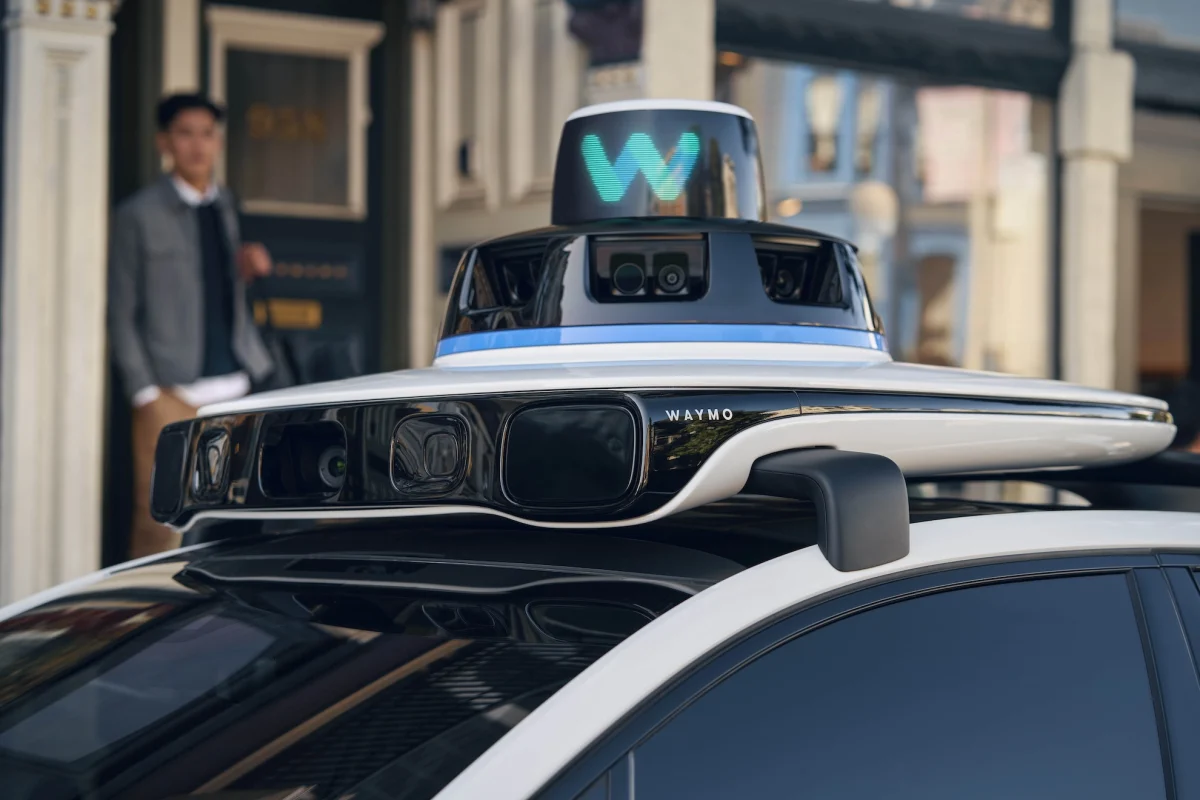
The urban landscape of Dallas is undergoing a significant transformation in personal transportation as Waymo, the autonomous vehicle subsidiary of Alphabet, has fully opened its robotaxi service to all residents and visitors. This pivotal expansion eliminates the previous waitlist, allowing anyone with the Waymo app to immediately hail a driverless vehicle within the designated operational zone, marking a substantial stride in the company’s ambitious strategy to deploy its self-driving technology across major metropolitan areas in the United States and potentially beyond.
A Decade of Autonomous Development
Waymo’s journey to this point is rooted in over a decade of pioneering research and development, tracing back to the Google Self-Driving Car Project initiated in 2009. Born from Google’s innovative "moonshot" culture, the project was among the first to bring the concept of fully autonomous vehicles from academic research labs onto public roads. The foundational work built upon earlier breakthroughs in robotics and artificial intelligence, notably inspired by the DARPA Grand Challenge, which spurred significant advancements in autonomous navigation in the mid-2000s. Waymo officially spun out as a standalone company under the Alphabet umbrella in 2016, signaling a clear intent to commercialize its technology.
From its early days of meticulous testing on the streets of Mountain View, California, Waymo adopted a phased approach to deployment. Its initial public foray began in Chandler, Arizona, a suburb of Phoenix, where it launched an "early rider" program in 2017. This program allowed select members of the public to experience driverless rides with safety operators onboard. By 2018, Waymo launched Waymo One, the world’s first fully public commercial robotaxi service in Phoenix, initially with safety drivers, eventually transitioning to completely driverless operations in certain areas. This methodical scaling, starting in a geographically straightforward and generally favorable climate, served as a crucial proving ground for the technology and its operational model.
Waymo’s Strategic Expansion Playbook
The full public launch in Dallas aligns with a consistent "robotaxi playbook" Waymo has refined through its deployments in other major U.S. cities. Following its successful establishment in Phoenix, the company progressively expanded its services to San Francisco and Los Angeles. Each new market introduction typically involves several stages: initial mapping and data collection using human-driven vehicles, followed by supervised testing with safety drivers, a limited public rollout via a waitlist or early access program, and finally, a full public launch without a waitlist. This gradual methodology allows Waymo to adapt its AI driving system to the unique complexities of each urban environment, including varying traffic patterns, road infrastructure, and local driving behaviors.
Dallas represents a significant market for Waymo, offering a sprawling urban and suburban environment with a diverse economic base. Waymo first established its presence in the city last year, initiating comprehensive testing of its autonomous technology on public thoroughfares. This period of data collection and system refinement is critical for training the AI to navigate Dallas’ specific challenges, such as its complex highway interchanges, varied street designs, and local driving nuances. During this preparatory phase, Waymo also forged a strategic partnership with Avis Budget Group, a move designed to streamline the logistical backbone of its operations. Avis is tasked with managing the fleet of all-electric Jaguar I-Pace autonomous vehicles, handling essential depot operations including charging, maintenance, and cleaning, thereby allowing Waymo to concentrate on the core development and refinement of its self-driving software and hardware. While initial reports mentioned an anticipated full launch around 2026, Waymo’s rapid progress has evidently accelerated this timeline, demonstrating increased confidence in its system’s maturity and scalability.
The Dallas service initially opened to the public in February, but access was restricted through a waitlist, mirroring the phased introduction strategy seen in other cities. During this limited access period, approximately 150,000 riders utilized the Waymo app, providing valuable feedback and helping the company fine-tune its service delivery. The decision to now drop the waitlist signifies a new level of operational readiness and capacity, enabling a broader segment of the Dallas population to experience autonomous mobility firsthand.
Navigating Urban Challenges and Overcoming Hurdles
While the expansion marks a significant milestone, the journey has not been without its challenges. The autonomous vehicle industry operates at the cutting edge of technology, often encountering unforeseen circumstances in the real world that test the limits of even the most sophisticated AI systems. In May, Waymo temporarily paused its service across several cities, including Dallas, Houston, San Antonio, and Atlanta, in response to severe weather conditions. The incident highlighted a critical aspect of autonomous driving: the profound impact of environmental factors like heavy rain and flooded roads on sensor performance and vehicle perception. Unlike human drivers who can adapt instinctively to degraded visibility and hazardous road conditions, autonomous systems rely heavily on an array of sensors—lidar, radar, cameras—which can be compromised by precipitation and standing water.
The temporary pause underscored the industry’s commitment to safety, prioritizing caution when the system’s operational design domain (ODD) is challenged. Following the incident, Waymo implemented adjustments to its software and protocols, allowing services to resume in the affected cities. The company has since reiterated its policy of potentially adjusting or temporarily pausing operations based on real-time weather alerts, flood warnings, and prevailing road conditions, ensuring rider safety remains paramount. This adaptive approach, communicated transparently through the Waymo app, is crucial for building public trust and demonstrating responsible deployment. Such incidents, while setbacks, are invaluable learning opportunities that drive continuous improvement in autonomous technology.
The Broader Implications for Urban Mobility
The full-scale deployment of Waymo’s robotaxi service in Dallas carries substantial implications for urban mobility, societal dynamics, and the broader economy. For Dallas residents, it introduces a novel transportation option that promises convenience and potentially enhanced safety. Autonomous vehicles, by design, are not susceptible to human errors such as distraction, fatigue, or impairment, which are major contributors to traffic accidents. As the service matures, it could contribute to reducing the frequency and severity of road incidents within its operational zones.
Economically, the presence of a fully autonomous ride-hailing service can ripple through various sectors. It may create new job categories in fleet management, maintenance, data analysis, and customer support, even as it redefines traditional driving roles. For businesses in Dallas, improved mobility options could facilitate better access for employees and customers, potentially boosting local commerce. Culturally, the normalization of driverless cars represents a significant shift in how people perceive and interact with transportation, moving from personal ownership and human-driven services to a more automated, on-demand model.
The expansion also intensifies the competition within the nascent autonomous ride-hailing market. While Waymo is a frontrunner, other companies like Cruise (another Alphabet-backed entity, though currently facing regulatory hurdles in some areas) and Zoox are also working to commercialize their self-driving technologies. This competitive landscape is driving innovation and accelerating the pace of development, ultimately benefiting consumers through more choices and potentially better services. However, it also highlights the fragmented regulatory environment, where each state and municipality often develops its own rules for autonomous vehicle operation, creating a complex patchwork of laws that companies must navigate. Texas, with its generally supportive regulatory framework for AV testing and deployment, has emerged as a key state for many autonomous vehicle companies.
Looking Ahead: The Future of Autonomous Transportation
The complete rollout of Waymo’s robotaxi service in Dallas is more than just a new transportation option; it is a testament to the relentless progress in artificial intelligence and robotics, and a clear signal of the future direction of urban mobility. As Waymo continues to scale, its long-term vision extends beyond ride-hailing to potentially include autonomous logistics, delivery services, and integration with public transit systems. The data gathered from millions of miles driven in diverse urban environments like Dallas will be instrumental in refining the AI’s understanding of complex driving scenarios, improving its predictive capabilities, and enhancing its ability to handle "edge cases"—rare or unusual situations that pose significant challenges for autonomous systems.
While widespread adoption across all major U.S. cities is still years away, requiring further technological advancements, regulatory harmonization, and robust public acceptance, each full-scale launch like that in Dallas brings the industry closer to a future where autonomous vehicles are a commonplace and integral part of daily life. The ongoing process of learning, adapting, and expanding will continue to shape the trajectory of self-driving technology, promising a potentially safer, more efficient, and more accessible transportation ecosystem for generations to come.