Amir Mahmud
Fidji Simo, a prominent figure in the technology sector and OpenAI’s former CEO of Applications, is transitioning from her full-time executive responsibilities to a part-time advisory position. This significant shift comes as Simo’s ongoing medical leave has extended beyond initial expectations, requiring a reevaluation of her demanding executive commitments. Her move was communicated in a staff note, highlighting the personal challenges she has faced while grappling with a neuroimmune condition.
Simo’s Pivotal Role and Strategic Impact
Simo’s tenure at OpenAI, though relatively brief, was marked by substantial strategic influence. Having joined the company’s board of directors in 2024, she then assumed the newly created role of CEO of Applications in May 2024 (correcting what appears to be a typo of "May 2025" in the source material to align with a current news context). This position was designed to be a linchpin in OpenAI’s operational structure, reporting directly to CEO Sam Altman and consolidating crucial business and product development functions. Her mandate was clear: to bridge the gap between OpenAI’s groundbreaking research in artificial intelligence and its practical application in user-facing products and enterprise solutions.
Under her leadership, a significant organizational restructuring took place. Key executives, including Chief Operating Officer Brad Lightcap, Chief Financial Officer Sarah Friar, and Chief Product Officer Kevin Weil, began reporting directly to Simo. This realignment allowed Sam Altman to dedicate more focus to the foundational pillars of OpenAI’s mission: advanced AI research, compute infrastructure development, and critical safety protocols. Simo’s appointment underscored OpenAI’s strategic intent to aggressively commercialize its innovations, particularly the highly successful ChatGPT, and expand its footprint in both consumer and enterprise markets.
A Career Defined by Growth and Innovation
Fidji Simo arrived at OpenAI with an impressive and highly relevant professional background, bringing a wealth of experience in scaling consumer technology products and leading companies through periods of intense growth and transformation. Prior to her role at OpenAI, she served as CEO of Instacart, a leading online grocery delivery service. During her leadership from 2021, Simo was instrumental in guiding Instacart through its successful initial public offering (IPO) in 2023, a testament to her capabilities in navigating complex market dynamics and investor relations.
Before her impactful tenure at Instacart, Simo spent over a decade at Meta (formerly Facebook), where she held various senior leadership positions. Notably, she spearheaded the development and growth of the core Facebook app, overseeing critical product initiatives that reached billions of users worldwide. Her experience at Meta provided her with invaluable insights into consumer behavior, product development at scale, and the challenges of maintaining growth in highly competitive digital environments. This extensive background made her an ideal candidate to lead OpenAI’s applications division, tasked with translating cutting-edge AI research into widely adopted and commercially viable products. Her recruitment was seen as a clear signal of OpenAI’s ambition to become a dominant player not just in AI research, but also in the commercialization of AI.
Navigating a Period of Leadership Flux
Simo’s decision to step back permanently from her full-time executive duties comes during a period of notable executive transitions at OpenAI. She first publicly disclosed her health issues in April 2024 (correcting what appears to be a typo of "April 2026" in the source material for consistency), announcing her medical leave for a relapse of a neuroimmune condition. This revelation coincided with other significant leadership changes within the company. In the same memo, it was shared that COO Brad Lightcap was moving into a new "special projects" role, indicating a shift in his day-to-day operational responsibilities. Furthermore, CMO Kate Rouch departed OpenAI to focus on her recovery from cancer, and CPO Kevin Weil also subsequently left the company.
The convergence of these high-profile departures within a relatively short timeframe highlights the immense pressure and demanding nature of leadership roles in the rapidly evolving artificial intelligence sector. While individual circumstances for each executive’s departure are unique, the collective impact underscores the challenges of maintaining leadership stability in a company that is not only at the forefront of technological innovation but also under intense public and investor scrutiny. Such transitions often necessitate strategic re-evaluations and can temporarily divert focus from core objectives, even as the company strives to maintain its rapid pace of development.
Strategic Implications for OpenAI’s Future
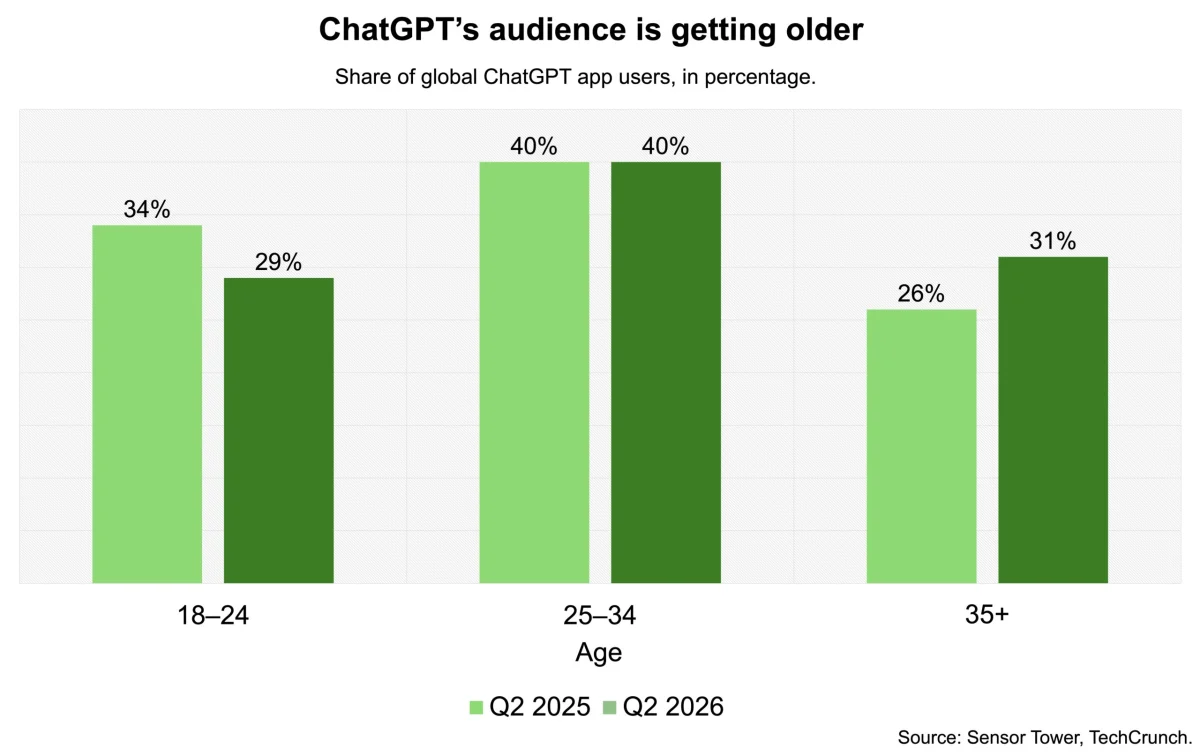
Simo’s transition creates a significant void in OpenAI’s leadership structure, particularly at a time when the company is contemplating a potential initial public offering and vigorously competing to expand its enterprise market share. Her primary focus had been on cultivating OpenAI’s consumer business and translating its AI models into accessible, marketable applications. However, reports indicated a cooling in ChatGPT’s growth late last year, with the product missing internal revenue targets. This trend had already begun to prompt OpenAI to pivot more aggressively towards coding tools and enterprise solutions, an area where it currently faces stiff competition from rivals like Anthropic.
The departure of a leader with Simo’s commercialization expertise leaves CEO Sam Altman with the critical task of identifying a successor who can effectively drive product adoption and business growth. Her vision and strategic direction were widely considered essential for converting OpenAI’s technological prowess into tangible market success, especially in the run-up to a possible IPO, which would require demonstrating robust and sustainable revenue streams. The challenge now lies in finding a leader who can not only reignite consumer product growth but also accelerate the company’s enterprise offerings to effectively compete in a fiercely contested landscape.
The AI Landscape and Competitive Pressures
OpenAI operates within an intensely competitive global artificial intelligence landscape. The "AI race" is not merely about developing the most advanced models but also about effectively commercializing them across diverse applications. Companies like Anthropic, Google, Microsoft, and Meta are investing heavily in their own AI capabilities, vying for market dominance in both foundational models and their practical deployment.
Anthropic, in particular, has emerged as a formidable competitor in the enterprise segment, with its focus on "constitutional AI" and robust safety features resonating with corporate clients seeking reliable and ethical AI solutions. OpenAI’s initial consumer success with ChatGPT propelled it into the public consciousness, but sustained growth requires continuous innovation and strategic market penetration. The shift towards coding tools and enterprise solutions reflects a broader industry trend where businesses are increasingly integrating AI into their operations, from software development to customer service. The ability to cater to these sophisticated enterprise needs, while simultaneously maintaining a compelling consumer offering, will be crucial for OpenAI’s long-term success.
Looking Ahead: The Search for a Successor
The search for Simo’s successor will undoubtedly be a top priority for Sam Altman and OpenAI’s board. The ideal candidate will need to possess a unique blend of deep technological understanding, exceptional business acumen, and proven experience in scaling complex product ecosystems. This individual will be tasked with steering OpenAI’s applications strategy through a period of intense competition, rapid technological evolution, and heightened investor expectations.
Beyond the immediate challenge of filling a key leadership role, Simo’s transition also serves as a poignant reminder of the human element in the high-stakes world of tech innovation. The demanding pace and immense pressure inherent in leading companies at the forefront of transformative technologies can take a significant toll, underscoring the importance of health and well-being even amidst ambitious corporate objectives. As OpenAI continues its mission to develop safe and beneficial artificial general intelligence, the stability and strategic direction of its leadership team will remain paramount to navigating the complex path ahead. The company’s ability to seamlessly integrate new leadership and maintain its innovative trajectory will be closely watched by investors, competitors, and the broader tech community alike.