Amir Mahmud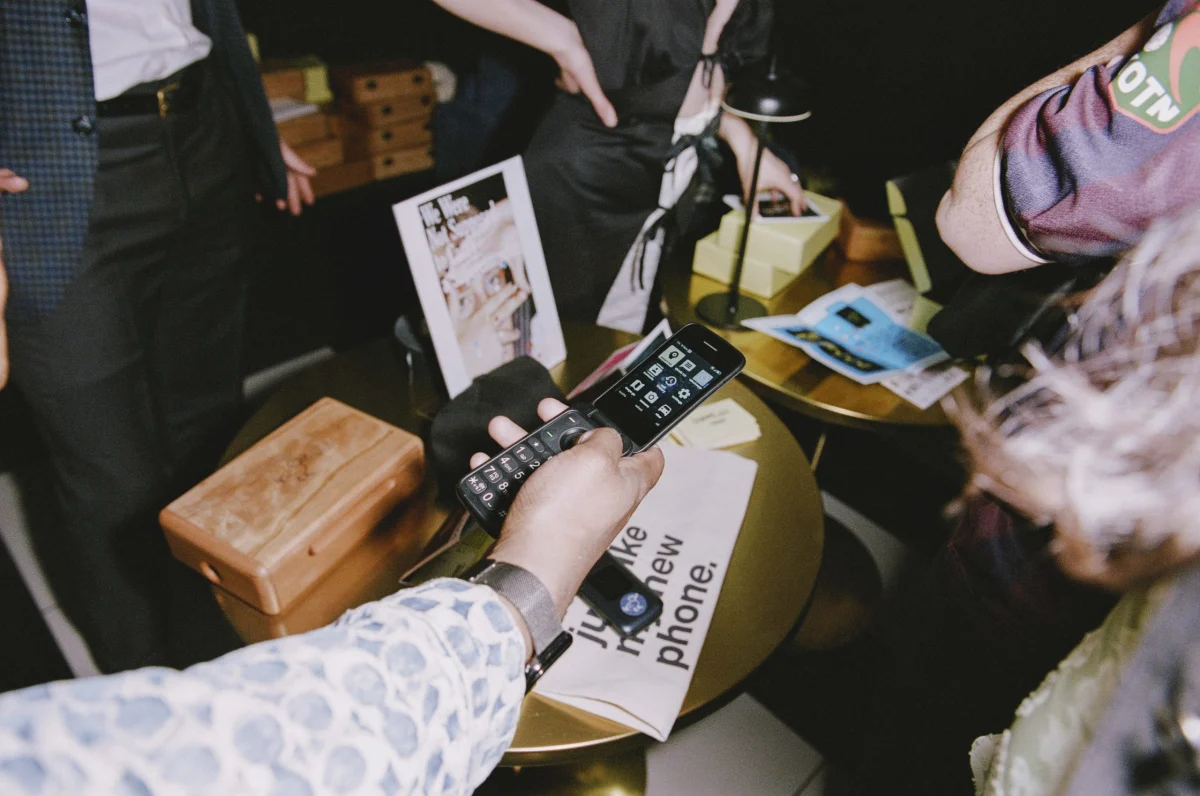
The ubiquity of smartphones has fundamentally reshaped modern life, yet a burgeoning movement suggests a growing unease with perpetual digital immersion. This shift is giving rise to innovative solutions, such as the "Dumb Phone" offered by Dumb Co, a startup aiming to provide a middle ground between complete digital detox and unbridled connectivity. The company’s origins trace back to a community challenge, "Month Offline," which compelled participants to exchange their advanced mobile devices for simpler flip phones, sparking a profound reevaluation of digital habits among its adherents.
Lydia Peabody initially reacted with amusement when she encountered a friend using a flip phone at a social gathering. Her disbelief, expressed as, "Girl, what are you doing with that thing? That has to be a joke!" quickly evolved into curiosity. This friend was immersed in Month Offline, an initiative that encourages individuals to temporarily surrender their feature-rich smartphones for the minimalist experience of a flip phone. Peabody, then a licensed therapist, found the concept of abandoning her smartphone unfathomable. Nevertheless, the experience proved transformative, inspiring her to leave her established career and join Dumb Co as its founding Chief Marketing Officer. Her personal journey underscores the profound impact of intentional disconnection. "I did Month Offline, and I was like, ‘Whoa, why am I suddenly not anxious? Am I feeling good?’" Peabody recounted, reflecting on a newfound sense of well-being. She recognized that her extensive post-work screen time had been a significant contributor to feelings of malaise.
The Digital Detox Imperative
The contemporary yearning for digital respite is not an isolated phenomenon but rather a response to the pervasive nature of smart technology. For over a decade, smartphones have served as indispensable extensions of ourselves, seamlessly integrating communication, entertainment, work, and navigation into a single device. However, this convenience has come at a cost. The constant influx of notifications, the infinite scroll of social media feeds, and the pressure to remain perpetually available have contributed to what many describe as "digital fatigue." Concerns about mental health, declining attention spans, and diminished real-world interactions have fueled a counter-movement towards digital minimalism and "slow tech." This cultural undercurrent creates a fertile ground for companies like Dumb Co, which offers a deliberate step back without demanding a complete retreat from modern conveniences.
The concept of a "digital detox" has gained considerable traction in recent years, reflecting a collective introspection about our relationship with technology. Workshops, retreats, and online communities dedicated to reducing screen time have proliferated, catering to individuals overwhelmed by the demands of hyper-connectivity. Studies have highlighted correlations between excessive smartphone use and increased anxiety, depression, and sleep disturbances, particularly among younger demographics who have grown up entirely immersed in the digital landscape. This backdrop provides crucial context for understanding the appeal of Dumb Co’s hybrid solution.
Dumb Co’s Innovative Hybrid Solution
Dumb Co distinguishes itself by offering a pragmatic compromise rather than a radical rejection of modern technology. The company retrofits inexpensive TCL flip phones with proprietary software, effectively bridging the gap between the simplicity of a "dumbphone" and the functionality people rely on from their smartphones. Unlike traditional flip phones, which offer only basic call and text capabilities, Dumb Co’s devices support essential applications such as WhatsApp for messaging, Spotify and Apple Music for streaming, and Uber for transportation. Remarkably, users can even access iMessage through a third-party application, ensuring continuity with mainstream communication platforms.
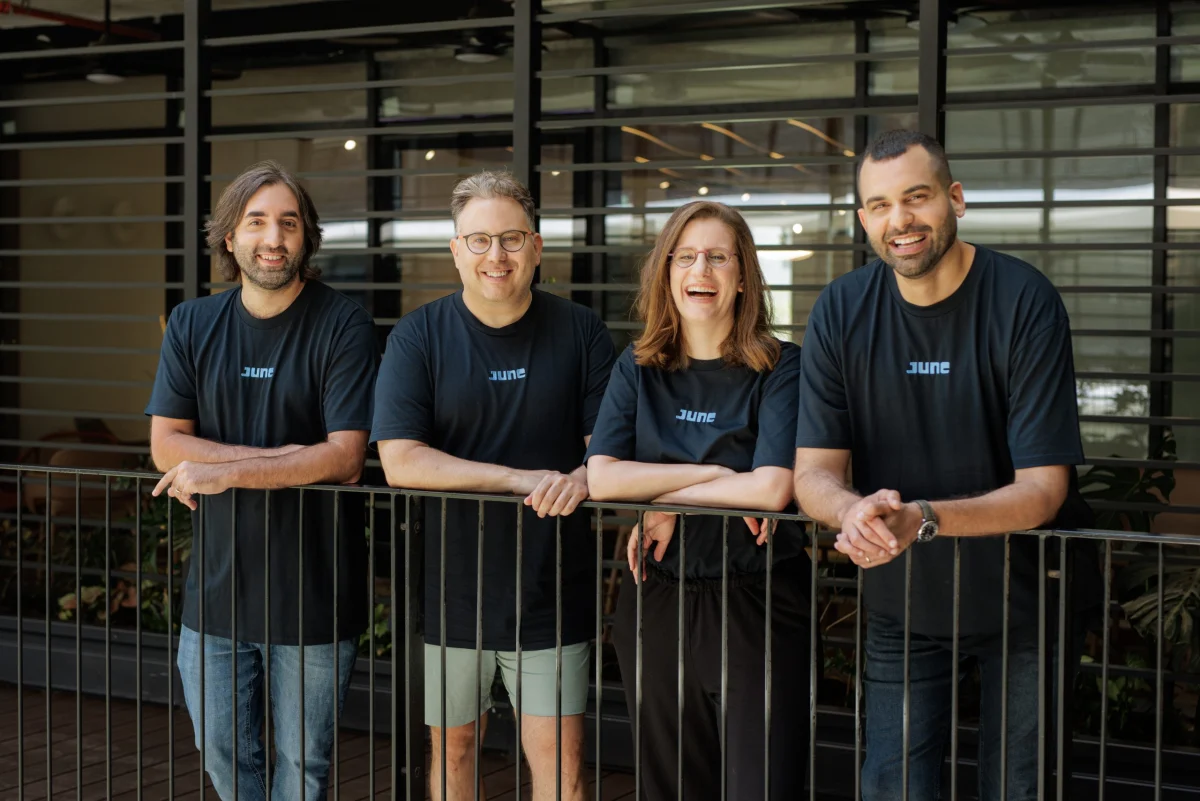
This innovative approach addresses a key dilemma for those seeking reduced screen time: the difficulty of fully disconnecting in a world built around smartphone functionalities. The founders, a small team of individuals in their twenties and early thirties, understand this challenge intimately. Having grown up with iPads and Instagram, they now champion a simpler existence, acknowledging the dissatisfaction many share with the relentless pace of a "frictionless life." Their solution allows users to leave their primary smartphone at home while still having access to crucial services, fostering a greater sense of presence and engagement with their immediate surroundings. Call and text forwarding features can be toggled on or off, providing flexible control over connectivity.
A Look Back: The Evolution of Mobile Communication
To fully appreciate the cultural significance of the flip phone’s resurgence, it’s beneficial to glance at the history of mobile telephony. Early mobile phones, often clunky and expensive, emerged in the 1980s, primarily serving business elites. The 1990s saw the rise of more compact, affordable devices, leading to the widespread adoption of feature phones in the early 2000s. The flip phone, with its satisfying snap and iconic design, became a cultural touchstone during this era, symbolizing both connectivity and a certain tactile elegance. Devices like the Motorola RAZR were status symbols, celebrated for their design as much as their utility.
However, this era was short-lived. The introduction of Apple’s iPhone in 2007, followed by the proliferation of Android devices, ushered in the smartphone revolution. These devices, characterized by large touchscreens, internet browsing capabilities, and app ecosystems, rapidly transformed mobile communication. Within a decade, smartphones became virtually indispensable, pushing feature phones to the periphery of the market, primarily serving niche segments or developing economies. The current trend, however, suggests a nostalgic and purposeful re-engagement with these simpler devices, driven by a desire to mitigate the negative aspects of smartphone dependence. This cyclical return highlights how technological advancements often spark a re-evaluation of fundamental human needs and interactions.
The Social and Psychological Landscape of Smartphone Dependence
The omnipresence of smartphones has undeniably fostered unprecedented levels of connectivity, enabling instant communication across vast distances and providing access to a wealth of information. Yet, this constant tether has also created unforeseen challenges. The psychological impact of continuous digital engagement is a subject of ongoing research and public discourse. While experts generally refrain from classifying smartphone dependence as a substance addiction, they acknowledge clear parallels in behavioral patterns, such as compulsive checking, withdrawal symptoms when separated from the device, and a persistent craving for digital interaction.
This dependence manifests in various ways, from the subtle urge to check notifications during a conversation to the more profound anxieties associated with being "unplugged." The communications director for Dumb Co, Afreka Ebanks, noted how her bedazzled flip phone sparked numerous engaging conversations, revealing a collective fascination with the potential for reduced distraction. "I think it’s a great conversation starter, and I think it’s incredible watching people — myself included — work through the awkwardness of socializing with others, because I’m no longer distracted because I’m looking down at my phone," Ebanks shared. This observation points to a broader societal yearning for more authentic, present interactions, free from the constant pull of the digital world.
A Reporter’s Experiment: Navigating Life with a Dumb Phone
The author of this article embarked on a month-long trial with Dumb Co’s device, dubbing it the "Dumb Phone." Initially, the convenience of having an iPhone nearby provided a safety net, limiting the full immersion into the flip phone experience. Yet, as the trial progressed, a surprising trend emerged: friends and acquaintances expressed envy rather than confusion upon seeing the retro device. This anecdotal evidence suggests a widespread, though often unarticulated, desire for a similar reduction in digital noise.
Navigating the clunky interface and T9 texting of the Dumb Phone presented its own set of challenges, often requiring more time than simply using a smartphone. The absence of immediate access to social media, high-resolution cameras, or email, however, offered an unexpected sense of liberation. The inability to mindlessly scroll or capture fleeting moments that might never be revisited became a refreshing constraint.
Towards the end of the trial, Lydia Peabody challenged the reporter directly: had the iPhone truly been left at home? The reporter confessed to not having fully committed, citing practical "needs" like checking public transit schedules or monitoring work communications. Peabody, however, offered a different perspective on the word "need," suggesting that many perceived necessities are merely conveniences. "Yeah, sure, it’s actually helpful to know when the buses are coming, but if you don’t have that information, you turn to your neighbor and say, ‘Do you know when the next bus is coming?’" she argued, emphasizing the human connection lost to digital self-reliance. Peabody, who undertook a cross-country road trip without her smartphone, passionately advocated for the transformative power of complete disconnection. Her personal anecdote about breaking a "Juul addiction" and experiencing a similar aversion to her smartphone underscored the profound psychological shift possible through intentional digital abstinence.
Embracing Mindful Connectivity
Inspired by Peabody’s challenge, the reporter ventured out for an assignment across town with only the Dumb Phone. Despite initial apprehension about navigating an unfamiliar route without digital maps or being able to record interviews, the experience proved surprisingly smooth. Directions were noted down beforehand, and the Dumb Phone’s audio recording function sufficed for interviews. The simple act of asking for confirmation about a train stop from a friend, rather than relying on an app, highlighted the shift back to human interaction. The day unfolded without incident, fostering a heightened sense of awareness and connection to the physical environment.
While a complete transition to the Dumb Phone might not be a permanent solution for everyone, its value as a tool for mindful technology use is undeniable. The device, which ships with a velour pouch for smartphone storage, encourages users to consciously decide when and how to engage with their primary device. During a recent beach trip, the reporter utilized the pouch, bringing the iPhone along only for specific tasks like ordering food or confirming train times. The majority of the day, however, was spent unburdened by the constant digital pull, allowing for uninterrupted enjoyment of a book, a meal, and the natural surroundings. This hybrid approach suggests a future where technology is used intentionally, rather than allowing it to dictate our attention and interactions. The rise of companies like Dumb Co signifies a growing cultural desire to reclaim personal agency over our digital lives, fostering a more balanced and present existence.