Amir Mahmud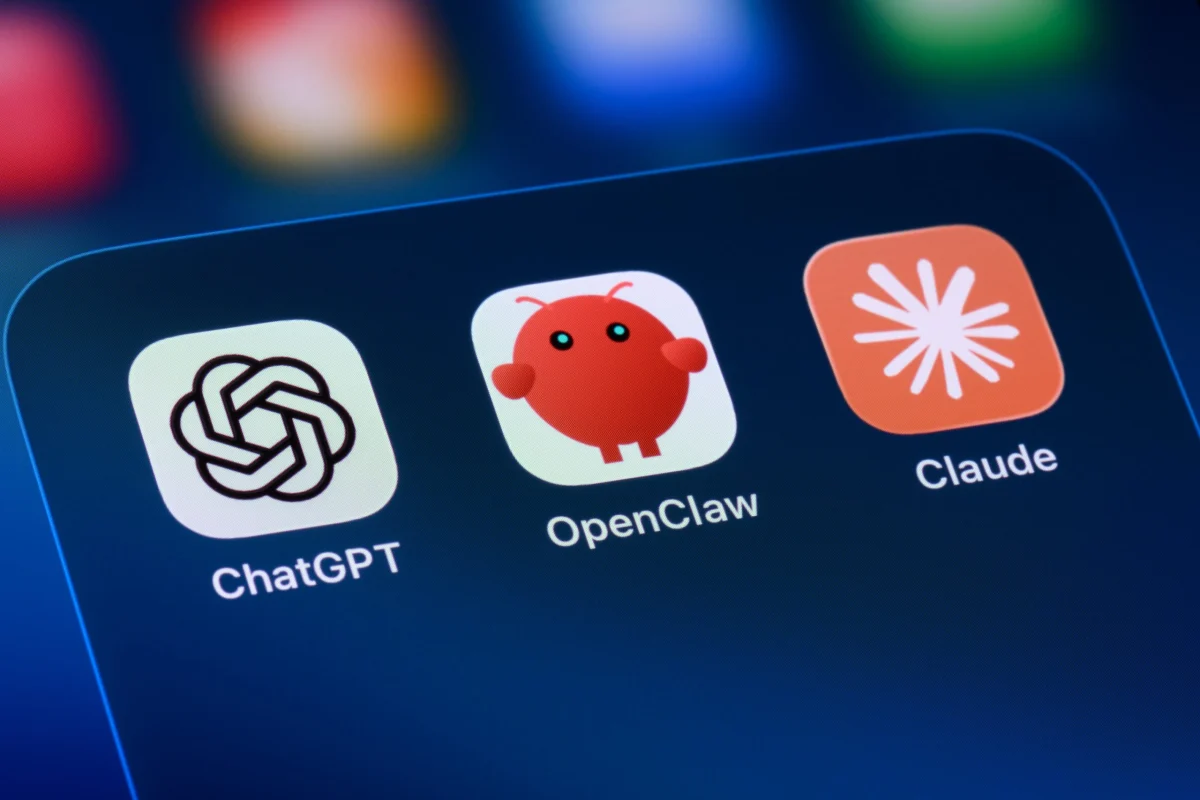
The highly anticipated mobile debut of OpenClaw, the open-source artificial intelligence agent, marks a pivotal moment in the democratization of advanced AI capabilities. As of June 30, 2026, the free, community-driven AI system is officially available for download as a dedicated application on both iOS and Android platforms, extending its reach from specialized web interfaces and developer environments directly into the pockets of millions. This expansion signals a significant step towards a future where sophisticated AI agents become ubiquitous, profoundly altering how individuals interact with technology and manage their daily tasks.
The Rise of AI Agents: A New Paradigm
To fully grasp the significance of OpenClaw’s mobile launch, it’s essential to understand the evolving landscape of artificial intelligence. For years, AI was largely characterized by specialized tools designed for specific, often narrow, functions—think recommendation engines, natural language processing for search, or image recognition. The emergence of large language models (LLMs) like those powering generative AI chatbots, however, represented a leap forward, allowing AI to understand and generate human-like text across a vast array of topics.
AI agents, a subsequent evolution, take this concept further. Unlike chatbots that primarily respond to prompts, agents are designed with a degree of autonomy and the ability to pursue goals, break them down into sub-tasks, and utilize various tools and external resources to achieve those objectives. They can learn from their interactions, adapt their strategies, and even initiate actions without explicit, step-by-step human instruction for every single phase. This shift from reactive AI to proactive, goal-oriented agents promises to unlock new levels of productivity and personalized assistance, making technology an active partner rather than a passive tool.
OpenClaw’s Journey: From Viral Sensation to Mobile Accessibility
OpenClaw itself has a compelling history, having captured the internet’s attention earlier this year with its unique approach to AI agency. Developed as a free and open-source project, it quickly garnered a dedicated following among developers and AI enthusiasts eager to experiment with autonomous systems. Its open nature allowed for rapid iteration and community contributions, fostering an ecosystem of shared knowledge and continuous improvement, a stark contrast to the often opaque development cycles of proprietary AI systems.
The project truly went viral, however, with the controversial launch of "MoltBook." This experimental social media platform, purportedly populated entirely by OpenClaw agents interacting with each other, generated immense buzz. It offered a glimpse into a hypothetical future where AI entities might form their own digital societies, sparking widespread debate about the nature of intelligence, consciousness, and digital life. While later investigations revealed that a significant portion of MoltBook’s activity was, in fact, orchestrated by humans impersonating agents—a theatrical marketing maneuver that undeniably boosted OpenClaw’s profile—the spectacle nonetheless highlighted the burgeoning public fascination with autonomous AI. This incident, despite its credibility costs, served as a powerful demonstration of the "agentic future" that many in the AI community envision.
Adding another layer to OpenClaw’s narrative, its creator, Peter Steinberger, announced in February 2026 that he had joined OpenAI, one of the leading research and deployment companies in artificial intelligence. This move was seen by many as a validation of the agent paradigm, with a prominent open-source innovator transitioning to a major commercial player. It also raised questions about the future direction and independence of the OpenClaw project, though its open-source nature ensures its continued development by the community.
Understanding the OpenClaw Gateway and Mobile Integration
The core of OpenClaw’s functionality on mobile devices revolves around its "OpenClaw Gateway." This sophisticated routing layer acts as an intermediary, seamlessly connecting user requests from the smartphone app to various AI agents and the diverse array of tools and skills these agents draw upon to execute tasks. Essentially, the Gateway abstracts the complexity of managing multiple AI models, external APIs, and data sources, presenting a unified interface for the mobile user.
When a user issues a command or sets a goal via the OpenClaw app, the Gateway analyzes the request, selects the most appropriate AI agent (or combination of agents) from its available repertoire, and then orchestrates their interaction with necessary external tools. These tools can range from web search engines and databases to coding environments, calendaring applications, or even smart home devices, depending on the agent’s programming and permissions. The mobile app, therefore, acts as a personalized command center, allowing users to harness the power of these distributed AI capabilities from virtually anywhere.
This architecture is crucial for bringing powerful AI agents to mobile devices, which often have limitations in terms of processing power, memory, and continuous internet connectivity compared to dedicated server infrastructure. The Gateway offloads much of the heavy computational lifting to remote servers, while the mobile app focuses on user interaction and displaying results. This hybrid approach ensures a responsive user experience while maintaining access to robust AI capabilities.
The Promise and Pitfalls of Autonomous AI in Your Pocket
The implications of having OpenClaw agents accessible from a smartphone are vast. Users can now run their meticulously programmed OpenClaw agents directly from their handheld devices, transforming them into highly personalized, proactive assistants. Imagine an agent that autonomously manages your calendar, responds to routine emails, drafts code snippets for quick projects, or even plans complex multi-step tasks like meal preparation by integrating recipe databases with grocery delivery services and personal dietary preferences. The potential for enhancing personal productivity and simplifying complex workflows is immense.
However, the journey towards seamless agent integration is not without its challenges. Early adopters of OpenClaw, even on desktop platforms, have reported mixed results. While some users have showcased impressive feats of automation, from generating complex software solutions to meticulously organizing travel itineraries, others have encountered "less-than-desirable results." These can range from agents getting stuck in loops, misinterpreting instructions, failing to access necessary tools, or simply producing outputs that are not quite what the user intended. This variability highlights the inherent complexities of designing and deploying truly autonomous AI, where nuanced understanding and robust error handling remain active areas of research and development.
The open-source nature of OpenClaw contributes to both its strengths and weaknesses here. On one hand, it fosters rapid innovation and allows the community to collectively identify and address issues. On the other, the quality and reliability of agents and their underlying tools can vary significantly, depending on individual contributions and maintenance efforts. Users are, to some extent, responsible for "programming them correctly," as the original announcement implied, underscoring the current need for a degree of technical proficiency to fully leverage these advanced tools.
Shaping the Agentic Future
OpenClaw’s mobile availability is not an isolated event but rather a strong indicator of a broader trend: the proliferation of AI agents across the digital landscape. These autonomous systems are increasingly being embedded into various applications and devices, moving beyond experimental setups into mainstream use. From specialized enterprise solutions that automate business processes to consumer-facing tools that offer personalized digital assistance, the "agentic future" is rapidly taking shape.
The integration of AI agents directly into smartphones, as seen with OpenClaw and other emerging platforms like Acti (which is reportedly embedding agents directly into smartphone keyboards), signifies a critical inflection point. Mobile devices are the primary computing interface for billions worldwide, and by bringing powerful, autonomous AI to this platform, companies and open-source communities are fundamentally altering the accessibility and utility of artificial intelligence. This move could democratize access to advanced AI capabilities, allowing individuals without specialized technical skills to benefit from automation and intelligent assistance.
Market Dynamics and Ethical Considerations
The entry of OpenClaw into the mobile app stores also has significant market implications. It intensifies the competition among AI developers, both proprietary and open-source. While major tech companies invest heavily in their own AI ecosystems, OpenClaw’s free and open model offers an alternative, potentially fostering greater innovation and preventing a monopolization of AI power. This could lead to a more diverse and vibrant market for AI services and tools, where community-driven projects can challenge established giants.
However, the rise of autonomous agents also brings forth a host of ethical considerations. Data privacy is paramount, as agents often require access to personal information and various online services to function effectively. Ensuring secure data handling and transparent privacy policies will be crucial for building user trust. The potential for misuse, such as generating misinformation or engaging in automated malicious activities, also necessitates robust safeguards and ethical guidelines for agent development and deployment. Furthermore, the question of accountability when an autonomous agent makes a mistake or causes unintended consequences remains a complex legal and ethical challenge.
Looking Ahead
The launch of OpenClaw on iOS and Android marks a significant milestone in the journey toward a more agent-driven digital world. While the technology is still evolving, and users may encounter varying degrees of success, the fundamental shift towards proactive, goal-oriented AI in our pockets is undeniable. As these agents become more sophisticated, reliable, and user-friendly, they promise to reshape personal productivity, redefine human-computer interaction, and open new frontiers for innovation. The "automation crustacean," as it was whimsically dubbed, is indeed crawling to a mobile device near you, heralding an exciting, albeit complex, new chapter in the story of artificial intelligence.