Amir Mahmud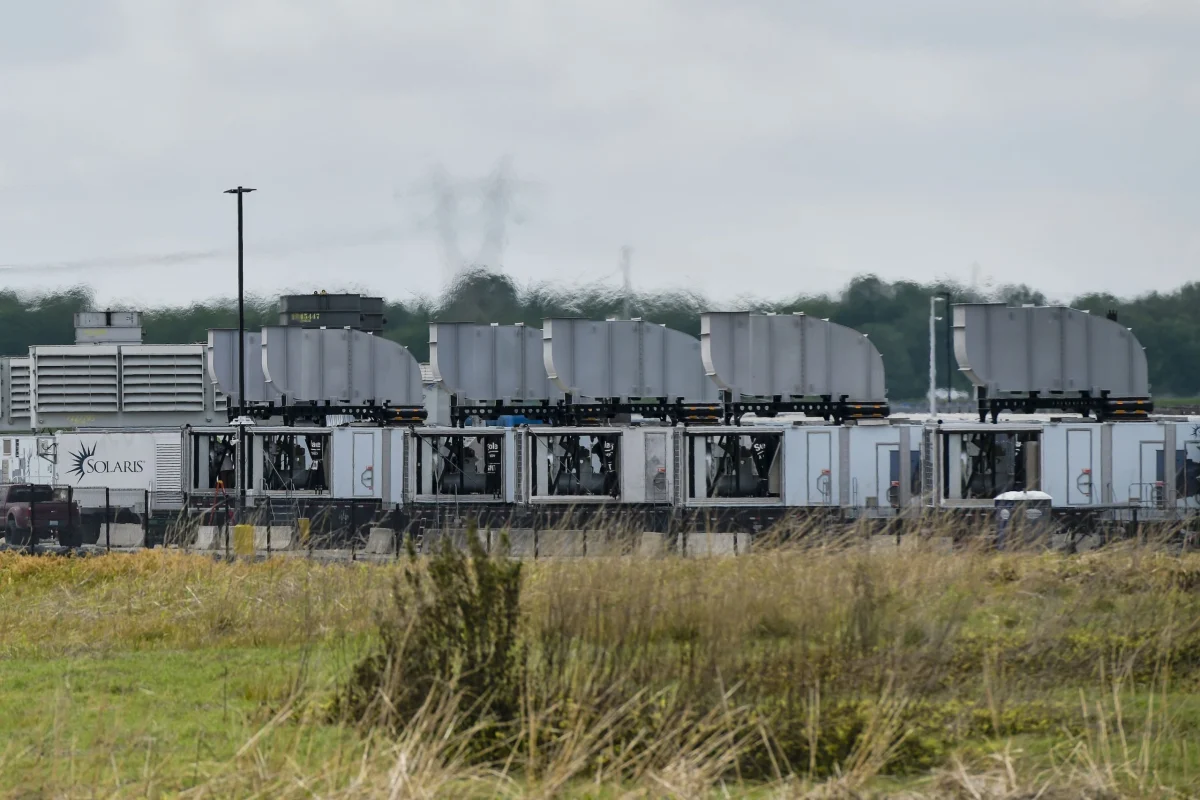
Erin Brockovich, a name synonymous with grassroots environmental advocacy and corporate accountability, has embarked on a new, high-stakes campaign, this time targeting the rapidly expanding and often shrouded world of data center construction. Her latest initiative seeks to peel back layers of secrecy surrounding these critical technological facilities, advocating for communities that frequently bear the brunt of their development without adequate information or input. Through a newly launched online platform, Brockovich is mobilizing citizens across the United States to document and report on the impacts of data centers, highlighting a pervasive lack of transparency as the primary concern.
A Legacy of Community Empowerment and Corporate Accountability
Brockovich’s involvement brings significant weight to the burgeoning debate over data center proliferation. Her journey into the public eye began decades ago with her relentless investigation into contaminated water in Hinkley, California, a case that ultimately led to a landmark direct action lawsuit against Pacific Gas & Electric (PG&E). This David-and-Goliath struggle, vividly dramatized in a critically acclaimed film, showcased her unwavering commitment to exposing corporate negligence and empowering ordinary citizens to fight for environmental justice. Her work has consistently underscored the importance of transparency, public access to information, and holding powerful entities accountable for their actions and their impact on human health and the environment. By focusing on data centers, Brockovich is extending her long-standing mission to a new frontier, one where technological advancement intersects with local community well-being and environmental stewardship.
The Invisible Engines of the Digital Age: Understanding Data Centers
Data centers are the physical backbone of the internet and the digital economy, housing vast networks of computer servers, data storage systems, and networking equipment. These facilities process, store, and transmit the enormous volumes of data that power everything from cloud computing services and artificial intelligence (AI) applications to streaming media, online gaming, and global financial transactions. Their existence is fundamental to modern life, yet their operations often remain largely unseen and misunderstood by the general public.
The demand for data centers has exploded in recent years, fueled by the accelerating adoption of AI, the expansion of cloud services, and the ever-increasing generation of data worldwide. Major technology companies, hyperscalers, and specialized data center operators are investing billions in constructing new facilities, often massive complexes spanning hundreds of acres. This rapid expansion frequently leads to development in suburban and rural areas, where land is more affordable and regulatory frameworks might be less stringent, bringing these industrial-scale operations directly into contact with residential communities.
Unveiling the Environmental and Resource Footprint
While indispensable to the digital world, data centers come with substantial environmental and resource demands. Their operation requires immense amounts of electricity, primarily to power the servers themselves and, crucially, to run the sophisticated cooling systems necessary to prevent equipment from overheating. A single large data center can consume as much electricity as a small city, placing significant strain on local power grids and contributing to greenhouse gas emissions, particularly when powered by fossil fuels. Although many operators are increasingly investing in renewable energy sources, the sheer scale of demand means that conventional energy often still plays a significant role.
Water consumption is another critical, often overlooked, environmental concern. Many data centers rely on evaporative cooling systems, which can consume millions of gallons of water annually. In regions already facing water scarcity or drought conditions, this demand can exacerbate local water stress, impacting agricultural use, ecological systems, and residential supplies. Furthermore, the construction process itself involves significant land transformation, often requiring the clearing of natural habitats and placing additional demands on local infrastructure and resources.
Community Concerns: Beyond Digital Connectivity
The presence of data centers in proximity to residential areas often sparks a range of community concerns that extend beyond environmental impacts. Noise pollution is a common grievance, stemming from the constant hum of servers, cooling fans, and backup generators. These facilities typically operate 24/7, meaning the noise can be a persistent disturbance for nearby residents.
Visually, data centers are typically large, utilitarian structures, often windowless and imposing, which can alter the aesthetic character of neighborhoods, particularly in areas previously characterized by open space or smaller-scale development. Their extensive land footprint can also lead to the loss of agricultural land or natural landscapes, transforming rural vistas into industrial complexes.
Economically, the promise of job creation is often a key incentive for local governments to approve data center projects. However, while construction phases do generate temporary employment, the long-term operational jobs are often fewer than anticipated and highly specialized, not always benefiting the local workforce directly. Moreover, localities frequently offer significant tax incentives and abatements to attract data center developers, potentially reducing the tax revenue that could otherwise fund public services. Simultaneously, the increased demand on utilities can lead to higher electricity and water bills for existing residents, essentially shifting some of the operational costs onto the community.
The Transparency Deficit: A Core Grievance
Brockovich’s initiative highlights that the most pressing issue, transcending concerns about noise, water, or utility costs, is a profound lack of transparency. The reports she has received from communities across the nation consistently point to opaque development processes, where projects are often announced only after permits have been quietly secured, leaving residents with little to no opportunity for input. Developers are frequently described as unresponsive to community inquiries, while local officials, bound by non-disclosure agreements (NDAs), are reportedly unable to share crucial information with their constituents.
This pattern of secrecy creates a significant power imbalance. Communities find themselves sidelined, their voices unheard, and their concerns unaddressed until a project is well underway or nearing completion. This lack of open dialogue erodes public trust in both corporations and local government, fostering a sense of disempowerment among residents who feel that decisions impacting their environment and quality of life are being made behind closed doors. For Brockovich, this secrecy is not merely an inconvenience; it represents a fundamental breakdown in democratic processes and environmental justice, reminiscent of the corporate obfuscation she has battled throughout her career.
Mapping the Impact: A Crowdsourced Call for Accountability
To combat this transparency deficit, Brockovich launched a dedicated website featuring a crowdsourced map of data centers across the United States. This digital platform serves as a central repository for community-generated reports, allowing residents to document existing facilities, report on proposed projects, and share their experiences with the impacts of data center development. Described as a "work in progress," the map’s power lies in its ability to aggregate anecdotal evidence into a comprehensive overview, illustrating the widespread nature of these concerns.
Within the first month of its launch, the website received nearly 4,000 submissions from concerned citizens. The overwhelming feedback, as Brockovich noted in a Substack post, underscored "transparency" as the paramount concern, far surpassing other issues like noise or resource consumption. This collective testimony provides a compelling narrative, demonstrating that communities are not inherently opposed to technological progress but demand a seat at the table and honest communication about projects that profoundly affect their lives.
Navigating Regulatory Gaps and Charting a Path Forward
The challenges highlighted by Brockovich’s campaign underscore potential gaps in current regulatory frameworks. While environmental impact assessments (EIAs) and zoning laws exist, their application to data center development can be inconsistent or insufficient. Local governments, often eager to attract investment and perceived economic growth, may expedite approval processes or offer incentives that inadvertently bypass robust public review. The use of NDAs by local officials further complicates matters, creating a legal barrier to the free flow of information essential for informed public discourse.
Moving forward, a more robust and standardized approach to data center regulation may be necessary. This could include mandatory, early-stage public hearings before permits are issued, independent environmental and social impact assessments that are accessible to the public, and clear guidelines for community benefit agreements that ensure local populations genuinely benefit from these developments. Policymakers must balance the undeniable need for digital infrastructure with the imperative to protect communities and the environment. This requires foresight, proactive planning, and a commitment to democratic principles that prioritize public input over corporate expediency.
A Broader Dialogue: Balancing Innovation with Responsibility
Erin Brockovich’s new campaign is not a blanket condemnation of data centers or the advancements in artificial intelligence they support. Instead, it is a powerful call for responsible development and ethical governance in the digital age. It challenges the prevailing notion that technological progress must occur in isolation from community concerns or at the expense of environmental well-being. By empowering local voices and demanding greater accountability from developers and local authorities, Brockovich aims to foster a more equitable and transparent framework for infrastructure development. Her initiative seeks to ensure that as society embraces the benefits of a hyper-connected world, the costs are not disproportionately borne by unsuspecting communities, but rather managed with integrity, openness, and a genuine commitment to public welfare. The ongoing dialogue spurred by her efforts promises to reshape how we perceive, plan, and integrate the essential, yet often invisible, components of our digital future.






 Azin Asro