Amir Mahmud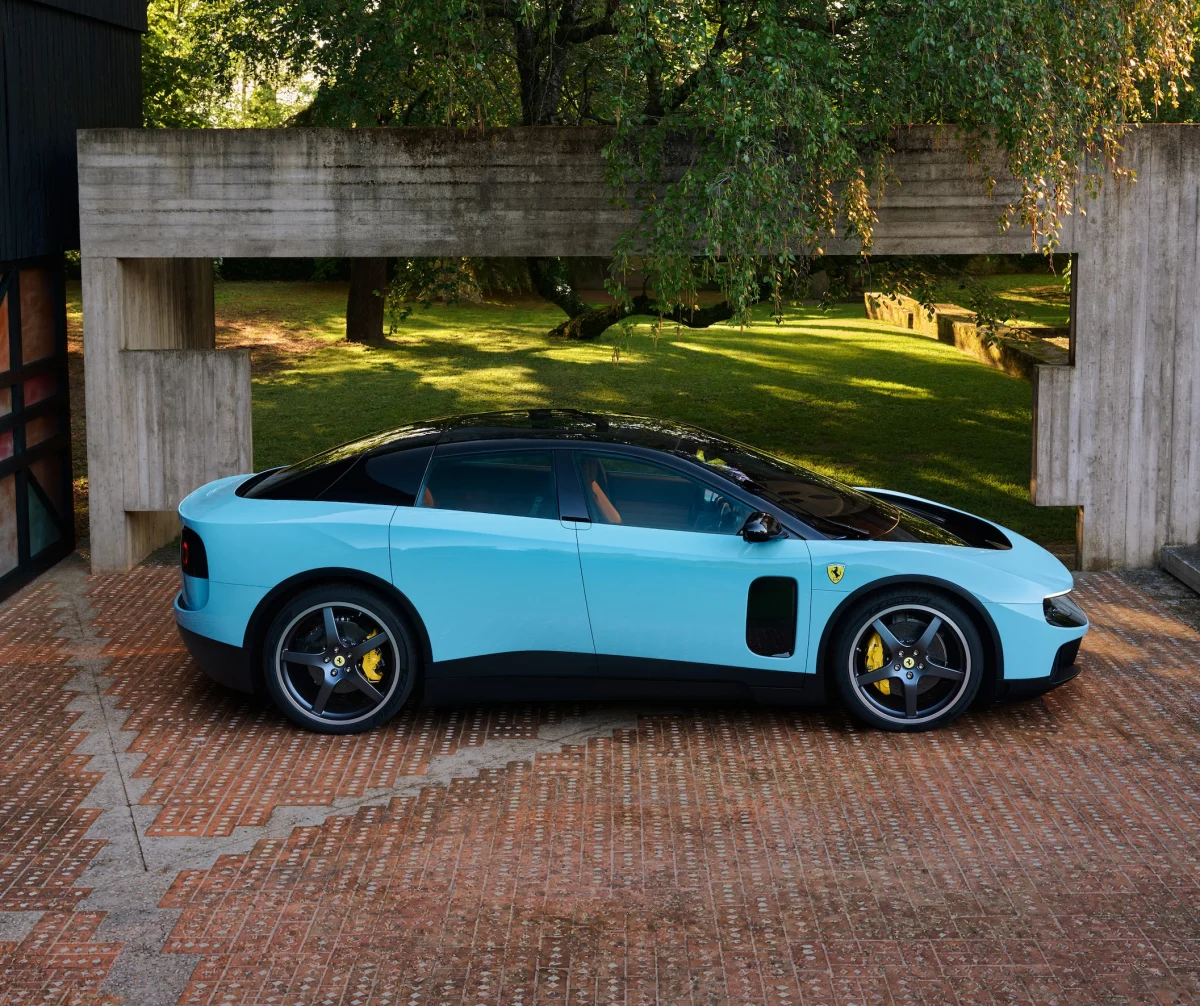
The automotive world is currently navigating an unprecedented era of transformation, marked by a convergence of electrification, autonomous driving, and evolving consumer expectations. This dynamic landscape is perhaps best encapsulated by the recent unveiling of Ferrari’s first all-electric vehicle, the Luce, which has ignited passionate discourse among enthusiasts and industry observers alike. Simultaneously, the advancement of self-driving technology continues, with regulatory frameworks adapting and companies refining their strategies for widespread deployment.
The Ferrari Luce: A Design Divisive, a Strategy Unconventional
Ferrari, a name synonymous with unparalleled performance, exquisite Italian craftsmanship, and a storied racing heritage, has traditionally tread carefully into new market segments. The introduction of the Luce, its inaugural fully electric model, represents a pivotal moment for the iconic Maranello marque. This five-seater electric vehicle, boasting a price point approaching $650,000 and featuring a design influenced by Apple veteran Jony Ive, was met with an immediate and vocal reaction from both the public and design critics.
For decades, Ferrari’s brand identity has been meticulously cultivated around high-revving internal combustion engines, two-seater sports car configurations, and a design language that, while evolving, remained anchored in aggressive aerodynamics and sensuous curves. The move to an electric powertrain alone is a significant departure, challenging the very essence of what many purists consider a "true" Ferrari experience, given the absence of the characteristic engine roar. Moreover, the decision to produce a five-seater vehicle pushes the boundaries of Ferrari’s traditional offerings, venturing further into practicality than many might have anticipated, even after the Purosangue SUV.
Jony Ive’s involvement in the Luce’s aesthetic direction adds another layer of intrigue. Known for his minimalist, user-centric approach to design that defined Apple products for decades, his influence on a Ferrari carries profound implications. The resultant design of the Luce, perceived by some as unconventional for the brand, drew comparisons to more mass-market electric vehicles, sparking a flurry of online commentary, critical reviews, and internet memes. Even prominent figures in automotive design, such as Lucid’s Derek Jenkins, offered critiques, highlighting the stark contrast between the Luce and established Ferrari visual tenets. This reaction underscores the immense cultural weight and expectation placed upon any new offering from the Italian luxury automaker.
However, historical precedent suggests that initial public sentiment does not always dictate long-term success for Ferrari. The Ferrari Purosangue, the brand’s first SUV, faced a similar wave of skepticism upon its launch several years ago. Traditionalists decried the move as a dilution of the brand’s sporting purity, yet the Purosangue has since proven to be a resounding commercial triumph, demonstrating a strong demand for Ferrari’s interpretation of a more versatile vehicle. This parallel is crucial: Ferrari’s business model thrives on exclusivity and catering to a discerning, often multi-vehicle ownership demographic, rather than universal appeal. Over 80% of the approximately 14,000 individuals who acquired a Ferrari last year were existing owners, indicating a fiercely loyal customer base that often dictates its own terms of engagement with the brand.
Ferrari CEO Benedetto Vigna has publicly stated that the Luce is already accumulating orders from both long-standing patrons and new clients, signaling a robust demand despite the public design debate. This suggests a strategic understanding by Ferrari that the target audience for such a high-value, limited-production electric vehicle operates on different criteria than the broader market. For this elite segment, novelty, cutting-edge technology, and brand prestige often outweigh conventional aesthetic approval. Ferrari’s carefully managed order book, where the company often selects its buyers, further reinforces this dynamic, ensuring that demand consistently outstrips supply and maintains an aura of unparalleled exclusivity. The Luce, therefore, represents not just an electric car, but a deliberate expansion of Ferrari’s definition of luxury and performance for the 21st century, targeting a new echelon of clientele while potentially challenging the perceptions of its traditionalists.
Autonomous Roadways: Texas Takes a Regulatory Lead
Beyond the realm of high-performance luxury vehicles, the broader mobility sector continues its relentless evolution, particularly in the domain of autonomous vehicles (AVs). The journey towards widespread self-driving capabilities has been characterized by cycles of immense optimism followed by periods of sobering reality, as technological and regulatory hurdles prove more complex than initially envisioned. States across the U.S. have adopted varying approaches to governing AV testing and deployment, ranging from the more cautious regulatory environment of California to earlier, more permissive frameworks in states like Arizona.
Texas has now emerged as a significant player in shaping the future of autonomous mobility within the United States, enacting legislation that grants its Department of Motor Vehicles enhanced authority over AV operations. This new legal framework mandates that all autonomous vehicles operating within the state must be formally licensed, and crucially, all associated operational data is made publicly accessible. This commitment to transparency and structured oversight marks a maturing phase in AV regulation, providing valuable insights into the competitive landscape and operational realities of self-driving technology.
Analysis of this newly public AV tracker tool reveals a clear leader in terms of fleet size. Waymo, an early pioneer in autonomous technology, has registered 577 vehicles, positioning it significantly ahead of its competitors in the Lone Star State. Following Waymo are Avride with 317 registered units, Nuro with 47, and Tesla trailing with 42. The registry also includes several companies specializing in autonomous trucking, such as Aurora, Gatik AI, Kodiak AI, and Waabi, underscoring Texas’s strategic importance for logistics and freight automation due to its vast highway network and bustling trade corridors.
While fleet size provides a quantifiable metric of a company’s investment and operational scale, it does not unilaterally determine market leadership or commercial success. Many of these registered AVs are primarily engaged in testing and validation, with commercial services not yet fully launched across the state. The true measure of success will ultimately be the ability to deploy safe, reliable, and commercially viable autonomous transportation solutions.
Perhaps more indicative of the public and regulatory sentiment is the "complaints" feature embedded within the new Texas AV tracking system. This public record of reported incidents or issues represents a critical feedback mechanism, essential for building public trust and ensuring accountability. As of the current reporting period, no formal complaints have been filed against the major companies listed, a positive indicator, but one that will be closely monitored as AV operations expand and public interaction increases. This regulatory move by Texas reflects a growing trend towards greater governmental scrutiny and data-driven oversight, aiming to foster innovation responsibly while prioritizing public safety and consumer confidence in the rapidly advancing autonomous vehicle industry.
Investing in the Future of Movement: A Snapshot of Mobility Deals
The broader mobility ecosystem continues to attract substantial investment, reflecting a global commitment to reimagining transportation across various modalities. Venture capital and private equity firms are actively channeling funds into startups and established players alike, catalyzing innovation in electric vehicles, autonomous systems, micromobility, drone delivery, and related infrastructure. This dynamic investment landscape underscores the transformative potential and long-term economic opportunities perceived within the sector.
In the realm of urban personal mobility, Equip Capital, through a new single-asset fund, has secured a majority stake in Ryde Technology, a European e-scooter operator. Goldman Sachs Alternatives served as the lead investor in this transaction, highlighting the continued institutional interest in micromobility solutions despite regulatory complexities and operational challenges faced by some companies in this segment. The backing from a major financial institution like Goldman Sachs signals confidence in Ryde’s operational model and the broader potential for sustainable urban transit options.
Electrification efforts extend to specialized segments, as evidenced by Harley-Davidson’s electric motorbike subsidiary, LiveWire, which completed the acquisition of Dust Moto, an emerging company focused on electric off-road vehicles. While the financial terms of this deal remain undisclosed, it signifies LiveWire’s strategic expansion beyond its core electric street motorcycle offerings, tapping into the growing market for electric recreational and utility off-road vehicles and leveraging expertise in this niche.
The burgeoning drone delivery sector also saw significant financial activity. Matternet, a company at the forefront of autonomous drone logistics, successfully raised $33 million through a private placement offering. Concurrently, the firm completed a reverse merger with Los Altos Ventures Corp., a move often employed by private companies to gain public market access without undergoing a traditional initial public offering. This capital infusion and structural change are expected to accelerate Matternet’s deployment of its FAA type-certified drone delivery platform, particularly for medical and logistics applications.
The critical area of electric vehicle charging infrastructure is also undergoing consolidation and strategic growth. Revel, known for its EV charging network, is merging with Voltera. Following the merger, the combined entity will operate under the Voltera brand, with Revel’s CEO, Frank Reig, taking the helm. This move comes after Revel previously pivoted its business strategy, having shuttered its ride-hailing operations to concentrate exclusively on EV charging infrastructure. The integration aims to create a more robust and expansive charging network, addressing a key bottleneck in widespread EV adoption.
On the international front, Stark, a German drone manufacturer, is reportedly in discussions to raise at least €300 million ($350 million). Should these talks materialize, the funding round could effectively double the company’s valuation to €2.5 billion, as reported by the Financial Times. This substantial investment interest underscores the escalating global competition and technological advancements in the drone manufacturing industry, particularly in Europe.
In the niche market of high-performance and classic automotive reinvention, Volara Motorsports Group, a holding company focused on motorsports and performance, acquired Lynx Motor Works. Based in Austin, Texas, Lynx Motor Works specializes in crafting limited-production, reimagined classic vehicles, indicating a continued appetite for bespoke, high-end automotive experiences within the broader performance vehicle landscape.
Finally, the travel sector, closely intertwined with mobility, saw significant investment in group adventure travel. WeRoad, a Milan-based startup facilitating guided group tours, successfully secured $58 million in a Series C funding round, with Airbnb leading the investment. This financing brings WeRoad’s total capital raised to approximately $100 million and is earmarked for the company’s strategic expansion into the U.S. market, commencing with operations in Austin, Texas. These diverse investment activities collectively illustrate the multifaceted nature of the mobility revolution, spanning vehicles, infrastructure, logistics, and even travel experiences.
Beyond the Headlines: Broader Currents in Transportation
The currents of change in mobility extend beyond new vehicle launches and investment rounds, encompassing technological integration, regulatory scrutiny, and evolving geopolitical dynamics. These broader trends are shaping how people and goods move across air and land.
In aviation, American Airlines has made a significant commitment to enhancing in-flight connectivity by announcing plans to integrate Starlink, SpaceX’s satellite internet service, across more than 500 of its narrow-body Airbus aircraft, with installations commencing early next year. This partnership marks a strategic win for Starlink, which continues to expand its reach into commercial aviation, offering higher bandwidth internet connectivity. For SpaceX, this deal provides a substantial financial boost, further cementing Starlink’s role as a key revenue generator for the aerospace company. Improved in-flight Wi-Fi is becoming an increasingly important differentiator for airlines in a competitive market.
The electric vehicle manufacturer Rivian is navigating a complex period marked by both product expansion and regulatory challenges. The company is set to begin deliveries of its new R2 SUV on June 9, a crucial step in expanding its market footprint beyond its initial R1T pickup and R1S SUV models. However, Rivian is also currently under investigation by the National Highway Traffic Safety Administration (NHTSA) regarding alleged rear suspension failures in its R1 models and the subsequent servicing procedures. This scrutiny highlights the intense pressure on EV manufacturers to not only innovate but also ensure robust safety and reliability as they scale production.
In the pursuit of more affordable electric mobility, Slate Auto is preparing to announce pricing and open non-refundable pre-orders for its low-cost electric vehicle on June 24, with deliveries projected for later this year. The introduction of more budget-friendly EVs is seen as critical for accelerating the broader transition away from internal combustion engines, making electric transportation accessible to a wider demographic.
Geopolitics are also increasingly influencing the automotive trade. Volvo Cars, a Swedish automaker with majority ownership by China’s Geely Holding, recently received a crucial specification authorization from the U.S. Commerce Department. This authorization permits Volvo to continue importing and selling its connected vehicles in the United States, effectively providing an exemption from a law finalized in January 2025. This legislation was designed to restrict the import of virtually all Chinese-made vehicles into the U.S. market, citing concerns over connected car technology and potential data security risks tied to China. Volvo’s authorization underscores the complex balancing act between national security interests and globalized supply chains and ownership structures in the automotive industry.
Finally, the evolution of autonomous ride-hailing continues with Waymo’s introduction of its newest robotaxi model to select riders in Los Angeles, Phoenix, and San Francisco. This all-electric, minivan-like vehicle, dubbed the Ojai (a modified Zeekr-made platform), represents a significant step towards purpose-built autonomous vehicles. Designed for enhanced durability and cost-efficiency to withstand the rigors of extensive commercial use, the Ojai aims to address long-standing challenges in robotaxi operations, including improving the user experience and overcoming what some industry observers refer to as the "magic problem" – the elusive blend of seamless operation and passenger comfort. This shift towards purpose-built, mass-producible AVs signifies a maturation in the development paradigm, focusing on scalable and economically viable deployment.
The Unfolding Narrative of Mobility
From the passionate debates surrounding luxury electric vehicles to the methodical expansion of autonomous driving and the intricate web of global investments and geopolitical considerations, the mobility sector stands at a crossroads of innovation and disruption. The decisions made by iconic brands like Ferrari, the regulatory approaches taken by states like Texas, and the strategic maneuvers of technology giants and startups alike, are collectively charting a new course for how humanity moves. This dynamic period is characterized by rapid technological advancement, evolving consumer expectations, and a persistent drive towards more sustainable and efficient transportation solutions, promising a future where the very concept of mobility is continually redefined.



 Azin Asro