Amir Mahmud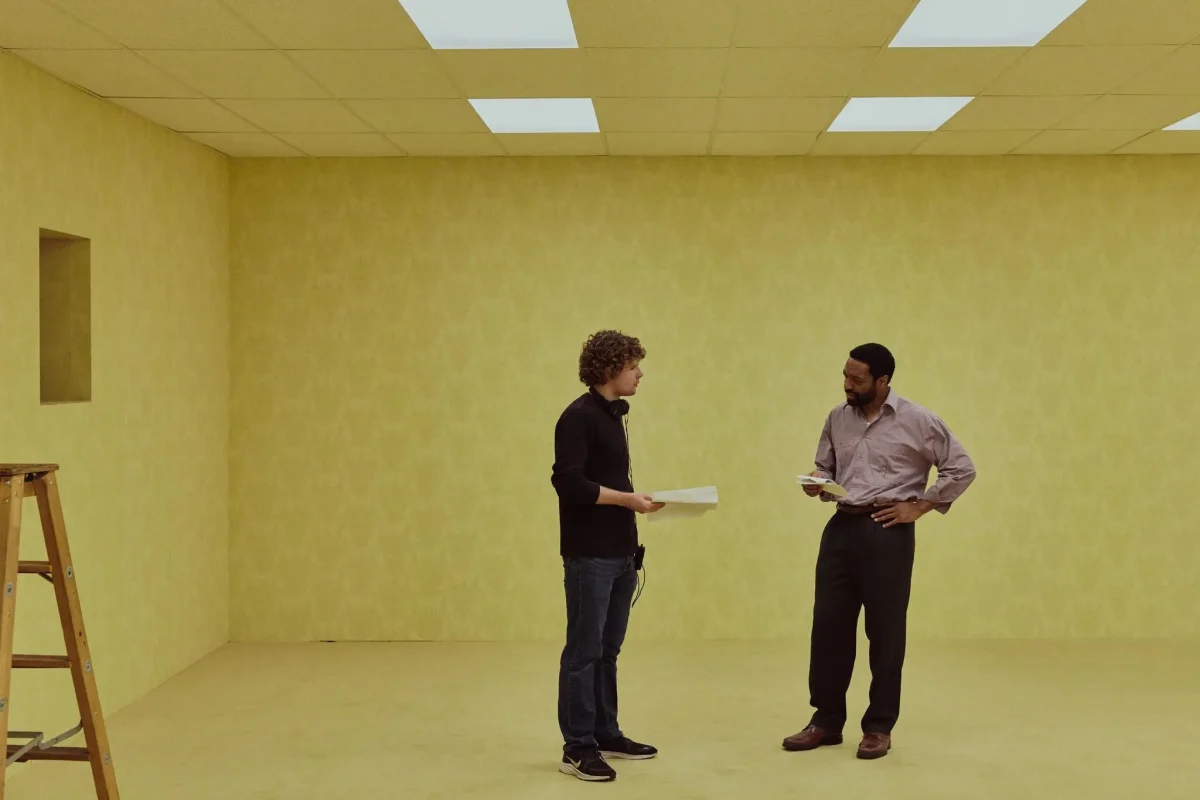
This past weekend delivered a seismic shift in the entertainment industry, as two of the top-performing films at the domestic box office were both helmed by directors who forged their careers on YouTube, underscoring a profound evolution in how cinematic talent is discovered and how audiences engage with new narratives. The remarkable success of "Backrooms" and "Obsession" signals a new era where digital creators are not just influencing, but actively disrupting, the traditional Hollywood landscape.
The "Backrooms" Phenomenon: Internet Lore Hits the Big Screen
Claiming the coveted number one spot, "Backrooms" emerged as a powerful testament to the commercial viability of internet folklore. The film, a feature-length expansion of Kane Parsons’ viral YouTube series, captivated audiences with its eerie exploration of a mysterious, physics-defying office space. Parsons, at just 20 years old, transitioned his digital horror sensation, which originated from a chilling 4chan thread discussing liminal spaces and unsettling environments, into a major theatrical release. The film’s Friday gross of $38 million was merely a prelude to an anticipated domestic weekend haul between $80 million and $90 million, setting an unprecedented record for indie powerhouse A24. This figure dramatically eclipses A24’s previous best opening, held by "Civil War," which garnered $25.7 million in its debut weekend.
The "Backrooms" concept itself is a fascinating case study in modern myth-making. Originating as a creepypasta on the internet forum 4chan in 2019, it quickly evolved into a sprawling collaborative fiction, spawning countless fan-made videos, artwork, and stories. The core idea — an infinite maze of empty office rooms, characterized by unsettling yellow walls, buzzing fluorescent lights, and a pervasive sense of dread — resonated deeply with online communities fascinated by liminal spaces and existential horror. Kane Parsons, under his YouTube handle "kane pixels," rose to prominence by creating a series of meticulously crafted found-footage shorts that brought the "Backrooms" to life with startling realism and unsettling atmosphere. His early videos, often produced with minimal resources but maximum creativity, demonstrated a sophisticated understanding of visual storytelling and psychological tension, earning him a massive following long before Hollywood came calling. A24’s decision to back Parsons’ vision highlights a growing recognition within the film industry of the latent talent and pre-existing fanbases cultivated on digital platforms.
"Obsession": A Masterclass in Sustained Viral Engagement
While "Backrooms" dominated headlines with its explosive debut, the number two film, "Obsession," directed by Curry Barker, showcased an arguably more impressive and certainly more unusual box office trajectory. Though it earned a comparatively modest $8 million on Friday, leading to an estimated $28.5 million for the weekend, "Obsession" achieved something rarely seen in modern cinema: it grew in revenue during its second weekend, and is projected to increase by another 19 percent in its third. For context, most wide-release films typically experience a significant drop-off, often between 50 to 70 percent, after their opening weekend. Even last year’s "Sinners" was hailed as an extraordinary word-of-mouth triumph for declining less than 5 percent. Excluding holiday releases, which benefit from extended audience availability, such sustained week-over-week growth is virtually unprecedented. Industry reports indicate "Obsession" is the first film since 1982 to achieve consecutive growth in both its second and third weekends, a testament to its unique appeal and the power of organic buzz.
"Obsession," a romantic thriller that veers into nightmarish territory, also hails from the horror genre, a domain where internet creators have consistently found fertile ground. Curry Barker, much like Parsons, built his reputation on YouTube, where he released the hour-long found-footage horror film "Milk & Serial" in 2024. Barker’s ability to craft compelling, unsettling narratives with limited resources resonated with a dedicated online audience. His swift ascent is further underscored by the fact that he has already completed his next film and is slated to direct a new iteration of the iconic horror franchise "The Texas Chainsaw Massacre," signaling a rapid integration into mainstream filmmaking. The consistent growth of "Obsession" at the box office is a powerful indicator of how digital word-of-mouth, fueled by enthusiastic fan communities and social media discussion, can bypass traditional marketing campaigns and drive audiences to theaters over an extended period. This phenomenon challenges conventional wisdom about film distribution and marketing, suggesting that authentic engagement and sustained online conversation can be more potent than initial advertising blitzes.
The Expanding Universe of Creator-Led Cinema
The successes of Parsons and Barker are not isolated incidents but rather part of a burgeoning trend that gained significant traction earlier this year with the unexpected triumph of "Iron Lung." This video game adaptation was directed by Mark Fischbach, globally recognized by his YouTube alias, Markiplier. With a subscriber base in the tens of millions, Markiplier leveraged his colossal online presence and his intimate understanding of the horror genre – a staple of his gaming commentary – to deliver a film that grossed nearly $41 million domestically. His transition from gaming commentator to feature film director further solidifies the notion that digital platforms are incubating a new generation of filmmakers with built-in audiences and a distinct creative voice.
These creators share a common origin: YouTube, a platform that has evolved from a repository for amateur videos into a dynamic ecosystem for professional content creation. For years, the path from YouTube stardom to mainstream film was fraught with challenges. Many early attempts by YouTubers to cross over into traditional media were met with mixed results, often failing to translate their digital appeal into cinematic success. These projects frequently lacked the narrative depth or production polish expected by film audiences, or simply struggled to capture the ephemeral magic of their online personas in a different medium. However, the recent wave of successful films demonstrates a qualitative shift. The creators now making the leap possess a more refined understanding of cinematic craft, honed through years of self-produced content, and a clear vision for how to adapt their unique storytelling styles to the big screen.
YouTube: A Modern Film School and Proving Ground
The "YouTube-to-filmmaker boomlet," as some industry observers have dubbed it, highlights a fundamental change in how talent is developed and recognized. Mark DelVecchio, general manager of Rutgers Cinema, noted in a recent interview that while many YouTubers have attempted the leap to mainstream movies and fallen short, what distinguishes Parsons, Barker, and Fischbach is their "longevity." This isn’t just about having been active on the platform for a long time; it speaks to their consistent ability to produce engaging content, experiment with different narrative forms, and cultivate a deeply loyal and interactive audience.
YouTube, in essence, has become a modern, decentralized film school. Creators learn cinematography, editing, sound design, and storytelling through iterative practice, direct audience feedback, and the sheer volume of content they produce. They are not constrained by traditional curricula or industry gatekeepers. This environment fosters innovation, allowing filmmakers to develop unique visual languages and narrative approaches that often diverge from conventional Hollywood tropes. Moreover, the direct connection with their audience allows them to understand what resonates, building a community that feels invested in their creative journey. This inherent audience loyalty means that when these creators announce a film project, they often arrive with a pre-built marketing apparatus: a passionate fanbase eager to support their endeavors, share news, and drive engagement across social media platforms. This organic, community-driven promotion is invaluable, especially for independent films.
Hollywood’s Shifting Landscape and Future Implications
The triumphs of "Backrooms," "Obsession," and "Iron Lung" collectively represent more than just a fleeting trend; they signify a potentially enduring shift in the entertainment industry. For independent studios like A24, which has a track record of identifying and nurturing distinctive voices, partnering with internet-native creators offers access to fresh ideas and established fanbases, often at a lower initial investment compared to projects with traditional Hollywood talent. This strategy allows them to tap into niche communities and internet subcultures that mainstream studios might overlook.
The cultural impact extends to how younger demographics consume content. Gen Z and younger millennials, having grown up immersed in digital media, are highly receptive to narratives born online and delivered by creators they trust. For these audiences, the line between "internet content" and "mainstream cinema" is increasingly blurred. A film based on a creepypasta or directed by a popular YouTuber is not just an adaptation; it’s an extension of their digital world into the theatrical space. This demographic shift necessitates a re-evaluation of traditional marketing and distribution strategies.
Looking ahead, the question remains whether this pipeline is sustainable and if these creators can continue to replicate their successes across different genres or with larger budgets. The challenge will be for these filmmakers to maintain their authentic voice and creative independence as they navigate the complexities of a more structured studio system. However, their current achievements suggest a powerful model: a pathway where raw talent, honed on digital platforms, can directly translate into significant box office success, forever altering the definition of a "filmmaker" and the avenues through which cinematic stories reach global audiences. The digital frontier continues to democratize access to creative tools and audience engagement, ensuring that the future of film will likely be as diverse and unpredictable as the internet itself.




 Azin Asro