Amir Mahmud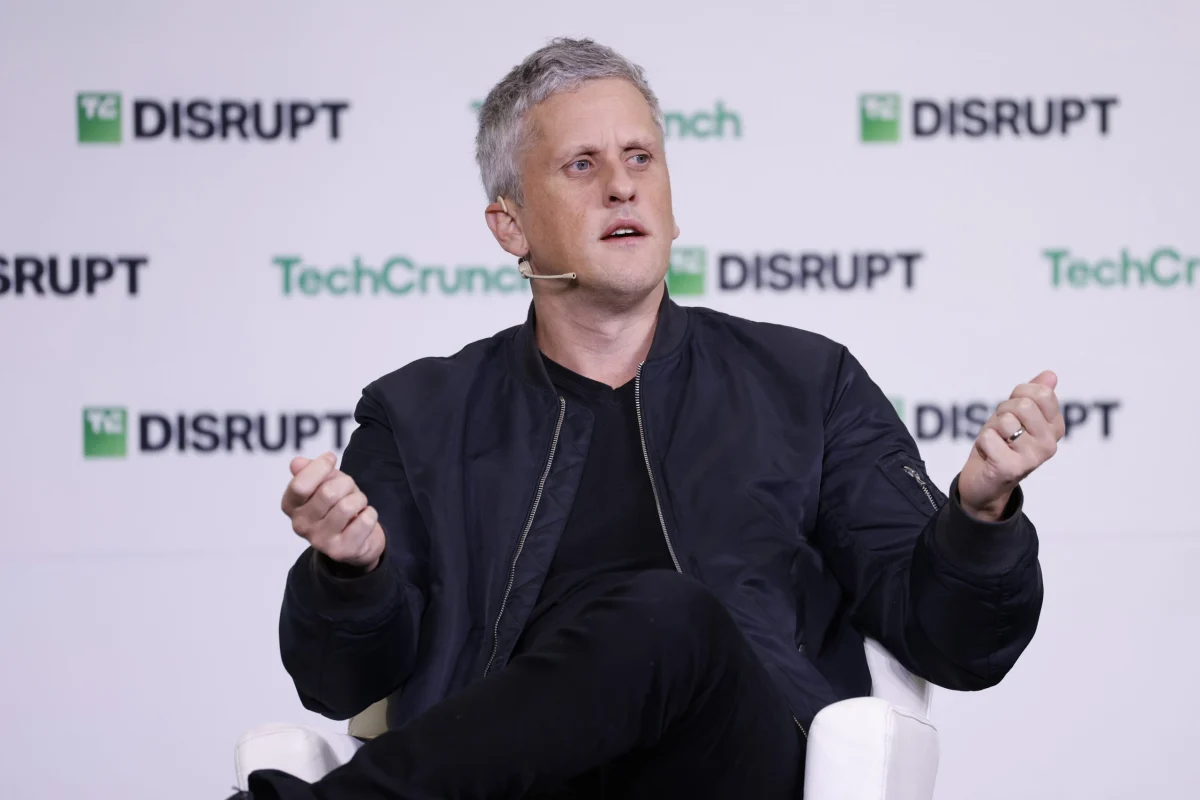
The fervent embrace of artificial intelligence by corporations is increasingly exposing a significant chasm between leadership’s strategic vision and the ground-level realities of its implementation. This phenomenon, described by Box founder Aaron Levie as a form of "AI psychosis," highlights a critical disconnect: those at the helm making decisions about AI’s capacity to replace human roles often possess a limited understanding of the intricate nuances inherent in those very positions. This enthusiastic, at times uncritical, adoption of AI technologies is not merely an abstract debate; it’s manifesting in tangible consequences, from widespread workforce reductions to a growing consumer rebellion against forced AI integration in essential services.
The Ascent of AI: A New Industrial Revolution?
The current wave of AI enthusiasm is not an isolated incident but rather the latest crest in a long history of technological advancements. From early computational theories in the mid-20th century to the expert systems of the 1980s and the machine learning breakthroughs of the 2000s, artificial intelligence has consistently promised transformative change. However, previous "AI winters" demonstrated the cyclical nature of hype versus reality. The recent explosion of generative AI models, exemplified by large language models (LLMs) and advanced image generation capabilities, has reignited investor interest and corporate ambition to unprecedented levels. Companies are under immense pressure from shareholders and competitors alike to demonstrate their commitment to AI, often viewing it as a panacea for efficiency gains, cost reductions, and competitive advantage.
This environment fosters a "gold rush" mentality, where the imperative to integrate AI can overshadow thorough strategic planning or a deep understanding of its practical implications. Boards and executives, often far removed from the day-to-day operations, are keen to report AI adoption statistics and projected savings, driven by a narrative that AI is an unavoidable and unequivocally beneficial force. This top-down pressure can lead to hasty decisions, where the theoretical potential of AI agents to automate tasks is prioritized over a comprehensive assessment of human workflows, tacit knowledge, and the invaluable soft skills that often underpin effective job performance. The allure of a leaner, more automated future is powerful, but the path to achieving it is proving to be fraught with complexity and unintended side effects.
Workforce Reconfiguration: The Human Cost of Automation
The most direct and often painful consequence of this accelerated AI adoption is its impact on the workforce. Companies across various sectors are restructuring operations, citing AI’s capabilities as a primary driver for reducing headcounts. A stark example emerged in 2026 when ClickUp, a project management software company, announced a significant cut of 22% of its workforce, explicitly attributing the decision to the deployment of "AI agents." This move, while framed by the company as a strategic evolution towards greater efficiency, sent a chilling message through the tech industry: even roles perceived as requiring human judgment and interaction are now considered vulnerable to automation.
The trend extends beyond isolated incidents. The tech sector, traditionally a bastion of job growth, has witnessed a concerning surge in layoffs. Data from 2026 indicates that the number of tech job cuts has already nearly matched the total for the entirety of 2025, with AI frequently cited as a contributing factor or the direct cause. While some of these layoffs may be attributed to broader economic pressures or a recalibration after pandemic-era overhiring, the consistent invocation of "AI integration" suggests a more systemic shift. Roles in areas like customer support, content moderation, data entry, and even certain aspects of software development and marketing are increasingly being targeted for partial or full automation. The challenge lies in determining whether these "AI agents" truly replicate the full scope and nuance of human performance, or if companies are sacrificing essential human capabilities for perceived short-term cost savings.
User Experience at a Crossroads: AI Integration vs. Utility
Beyond the internal corporate restructuring, the aggressive push for AI is also creating friction with end-users and consumers. A notable example is the growing dissatisfaction with search engines that prioritize AI-generated summaries and responses over traditional, direct links to source material. The privacy-focused search engine DuckDuckGo has reported a significant uptick in installations, driven by users explicitly seeking an alternative to Google’s increasingly AI-centric search experience. This user migration underscores a critical tension: while AI offers novel ways to synthesize information, many users still prefer the control and transparency of navigating directly to original sources.
The reasons for this user skepticism are multifaceted. AI-powered search, while often efficient for simple queries, can suffer from "hallucinations," where it confidently presents false or misleading information. Biases embedded in training data can also lead to skewed results, and the sheer volume of AI-generated content can make it harder for users to discern credible information from synthetic noise. Furthermore, some users simply prefer the agency of sifting through a curated list of links, allowing them to verify sources and form their own conclusions, rather than being "force-fed" an AI-summarized answer. This pushback highlights that technological advancement, particularly in consumer-facing applications, must be carefully balanced with user preferences, trust, and the fundamental utility of the service. An overly zealous integration of AI, without considering its impact on the user journey, risks alienating the very audience it aims to serve.
The Broader Societal and Economic Ripples
The rapid and sometimes indiscriminate adoption of AI carries profound implications that extend far beyond individual companies or disgruntled users. On an economic level, the potential for widespread job displacement could exacerbate wealth inequality, particularly if policies for retraining, universal basic income, or new social safety nets do not keep pace with technological change. While AI is poised to create new jobs, the transition period could be disruptive, leaving many workers in vulnerable positions. The "future of work" is not just about automation but also about how societies adapt to fundamentally altered labor markets.
Societally, the pervasive integration of AI raises critical questions about trust, ethics, and the very nature of information. Algorithmic bias, data privacy concerns, and the potential for AI to be misused for disinformation or surveillance are real and pressing issues. The cultural impact is also significant, as the lines between human and machine capabilities blur, prompting reevaluations of creativity, critical thinking, and what it means to contribute meaningfully to the economy. The rise of AI demands not only technological innovation but also a robust public discourse, ethical frameworks, and potentially new regulatory structures to ensure that its development serves the broader public good rather than solely corporate bottom lines.
Navigating the AI Frontier with Prudence
The narrative surrounding AI does not have to be a binary choice between unbridled enthusiasm and outright rejection. There is a critical middle ground that recognizes both the immense potential and the inherent risks. Responsible AI adoption necessitates a more nuanced approach, one that integrates technological capabilities with a deep understanding of human needs, ethical considerations, and the intricate realities of existing workflows. Leaders must move beyond the superficial allure of "AI agents" and engage with the practicalities of implementation, consulting with the very employees whose jobs are being redesigned or potentially replaced.
This prudent approach involves rigorous testing, transparent communication with employees and customers, and a commitment to understanding the long-term societal impacts. It means investing in reskilling initiatives for workers whose roles are displaced and fostering a culture of human-AI collaboration rather than pure replacement. The challenge for companies and policymakers alike is to harness the transformative power of AI to drive genuine innovation and create value, without sacrificing human capital, eroding user trust, or exacerbating societal inequalities. The ongoing debate between the "AI-pilled" and the "AI-skeptical" highlights the necessity for a balanced perspective, acknowledging that the most successful integration of artificial intelligence will likely be one guided by both ambition and an acute awareness of its broader consequences.







 Azin Asro