Amir Mahmud
A pivotal legal confrontation over the very essence and direction of artificial intelligence unfolded in court this week, as OpenAI CEO Sam Altman presented his defense against a lawsuit brought by co-founder Elon Musk. The legal challenge, centered on OpenAI’s contentious transition from a purely non-profit entity to a hybrid capped-profit structure, brought to light deeply rooted philosophical differences among its originators regarding the control and commercialization of advanced AI. Altman’s testimony offered a rare glimpse into the intense internal debates that shaped one of the world’s most influential AI research organizations, particularly focusing on Musk’s alleged desires for personal control over its burgeoning power.
The Genesis of a Vision: OpenAI’s Founding Principles
OpenAI was established in 2015 with an ambitious and seemingly altruistic mission: to ensure that artificial general intelligence (AGI) benefits all of humanity, rather than being controlled by a single corporation or government. Its initial structure as a non-profit organization reflected this ideal, attracting a cohort of visionary researchers and entrepreneurs, including Elon Musk, Sam Altman, Greg Brockman, and Ilya Sutskever. The founders shared a profound concern about the existential risks posed by powerful AI if developed without sufficient oversight and distributed control. Their collective vision was to foster AI research in the open, collaboratively, and for the public good, counterbalancing the secretive, proprietary efforts of tech giants.
However, the reality of developing cutting-edge AI quickly collided with the organization’s initial, purely philanthropic funding model. The computational demands and the immense talent required to advance the state of the art in machine learning proved astronomically expensive. By 2017, it became increasingly apparent that the non-profit structure, reliant on donations, could not generate the staggering capital necessary to compete with well-funded corporate labs. This financial imperative sparked intense internal discussions about the future operational model of OpenAI, laying the groundwork for the current legal dispute.
The Pivotal Shift: Funding, Control, and a "Hair-Raising Moment"
The quest for sustainable funding led to a critical juncture in 2017, a period Altman described as fraught with difficult choices. It was during these intense deliberations over how to secure the massive financial resources required to power their sophisticated AI models that the fundamental disagreements with Musk reportedly surfaced. While Musk’s attorneys have argued that OpenAI’s subsequent launch of a for-profit subsidiary constituted "stealing a charity," Altman vehemently rejected this characterization. He asserted that the organization had, in fact, created "one of the largest charities in the world," one he believes is engaged in vital work and destined for even greater impact.
Altman’s testimony recounted a "particularly hair-raising moment" from these 2017 discussions. When pressed on the hypothetical scenario of his death while controlling a nascent OpenAI for-profit entity, Musk reportedly suggested, "Maybe OpenAI should pass to my children." This proposal, according to Altman, caused significant alarm among the other founders. OpenAI’s foundational ethos was rooted in preventing any single individual from holding undue power over advanced AI. Altman, drawing on his extensive experience as president of Y Combinator, a prominent startup accelerator, noted the inherent difficulty in founders relinquishing control once established, amplifying his concerns about Musk’s expressed desire. This anecdote directly addresses the central question posed by Musk’s legal team regarding the company’s commitment to safety versus its commercial aspirations, by suggesting that Musk’s own "specific plans on safety made me worry."
Management Styles and Musk’s Departure
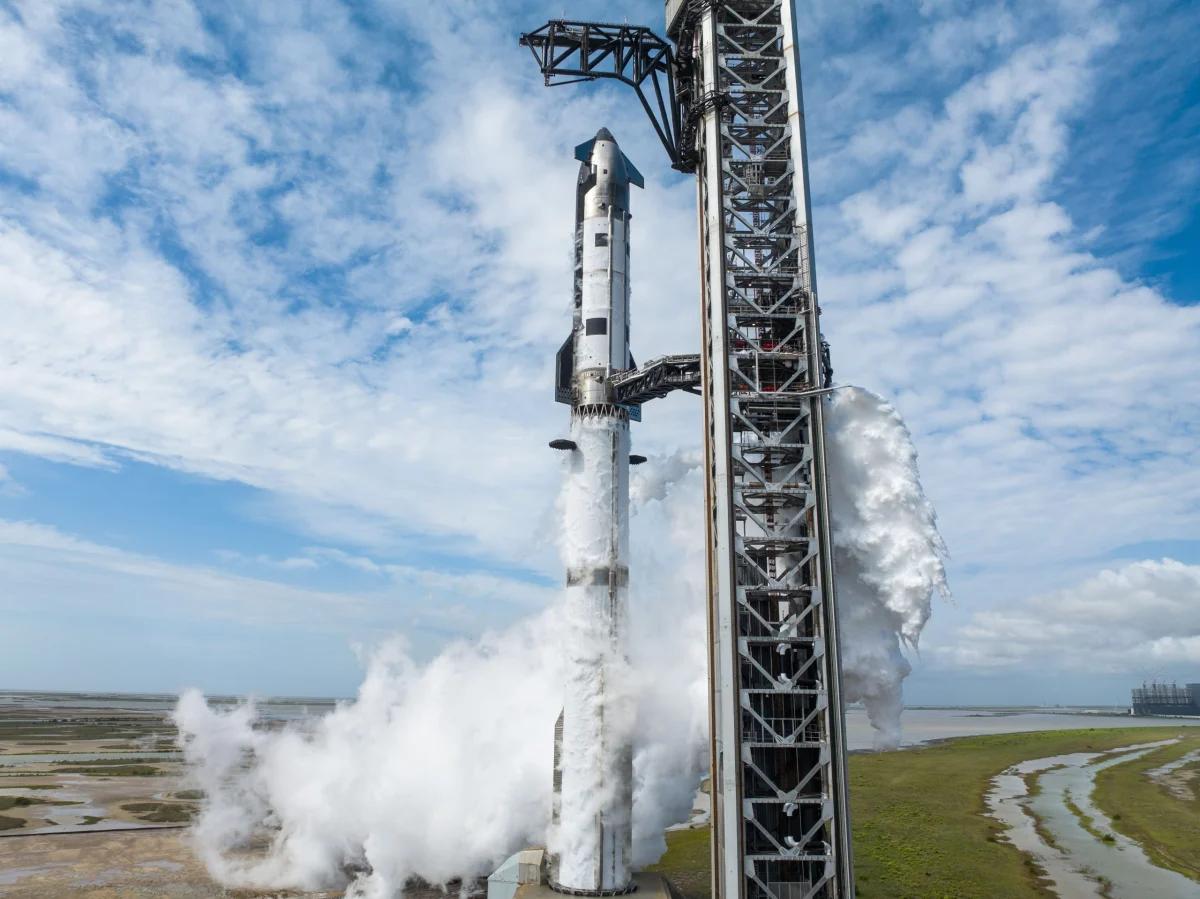
Beyond the philosophical clash over control, Altman also highlighted significant disagreements regarding organizational culture and management philosophy. He contended that Musk’s management tactics, which might have proven effective in the engineering and manufacturing realms of companies like Tesla or SpaceX, were ill-suited for a cutting-edge AI research laboratory. "I don’t think Mr. Musk understood how to run a good research lab," Altman stated, elaborating on the detrimental effects of these approaches.
Altman described instances where Musk allegedly "demotivated some of our most key researchers" and at one point demanded that Greg Brockman and Ilya Sutskever—two of OpenAI’s most critical scientific minds, effectively running the research efforts while Musk and Altman held other commitments—create a "list of the researchers and list out their accomplishments and stack rank them and take a chainsaw through a bunch." Such directives, Altman testified, inflicted "huge damage for a long time to the culture of the organization." He positioned himself as defending the "sweat equity" and intellectual contributions of Brockman and Sutskever, whose dedication formed the bedrock of OpenAI’s early scientific achievements. These unresolved clashes ultimately contributed to Musk’s decision to depart from OpenAI’s board in 2018. Following his departure, Musk pursued his own AI initiatives, establishing xAI and integrating advanced AI development within Tesla.
The Capped-Profit Model and its Evolution
The solution OpenAI eventually adopted to bridge its financial needs with its altruistic mission was the creation of a "capped-profit" subsidiary. This innovative structure allows investors to receive a financial return on their investment, but only up to a predefined limit, or "cap." Any value generated beyond this cap is then directed back to the original non-profit foundation, reinforcing its core mission. This model was designed to attract the substantial private capital necessary for large-scale AI research without fully compromising the organization’s commitment to broad societal benefit.
Musk’s legal challenge, however, asserts that this structure fundamentally betrayed the founding principles, transforming a public good into a private enterprise. OpenAI’s defense counters that this hybrid model was not a deviation but a pragmatic necessity to achieve the very mission of developing powerful AI safely and broadly. OpenAI board chair Bret Taylor testified that the non-profit foundation, which now reportedly boasts assets on the order of $200 billion, did not have full-time employees until recently due to the complex logistical challenge of converting its substantial equity holdings into liquid cash. This conversion was reportedly accomplished with the organization’s most recent restructuring in 2025, suggesting a delayed but ultimately robust activation of the non-profit’s operational capacity.
Broader Implications: The AI Arms Race and Governance Debates
The legal battle between Altman and Musk is more than just a corporate dispute; it encapsulates a foundational debate about the governance, ethics, and control of artificial intelligence in the 21st century. The rapid advancements in AI, epitomized by OpenAI’s ChatGPT, have ignited a global "AI arms race," with nations and corporations vying for supremacy in a technology poised to reshape economies, societies, and human existence itself. This competitive landscape further complicates the original ideal of open and universally beneficial AI development.
The lawsuit forces a crucial examination of how organizations, particularly those dealing with potentially transformative technologies like AGI, can balance the imperative for massive capital investment with deeply held ethical commitments. The challenge lies in defining what "benefiting humanity" truly means when the technology itself is still largely uncharted territory, and the costs of development are astronomical. Experts in AI ethics and governance frequently highlight the tension between accelerating innovation—which often requires significant private funding and competitive drive—and ensuring responsible development that prioritizes safety, fairness, and broad access. This case serves as a high-profile illustration of those inherent tensions.
Sustained Engagement and Accusations of Inconsistency
Despite the profound disagreements that led to Musk’s departure, Altman maintained contact with the entrepreneur. He continued to update Musk on OpenAI’s progress and, at various times, sought his funding and advice. OpenAI’s legal team emphasized this ongoing communication, noting that Musk was kept fully apprised of, and even invited to participate in, the very investment rounds that his lawsuit now claims corrupted the non-profit’s mission. This line of argument aims to undermine Musk’s standing as a disinterested party solely concerned with the original charter, suggesting a potential element of inconsistency or competitive motivation in his current legal stance.
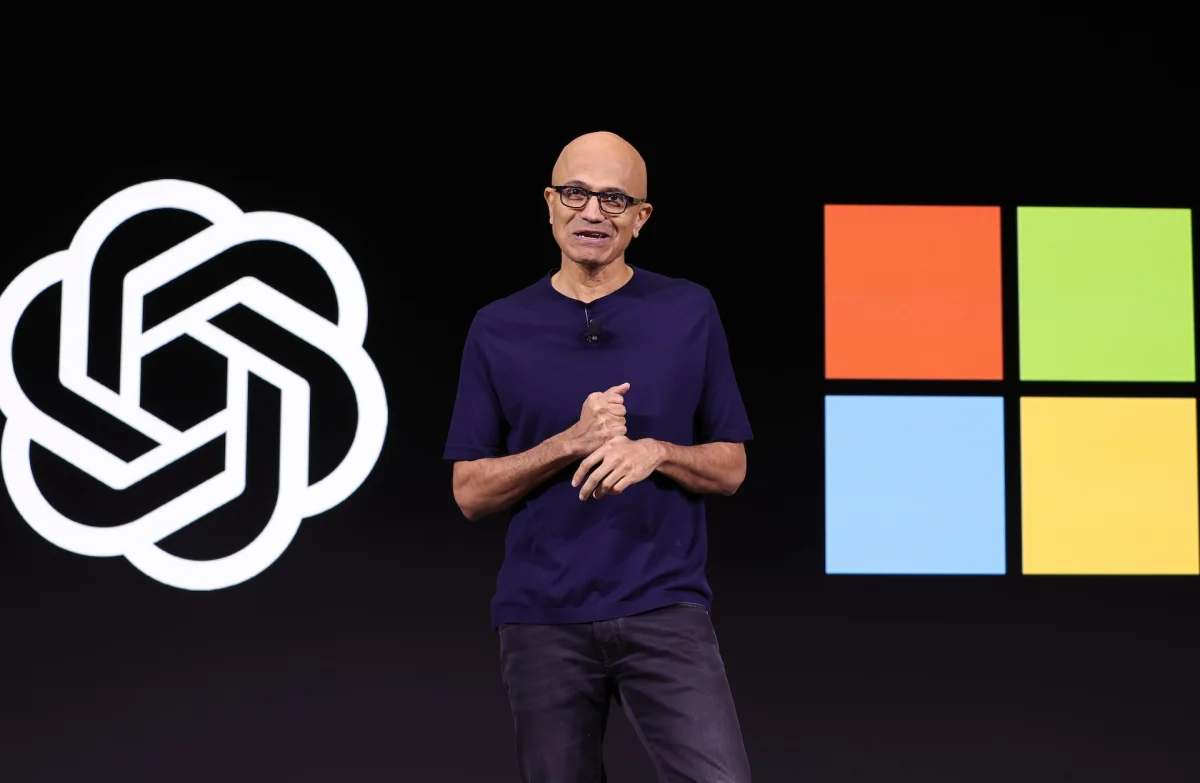
Altman notably recalled a particular discussion in 2018 concerning a significant Microsoft investment into OpenAI. In stark contrast to the adversarial tone of the current proceedings, Altman characterized it as a "good vibes meeting," during which Musk spent a "long conversation showing us memes on his phone." This anecdote, while seemingly lighthearted, serves to humanize the complex relationship between the two tech titans and potentially frames Musk’s later opposition to OpenAI’s commercial partnerships as a shift from an earlier, more collaborative posture.
The Path Forward
As the legal proceedings continue, the outcome will undoubtedly have far-reaching implications, not only for OpenAI and Elon Musk but for the entire AI industry. The verdict could redefine the parameters of non-profit involvement in high-tech commercial ventures and set precedents for the governance of powerful, potentially world-altering technologies. Regardless of the judicial outcome, the trial has already served to illuminate the inherent challenges in reconciling idealistic visions with the practical demands of innovation, capital, and control in the rapidly evolving landscape of artificial intelligence. The foundational fissures exposed in court underscore the ongoing, critical debate about who will ultimately steer the future of AI and on what terms.