Amir Mahmud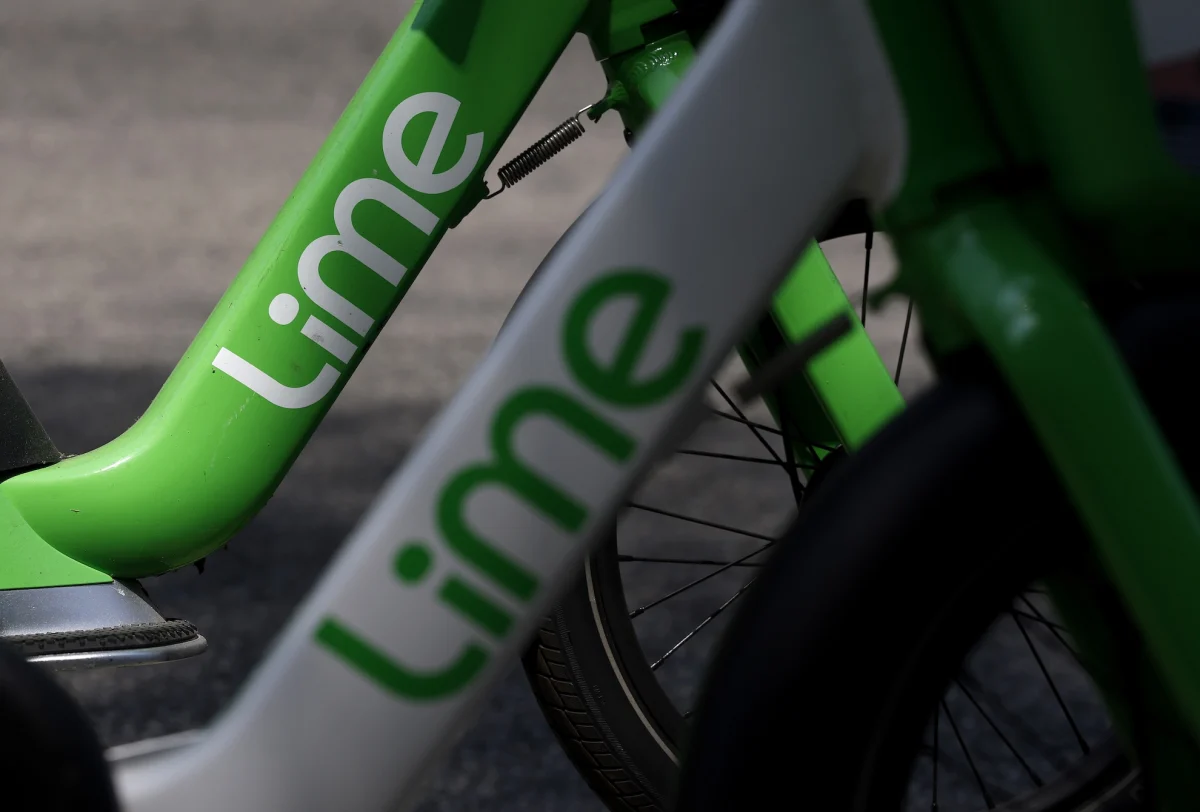
Electric bike and scooter rental pioneer Lime has officially filed for an initial public offering (IPO) in 2026, marking a pivotal moment for the micromobility sector and the company’s long-held ambition to go public. The filing, a registration statement submitted to the U.S. Securities and Exchange Commission (S-1), comes after years of speculation and preparations, signaling a critical juncture for the Uber-backed enterprise as it seeks substantial capital amidst a complex financial landscape.
Lime’s Ambitious Public Debut Amidst Micromobility’s Volatile Past
Lime’s journey to the public market has been a protracted one, with CEO Wayne Ting discussing an IPO as far back as 2020. This persistent pursuit reflects the company’s determination to solidify its position and access growth capital, even as the broader micromobility industry has experienced a tumultuous evolution. Founded in 2017, Lime, alongside competitors like Bird and Spin, was at the forefront of the "scooter wars," a period characterized by rapid expansion, aggressive venture capital funding, and a scramble for urban market share. These early years saw explosive growth, but also significant operational challenges, including intense competition, regulatory pushback over sidewalk clutter and safety, high maintenance costs, and often, a struggle to achieve consistent profitability. Many early players either folded, consolidated, or significantly scaled back operations, leading to a more rationalized, albeit still challenging, market environment by the mid-2020s.
The financial details disclosed in Lime’s S-1 reveal a company demonstrating growth and narrowing losses, yet simultaneously grappling with substantial liabilities. The filing indicates climbing revenues and positive free cash flow, a significant milestone for a sector often criticized for its cash-burning tendencies. Net losses reportedly narrowed after 2023, though a slight uptick was observed between 2024 and 2025. The enduring partnership with ride-hailing giant Uber, an early investor, remains a crucial revenue stream, accounting for approximately 14.3% of Lime’s income. This collaboration allows Uber users to seamlessly access Lime’s e-bikes and scooters directly through the Uber application, highlighting the strategic importance of integrated mobility platforms.
However, a formidable headwind looms large on Lime’s path to public trading. The company currently carries about $1 billion in current liabilities, with a staggering $675.8 million due by the end of 2026, and a total of approximately $846 million maturing within the next 12 months. The S-1 filing explicitly states that Lime does not possess sufficient liquidity to meet these obligations. This stark declaration underscores the existential necessity of the IPO: without successfully raising the required capital through public markets or renegotiating its debt agreements, Lime cautions that it may not be able to continue operating as a business. This situation exemplifies the high-stakes nature of growth-stage companies seeking public validation, where the promise of future profitability must contend with immediate financial demands.
Beyond its immediate balance sheet, Lime’s filing also identifies various operational risks. The condition of public road infrastructure, particularly the prevalence of potholes, is cited as a risk factor, humorously yet pointedly illustrating the everyday challenges faced by micromobility operators. Potholes are indeed notoriously unkind to shared scooters and bikes, leading to increased maintenance costs and potential safety issues for riders. Furthermore, the company’s revenue concentration in a relatively small number of markets is noted, with the United Kingdom alone accounting for 22.2% of its revenue in 2025. This geographical dependency could expose Lime to localized regulatory changes, economic downturns, or competitive pressures, emphasizing the need for diversification and robust market strategies. The decision to go public in 2026, a year where market sentiment towards tech IPOs remains cautious, suggests a calculated gamble—a belief that Lime’s improved operational metrics and the necessity of capital outweigh the inherent market risks.
Uber’s Deep Dive into Autonomous Mobility Partnerships
While Lime navigates its IPO, its key investor, Uber, continues to strategically expand its footprint in the autonomous vehicle (AV) landscape, notably through significant partnerships rather than solely in-house development. This approach marks a shift from Uber’s earlier, costly ventures into self-driving technology, such as its Advanced Technologies Group (ATG), which was eventually sold to Aurora. The company’s renewed focus is on leveraging the expertise of specialized AV developers, exemplified by its ambitious plan to launch a premium robotaxi service.
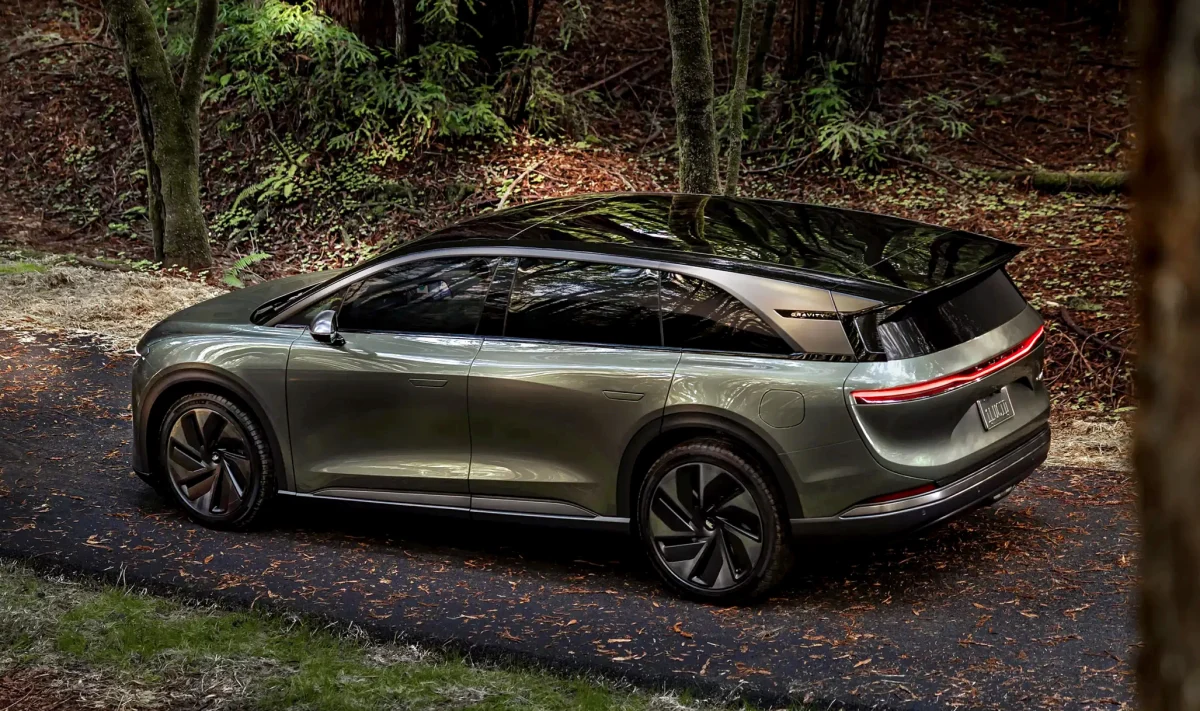
This initiative involves a multi-faceted collaboration, pairing Lucid Gravity electric vehicles with Nuro’s advanced autonomous driving technology. Initially, Uber committed $300 million to Lucid Motors and placed an order for at least 20,000 of Lucid’s new Gravity SUVs over a six-year period. Reflecting growing confidence and deepening strategic alignment, Uber subsequently increased its investment in Lucid to $500 million and expanded its vehicle order to 35,000 units. This substantial investment signals Uber’s intent to position its future robotaxi service at the higher end of the market, offering a premium experience distinct from conventional ride-hailing.
Details regarding Uber’s financial commitment to Nuro, a privately held Silicon Valley startup known for its autonomous delivery vehicles, were initially more opaque. However, sources familiar with the deal have now revealed Uber’s total financial pledge to Nuro is nearly $500 million. This sum encompasses Uber’s participation in Nuro’s Series E funding round last year, along with future milestone-based investments, indicating a phased financial commitment tied to Nuro’s progress and achievements.
Nuro’s development is showing tangible advancements, with the company actively testing Lucid vehicles in autonomous mode, albeit with a human safety operator present. A significant recent step includes expanding testing to allow Uber employees to request autonomous rides in these Lucid robotaxis, still under human supervision. Crucially, Nuro has secured two vital regulatory approvals: a driverless testing permit from the Department of Motor Vehicles and a permit from the California Public Utilities Commission. These permits are instrumental, allowing Nuro to advance towards fully driverless operations and eventually, commercial deployment in California. The move into robotaxis signifies a significant expansion for Nuro beyond its established autonomous delivery niche, positioning it as a key player in the evolving landscape of passenger mobility. Uber’s strategy of investing heavily in and partnering with leading AV and EV companies highlights its long-term vision to remain at the forefront of transportation innovation, adapting to technological shifts without bearing the full burden of developing every component in-house.
Autonomous Trucking Navigates Commercialization Hurdles
The realm of autonomous trucking, another frontier of mobility, is likewise grappling with the complex path from technological promise to commercial viability. Kodiak AI, a prominent player in this space, recently unveiled its first-quarter earnings, offering a compelling case study of the inherent challenges in commercializing cutting-edge technologies. Despite demonstrating significant progress on the commercial front, the financial market’s reaction underscored the persistent investor skepticism and capital demands in this sector.
Kodiak AI announced a series of strategic deals that illustrate its momentum. These include securing a commercial contract with Roehl, a trucking company, and initiating a pilot program to test Kodiak-equipped autonomous trucks in log-hauling operations for West Fraser Timber Co. in Alberta, Canada. Furthermore, the company formed a collaboration with General Dynamics Land Systems to develop autonomous ground vehicles for defense applications, signaling a diversification of its technological application. These agreements represent critical steps in validating Kodiak’s technology and demonstrating its potential across various heavy-duty transportation segments.
However, these operational successes were overshadowed by investor discontent regarding the terms of Kodiak’s recent $100 million capital raise. The company sold shares at $6.50 each, a steep discount from its previous closing share price of $9.10. Compounding the dilution, the financing package included warrants, granting investors the right to purchase additional shares later at prices as low as $6. The funding primarily came from existing backer Ares Management and several unnamed institutional investors. The immediate market response was sharp: Kodiak’s stock price plummeted by 37% in after-hours trading following the announcement of the financing and Q1 earnings. While shares have since seen a modest recovery, this episode highlights the delicate balance between securing necessary capital and maintaining shareholder confidence in the high-burn, long-horizon world of autonomous technology development. Analytical commentary often points to such discounted raises and warrant issuances as indicators of intense capital pressure, where companies prioritize funding over minimizing dilution to continue operations and development. Kodiak AI openly acknowledges that it will likely require additional capital injections as it continues to burn cash, pushing towards its ambitious goal of deploying driverless trucking operations on public highways. The journey to full autonomy, particularly in complex environments like long-haul trucking, demands sustained, significant investment, making the financial health and fundraising strategy of companies like Kodiak paramount.
The Broader Ecosystem: Innovation and Investment Beyond Core AVs
Beyond the headline-grabbing movements of micromobility and autonomous vehicles, the broader mobility ecosystem is witnessing a flurry of innovation and investment in enabling technologies and sustainable solutions. These developments, though perhaps less visible, are critical for the long-term viability and scalability of the entire sector.
Moment Energy, a startup focused on a novel approach to repurposing electric vehicle (EV) batteries, successfully raised a $40 million Series B funding round. This investment, led by Canadian VC firm Evok Innovations and joined by grocery retailer fund W23, alongside existing backers such as Amazon’s Climate Pledge Fund and the CIA-funded VC firm In-Q-Tel, underscores the growing recognition of the circular economy’s importance for EV components. Repurposing batteries extends their lifecycle, reducing waste and contributing to more sustainable energy storage solutions, a crucial aspect as EV adoption accelerates globally.
Similarly, Rocsys, a startup developing hands-free depot solutions for autonomous electric vehicles, secured $13 million in an extended Series A round. This funding, led by Capricorn Partners with participation from Scania Invest, Forward.One, SEB Greentech Venture Capital, and Graduate Venture, highlights the increasing demand for automated infrastructure to support future AV fleets. Hands-free charging is a vital component for robotaxi and autonomous logistics operations, enabling efficient, scalable, and labor-independent vehicle management. These investments collectively signal a maturing industry that is not only focused on the vehicles themselves but also on the intricate supporting infrastructure and lifecycle management required for a sustainable and automated future.
Other notable market shifts include Volkswagen becoming Rivian’s largest shareholder, displacing Amazon, indicating a deepening strategic alliance between an established automotive giant and a burgeoning EV innovator. Separately, EV startup Slate experienced a significant board change, with a representative from Jeff Bezos’ family office stepping down, a move often interpreted as a re-evaluation of investment strategy or confidence in the company’s trajectory. Meanwhile, Ouster is advancing lidar technology with a new lineup of color lidar sensors, with its CEO, Angus Pacala, optimistically suggesting they could eventually replace cameras in autonomous perception systems, reigniting the long-standing debate over the optimal sensor suite for AVs.
Regulatory Evolution and Industry Performance Spotlights
The evolving regulatory landscape and the performance of key industry players continue to shape the trajectory of the mobility sector. Regulatory bodies are increasingly proactive in establishing benchmarks and guidelines for emerging technologies, reflecting a balance between fostering innovation and ensuring public safety.
In 2024, the National Highway Traffic Safety Administration (NHTSA) updated its New Car Assessment Program (NCAP), introducing four new pass-fail tests specifically designed to evaluate the performance of advanced driver assistance systems (ADAS), with implementation beginning in 2026. This move signifies a heightened focus on the safety and reliability of semi-autonomous features. The later-release 2026 Tesla Model Y has become the first vehicle to meet these stringent new U.S. safety benchmarks, showcasing Tesla’s continuous efforts in ADAS development and its ability to adapt to evolving regulatory requirements.
On the autonomous trucking front, Aurora, another leader in self-driving technology, has commenced hauling commercial loads in driverless trucks in Texas for distribution giant McLane. While these trucks currently operate with human observers in the cab—who are explicitly prohibited from operating the vehicle—this commercial contract represents a significant step towards fully autonomous freight delivery. It illustrates the gradual, cautious deployment strategy adopted by many AV companies, prioritizing safety and operational validation before removing human oversight entirely.
Conversely, Lucid Motors, despite its strategic partnership with Uber, reported a challenging first quarter. The company faced a recall of its Gravity SUV and a pause in deliveries due to a supplier issue earlier in the year. Compounding these production woes, Lucid is also undergoing a leadership transition and has adjusted its guidance, expressing uncertainty regarding the number of EVs it will build or sell this year. This highlights the inherent difficulties in scaling EV production, even for well-funded startups with innovative technology.
The regulatory environment for autonomous vehicles remains dynamic, as evidenced by recent rules issued by the California Department of Motor Vehicles (DMV) for AVs. These expanded rules now permit self-driving trucks to test and deploy in the state, while also increasing reporting, data collection, and operational requirements, and granting law enforcement the authority to issue traffic violations. A recent poll conducted among industry observers revealed divided opinions on these new rules: 41% believed they "hit the mark," 27.6% considered them "too far-reaching," and 31% felt they "aren’t restrictive enough." This divergence of opinion underscores the ongoing debate about the appropriate level of regulation needed to foster innovation while safeguarding public interest.
The confluence of Lime’s high-stakes IPO, Uber’s strategic autonomous partnerships, Kodiak’s financial tightrope walk, and the broader ecosystem’s continuous innovation paints a vivid picture of a mobility sector in constant flux. While technological advancements promise a transformative future, the present is defined by significant capital demands, complex regulatory hurdles, and intense market pressures, all shaping the pace and direction of this evolving industry.