Amir Mahmud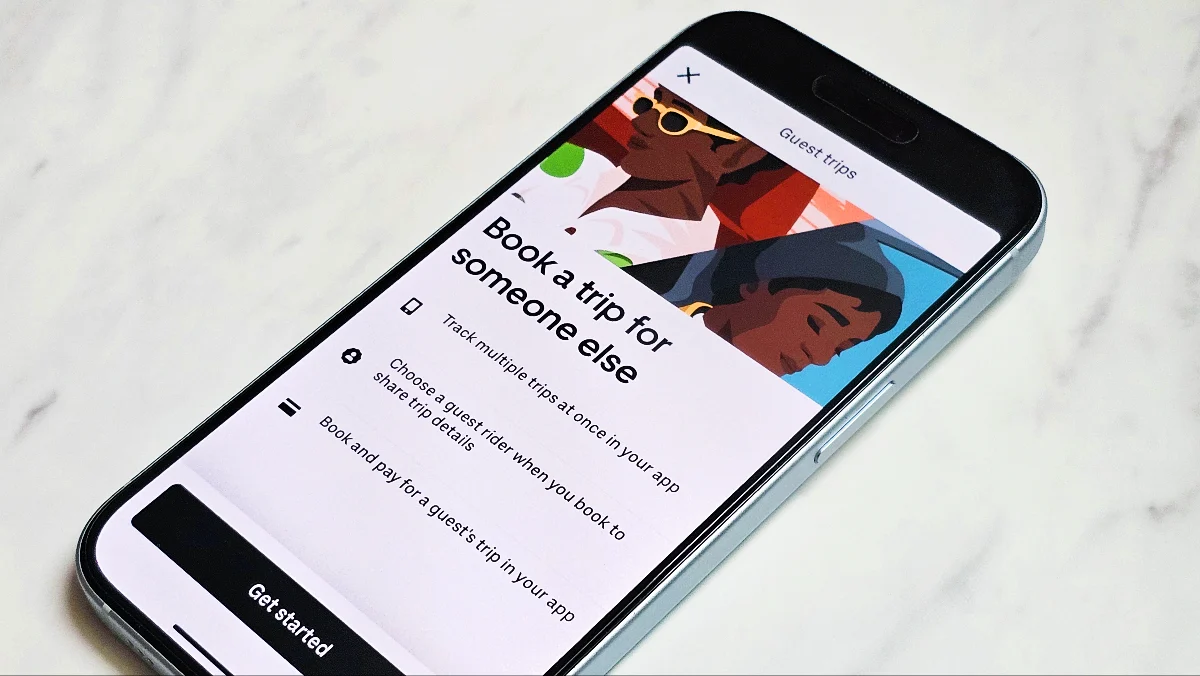
Uber, the company synonymous with on-demand transportation, is aggressively accelerating its long-held ambition to evolve into a multi-service "super app." This strategic pivot, recently highlighted by a series of significant product announcements, signifies a concerted effort to deepen user engagement and expand revenue streams beyond its core ride-hailing business. The urgency underpinning this transformation has been amplified by the increasing presence of autonomous vehicle competitors like Waymo, which recently began picking up passengers in San Francisco, signaling a future where the traditional ride-hailing model may face significant disruption.
The Super App Vision: A Global Trend Meets Western Realities
For years, the concept of a "super app"—a single mobile application offering a wide array of services, from messaging and social media to payments, e-commerce, and ride-hailing—has been a dominant paradigm in Asian markets. Platforms like China’s WeChat, or Southeast Asia’s Grab and Gojek, have successfully integrated daily digital life into one interface, becoming indispensable tools for millions. These apps thrived in environments where a patchwork of less sophisticated, single-purpose applications existed, allowing them to consolidate user activity and create powerful network effects.
However, replicating this model in Western markets, particularly the United States, has proven challenging. The digital landscape in the U.S. is characterized by a mature ecosystem of highly specialized, often category-leading applications for almost every conceivable service. From dedicated apps for food delivery to travel booking and financial transactions, consumers are accustomed to choice and often prefer best-in-class individual experiences. Uber’s Chief Technology Officer, Praveen Neppalli Naga, articulated this distinction, noting that many attempts at U.S. super apps have faltered by merely bolting on services without providing a compelling, cohesive reason for users to stay within the platform. Uber’s strategy, therefore, is not just about adding features, but about weaving them into a seamless, value-driven experience designed to foster loyalty.
Expanding the Uber Ecosystem: Recent Innovations and Strategic Partnerships
The most tangible evidence of Uber’s intensified super app strategy emerged during its annual GO-GET product event in New York. A cornerstone announcement was the integration of hotel booking directly into the Uber app for U.S. users, facilitated by a strategic partnership with Expedia Group. This collaboration provides access to an extensive catalog of over 700,000 properties worldwide, immediately positioning Uber as a significant player in the online travel agency space.
This initial foray into accommodations is merely the beginning. Uber has confirmed that vacation rentals, through Expedia’s Vrbo platform, will be incorporated later this year. Concurrently, the company plans to integrate restaurant reservations via OpenTable, another Expedia Group entity, further solidifying its presence in the travel and hospitality sectors. These integrations are designed to create a comprehensive travel itinerary experience, allowing users to arrange their rides, lodging, and dining all from a single application.
Beyond traditional travel services, Uber also unveiled a "Shop for Me" feature. This innovative service empowers users to request orders from stores not formally listed on the Uber Eats platform, with a driver fulfilling the purchase and delivery. This moves Uber beyond its established network of partner merchants, transforming its fleet into a more versatile personal shopping and delivery service. These diverse additions paint a clearer picture of Uber’s vision: to become the indispensable digital hub for its nearly 200 million monthly active users, catering to a much broader spectrum of their daily needs and lifestyle choices.
The Core of the Strategy: Membership and User Retention
Central to Uber’s super app ambition is its subscription tier, Uber One. Priced at $9.99 per month, Uber One is positioned as the linchpin that provides a "reason to stay," addressing the very challenge identified by CTO Praveen Neppalli Naga. Subscribers receive tangible benefits, including 20% off a rotating selection of 10,000 hotels and 10% back in Uber credits on eligible bookings. Similar benefits extend across ride-hailing and food delivery services, such as discounted rides and unlimited $0 delivery fees on qualifying orders.
This subscription model is crucial for several reasons. Firstly, it enhances customer loyalty by offering continuous value, making it less likely for users to defect to competing services. Secondly, it incentivizes cross-platform engagement; a user subscribing for ride discounts might be more inclined to try food delivery or hotel booking through the app to maximize their membership benefits. Thirdly, it provides a stable, recurring revenue stream, diversifying Uber’s income beyond transactional fees. The company’s latest financial reports underscore Uber One’s success, revealing that 50 million people are now paying subscribers, collectively accounting for approximately half of the company’s total gross bookings. This demonstrates the powerful leverage of a well-executed membership program in driving both engagement and revenue across a multi-faceted platform.
Beyond Present Offerings: Glimpses into Future Ambitions
While the current expansion focuses on travel and broader delivery services, Uber’s long-term vision extends even further. Flights, a service Uber attempted to offer in Europe years ago without sustained success, remain a possibility. While CTO Naga stated the immediate focus is on perfecting hotel bookings, he did not explicitly rule out future flight integration, remarking, "Never say never." This suggests a careful, iterative approach to introducing new, complex services.
Financial services also appear to be on Uber’s radar. The company already offers a debit card to its drivers in Mexico, hinting at the potential for broader financial offerings, such as payment processing or even basic banking services, for its vast ecosystem of users and gig workers. The global trend of tech companies moving into fintech, leveraging their extensive user data and payment infrastructure, makes this a logical progression for Uber.
In parallel to its consumer-facing super app push, Uber continues its strategic integration into the autonomous vehicle (AV) industry. This involves positioning itself as a crucial data provider, an investor in AV startups, and a vital distribution platform for future self-driving fleets. By embedding itself across various layers of the AV ecosystem, Uber aims to secure its relevance regardless of how the mobility landscape evolves, balancing its immediate consumer growth with long-term technological shifts.
The Competitive Landscape: A Battle for Digital Dominance
Uber’s accelerated super app drive unfolds within an increasingly competitive digital arena, where several tech giants are vying for broader user engagement. The catalyst for Uber’s increased urgency, Waymo’s expansion of fully autonomous ride services in San Francisco, highlights the existential threat posed by driverless technology to traditional ride-hailing. As autonomous vehicles become more prevalent, the value proposition of a human-driven ride-hailing service could diminish, pushing Uber to diversify its offerings rapidly.
Competitors in adjacent sectors are also making moves. Airbnb, arguably the most directly impacted by Uber’s hotel booking venture, has announced its own transportation ambitions. In late March, Airbnb partnered with Welcome Pickups to offer airport transfers in 125 cities across Asia, Europe, and Latin America. This initiative is explicitly designed to keep users within the Airbnb app for the entire travel journey, directly challenging Uber’s dominance in the ground transportation space and underscoring the fierce competition for traveler loyalty.
Meanwhile, Elon Musk has spent years articulating his vision for X (formerly Twitter) to become an "everything app" akin to WeChat. His ambitious plans include the imminent public launch of X Money, a banking and payments platform built within the social network. With a reported 500 million monthly active users, X presents a different, yet equally formidable, contender in the race for a comprehensive digital ecosystem, albeit one rooted in social media rather than mobility. The fundamental question for the American market remains how many such "super apps" it can realistically sustain, given established user habits and preferences for specialized applications.
Market Dynamics and Investor Sentiment
Uber’s strategic shift hinges on a powerful competitive advantage: its massive installed user base. With millions of users already having provided their payment information and accustomed to interacting with the app for various services, the company believes it’s an "easy lift" to convince them to book a hotel or order from an unlisted store, compared to the challenge of compelling them to download an entirely new application. This existing trust and convenience form a significant "moat" against new entrants.
Recent financial results offer further validation for Uber’s diversification strategy. Its delivery segment, Uber Eats, reported a robust 34% year-over-year revenue growth in the first quarter, reaching $5.07 billion. This surge places Uber Eats nearly on par with mobility in terms of gross bookings, demonstrating the successful expansion beyond its original core service. The strong performance of delivery services, coupled with the impressive growth of Uber One subscriptions, indicates a promising trajectory for the super app model.
Despite these positive internal metrics, Wall Street’s reaction has been somewhat reserved. Uber’s stock remained down approximately 8% year-over-year following its recent earnings report. This lukewarm investor sentiment suggests a cautious approach, as analysts and investors likely weigh the long-term profitability and execution risks associated with such an ambitious, multi-faceted expansion in a highly competitive market. The challenge lies in demonstrating sustained profitability across all new ventures, while maintaining operational excellence and fending off nimble competitors.
Conclusion: The Road Ahead for Uber’s Ecosystem Play
Uber’s transformation into a comprehensive digital ecosystem represents a bold and necessary strategic evolution. Driven by the twin pressures of competitive innovation from autonomous vehicles and the aspiration to unlock deeper user value, the company is meticulously building out a suite of services designed to make its platform indispensable. The success of Uber One and the robust performance of its delivery segment provide strong internal indicators that this super app strategy is gaining traction. However, the path ahead is fraught with challenges, including navigating intense competition, adapting to diverse regulatory environments, and ultimately convincing a discerning Western consumer base to consolidate their digital lives within a single application. Uber’s journey from a disruptive ride-hailing pioneer to a ubiquitous digital platform remains one of the most compelling stories in the evolving landscape of technology and consumer services.