Amir Mahmud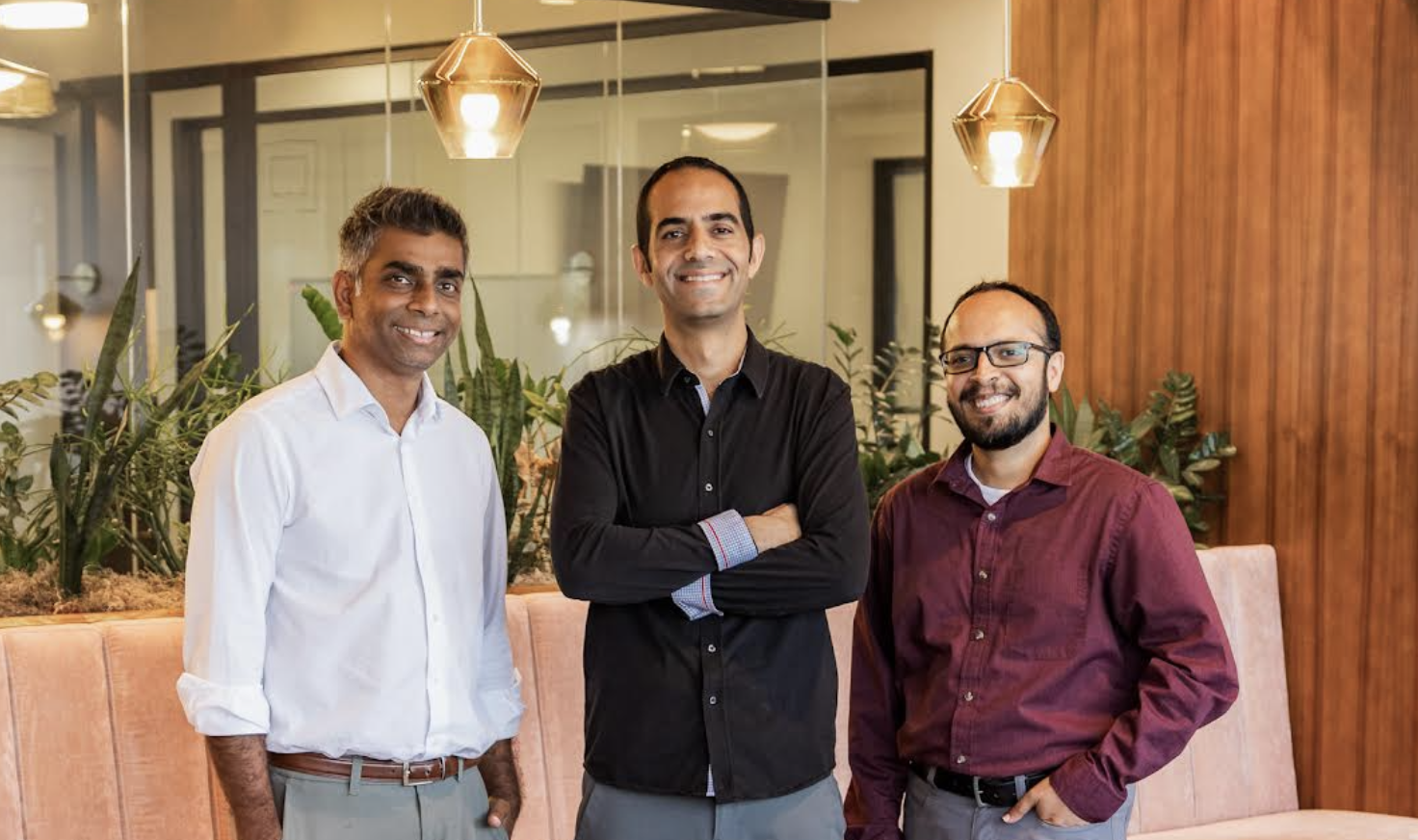
In an era increasingly defined by technological leaps, a pervasive and often frustrating bottleneck within the American healthcare system continues to hinder patient access to specialized medical care: the administrative chasm between a primary care physician’s referral and a specialist’s confirmed appointment. While much of the innovation spotlight in health technology shines on advanced diagnostics, drug discovery, or virtual consultations, a less visible but equally critical segment of the patient journey remains stubbornly manual and inefficient. This administrative lag, a significant contributor to delayed care and patient dissatisfaction, is now attracting substantial venture capital interest, signaling a concerted effort to modernize a deeply entrenched problem.
A System Under Strain: The Administrative Burden
The complexity of healthcare administration in the United States has evolved over decades, transforming what was once a relatively straightforward process into a labyrinth of paperwork, insurance authorizations, and inter-office communications. Historically, referrals might have been simple notes passed between physicians in the same community. However, the proliferation of insurance plans, the increasing specialization of medicine, and the fragmentation of healthcare networks have collectively created an administrative leviathan. Each referral now typically requires meticulous documentation, verification of insurance eligibility, and often, prior authorization from payers, all before a patient can even be considered for an appointment.
Perhaps one of the most anachronistic elements persisting in modern healthcare is the ubiquitous fax machine. Despite widespread digital transformation in other sectors, medical offices, bound by stringent privacy regulations like HIPAA and often lacking fully interoperable digital systems, continue to rely heavily on faxes for transmitting sensitive patient information and referrals. This reliance on outdated technology creates an immediate bottleneck. Small administrative teams in specialist practices often find themselves buried under hundreds, if not thousands, of incoming faxes daily, each requiring manual review, data entry, and patient outreach. This monumental task often leads to significant delays, lost referrals, and a backlog that can stretch for weeks or even months, directly impacting patient outcomes and contributing to physician burnout. The system, designed to manage care, ironically becomes an impediment to it.
Basata’s Vision: Bridging the Referral Gap with AI
Emerging from this administrative quagmire is Basata, a Phoenix-based startup founded two years ago, which aims to leverage artificial intelligence to streamline the referral process. Co-founded by Kaled Alhanafi, a former executive from technology giants Lyft and Cruise, and Chetan Patel, who spent a decade innovating cardiac devices at Medtronic, Basata’s solution directly targets the manual inefficiencies plaguing specialist access.
At its core, Bas Basata’s system intercepts incoming referrals—still predominantly delivered via fax—and immediately begins an automated process. Utilizing advanced optical character recognition (OCR) and natural language processing (NLP), the AI-powered platform reads and comprehends the referral document, extracting all pertinent clinical information, patient demographics, and insurance details. This data is then organized and prepared for the next critical step: patient engagement. An AI voice agent directly contacts the patient, often within minutes or hours of the referral being sent, to schedule the appointment. This swift communication drastically cuts down on the typical waiting period, a stark contrast to the weeks or months patients often endure for a callback. Basata’s founders envision a future where a patient might have a confirmed specialist appointment before even leaving the primary care physician’s parking lot. Beyond initial scheduling, the AI agent can also handle inbound calls from patients, addressing common administrative queries or facilitating tasks like prescription renewals, effectively extending the practice’s administrative capacity around the clock.
From Personal Frustration to Innovative Solution
The genesis of Basata’s mission is deeply rooted in the founders’ personal encounters with the very problem they now seek to solve. Chetan Patel recounted a harrowing experience when his wife fainted on a flight with their young children. Despite his profound understanding of cardiology and the specific medical devices that could aid her, navigating the administrative labyrinth to secure appropriate specialist care proved painstakingly slow. "We have the best doctors, we have some of the best medicines, but the care gap is just so wide," Patel observed, highlighting the stark contrast between medical excellence and administrative dysfunction.
Kaled Alhanafi shared a parallel narrative concerning his father, who, after a severe carotid artery diagnosis, was referred to three different cardiology groups. Only one practice responded within a couple of weeks. Another contacted them only after the necessary surgery had already been performed, and the third never called back at all. These personal anecdotes are not isolated incidents but rather representative of a systemic flaw that impacts countless patients daily. The human cost of these delays extends beyond mere inconvenience; it encompasses heightened anxiety, prolonged suffering, and, in critical cases, potentially worse health outcomes. For patients, the inability to swiftly access specialist care can be a source of immense stress, eroding trust in a system that often feels impersonal and unresponsive. For physicians, it represents a frustrating barrier to delivering timely, effective care, undermining their efforts and exacerbating feelings of powerlessness against an overwhelming administrative tide.
Navigating a Niche: Strategy and Market Footprint
Basata’s approach to market penetration is deliberate and focused, opting for a deep integration within specific medical specialties rather than attempting to serve the entire healthcare spectrum at once. The company began its journey by thoroughly mapping the workflows and electronic medical record (EMR) systems used in cardiology, a field where timely referrals are often critical. Following its success there, it expanded to urology. This strategic focus allows Basata to build highly tailored solutions that seamlessly integrate with the nuanced operational requirements and diverse EMR platforms prevalent in different specialties. The decision to decline a significant deal in a specialty they hadn’t yet "mapped thoroughly enough" underscores their commitment to quality and efficacy over rapid, untargeted expansion.
The financial model Basata employs is usage-based, a structure designed to appeal to practices by aligning costs directly with service utilization. Practices pay per document processed and per call handled, rather than a fixed "per seat" license fee, which can be a barrier for smaller or less affluent practices. This scalable model has evidently resonated with the market, as Basata reports processing referrals for approximately 500,000 patients to date, with a remarkable 100,000 of those occurring in the last month alone. Such rapid acceleration, coupled with the impressive statistic that 70% of new deals now originate from word-of-mouth referrals, provides strong validation of Basata’s value proposition and efficacy within the medical community.
The Competitive Arena: AI in Health Tech’s Referral Race
The burgeoning field of AI-driven healthcare administration is rapidly becoming a hotbed of innovation and investment. Basata’s success story unfolds within an increasingly crowded and competitive landscape, attracting significant venture capital backing. The company recently secured a $21 million Series A round, bringing its total funding to $24.5 million. This round was led by Lan Xuezhao of Basis Set Ventures, a former PhD researcher in human brain modeling, alongside participation from Cowboy Ventures, founded by Aileen Lee, and Sofeon, a new venture firm by Victoria Treyger.
However, Basata is not alone in recognizing the immense potential of automating healthcare administration. Competitors like Tennr, a New York-based startup founded in 2021, have already made substantial inroads, raising over $160 million to date from prominent investors such as Andreessen Horowitz, IVP, Lightspeed, and Google Ventures, achieving a valuation of $605 million. Tennr’s primary focus lies in document intelligence, leveraging proprietary language models trained on tens of millions of medical documents to automate data extraction. Similarly, Assort Health, backed by Lightspeed, concentrates on automating patient phone communication for specialty practices and last year secured funding at an impressive $750 million valuation.
Basata differentiates itself by offering an end-to-end workflow solution that combines both document processing and patient communication capabilities, tailored specifically to individual specialties. While competitors might excel in one facet, Basata aims to provide a comprehensive, integrated solution. This integrated approach, while potentially harder to sustain against better-funded, more specialized rivals, clearly addresses a holistic need within the market. Aileen Lee of Cowboy Ventures emphasized the importance of founder experience in this competitive arena, noting, "When you’re selling to medical practices, trust is a really big deal. These doctors want to look you in the eye and know that they can count on you." This sentiment suggests that deep industry knowledge and a proven track record can be significant differentiators in a market where healthcare providers are understandably cautious about adopting new technologies.
The Human Element: Augmentation, Not Displacement
As with many AI-driven innovations that automate tasks traditionally performed by humans, the question of job displacement inevitably arises. Basata’s founders contend that their technology is designed not to displace administrative staff but to augment their capabilities. Their current pitch emphasizes freeing administrative teams from the most repetitive, time-consuming aspects of their jobs, thereby allowing them to focus on more complex, empathetic, and human-centric tasks.
Indeed, administrative staff in specialty practices are often deeply experienced, having served in their roles for decades, possessing an intimate knowledge of practice operations and patient needs. However, they are frequently overwhelmed by the sheer volume of work, a burden that conventional hiring practices often cannot fully alleviate. Alhanafi notes that these staff members are not expressing concerns about job security; instead, their primary worry is "drowning" in the current workload. By offloading the grunt work of processing faxes and making initial scheduling calls, AI solutions like Basata’s can empower human administrators to handle more intricate patient inquiries, resolve complex scheduling conflicts, and provide a higher level of personalized service that truly requires human judgment and compassion. This perspective aligns with a broader industry trend where AI is increasingly viewed as a tool for workforce augmentation, enhancing human productivity and allowing professionals to leverage their unique skills more effectively, rather than rendering them obsolete.
Reshaping Patient Journeys in a Digital Age
The emergence and rapid growth of companies like Basata underscore a pivotal shift in how the healthcare industry is addressing its long-standing administrative inefficiencies. By applying sophisticated AI technologies to the often-overlooked referral process, these innovators are not merely automating tasks; they are fundamentally reshaping the patient journey, making it more efficient, accessible, and less stressful. The success of Basata, validated by significant investment and robust market adoption, signals a clear demand for solutions that can bridge the chasm between medical need and timely care. As AI continues to mature and integrate deeper into healthcare operations, the vision of a truly patient-centric system, unburdened by archaic administrative delays, moves closer to reality, promising a future where cutting-edge medical care is matched by equally advanced access.