Amir Mahmud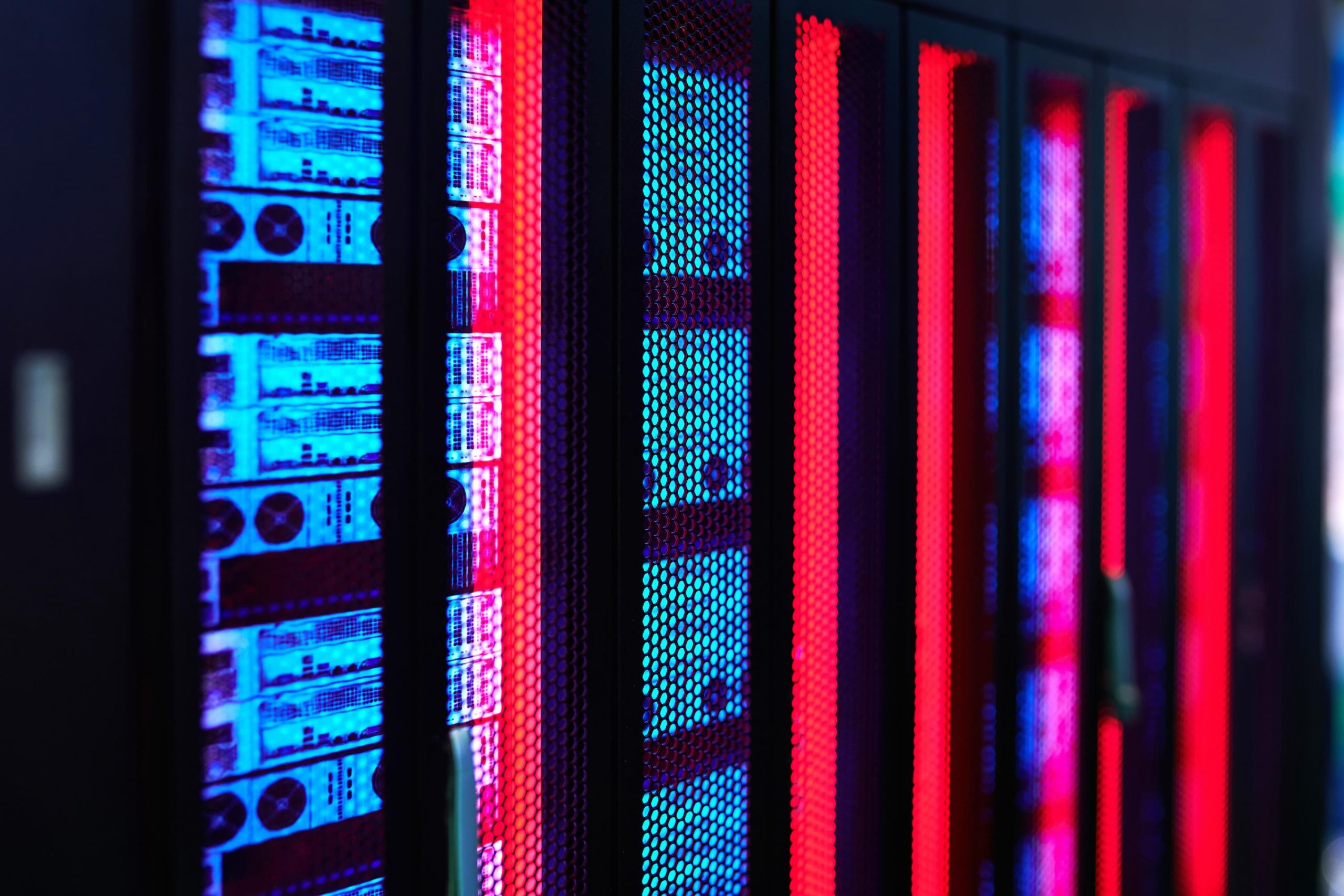
A surprising shift in public sentiment reveals that many Americans would prefer an e-commerce warehouse over a data center in their local area, highlighting growing community opposition to the rapidly expanding digital infrastructure. This preference, uncovered by a recent Harvard/MIT poll, underscores a deepening unease with the environmental and economic impacts of the facilities powering our increasingly digital world. The poll, conducted in November among 1,000 respondents, found that while 40% supported data center construction in their region, 32% actively opposed it when presented alongside other industrial facilities. The unexpected finding that a warehouse was more palatable points to a complex interplay of perceived benefits, environmental anxieties, and economic realities at the local level.
The Invisible Backbone of the Digital Age
Data centers, often described as the "factories of the digital age," are vast, highly secure buildings housing thousands of networked computer servers. These facilities are the essential, yet largely unseen, infrastructure supporting virtually every aspect of modern life: cloud computing, streaming services, artificial intelligence, online banking, social media, and remote work. Without them, the seamless digital experiences we take for granted would grind to a halt. As global digital transformation accelerates, fueled by the proliferation of smart devices, the explosion of big data, and the transformative rise of artificial intelligence, the demand for these server farms has skyrocketed. Tech giants and hyperscale cloud providers are racing to build ever-larger facilities, often concentrating them in regions offering affordable land, reliable power grids, and favorable tax incentives.
However, this relentless expansion, once a quiet background process, has increasingly moved into the public spotlight. Communities are now grappling directly with the tangible consequences of housing these digital behemoths. The perception of data centers has evolved from benign, high-tech enterprises to resource-intensive structures with significant local footprints, raising questions about their true cost and benefit to neighboring residents.
Historical Evolution and Modern Demands
The concept of centralized computing infrastructure dates back to the mainframe era of the mid-20th century, where large corporations housed their mainframes in dedicated, climate-controlled rooms. These early "data centers" were typically internal, corporate affairs, far removed from public discourse. The dot-com boom of the late 1990s and early 2000s saw the emergence of co-location facilities, where multiple businesses could rent space for their servers, marking the first significant commercialization of data center services.
The real inflection point arrived with the advent of cloud computing in the mid-2000s. Companies like Amazon Web Services (AWS), Microsoft Azure, and Google Cloud Platform began building massive, hyperscale data centers designed to serve millions of customers globally. These facilities dwarf their predecessors in scale, energy consumption, and complexity. More recently, the meteoric rise of generative AI and machine learning models has further intensified demand. Training sophisticated AI models requires unprecedented computational power, leading to a new generation of "AI data centers" that are even more energy-hungry and specialized, equipped with thousands of powerful graphics processing units (GPUs). This rapid technological progression has compressed decades of infrastructure development into mere years, amplifying the challenges of integration into existing communities and ecosystems.
Community Concerns Take Center Stage
The Harvard/MIT poll’s findings are not isolated. A separate survey conducted last month by Quinnipiac University, encompassing 1,397 U.S. adults, painted an even starker picture of opposition. This poll, specifically inquiring about "AI data centers," revealed that 65% of Americans oppose their construction in their community, with only 24% expressing support. The significant difference in opposition levels between the two polls – 32% in the Harvard/MIT survey for general data centers versus 65% for AI-specific ones in the Quinnipiac poll – suggests that public anxiety may be particularly acute when the facilities are explicitly linked to artificial intelligence. This could stem from a broader societal apprehension about AI’s ethical implications, job displacement fears, or simply a lack of understanding regarding the technology’s infrastructure requirements.
The rising backlash against data center proliferation is multifaceted, encompassing concerns over environmental impact, economic benefits, and quality of life. What was once a largely invisible backend operation is now a focal point of local political and environmental debates, transforming from a quiet necessity into a contentious development project.
The Energy and Environmental Footprint
One of the most pronounced public anxieties, as highlighted by the Harvard/MIT poll, is the potential for increased electricity prices. Two-thirds of respondents expressed worry that a new data center would nudge energy costs higher in their region. This concern is well-founded. Data centers are enormous consumers of electricity, running 24/7 to power servers and, crucially, to cool them down. A single hyperscale data center can consume as much electricity as a small city. The International Energy Agency (IEA) has projected a substantial increase in electricity demand from data centers globally, with some estimates suggesting they could account for up to 8% of total electricity consumption in certain countries by the end of the decade.
This massive energy footprint places considerable strain on local power grids, often necessitating the construction of new transmission lines or even power plants, which can be costly and environmentally impactful. While many major tech companies are committed to powering their data centers with renewable energy, the sheer scale of demand often outstrips local green energy availability, leading to reliance on fossil fuel sources. Furthermore, the cooling systems used in data centers often require substantial amounts of water, sometimes drawing millions of gallons daily from local aquifers or municipal supplies, raising concerns about water scarcity in drought-prone regions. Beyond energy and water, the constant hum of cooling fans can contribute to noise pollution, impacting nearby residents.
Economic Promises Versus Local Realities
Proponents of data center development often emphasize the economic benefits, including job creation and increased tax revenue. Indeed, the construction phase of a large data center can generate hundreds, even thousands, of temporary jobs for skilled tradespeople. Once operational, however, data centers are surprisingly lean employers. While they require a small number of highly specialized IT professionals, security personnel, and maintenance staff, the long-term operational workforce typically numbers in the dozens, not hundreds or thousands. This reality often clashes with local expectations of widespread employment opportunities, leading to disappointment and fueling the perception that the facilities consume resources without delivering commensurate local jobs.
On the tax revenue front, data centers can be significant contributors to local coffers, particularly through property taxes. However, many localities offer substantial tax abatements and incentives to attract these facilities, sometimes reducing the net financial benefit to the community. There’s also the potential for land speculation and rising property values in areas targeted for data center development, which can contribute to gentrification and affordability challenges for existing residents. The analytical commentary here suggests a growing disconnect between the macroeconomic benefits touted by developers and the microeconomic realities experienced by host communities.
The Paradox of Public Preference: Warehouses vs. Data Centers
The "fun tidbit" from the Harvard/MIT poll – that more people would prefer an e-commerce warehouse – is particularly telling. On the surface, both facility types represent large-scale industrial development. However, their public perception and tangible impacts differ significantly. An e-commerce warehouse, while generating truck traffic and noise, is often seen as a more direct source of local employment, even if many of these jobs are lower-wage or temporary. People can visualize the activity, the goods moving, and the people working. The economic activity feels more immediate and understandable.
Data centers, in contrast, are often perceived as enigmatic, windowless fortresses. Their "output" is intangible – data processing – and their internal workings are largely invisible. This lack of transparency can breed suspicion and fear of the unknown. Communities may struggle to see the direct local benefit of a facility that consumes vast resources but offers limited visible employment or community engagement. The energy consumption and environmental impacts, while often greater for data centers, are less immediately apparent than the constant stream of delivery trucks from a warehouse. This paradox highlights a fundamental challenge for the tech industry: effectively communicating the value and managing the impact of its critical infrastructure to a skeptical public.
Navigating the Future of Digital Infrastructure
The growing public opposition to data centers, particularly those linked to AI, signals that these vital facilities can no longer operate quietly in the background. The debate is far from settled, and continued discontent from a significant portion of the electorate is increasingly spilling over into the political arena. Local zoning boards, planning commissions, and state legislatures are facing mounting pressure to scrutinize data center proposals more rigorously. This includes demanding more stringent environmental impact assessments, negotiating clearer long-term economic benefit agreements, and exploring innovative ways to mitigate energy and water consumption.
For the tech industry, this means a shift from purely technical and economic arguments to a more holistic approach that prioritizes community engagement, environmental stewardship, and transparent communication. It necessitates a proactive effort to educate the public about the necessity and function of these facilities, while also demonstrating a genuine commitment to being responsible corporate citizens. The future of digital infrastructure development hinges not just on technological advancement and market demand, but also on the industry’s ability to build trust and demonstrate tangible, equitable benefits to the communities that host these unseen, yet indispensable, engines of the modern world.