Amir Mahmud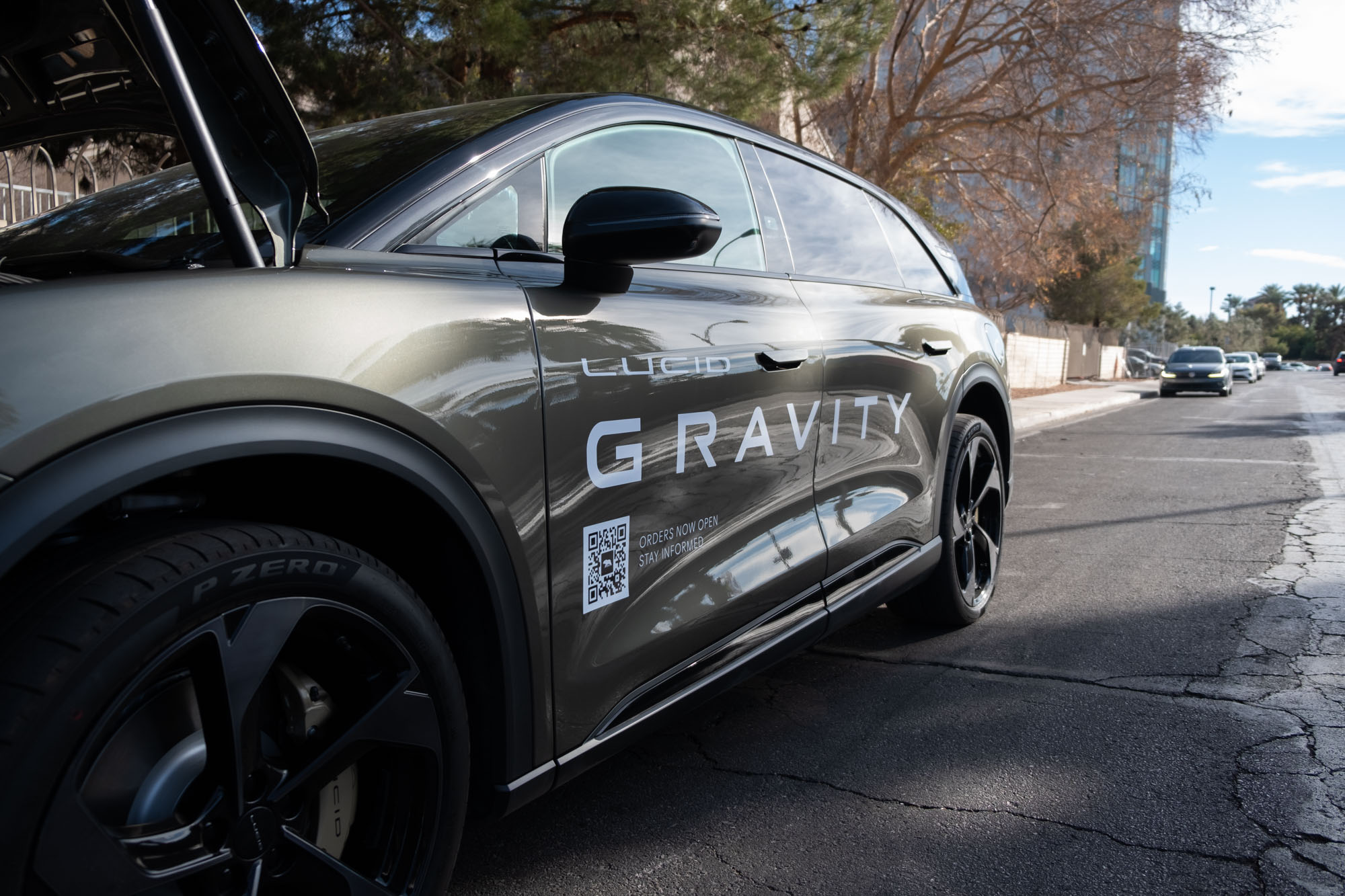
The initial months of 2026 presented a significant challenge for Lucid Group, the luxury electric vehicle manufacturer, as its first-quarter sales figures revealed a notable deceleration after a period of robust expansion. Despite concluding 2025 with an impressive surge in production and a substantial increase in vehicle deliveries, the momentum proved difficult to sustain into the new year. The company, renowned for its high-performance Air sedan and the newly introduced Gravity SUV, disclosed on a recent Friday that it had sold 3,093 vehicles during the first quarter. This figure represents a considerable 42% decline compared to the preceding quarter and a marginal 0.5% reduction when juxtaposed with the corresponding period in the previous year. Curiously, Lucid’s production output for the same period stood significantly higher, at approximately 5,500 units, indicating a substantial discrepancy between vehicles manufactured and those reaching customers.
A Stalled Ascent: Q1 Performance Breakdown
Lucid’s journey began in 2007, initially as Atieva, focusing on battery and powertrain development before evolving into a full-fledged electric vehicle manufacturer with ambitions to redefine luxury mobility. The company’s flagship, the Lucid Air sedan, debuted to critical acclaim, lauded for its exceptional range, rapid charging capabilities, and opulent interior. Its entry into the market positioned Lucid as a direct challenger to established luxury automakers and premium EV players, particularly Tesla, in the high-end segment. The subsequent introduction of the Lucid Gravity SUV marked a crucial strategic expansion, aiming to tap into the highly lucrative and growing market for electric sport utility vehicles. The Gravity, designed to offer seating for up to seven passengers, promised to combine the brand’s signature performance and luxury with enhanced utility, a critical step for broadening Lucid’s appeal and sales volume.
The disparity between production and sales in Q1 2026, however, underscored a more fundamental issue than mere market demand fluctuations. Lucid explicitly clarified that the downturn in sales and the growing inventory of unsold vehicles were not attributable to a lack of consumer interest. Instead, the company pinpointed a specific, critical problem within its supply chain: a quality control lapse involving a key component for its second-row seats. This manufacturing defect primarily affected the Lucid Gravity, leading to a substantial 29-day halt in deliveries of the much-anticipated SUV. Such an interruption, particularly for a new model crucial to the company’s growth strategy, inevitably translated into a significant impact on overall sales figures.
The Root Cause: A Critical Supply Chain Lapse
The supply chain issue escalated beyond just a delivery disruption, culminating in a proactive safety recall. Lucid informed the National Highway Traffic Safety Administration (NHTSA) of a defect affecting more than 4,000 Gravity SUVs, where certain anchors for the second-row seat belts were found to be improperly welded. This discovery necessitated an immediate response, prioritizing customer safety above all else. Nick Twork, a spokesperson for Lucid, confirmed that an unauthorized modification made by a supplier was the direct cause of the problem. This deviation from approved specifications prompted a decisive "stop sale" order for the Gravity, which remained in effect for the majority of February, allowing the company to ensure all vehicles met stringent quality and safety standards before resuming sales. Twork emphasized that despite this setback, Lucid had observed strong sales performance in January and March, which almost achieved year-over-year growth independently, highlighting underlying demand.
This incident serves as a stark reminder of the inherent complexities and vulnerabilities within modern automotive supply chains. For premium manufacturers like Lucid, where brand reputation is intricately linked to impeccable quality and safety, even a minor component failure can have cascading effects. The automotive industry relies on a vast, intricate network of suppliers for thousands of parts, ranging from high-tech electronics to basic structural components. A single flaw, especially in a safety-critical item like seat belt anchors, can halt production, trigger costly recalls, and significantly damage consumer trust. Ensuring rigorous quality control across this extensive network is a perpetual challenge, requiring constant oversight, audits, and robust communication channels between manufacturers and their suppliers.
Navigating the Recall and Reputation
The recall of over 4,000 Gravity SUVs, while a necessary safety measure, undoubtedly presented a public relations challenge for Lucid. In the competitive luxury EV market, where consumers expect flawless execution and cutting-edge technology, any stumble can attract intense scrutiny. Recalls, even when handled transparently and efficiently, can sow seeds of doubt regarding a brand’s quality assurance processes. For a relatively young automaker like Lucid, still establishing its reputation and scaling its operations, maintaining impeccable quality is paramount. The swift action taken by Lucid to address the welding defect and issue the recall demonstrates a commitment to safety, which is crucial for long-term brand building. However, the incident also underscores the delicate balance between rapid innovation, ambitious production targets, and unwavering quality control.
The financial implications of such a recall are also substantial, encompassing costs associated with identifying affected vehicles, shipping parts, labor for repairs, and potential legal liabilities. Beyond the direct financial hit, there is the immeasurable cost to brand perception and customer loyalty. In a segment where customers pay a premium for perceived superiority, any hint of compromise can lead to customers reconsidering their purchasing decisions. Lucid’s ability to swiftly rectify the issue and transparently communicate its resolution will be critical in mitigating any lasting damage to its image and reinforcing consumer confidence.
Industry Context: The Perils of EV Production
Lucid’s predicament is not an isolated event but rather emblematic of broader challenges facing the burgeoning electric vehicle industry. The journey from concept to mass production for EVs is fraught with obstacles, from developing new battery technologies to establishing entirely new supply chains for specialized components. Traditional automakers transitioning to EVs, as well as startups like Lucid, often grapple with scaling production efficiently while maintaining quality standards. The global supply chain, still reeling from the disruptions of the pandemic and geopolitical tensions, remains fragile. Issues such as semiconductor shortages, raw material price volatility, and logistical bottlenecks have plagued the industry for years, affecting everything from production schedules to vehicle pricing.
Furthermore, the pressure to innovate rapidly and bring new models to market quickly can sometimes strain quality control mechanisms. New designs, new materials, and new manufacturing processes all introduce potential points of failure that require extensive testing and validation. The unique characteristics of EVs, with their complex battery management systems, advanced software, and reliance on new materials, add layers of complexity compared to traditional internal combustion engine vehicles. As the EV market matures, ensuring robust and resilient supply chains will be a critical differentiator for manufacturers vying for market share.
Strategic Horizons: The Push Towards Affordability
Despite the immediate setback, Lucid remains outwardly confident in its strategic direction and production capabilities. The company reaffirmed its previously announced production guidance for the year, aiming to build between 25,000 and 27,000 vehicles. This target represents an ambitious increase of up to 47% compared to the 18,378 EVs manufactured in 2025, signaling a belief that the Q1 disruption was temporary and manageable. This ambitious goal underscores the company’s commitment to scaling its operations and meeting growing demand for its luxury vehicles.
Crucially, Lucid is simultaneously laying the groundwork for a pivotal expansion into a more accessible market segment. The company is actively developing its first vehicle based on a new, lower-cost platform, with an anticipated price point of around $50,000. This strategic move is designed to broaden Lucid’s appeal beyond the ultra-luxury niche and position it for higher volume sales. Entering this more competitive price bracket will place Lucid in direct contention with established and upcoming models from rivals, including the eagerly awaited Rivian R2 SUV, the highly popular Tesla Model Y, the Tesla Model 3 sedan, and the Chevrolet Equinox EV. This diversification is essential for Lucid’s long-term viability and growth, as it aims to capture a larger share of the rapidly expanding mainstream EV market. Success in this segment will hinge not only on competitive pricing but also on maintaining the brand’s reputation for performance, luxury, and crucially, unwavering quality, even at a lower price point.
Looking Ahead: Resilience in a Volatile Market
The first quarter of 2026 served as a stark reminder of the challenges inherent in scaling a luxury electric vehicle brand in a dynamic global market. While the immediate impact of the seat supplier issue and subsequent recall was a dip in sales and a temporary halt in Gravity deliveries, Lucid’s swift response and reaffirmation of production targets suggest a resilient outlook. The incident highlights the critical importance of supply chain integrity, rigorous quality control, and transparent communication in maintaining consumer trust and investor confidence.
As Lucid moves forward, the success of its Gravity SUV and the upcoming launch of its lower-cost platform vehicle will be instrumental in defining its trajectory. Navigating the competitive landscape, effectively managing its complex supply chain, and consistently delivering on its promise of luxury and performance will be paramount. The EV industry is still in its formative stages, and companies like Lucid are at the forefront, learning and adapting to unforeseen challenges. The ability to overcome such hurdles, learn from them, and continue to innovate will ultimately determine their long-term success in shaping the future of automotive transportation.