Amir Mahmud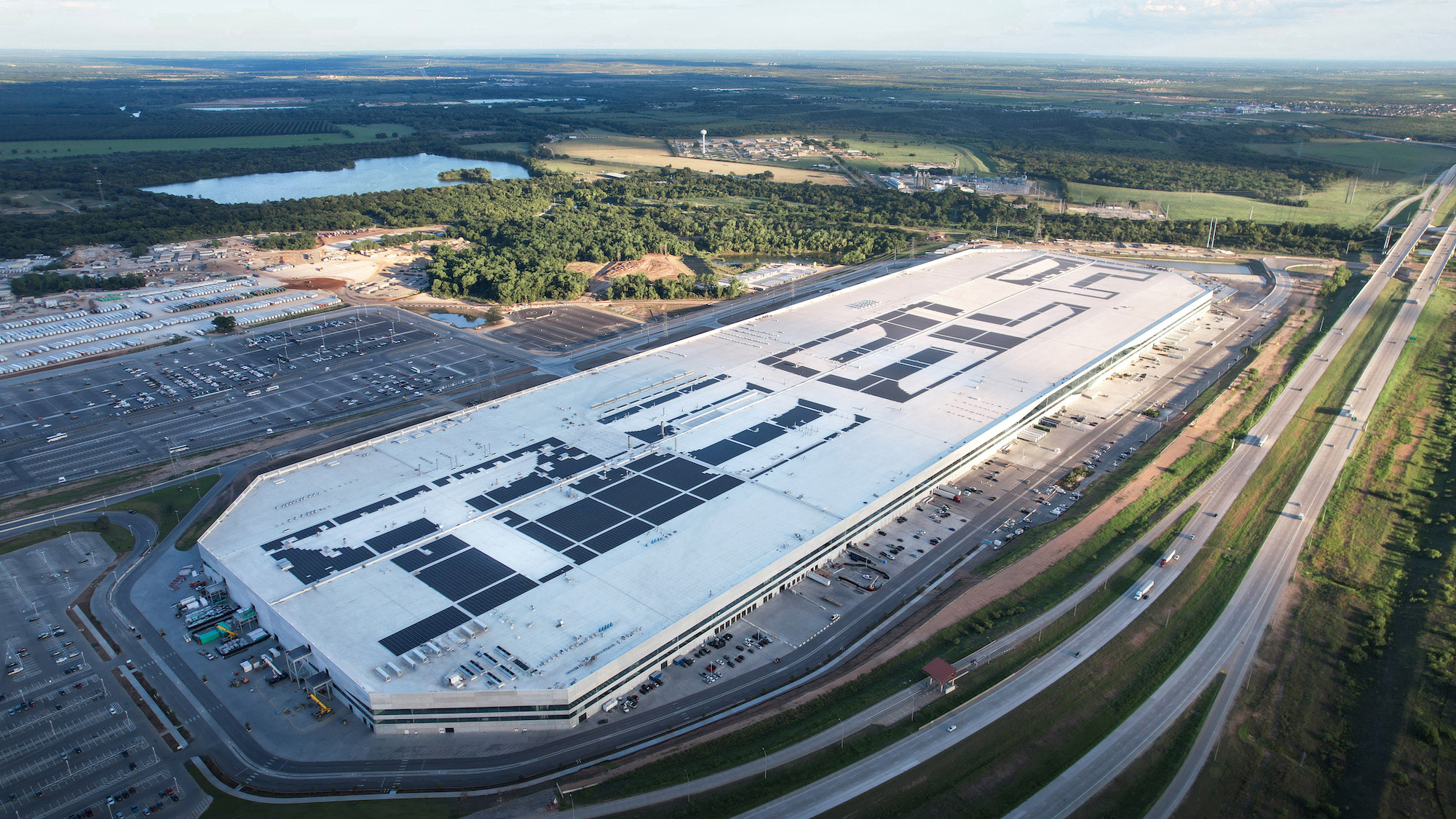
A significant adjustment in personnel levels has occurred at Tesla’s expansive manufacturing facility near Austin, Texas, known as Gigafactory Texas. According to a compliance report meticulously reviewed by the Austin American-Statesman, the total number of employees at this critical production hub saw a substantial decrease last year, dropping by approximately 22%. This reduction saw the workforce contract from 21,191 individuals in 2024 to 16,506 by 2025, representing a loss of 4,685 positions. This localized trend emerges even as the electric vehicle pioneer reported an overall increase in its global employee count during the same period, suggesting a focused operational shift within its Austin operations.
The Rise of Gigafactory Texas: A Strategic Hub
The establishment of Gigafactory Texas marked a pivotal moment in Tesla’s global expansion strategy. Announced in July 2020 and officially opened in April 2022, the facility quickly became a cornerstone of the automaker’s North American production capabilities. Situated on a sprawling 2,500-acre site east of Austin, the factory was envisioned as a multi-product manufacturing complex, responsible for the production of the popular Model Y crossover, the highly anticipated Cybertruck, and the development of Tesla’s advanced 4680 battery cells.
Further underscoring its strategic importance, Tesla CEO Elon Musk announced the relocation of the company’s corporate headquarters from Palo Alto, California, to Gigafactory Texas in late 2021, even before the factory commenced full-scale operations. This move solidified Austin’s position as the nerve center for Tesla’s global endeavors. The company has poured considerable capital into the facility, with investments exceeding $6.3 billion to date, transforming a former sand and gravel quarry into one of the most advanced automotive manufacturing plants in the world. Its rapid development and significant job creation quickly positioned Tesla as one of the largest employers within the burgeoning Austin metropolitan area, contributing substantially to the region’s economic boom.
Contrasting Trends: Local Reduction Amidst Global Growth
The reported 22% reduction in the Austin workforce stands in stark contrast to Tesla’s broader human capital trajectory. While Gigafactory Texas shed nearly a quarter of its staff, the company’s worldwide employee base experienced growth. Filings with the U.S. Securities and Exchange Commission (SEC) indicate that Tesla’s global workforce expanded from 125,665 employees in 2024 to 134,785 employees in 2025. This divergence suggests that the personnel adjustments in Austin are not part of a company-wide retrenchment but rather reflect specific operational or market dynamics affecting the Texas facility.
The compliance report linked the Austin workforce contraction to the company experiencing its "second straight year of declining sales." While specific details regarding which sales figures (e.g., global, regional, or specific models) are being referenced remain unspecified, this commentary suggests a potential correlation between market demand and staffing decisions at the Austin plant. The precise teams or departments most impacted by these reductions have not been publicly disclosed, leaving room for speculation regarding the underlying causes.
Deciphering the Drivers: Operational Efficiencies and Market Realities
Several factors could contribute to a significant workforce reduction at a single facility, even as the broader company expands. One primary consideration often cited in the manufacturing sector is the drive for enhanced operational efficiency. As production lines mature and processes are optimized, the need for certain manual labor roles can diminish, especially in highly automated environments like Tesla’s gigafactories. The ramp-up of new products, such as the Cybertruck, often involves an initial phase of intensive hiring followed by a period of optimization where staffing levels are adjusted as production kinks are ironed out and automation takes a more prominent role.
Another potential factor could be a re-evaluation of demand forecasts for specific models produced at Gigafactory Texas. If sales projections for the Model Y or the Cybertruck, for instance, were adjusted downward, or if production targets were met with greater efficiency than anticipated, it could necessitate a recalibration of staffing levels. Furthermore, the broader economic climate, including fluctuating interest rates and consumer spending patterns, can influence vehicle demand, potentially leading automakers to adjust production volumes and associated staffing.
Tesla’s ongoing efforts to streamline its supply chain and manufacturing processes, coupled with its consistent pursuit of cost reduction, might also play a role. Implementing advanced manufacturing techniques or integrating new technologies could lead to a more efficient workforce, capable of producing the same or even higher output with fewer personnel. This strategy aligns with a long-term vision of maintaining profitability and competitiveness in a rapidly evolving market.
The Broader EV Landscape and Tesla’s Evolving Position
Tesla operates within an increasingly competitive and dynamic electric vehicle market. While the company has long held a dominant position, it faces intensifying challenges from established legacy automakers, like Ford and General Motors, which are heavily investing in their EV divisions, and a growing number of agile startups. This heightened competition often translates into pricing pressures, which Tesla has actively engaged in through various price adjustments to stimulate demand and maintain market share. These strategies, while effective in moving inventory, can impact profit margins and necessitate a sharp focus on cost control across all operations.
The pace of global EV adoption, while robust in many regions, is also subject to various external factors, including the availability of charging infrastructure, government incentives, and consumer preferences. Economic headwinds, such as persistent inflation and higher borrowing costs, can influence consumer purchasing decisions for high-value items like electric vehicles. Tesla’s strategic decisions, including workforce adjustments, are often a response to these complex market forces, aiming to balance aggressive growth ambitions with sustainable profitability.
The development of next-generation vehicle platforms and battery technologies also requires significant resource allocation, potentially leading to a reallocation of talent and investment across different projects or facilities. While Gigafactory Texas remains a critical asset, the overall strategic deployment of human and financial capital across Tesla’s global network is a continuous, adaptive process.
Socio-Economic Impact on the Austin Region
Tesla’s arrival in Austin significantly amplified the region’s economic growth and solidified its reputation as a burgeoning tech and manufacturing hub. The creation of thousands of high-paying jobs attracted a diverse talent pool, further stimulating local businesses, housing markets, and infrastructure development. Consequently, a reduction of nearly 4,700 jobs at Gigafactory Texas carries notable implications for the Austin metropolitan area.
While Austin’s economy is diversified, a concentrated reduction from one of its largest employers can create ripple effects. It could impact local service industries, retail sectors, and the housing market, which has seen substantial appreciation in recent years partly due to the influx of tech workers. For the individuals affected, such a transition can be challenging, though Austin’s robust job market, particularly in technology and advanced manufacturing, might offer alternative opportunities. The situation underscores the sensitivity of local economies to the operational decisions of major corporate anchor tenants, even in booming regions.
Looking Ahead: Tesla’s Strategic Trajectory
The workforce adjustments at Gigafactory Texas serve as a tangible indicator of Tesla’s ongoing strategic evolution. As the company navigates the complexities of scaling production, launching new products, and competing in an increasingly crowded EV landscape, efficiency and adaptability are paramount. Future investments in Gigafactory Texas are likely to continue, focusing on further automation, advanced battery manufacturing, and potentially new vehicle platforms.
The long-term trajectory for Tesla and the broader electric vehicle industry remains one of innovation and transformation. The company’s ability to optimize its manufacturing footprint, manage its workforce effectively, and respond to dynamic market conditions will be crucial in maintaining its leadership position. The situation at Gigafactory Texas, therefore, is not merely a local employment statistic but a reflection of the intricate balance between technological advancement, market demand, and operational strategy in the fiercely competitive world of electric mobility.