Amir Mahmud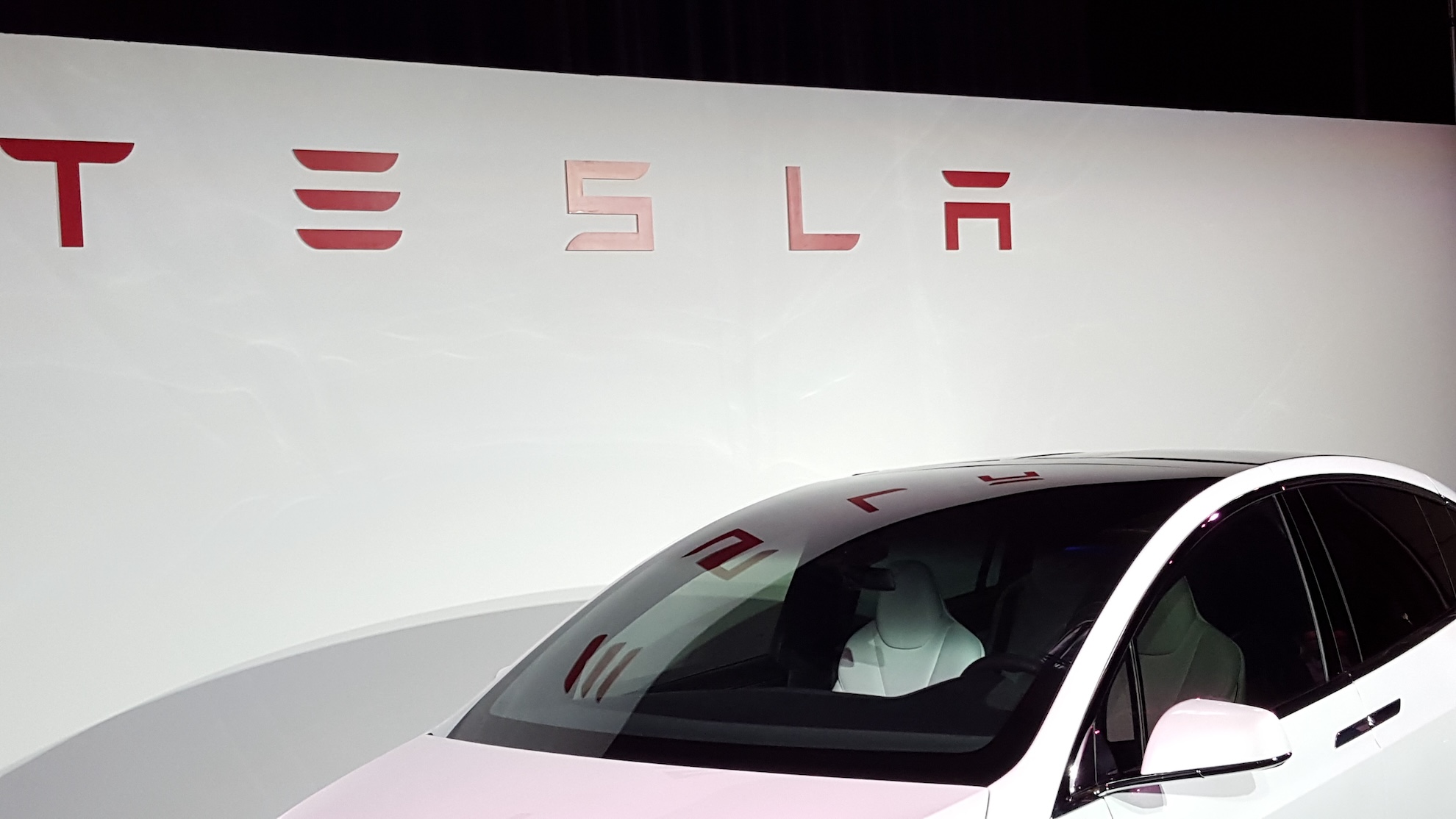
The curtain is drawing on an era for Tesla, as the pioneering Model S sedan and Model X SUV reach the end of their custom production runs. Only a limited number of these iconic electric vehicles remain available in inventory, a fact confirmed by Tesla CEO Elon Musk. This development signals a profound strategic pivot for the California-based automaker, shifting its primary focus from conventional vehicle manufacturing to the more ambitious realms of artificial intelligence and autonomous robotics. The discontinuation of these foundational models underscores a significant transformation within the company, moving away from its origins as an electric car manufacturer towards a future dominated by services like the forthcoming Cybercab robotaxi and the Optimus humanoid robot.
A Legacy of Disruption: The Model S and X Era
The Model S, launched in 2012, was nothing short of revolutionary. At a time when electric vehicles were largely seen as niche, underpowered, or impractical, the Model S redefined perceptions. It combined stunning acceleration, long-range capability, and a sleek, luxurious design that challenged the dominance of traditional luxury sedans. Its success proved that electric vehicles could be desirable, high-performance machines, sparking a paradigm shift across the global automotive industry. Legacy manufacturers, who had largely dismissed EVs, were compelled to take notice and begin their own electrification strategies, forever altering the competitive landscape.
Following in 2015, the Model X, with its distinctive Falcon Wing doors and spacious interior, further pushed the boundaries of EV design and utility. Elon Musk famously described it as the "Faberge egg of EVs," acknowledging its complex engineering and premium aspirations. While initially facing production challenges and criticisms for its intricate design, the Model X ultimately carved out a new market segment for Tesla, attracting a diverse clientele and significantly boosting the brand’s visibility. Both vehicles were instrumental in establishing Tesla’s reputation for innovation and performance, laying the groundwork for its subsequent expansion into mass-market segments. They were not merely cars; they were statements about the future of transportation, showcasing what was possible when traditional automotive design was reimagined through an electric lens.
The Shifting Sands of the EV Market
The decision to cease custom orders for the Model S and X is not sudden; it reflects a long-term trend in Tesla’s sales figures and a broader evolution of the electric vehicle market. While the Model S and X initially spearheaded Tesla’s growth, their sales began to taper off as the company introduced more affordable, higher-volume models. The Model 3 sedan, launched in 2017, and the Model Y crossover, introduced in 2020, proved to be game-changers. These vehicles, designed for a broader consumer base, propelled Tesla into the mainstream, significantly increasing its production and delivery numbers.
Tesla’s internal reporting, which groups the Model S, X, and now the Cybertruck under an "other models" category, illustrates this shift starkly. Combined sales for the S and X peaked in 2017 at over 101,000 units. By 2025, this combined category, including the nascent Cybertruck, had fallen to approximately 50,850 vehicles, a mere fraction of the 1.63 million vehicles Tesla delivered globally that year. This divergence highlights a clear strategic move towards mass-market adoption, a goal effectively achieved by the Model 3 and Model Y, which continue to be top sellers worldwide.
However, even with the success of its mass-market offerings, Tesla’s overall growth trajectory has faced recent challenges. After years of exponential expansion, the company reported a decrease in total vehicle deliveries for the second consecutive year in 2025, reaching 1.69 million units. This slowdown occurred amidst intensified competition, particularly from Chinese manufacturers like BYD, which surpassed Tesla in global EV sales in 2025 by delivering 2.26 million electric vehicles. Despite efforts to stimulate demand with cheaper, stripped-down versions of the Model 3 and Y, recent first-quarter 2026 delivery figures, while up 6% from a historically weak Q1 2025, still fell short of analyst expectations. This evolving market landscape, coupled with the diminishing returns from its legacy luxury models, appears to have solidified Tesla’s resolve to pursue new avenues for growth and disruption.
The Bold Bet: AI and Robotics as the Future
In a stark departure from conventional automotive strategy, Tesla is not planning a direct replacement for the Model S and X with another traditional electric vehicle. Instead, Elon Musk is directing the company’s formidable engineering and financial resources towards a future envisioned through the lens of artificial intelligence and robotics. This pivot is underscored by the cancellation of plans for a much-anticipated lower-cost EV, once rumored to be priced around $25,000, which many industry observers believed was crucial for expanding Tesla’s market share further.
Central to this new strategy are two ambitious projects: the Optimus humanoid robot and the Cybercab, an all-electric, two-seater autonomous vehicle designed for a future robotaxi network. The Optimus robot, still in its developmental stages, is slated for production at Tesla’s Fremont, California factory, coinciding with the final cessation of Model S and X manufacturing. This shift transforms a significant portion of Tesla’s manufacturing footprint from vehicle assembly to advanced robotics, signaling a fundamental redefinition of the company’s core business.
The Cybercab, first unveiled as a concept in 2024, represents Musk’s vision for revolutionizing personal transportation. Tesla plans to commence production of the Cybercab this month at its Austin, Texas Gigafactory. This vehicle is not merely an autonomous car; it is conceived as a fundamental component of an integrated autonomous ride-hailing service, potentially offering transportation at a significantly lower cost per mile than traditional taxi services or even personal car ownership. Musk’s conviction is that Tesla is not merely an automaker, but an AI company, and these ventures are the embodiment of that expansive mission.
Cybercab: Technical Prowess Meets Regulatory Hurdles
The Cybercab epitomizes the risks and potential rewards of Tesla’s AI-first campaign. Designed without traditional driver controls like a steering wheel or pedals, it is intended to operate completely autonomously from day one, without the initial safety net of a human operator. While the first Cybercab unit reportedly rolled off the assembly line in February, with mass production targeted for this month, Tesla’s history of ambitious timelines often sees slippages, a factor that industry analysts closely monitor.
The most formidable challenges for the Cybercab are not necessarily manufacturing-related, a domain where Tesla has matured considerably since the "production hell" of the Model 3. Instead, the primary hurdles are regulatory and technological. Federal motor vehicle safety standards in the United States currently mandate the presence of a steering wheel and pedals in passenger vehicles. There is no publicly available evidence to suggest that Tesla has formally applied for an exemption from these crucial safety regulations with bodies like the National Highway Traffic Safety Administration (NHTSA) or via the Federal Register. Navigating this complex regulatory landscape will be critical for the Cybercab’s widespread deployment.
Furthermore, the Cybercab’s operational success hinges entirely on the maturity and reliability of Tesla’s Full Self-Driving (FSD) software. While FSD has seen continuous improvements and Tesla has conducted limited driverless robotaxi tests in Austin, the software has yet to demonstrate the consistent reliability and safety required for large-scale, unmonitored commercial operations. The path to fully autonomous, profitable robotaxi services is fraught with technical complexities, ethical considerations, and significant public trust challenges.
The Broader Autonomous Landscape and Societal Impact
The autonomous vehicle industry is a highly competitive and heavily scrutinized arena. Companies like Waymo (Google’s self-driving division) and Zoox (owned by Amazon) have been developing and testing their robotaxi services for years, often operating in specific geofenced areas and, in many cases, with safety drivers initially. Zoox, notably, has made strides in the regulatory sphere, having received an exemption from NHTSA that permits it to demonstrate its custom-built robotaxis, which also lack traditional controls, on public roads. Zoox is now in the process of seeking to extend that exemption to commercial operations, potentially paving a clearer regulatory path for future entrants like Tesla’s Cybercab.
The societal implications of widespread robotaxi deployment are vast. Proponents envision reduced traffic congestion, fewer accidents, increased accessibility, and more efficient urban planning. However, concerns persist regarding job displacement for professional drivers, the ethical considerations of AI decision-making in critical situations, and the overall impact on public transportation systems and urban infrastructure. For Tesla, entering this market means not only competing with established autonomous vehicle developers but also shaping public perception and trust in a technology that is still largely unproven at scale.
Elon Musk remains steadfast in his belief that autonomous vehicles represent the future of transportation. During a recent earnings call, he articulated his vision: "The vast majority of miles traveled will be autonomous in the future… probably less than 5% of miles driven will be where somebody’s actually driving the car themselves in the future, maybe as low as 1%." He posits that the Cybercab is "super optimized for minimum cost per mile and also for a much higher duty cycle," suggesting a compelling economic model for a future where personal car ownership becomes less prevalent.
Conclusion: A Risky Yet Potentially Transformative Leap
The discontinuation of the Model S and Model X marks the end of Tesla’s initial chapter as a luxury EV pioneer. It ushers in a new, more audacious era defined by a radical embrace of AI and robotics. This strategic pivot is a high-stakes gamble, diverting resources from proven automotive success into speculative, capital-intensive ventures with uncertain regulatory and market outcomes. While the Model 3 and Model Y continue to anchor Tesla’s current sales, the company’s long-term trajectory is now inextricably linked to the successful deployment of Cybercab robotaxis and the Optimus robot.
For investors, consumers, and the broader tech and automotive industries, this transition presents a fascinating and complex case study. It showcases Elon Musk’s characteristic willingness to disrupt, to challenge conventions, and to pursue a future that is often decades ahead of its time. Whether this bold leap into fully autonomous services and humanoid robotics will solidify Tesla’s position as a global technology behemoth or lead to unforeseen challenges remains one of the most compelling questions facing the company and the future of mobility itself.