Amir Mahmud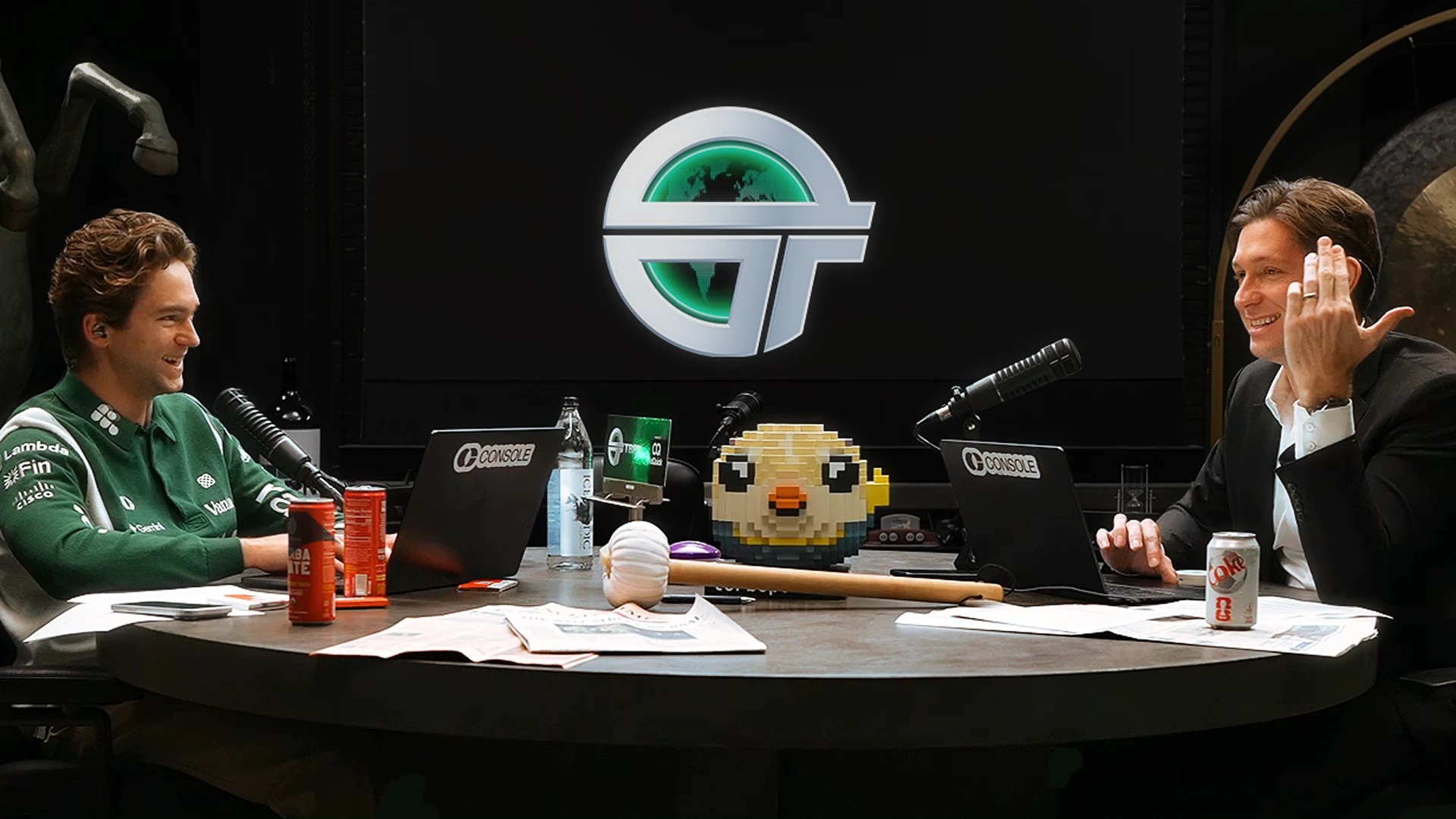
In a groundbreaking move that signals a new frontier in the convergence of artificial intelligence and media, OpenAI, the leading AI research and deployment company, has officially announced its acquisition of TBPN, the popular Technology Business Programming Network. This landmark deal marks OpenAI’s first foray into owning a media entity, sending ripples across both the technology and journalism landscapes and sparking considerable debate about corporate influence on public discourse. The financial terms of the acquisition were not publicly disclosed, but market observers widely recognize TBPN’s significant valuation, with the talk show reportedly on track to generate over $30 million in revenue this year.
A Strategic Pivot into Media
OpenAI’s journey from a non-profit research lab to a multi-billion dollar enterprise at the vanguard of the artificial intelligence revolution has been nothing short of meteoric. Founded in 2015 with a mission to ensure that artificial general intelligence (AGI) benefits all of humanity, the company has since introduced transformative technologies like ChatGPT, DALL-E, and advanced iterations of its GPT language models. This rapid advancement has positioned OpenAI as a central figure in a global technological race, attracting immense investment, particularly from Microsoft, and drawing the attention of policymakers, ethicists, and the general public alike.
The decision to acquire TBPN, a daily live show with a dedicated following, represents a significant strategic shift for OpenAI. In an era where the development of powerful AI models carries profound societal implications, the ability to effectively communicate complex technological concepts, address ethical concerns, and shape public perception becomes paramount. Traditional public relations and corporate communications strategies may fall short in conveying the nuanced realities of AGI development to a diverse global audience. By bringing a respected, insider-focused media platform under its umbrella, OpenAI appears to be taking a proactive approach to narrative control and public engagement. This move could be seen as an attempt to foster a more informed dialogue around AI, directly engaging with the tech community and beyond.
The Phenomenon of TBPN
TBPN, short for Technology Business Programming Network, has cultivated a distinctive niche within the competitive world of tech media. Co-founded and hosted by former tech founders John Coogan and Jordi Hays, the show rapidly ascended to cult status within Silicon Valley. Broadcasting live for three hours daily on platforms like YouTube and X (formerly Twitter), TBPN dives deep into the intricate world of technology, business strategy, artificial intelligence advancements, and even defense innovation.
What set TBPN apart was its unique format and tone. It became renowned as a "safe space" for the tech industry’s most influential figures, offering an environment where CEOs, investors, and innovators could speak with an unusual degree of candor. The hosts, themselves seasoned industry veterans, brought an insider’s perspective to their interviews and commentary, fostering discussions that resonated deeply with a specialized audience. This authentic approach transformed TBPN into a kind of "SportsCenter for the tech world," where luminaries such as Mark Zuckerberg of Meta, Satya Nadella of Microsoft, Marc Benioff of Salesforce, and even OpenAI’s own CEO, Sam Altman, frequently appeared. These appearances weren’t merely promotional; they often involved genuine reactions to breaking news, insightful analyses of market trends, and occasionally, the unveiling of their own strategic decisions. The show’s success underscored a growing appetite within the tech community for raw, unvarnished conversations among peers, distinct from traditional journalistic interviews that might prioritize external scrutiny.
OpenAI’s Communication Imperative
Fidji Simo, OpenAI’s head of AGI deployment, articulated the strategic imperative behind the acquisition, highlighting the founders’ "amazing comms and marketing instincts." Simo emphasized that for an organization as unique and impactful as OpenAI, the "standard communications playbook just doesn’t apply." She suggested that TBPN would play a crucial role in "bringing AI to the world in a way that helps people understand the full impact of this technology on their daily lives."
This perspective underscores a critical challenge for OpenAI: bridging the gap between highly technical AI development and broader public comprehension. As AI systems become more powerful and integrated into daily life, fears around job displacement, ethical biases, privacy concerns, and existential risks proliferate. Effective communication is not just about promoting products; it’s about building trust, fostering transparency, and educating stakeholders. While OpenAI already operates its own podcast for in-depth conversations with its internal experts, TBPN offers a different dynamic – an external, yet insider-trusted, platform that engages with the wider ecosystem of tech leaders and commentators. The acquisition suggests a recognition that the narrative surrounding AI is too important to be left solely to traditional media or internal channels.
The Question of Independence and Influence
Despite assurances from OpenAI executives, the acquisition has inevitably raised questions regarding editorial independence and the potential for corporate influence over media content. The concerns are amplified by the reporting structure: TBPN will operate under OpenAI’s strategy team and report directly to Chris Lehane, OpenAI’s chief political operative.
The Lehane Factor
Chris Lehane is a figure whose career trajectory has consistently placed him at the nexus of politics, media, and power. Known for his tenure in the Clinton White House, where he gained notoriety for coining the phrase "vast right-wing conspiracy" as a strategy to deflect press scrutiny, Lehane has earned a reputation as a master of what some describe as the "political dark arts." His expertise lies in crafting narratives, managing crises, and navigating complex political landscapes.
Before joining OpenAI, Lehane’s influence extended to the cryptocurrency industry, where he was instrumental in the Fairshake super PAC, which reportedly spent hundreds of millions to oppose anti-crypto candidates in the 2024 election cycle. His move to OpenAI in the same year brought his formidable political acumen to the burgeoning AI sector. Since then, he has reportedly advised figures like former President Trump on sweeping and controversial policies, including efforts to prevent states from regulating AI and easing environmental restrictions that might impede the construction of data centers crucial for AI infrastructure. His involvement raises a specific concern: could a media outlet under his purview become a tool for shaping policy discussions and public opinion in ways favorable to OpenAI’s interests, rather than serving as an independent forum for critical debate?
Promises of Autonomy vs. Inherent Conflict
Fidji Simo has explicitly stated that TBPN will retain its editorial independence, asserting that the show will continue to "run their programming, choose their guests, and make their own editorial decisions." Sam Altman, OpenAI’s CEO, also weighed in on social media, expressing his affection for TBPN as his "favorite tech show" and humorously adding, "I don’t expect them to go any easier on us, am sure I’ll do my part to help enable that with occasional stupid decisions."
While these statements aim to reassure, the reality of corporate ownership, particularly by a company that is frequently a subject of the show’s discussions, presents an inherent tension. The journalistic principle of objectivity often demands a clear separation between content creators and the entities they cover. Even with the best intentions, the subtle pressures of a parent company, or the subconscious influence of reporting to a high-ranking executive, can potentially affect editorial choices. The Silicon Valley "cult following" that valued TBPN’s "safe space" for candid discussion might now question whether that space remains truly safe for criticism of its new owner. The perception of independence, crucial for any credible media outlet, could be challenged.
Broader Implications for Tech Journalism and AI Discourse
This acquisition transcends a simple business transaction; it signals a potential paradigm shift in the landscape of tech journalism and the broader discourse surrounding artificial intelligence.
The move reflects a growing trend where powerful tech companies, with vast resources and ambitious agendas, are increasingly engaging directly with content creation and distribution. This blurs the lines between traditional media, corporate communications, and influencer-led commentary. For the AI industry, which is grappling with complex ethical, economic, and societal questions, the control over narratives becomes particularly potent. If leading AI developers directly own or significantly influence media platforms, it could impact the diversity of perspectives presented to the public and potentially marginalize independent critical voices.
For other tech media outlets, this acquisition poses both a challenge and a potential precedent. It highlights the value that established tech companies place on direct engagement and narrative control, possibly leading to more such integrations in the future. The market for independent tech commentary, which TBPN once represented, could face new competitive dynamics.
TBPN’s Vision Post-Acquisition
For the co-hosts of TBPN, the acquisition is framed as an opportunity to amplify their impact beyond mere commentary. Jordi Hays, in a public statement, acknowledged the show’s past critical stance on the industry but emphasized OpenAI’s "openness to feedback and commitment to getting this right." Hays articulated a desire to move "from commentary to real impact in how this technology is distributed and understood globally," suggesting a broader mission to educate and engage audiences on the profound implications of AI. This sentiment underscores a belief that by aligning with a leading AI developer, TBPN can transition from merely observing and critiquing the industry to actively participating in shaping its future and public perception.
In conclusion, OpenAI’s acquisition of TBPN is a multifaceted development. It represents a bold strategic move for the AI giant, offering a direct channel for communication and narrative shaping in a rapidly evolving, high-stakes industry. For TBPN, it provides resources and reach to expand its influence. Yet, the deal simultaneously ignites critical discussions about media independence, the role of political operatives in tech, and the delicate balance between corporate interests and objective journalism in an era where technology’s impact on society is more profound than ever. The coming months will reveal how OpenAI navigates these complexities and whether TBPN can maintain the trust and candid spirit that defined its ascent.