Amir Mahmud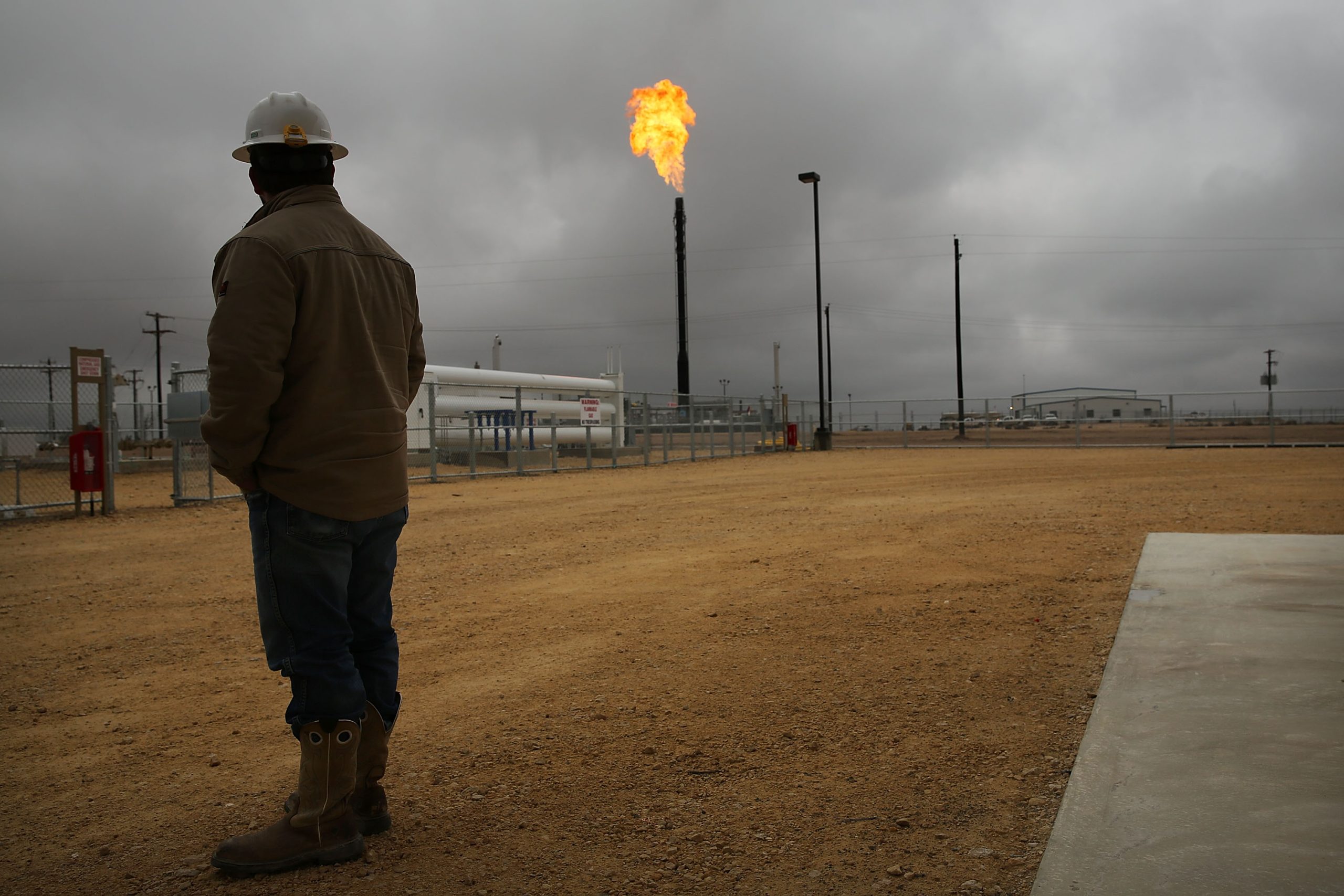
The relentless expansion of artificial intelligence infrastructure is pushing the boundaries of energy consumption, with new data centers demanding power on an unprecedented scale. One striking example is Meta Platforms’ Hyperion AI data center, a colossal facility under development in Louisiana, whose projected electricity needs are set to rival the total consumption of entire U.S. states. This ambitious undertaking has brought into sharp focus the complex interplay between technological advancement, corporate sustainability commitments, and the pressing global imperative to decarbonize energy systems.
The Unprecedented Appetite of AI
For decades, data centers have been the quiet workhorses of the digital age, powering everything from email and e-commerce to social media and cloud computing. Their growth has been exponential, driven by increasing internet penetration, the proliferation of connected devices, and the ever-expanding volume of digital data. Initially, data centers were measured in megawatts, but the advent of sophisticated AI models, machine learning algorithms, and intensive data processing tasks has dramatically escalated these demands, pushing the requirement into the gigawatt range. Training large language models, for instance, requires immense computational power, which translates directly into massive energy consumption. This surge in demand presents a significant challenge to existing energy grids and raises critical questions about how the world will sustainably power its digital future. Industry analysts often highlight that while hardware efficiency improves, the sheer volume and complexity of AI tasks continue to outpace these gains, leading to an ever-increasing aggregate energy footprint.
Meta’s Louisiana Gambit
Meta’s Hyperion AI data center in Louisiana represents a pinnacle of this energy-intensive trend. To support the estimated $27 billion investment in this facility, Meta recently announced its commitment to fund seven new natural gas power plants, bringing its total commitment in the region to ten such plants. These ten power generation units are collectively projected to produce approximately 7.5 gigawatts of electricity. To put this figure into perspective, this capacity is slightly more than the entire electricity generation capacity of South Dakota, a state home to over 900,000 people and substantial agricultural and industrial activity.
The decision to heavily invest in natural gas infrastructure for such a critical project underscores a pragmatic, albeit controversial, approach to meeting immediate and massive energy needs. Louisiana, known for its extensive natural gas reserves and established pipeline infrastructure, offers a strategic location for such an endeavor, potentially providing reliable and readily available fuel sources. The development could also bring significant economic benefits to the state, including job creation during construction and operation, and substantial tax revenues, which are often key considerations for local and state governments in attracting large-scale industrial projects. However, this move also initiates a broader dialogue about the long-term energy strategy of major technology corporations and their role in the global energy transition.
A Legacy of Green Pledges
For years, Meta, like many of its Silicon Valley counterparts, has cultivated a public image rooted in environmental responsibility and sustainability. The company has consistently published detailed sustainability reports outlining its efforts to reduce its environmental impact. A cornerstone of these efforts has been its ambitious commitment to power its operations with 100% renewable energy. To that end, Meta has been a leading purchaser of renewable energy, investing heavily in large-scale solar and wind projects. The company has also explored innovative energy solutions, notably engaging in agreements that effectively secured a portion of a nuclear power plant’s output for two decades, showcasing a diverse approach to clean energy procurement.
These public commitments have been a key part of Meta’s corporate social responsibility narrative, appealing to environmentally conscious consumers, investors, and potential employees. The push towards 100% renewable energy was not just an environmental stance but also a strategic business decision, aiming to stabilize long-term energy costs and reduce exposure to volatile fossil fuel markets. However, the sheer scale of the Hyperion project and the chosen energy source for a significant portion of its power now cast a long shadow over these well-established environmental credentials, prompting questions about the feasibility and practical application of such pledges in the face of burgeoning AI demands.
The ‘Bridge Fuel’ Under Scrutiny
Natural gas has long been championed as a "bridge fuel" – a cleaner alternative to coal that could facilitate a gradual transition to fully renewable energy sources. Its proponents argue that burning natural gas produces significantly less carbon dioxide than coal, and its flexibility allows it to back up intermittent renewable sources like solar and wind. This argument gained traction in the early 21st century as countries sought to reduce coal dependency while renewables were still nascent and expensive.
However, the "bridge fuel" narrative is increasingly facing robust skepticism and criticism. Decades into its supposed transitional role, natural gas infrastructure has expanded significantly, leading many environmental advocates to argue that it has become a long-term fixture rather than a temporary solution. Moreover, the economic landscape has shifted dramatically. The costs of renewable energy technologies, particularly solar and wind, have plummeted over the past decade, making them competitive with, and often cheaper than, fossil fuels. Concurrently, the prices of gas turbines and associated infrastructure have, in some instances, seen upward trends, further eroding the economic argument for new natural gas plants. Meta’s past actions as a substantial investor in solar, battery storage, and even nuclear energy make its pivot towards such a large-scale natural gas commitment particularly perplexing to observers who track corporate sustainability efforts.
Environmental Footprint: A Closer Look
The environmental implications of Meta’s decision are substantial. Based on calculations derived from Department of Energy data, the ten natural gas turbines in Louisiana are projected to emit approximately 12.4 million metric tons of carbon dioxide (CO2) into the atmosphere annually. To contextualize this, this figure represents a more than 50% increase over Meta’s entire reported carbon footprint for 2024, the most recent year for which such data is available. This substantial addition to its emissions profile poses a direct challenge to the company’s stated goals of reducing its overall environmental impact.
Furthermore, this CO2 figure is likely an underestimate of the full climate impact, as it does not account for the significant issue of methane leaks throughout the natural gas supply chain. Methane, the primary component of natural gas, is a potent greenhouse gas. While it has a shorter atmospheric lifespan than CO2, its warming potential is far greater, estimated to be 84 times more powerful than CO2 over a 20-year period. Even small leakage rates, such as 0.2% along the supply chain, can make the overall climate impact of natural gas comparable to, or even worse than, that of coal. In the United States, independent studies and scientific research indicate that methane leakage rates from natural gas production and pipelines are considerably higher, often closer to 3%. This means that even if the combustion process is cleaner than coal, the upstream emissions of methane can negate much of the perceived environmental benefit, transforming natural gas from a "cleaner" fuel into a significant climate liability.
Critically, Meta’s latest publicly available sustainability report makes no explicit mention of methane emissions or natural gas as a significant energy source. This omission raises questions about the transparency and comprehensiveness of its environmental disclosures, especially given that natural gas is now poised to become one of the largest contributors to the company’s carbon footprint in the foreseeable future.
Broader Implications and the Path Forward
Meta’s substantial investment in natural gas for its Hyperion data center carries significant implications beyond the company’s immediate environmental ledger. On a broader scale, the immense energy demands of AI infrastructure are placing unprecedented strain on existing power grids, which are already grappling with the challenges of modernization, increased electrification (e.g., electric vehicles), and adapting to extreme weather events exacerbated by climate change. If other major tech companies follow suit, prioritizing rapid deployment of AI capabilities over strictly renewable energy sources, it could slow down, or even reverse, the progress made in decarbonizing national and global energy systems.
The decision also opens the door to renewed accusations of "greenwashing" – the practice of making unsubstantiated or misleading claims about the environmental benefits of a product, service, or company. While Meta has invested heavily in renewables, this natural gas venture could be perceived as a significant departure from its stated sustainability principles, potentially eroding public trust and undermining its credibility as an environmental leader in the tech sector. Investors, particularly those focused on Environmental, Social, and Governance (ESG) criteria, may scrutinize this move closely, demanding greater clarity and accountability.
Moving forward, Meta may attempt to mitigate the climate impact of these natural gas plants through the purchase of carbon removal credits. However, the scale of emissions—12.4 million metric tons of CO2 annually, plus unaccounted methane—would necessitate an enormous volume of high-quality, verifiable credits, which are themselves subject to debate regarding their effectiveness and permanence. The immediate challenge for Meta will be to provide a transparent and comprehensive accounting of the full lifecycle emissions associated with its natural gas operations, including an honest assessment of methane leakage rates.
The Meta Hyperion project serves as a potent case study in the inherent tension between rapid technological advancement, corporate sustainability pledges, and the complex realities of energy infrastructure development. As the world races to harness the power of artificial intelligence, the choices made by leading tech companies in powering this revolution will have far-reaching consequences for the climate and the trajectory of the global energy transition. The ongoing scrutiny of Meta’s energy strategy highlights a critical juncture where innovation must be carefully balanced with environmental stewardship, demanding greater transparency, accountability, and a renewed commitment to genuinely sustainable solutions.