Amir Mahmud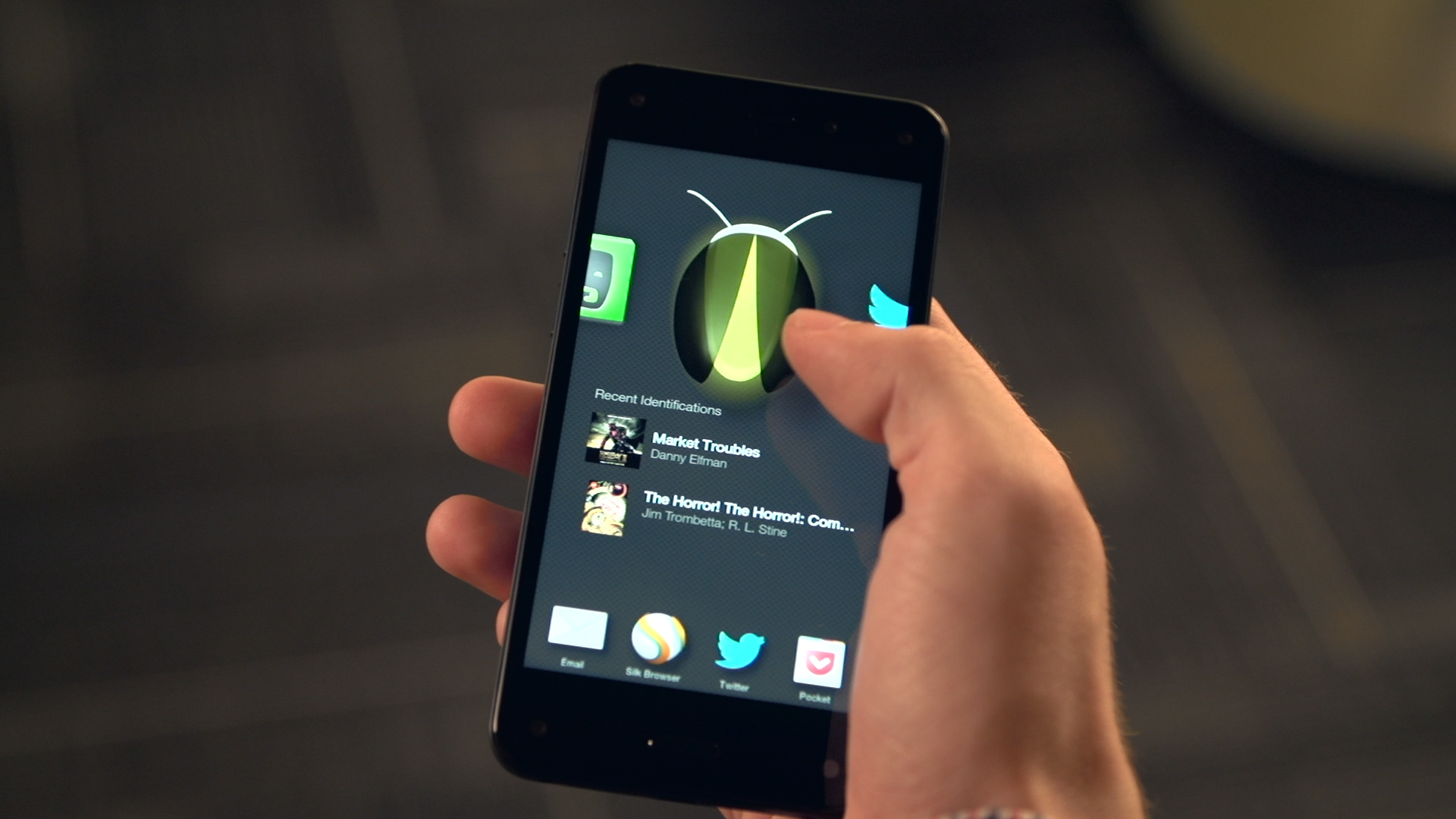
More than a decade after its ambitious but ultimately unsuccessful foray into the smartphone market, Amazon is reportedly making another significant push into the competitive mobile device arena. Anonymous sources cited in recent reports indicate the e-commerce and cloud computing behemoth is developing a new smartphone, internally codenamed "Transformer," with its advanced artificial intelligence assistant, Alexa, at its very core. This potential revival of Amazon’s smartphone ambitions signals a strategic pivot, leveraging the company’s substantial investments in AI and its expansive digital ecosystem to create a deeply integrated user experience.
The reported device is under development within Amazon’s Devices and Services division, specifically by a relatively nascent unit known as ZeroOne. This team is spearheaded by J Allard, a prominent former Microsoft executive credited with playing a pivotal role in the creation of the Xbox gaming console. The project’s primary objective appears to be the seamless integration of Amazon’s suite of applications—including Amazon Shopping, Prime Video, and Prime Music—and, crucially, to serve as a flagship platform for the company’s evolving generative AI products, most notably the recently revamped Alexa+.
A Tumultuous History: The Fire Phone’s Legacy
Amazon’s previous attempt to conquer the smartphone market with the Fire Phone in 2014 serves as an important historical backdrop to this new endeavor. Launched with considerable fanfare, the Fire Phone promised innovative features like "Dynamic Perspective," which offered a pseudo-3D interface that responded to head movements, and "Firefly," a visual recognition tool designed to instantly identify products, media, and phone numbers. These features, while technologically impressive for their time, ultimately failed to resonate with a broad consumer base.
Several factors contributed to the Fire Phone’s rapid decline. Its initial price point, set at a premium similar to Apple and Samsung flagships, was perceived as too high for a device from a newcomer. The device was also exclusively tied to AT&T in the U.S., severely limiting its market reach. Furthermore, its customized Fire OS, a heavily modified version of Android, lacked the robust app ecosystem that users had come to expect from Google Play and Apple’s App Store. Developers were hesitant to invest in optimizing apps for a platform with limited user adoption. Amazon itself acknowledged the misstep, taking a $170 million write-down on unsold inventory and eventually discontinuing the device within a year of its launch. The lessons from the Fire Phone’s failure — particularly regarding pricing, carrier strategy, and the critical importance of a thriving app ecosystem — are undoubtedly being considered as Amazon embarks on this new project.
Despite the Fire Phone’s setback, Amazon has cultivated a successful track record in other hardware categories. Its Kindle e-readers revolutionized digital reading, and the Echo smart speakers, powered by Alexa, established the company as a leader in smart home technology. Devices like Fire TV streaming sticks and Ring security cameras have further solidified Amazon’s presence in consumer electronics. These successes underscore Amazon’s capability to build and market hardware effectively, especially when devices serve as gateways to its extensive ecosystem of services and content. The key distinction, however, lies in the intense competition and higher user expectations within the smartphone market.
The AI Imperative: Alexa+ and the "Transformer" Vision
The reported "Transformer" smartphone emerges at a time when Amazon is making unprecedented investments in artificial intelligence. The company has publicly committed to substantial capital expenditures, projecting an estimated $200 billion towards its AI, chips, and robotics efforts in 2026 alone. This includes a reported $50 billion investment into OpenAI, underscoring Amazon’s intent to be at the forefront of the generative AI revolution.
Central to the "Transformer" strategy is the integration of Alexa, which Amazon has spent over a year revamping with advanced generative AI features, culminating in its relaunch as Alexa+ in February. The upgraded assistant retains its robust smart home control capabilities but now boasts sophisticated conversational AI functionalities. Alexa+ can now perform a wide array of tasks previously associated with leading AI chatbots, such as planning trip itineraries, managing shared calendars, discovering and saving recipes, offering personalized movie recommendations, assisting with homework, and exploring complex topics through natural language interactions.
The internal view, according to reports, is that the smartphone will serve as a critical vehicle for encouraging Amazon customers to extensively utilize its AI products. A dedicated Amazon smartphone, deeply integrated with Alexa+, could offer a more seamless and personalized AI experience than is currently possible on third-party devices. Imagine a phone where Alexa isn’t just an app but an omnipresent, proactive assistant that anticipates user needs: suggesting products based on shopping history and current context, recommending Prime Video content based on viewing habits and mood, or even managing smart home routines through intuitive voice commands and predictive actions. This level of integration could transform the device from a mere communication tool into a truly personal, AI-powered concierge for the Amazon ecosystem.
ZeroOne and the Quest for Breakthrough Products
The development of the "Transformer" within the ZeroOne unit highlights Amazon’s intent to approach this new venture with a fresh perspective. J Allard’s leadership signals a focus on innovation and potentially a willingness to challenge conventional smartphone design and functionality. Allard’s background with Xbox suggests an understanding of how to build and scale a successful hardware platform within a competitive landscape, even if it requires significant initial investment and a long-term vision.
ZeroOne’s mandate to develop "breakthrough consumer products" implies that the "Transformer" is not intended to be just another Android phone with Amazon apps pre-installed. Instead, it suggests a device that aims to redefine the user’s interaction with their digital life, specifically through the lens of Amazon’s services and AI capabilities. This could mean unique hardware features tailored for AI interactions, advanced biometric integration for seamless purchasing, or novel display technologies that enhance content consumption from Prime Video and Kindle.
Navigating a Crowded and Mature Market
Amazon’s potential re-entry into the smartphone market would place it in direct competition with entrenched giants like Apple, Samsung, and Google, as well as formidable players from China such as Xiaomi, Huawei, Oppo, and Vivo. These companies boast mature supply chains, vast marketing budgets, strong brand loyalty, and highly optimized software-hardware ecosystems. Differentiating a new device in this environment is an immense challenge.
The current smartphone market is characterized by incremental improvements in camera technology, battery life, and processing power, with AI increasingly becoming a key battleground. Google’s Pixel phones, for instance, are celebrated for their AI-powered photography and on-device machine learning capabilities, driven by the custom Tensor chip. Samsung’s Galaxy AI offers real-time translation, generative editing, and advanced search features. Apple’s Neural Engine has been enhancing everything from facial recognition to Siri’s intelligence for years. For Amazon to succeed, the "Transformer" must not only match these capabilities but offer a compelling, uniquely Amazonian value proposition that justifies its existence and encourages users to switch platforms.
The pricing strategy will be paramount. Given the Fire Phone’s fate, Amazon cannot afford to launch a device that is perceived as overpriced or lacking in value. It might explore a strategy similar to its Echo devices, where hardware is sold at a lower margin, or even at a loss, to drive adoption of its services and generate long-term revenue through subscriptions, content sales, and e-commerce.
Strategic Implications and Potential Pitfalls
For Amazon, a successful smartphone could yield several strategic advantages. Firstly, it would provide a direct channel to consumers, bypassing the operating system gatekeepers (Apple’s iOS and Google’s Android). This direct relationship could allow Amazon to control the user experience more fully, optimize its services, and collect invaluable user data to further personalize its offerings across all its businesses.
Secondly, a dedicated Amazon smartphone would serve as a powerful catalyst for the adoption and refinement of Alexa+. Constant interaction with the AI assistant on a primary device would generate vast amounts of data, enabling Amazon to rapidly iterate and improve its AI models. This feedback loop is crucial for competing in the fast-evolving generative AI landscape.
Lastly, the potential for increased revenue streams extends beyond device sales. A phone deeply integrated with Amazon’s ecosystem could drive higher engagement with Prime subscriptions, increased consumption of Prime Video and Music, more frequent purchases on Amazon Shopping, and broader usage of services like Audible and Kindle.
However, the path is fraught with challenges. Beyond pricing and competition, Amazon must address the critical issue of the app ecosystem. Will "Transformer" run a heavily customized version of Android with limited access to Google Play services, mirroring the Fire Phone’s restrictive approach? Or will it embrace a more open strategy, allowing full access to Android’s vast app library while still emphasizing Amazon’s own services? The former could alienate users, while the latter might dilute the unique Amazon experience. Carrier partnerships, essential for broad distribution and competitive data plans in many markets, will also be crucial. Furthermore, in an era of heightened privacy concerns, a device from a company known for its vast data collection, especially one deeply integrated into a user’s personal life, will face intense scrutiny regarding data security and user privacy.
Amazon’s reported "Transformer" project represents a bold and high-stakes gamble. If successful, it could fundamentally alter Amazon’s relationship with its customers, solidify its position in the AI race, and potentially carve out a new niche in the mature smartphone market. If it falters, however, it could be another costly reminder of the immense difficulty of competing with established mobile giants. As Amazon declined to comment on the reports, the industry watches with keen interest for further developments on this potential comeback story.