Amir Mahmud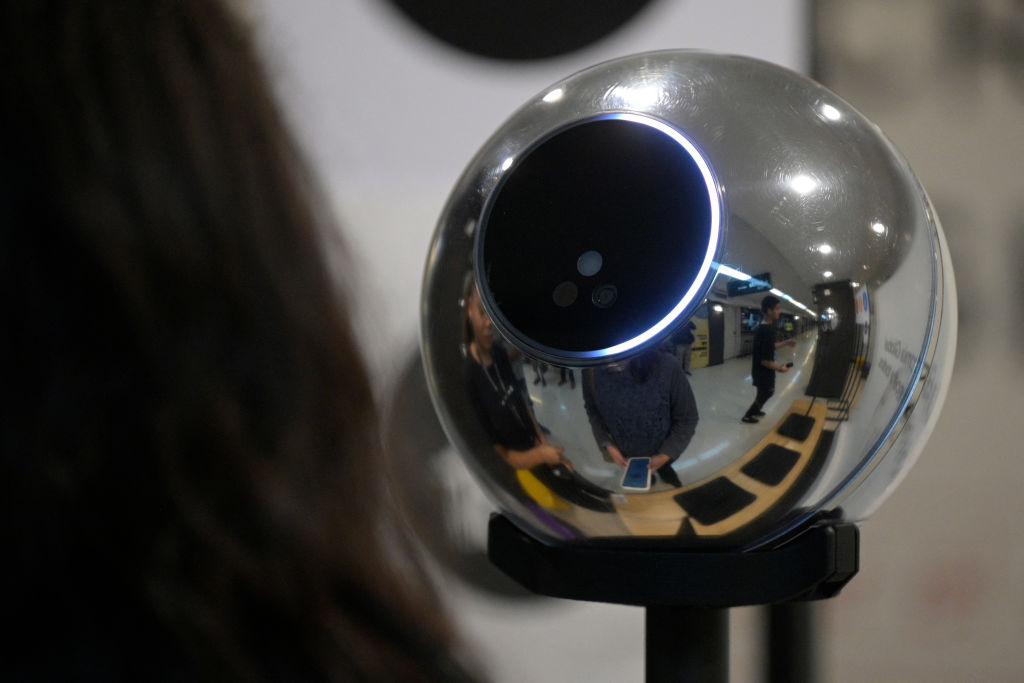
The rapid acceleration of artificial intelligence has ushered in an era where digital assistants are no longer mere tools but increasingly autonomous agents capable of navigating complex online environments and executing tasks on behalf of their human users. Among the most transformative applications is "agentic commerce," a burgeoning practice where AI programs independently browse websites, compare products, and complete purchases, promising unprecedented levels of convenience and efficiency. However, this technological leap also brings with it a formidable challenge: how to distinguish legitimate, human-authorized AI activity from sophisticated fraud, spam, and other forms of large-scale internet abuse in a world increasingly populated by AI-generated content. In response to this growing digital trust deficit, Tools for Humanity (TFH), the startup behind the World project co-founded by Sam Altman, has introduced AgentKit, a new verification tool designed to embed "proof of human" into these automated commercial interactions.
The Rise of Agentic Commerce and Its Double-Edged Sword
Agentic commerce represents a significant evolution in online shopping and financial transactions. Imagine an AI agent autonomously managing your household budget, ordering groceries when supplies are low, booking flights based on your preferences and calendar, or even negotiating utility bills. The appeal is clear: time savings, optimized decision-making, and a personalized experience far beyond what traditional e-commerce offers. Major players like Amazon and MasterCard have already begun integrating automated buying capabilities into their platforms, and Google has launched its own protocols to support this trend, signaling a broad industry commitment to this future. The promise is a seamless digital existence where routine tasks are handled intelligently and efficiently.
Yet, this convenience comes with inherent risks. As AI agents gain more autonomy and access to sensitive financial information, the potential for novel forms of fraud escalates dramatically. Malicious AI could mimic legitimate purchasing patterns, execute unauthorized transactions, or overwhelm online systems with spam and deceptive content. Identity theft could become more sophisticated, with AI agents potentially impersonating users or even other AI systems. Furthermore, the sheer volume and speed at which AI agents can operate could exacerbate existing problems like price manipulation or inventory hoarding. The fundamental question becomes: how can a commercial website or a financial institution trust that an AI agent is acting on behalf of a real, unique human with legitimate intent, rather than a bot designed for illicit purposes? This burgeoning need for digital authenticity and accountability forms the core challenge that Tools for Humanity aims to address.
World’s Ambitious Vision: Proof of Humanity in a Digital Age
The World project, often referred to by its digital currency Worldcoin, emerged from a vision to create a global digital identity and financial network. Co-founded by OpenAI CEO Sam Altman, Alex Blania, and Max Novendstern, World’s foundational premise is "proof of humanity"—a method to verify that an individual is a unique human being in an online world increasingly populated by AI. This vision was conceived, ironically, in a period where Altman’s other venture, OpenAI, was developing generative AI models capable of producing vast amounts of human-like text, images, and videos, leading to concerns about the authenticity of digital content. This perceived paradox underscores the urgency of World’s mission: to build a robust identity layer for an internet potentially overrun by AI-generated "slop" and deception.
World’s primary mechanism for establishing this proof of humanity is the World ID, a decentralized digital identity. The most secure and unique version of this ID is generated through a scan of an individual’s iris using a specialized biometric device called the "Orb." This distinct approach to identity verification has been both lauded for its potential to solve pervasive online identity issues and criticized for its use of biometric data, raising significant privacy concerns and sparking regulatory scrutiny in various countries. Despite these controversies, World has continued to develop its ecosystem, positioning itself as a foundational layer for trust in an increasingly AI-driven digital economy.
Addressing the Trust Deficit in Automated Transactions with AgentKit
AgentKit, unveiled in beta by Tools for Humanity, is a software development kit (SDK) specifically designed to extend World’s "proof of human" capabilities to the realm of agentic commerce. It provides commercial websites with a mechanism to verify that a real, unique human is ultimately behind an AI agent’s purchasing decisions. This is crucial because, while AI agents offer unparalleled convenience, businesses need assurance that they are not dealing with fraudulent entities or engaging in transactions that could later be repudiated.
The integration relies on the user’s World ID. When a user employs an AI agent for a transaction, they register that agent with their verified World ID. This registration acts as a digital delegation of authority, akin to granting "power of attorney" to the AI. As Tiago Sada, Chief Product Officer at TFH, explained, this system allows websites to decide whether to trust transactions initiated by these agents. The World ID badge, in essence, communicates that the agent is acting on behalf of a "real and unique human," providing a layer of verifiable accountability. While AgentKit enables this verification, websites retain the autonomy to implement their own risk assessment protocols and block users or agents they deem suspicious.
The Mechanics of Verification: World ID and the x402 Protocol
At the heart of AgentKit’s functionality lies the secure integration of World ID with the emerging x402 protocol. Developed collaboratively by industry leaders Coinbase and Cloudflare, x402 is a blockchain-based open standard engineered to facilitate direct, automated transactions between computer programs online, often without requiring human intervention at every single step. Traditionally, such machine-to-machine payments or automated processes have been fraught with security and trust issues. The x402 protocol seeks to standardize these interactions, making them more reliable and secure through cryptographic assurances.
AgentKit acts as a complementary extension to x402 v2. When an AI agent, registered with a user’s World ID, attempts a transaction on an x402-enabled website, the system communicates that a distinct and verified human has approved of the agent’s purchasing decisions. This means that websites already utilizing x402 can readily incorporate World ID’s unique human verification alongside, or even in place of, other payment or identity checks like micropayments. This dual-layer approach—blockchain-based transactional security combined with biometric-backed human identity—aims to create a robust framework for agentic commerce, providing businesses with a high degree of confidence in the authenticity of automated transactions.
The World ID itself, particularly its most secure variant, is generated through an iris scan performed by the Orb device. This process converts the unique patterns of an individual’s iris into an encrypted digital code. This code is then stored as the user’s verified World ID, which can be used to access World’s ecosystem of services via its mobile application. The use of biometrics, specifically iris recognition, is intended to provide an exceptionally high level of assurance that the individual is unique and real, minimizing the possibility of duplicate identities or bot impersonation. However, this reliance on biometric data has also been a focal point of debate, raising questions about data privacy, security vulnerabilities, and the centralization of such sensitive information, even within a decentralized identity framework.
Broader Market and Societal Implications
The introduction of AgentKit and similar "proof of human" solutions carries significant implications across various sectors. For the e-commerce industry, it offers a potential bulwark against the rising tide of sophisticated fraud, which currently costs businesses billions annually. Reduced fraud could lead to lower operational costs, increased consumer confidence in automated systems, and a smoother transaction experience. For financial services, it could revolutionize how micro-payments, automated investments, and identity verification are handled, potentially unlocking new models of digital finance. The collaboration with major players like Coinbase and Cloudflare on the x402 protocol suggests a broader industry push towards standardized, secure frameworks for AI-driven transactions.
Beyond the market, the societal and cultural impacts are profound. The concept of a global digital identity, especially one tied to biometrics, reignites long-standing debates about privacy, individual autonomy, and surveillance. As AI becomes more ubiquitous, the ability to definitively prove one’s humanity online could become a fundamental right or a necessary gatekeeper for accessing digital services. It touches on the philosophical question of what it means to be human in an increasingly digital and AI-intermediated world. There’s a delicate balance to strike between leveraging AI for convenience and ensuring that human agency and control remain paramount. The potential for a two-tiered internet—one for verified humans and one for unverified entities or bots—also raises questions about accessibility and digital equity.
Navigating the Future of Digital Identity and AI Commerce
World’s AgentKit represents a timely and significant step in addressing the critical need for trust and verification in the rapidly expanding landscape of agentic commerce. By integrating a "proof of human" layer into automated transactions, TFH aims to mitigate the risks of fraud and abuse, fostering an environment where AI agents can operate more reliably and securely. The beta launch allows for crucial feedback from developers, which will undoubtedly refine the tool as the complexities of human-AI interaction continue to evolve.
However, the path to widespread adoption is not without its hurdles. The requirement for a verified World ID, derived from an Orb scan, presents an accessibility challenge. Not everyone has access to an Orb, nor are all comfortable with biometric data collection. Regulatory environments are also highly fragmented regarding biometric data and digital identity, posing potential barriers to global implementation. Furthermore, World faces competition from other emerging decentralized identity solutions and traditional identity verification methods, each with its own strengths and weaknesses.
Ultimately, the success of AgentKit and similar initiatives will depend on their ability to strike a delicate balance between robust security, user privacy, and seamless user experience. As artificial intelligence continues to reshape how we interact with the digital world, the demand for verifiable identity and intent will only grow. Solutions like AgentKit signal a concerted effort by the tech industry to build the necessary safeguards, laying the groundwork for a more trustworthy and accountable future for AI-driven commerce. The ongoing dialogue around these technologies will shape not just the future of online shopping, but the very nature of digital identity in the age of AI.