Amir Mahmud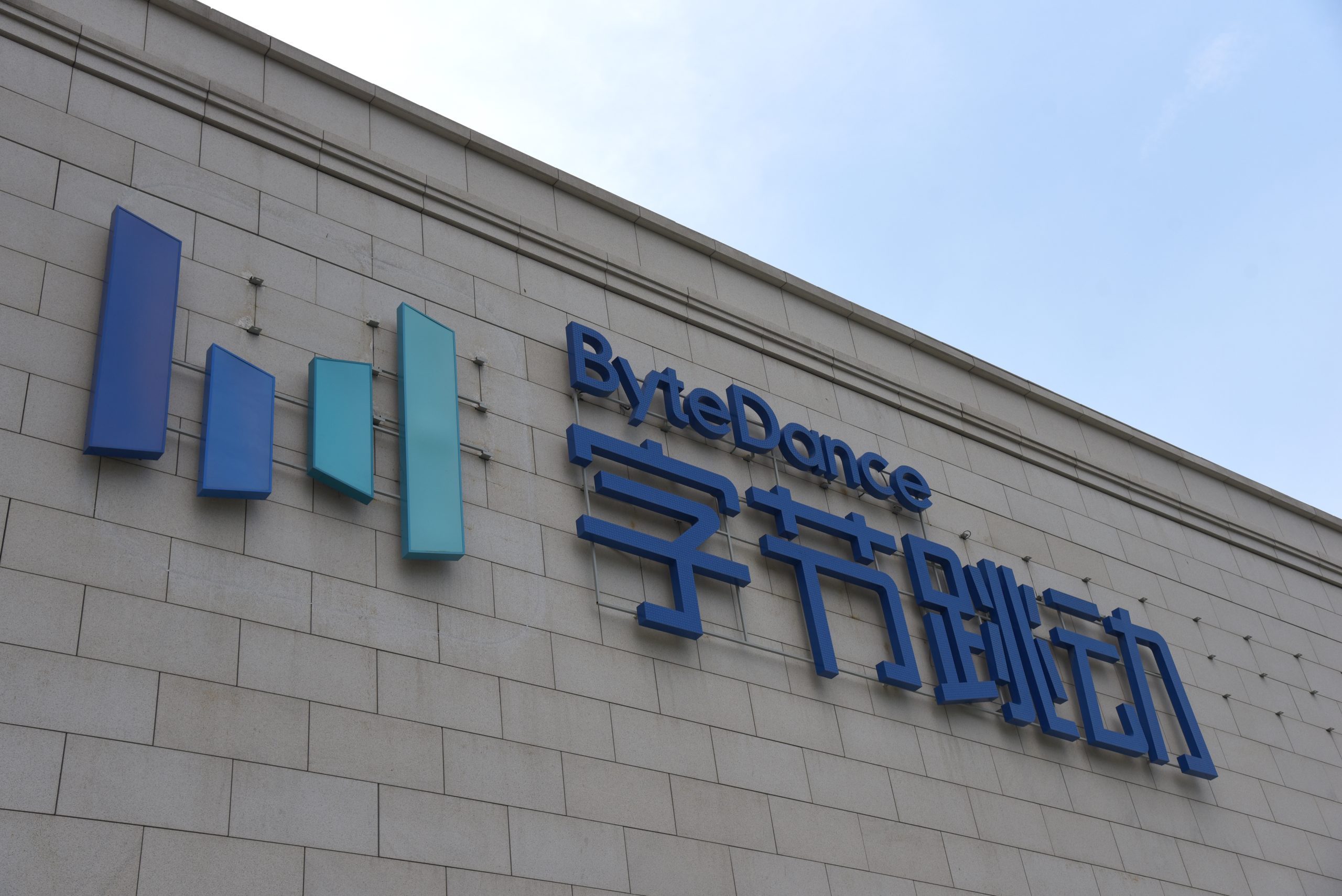
The global expansion of ByteDance’s cutting-edge artificial intelligence video generation platform, Seedance 2.0, has reportedly been halted, a significant development in the rapidly evolving landscape of generative AI. This strategic pause, first reported by The Information, comes in the wake of an aggressive backlash from major Hollywood studios and intellectual property holders who have voiced serious concerns over the platform’s potential infringement on copyrighted material. The decision by the Chinese technology conglomerate, renowned globally for its omnipresent social media application TikTok, underscores the escalating legal and ethical challenges confronting developers of advanced AI technologies capable of producing highly realistic content.
The Emergence of Seedance 2.0 and Immediate Industry Alarm
ByteDance introduced Seedance 2.0 to the Chinese market in February, quickly garnering attention for its sophisticated capabilities in transforming text prompts into dynamic video sequences. Initial demonstrations of the technology included short clips that rapidly achieved viral status across social media platforms. One particular example, depicting a fictional combat scenario between actors Tom Cruise and Brad Pitt, resonated widely, showcasing the model’s capacity to generate compelling, albeit synthetic, cinematic-quality footage. However, this viral success was swiftly followed by a wave of condemnation from the entertainment industry. A prominent screenwriter, reflecting the widespread anxiety, reportedly expressed sentiments of existential threat to the creative profession, fearing an imminent obsolescence of human artistic endeavors.
Major film studios and production houses, including industry titan Disney, were quick to react, dispatching numerous cease-and-desist letters to ByteDance. Legal representatives for Disney reportedly characterized the AI’s output as a "virtual smash-and-grab of Disney’s IP," highlighting concerns over the unauthorized use of celebrity likenesses, narrative tropes, and potentially copyrighted visual styles. This immediate and forceful response from Hollywood signaled a critical turning point, indicating that the entertainment sector is prepared to vigorously defend its intellectual property against the encroachment of generative AI. In response to these intense legal pressures, ByteDance publicly committed to implementing more robust safeguards designed to protect intellectual property rights within the Seedance 2.0 framework. The company had initially scheduled the worldwide launch of Seedance 2.0 for mid-March, a timeline now indefinitely postponed as engineers and legal teams work to address and mitigate potential liabilities.
The Broader Generative AI Landscape: Innovation Meets Regulation
The development and subsequent pause of Seedance 2.0 unfold against a backdrop of unprecedented innovation in the field of generative AI. Over the past few years, artificial intelligence has transitioned from generating static images to producing increasingly sophisticated and realistic video content. Pioneering platforms such as OpenAI’s Sora, RunwayML, and Pika Labs have showcased remarkable advancements, demonstrating the ability to create intricate scenes with consistent characters, complex camera movements, and detailed environments from simple text prompts. These breakthroughs represent a significant leap forward, promising to revolutionize content creation across various sectors, from film production and advertising to educational media and social content.
However, the rapid acceleration of these technologies has outpaced the development of adequate legal frameworks and ethical guidelines. The core mechanism behind these AI models involves training them on vast datasets, often comprising billions of images, videos, and texts scraped from the internet. This training process frequently includes copyrighted material, raising fundamental questions about fair use, consent, and compensation for original creators. The absence of clear international consensus on these issues has created a volatile environment where technological advancement frequently clashes with established intellectual property laws, setting the stage for numerous legal disputes and regulatory interventions.
The Copyright Conundrum: A Deep Dive into Legal Complexities
The legal arguments surrounding AI-generated content are multifaceted and complex, forming the central challenge for companies like ByteDance. At the heart of the debate is the question of whether the use of copyrighted material for training AI models constitutes fair use. In the United States, fair use doctrine allows for the limited use of copyrighted material without permission for purposes such as criticism, comment, news reporting, teaching, scholarship, or research. However, the application of this doctrine to AI training data, especially when the output could potentially compete with or replicate the original works, is fiercely contested. Copyright holders argue that unauthorized ingestion of their works devalues their creations and undermines their control over their intellectual property.
The "virtual smash-and-grab" accusation leveled by Disney highlights concerns not only about the direct replication of characters or storylines but also about the appropriation of stylistic elements, character likenesses, and even the "essence" of a creative work. This extends beyond major studios to individual artists, writers, and musicians who have also initiated lawsuits against AI developers, alleging that their works were used without permission or compensation to train models. The rise of "deepfakes" and synthetic media further complicates matters, raising significant questions about celebrity image rights, defamation, and the potential for widespread misinformation. Establishing clear legal precedents in this evolving technological landscape is crucial for fostering both innovation and protecting creators’ rights, a task that courts and legislatures worldwide are currently grappling with.
ByteDance’s Strategic Dilemma: Balancing Innovation and Compliance
For ByteDance, a company with global aspirations and a history of navigating complex regulatory environments, the decision to postpone Seedance 2.0’s global launch represents a significant strategic recalibration. As the parent company of TikTok, ByteDance has experienced firsthand the challenges of operating a widely popular platform across diverse legal jurisdictions, particularly concerning data privacy, national security, and content moderation. While TikTok has faced its share of intellectual property challenges, notably regarding music licensing, the issues presented by Seedance 2.0 are arguably more profound, striking at the core of creative authorship and copyright ownership in an unprecedented manner.
The company’s rapid innovation cycle and aggressive market expansion strategies are often a cornerstone of its success. However, the intensity of the backlash from Hollywood, a powerful and well-resourced industry, underscores the substantial financial and reputational risks associated with deploying advanced AI without robust legal and ethical safeguards. A global launch without adequately addressing these concerns could expose ByteDance to a barrage of lawsuits, potentially leading to massive financial penalties, injunctions, and significant damage to its brand image. The pause indicates a recognition that proactive legal compliance and stakeholder engagement, particularly with influential creative industries, are paramount for sustainable global growth in the AI domain. It reflects a difficult but necessary balancing act between pushing the boundaries of technological capability and adhering to existing, albeit challenged, legal frameworks.
Industry-Wide Implications and Future Outlook
The halt of Seedance 2.0’s global rollout sends a clear signal across the entire generative AI sector: the era of unchecked development and deployment of AI models trained on vast, unconsented data pools may be drawing to a close. This event is likely to prompt other AI developers to re-evaluate their own launch strategies and intellectual property compliance measures. The potential market impact on creative industries is profound. While AI tools could democratize content creation and reduce production costs, they also pose a significant threat to the livelihoods of artists, writers, actors, and other creative professionals whose skills might be augmented or even replaced by machines.
This situation may accelerate the push for new legal frameworks and international agreements specifically tailored to AI and copyright. Discussions around licensing models for AI training data, mechanisms for creator compensation, and requirements for AI-generated content disclosure (e.g., watermarking or metadata) are gaining urgency. Some experts suggest that a collaborative approach between tech developers and creative industries, potentially involving new collective bargaining agreements or licensing consortiums, might be the most viable path forward. However, the current climate suggests an adversarial relationship, driven by concerns over displacement and devaluation of human creativity.
The Path Forward for AI and Content Creation
As ByteDance engineers and legal teams diligently work to fortify Seedance 2.0 against future legal challenges, the broader implications of this incident will continue to resonate. The tension between rapid technological advancement and the imperative to protect intellectual property rights defines one of the most significant challenges of the current digital age. The outcome of these ongoing debates and legal battles will likely shape the future trajectory of generative AI development, influencing how these powerful tools are created, deployed, and regulated globally. The ultimate goal for society will be to harness the transformative potential of AI while ensuring equitable benefit, fostering innovation, and safeguarding the fundamental rights and livelihoods of human creators in an increasingly automated world.