Amir Mahmud
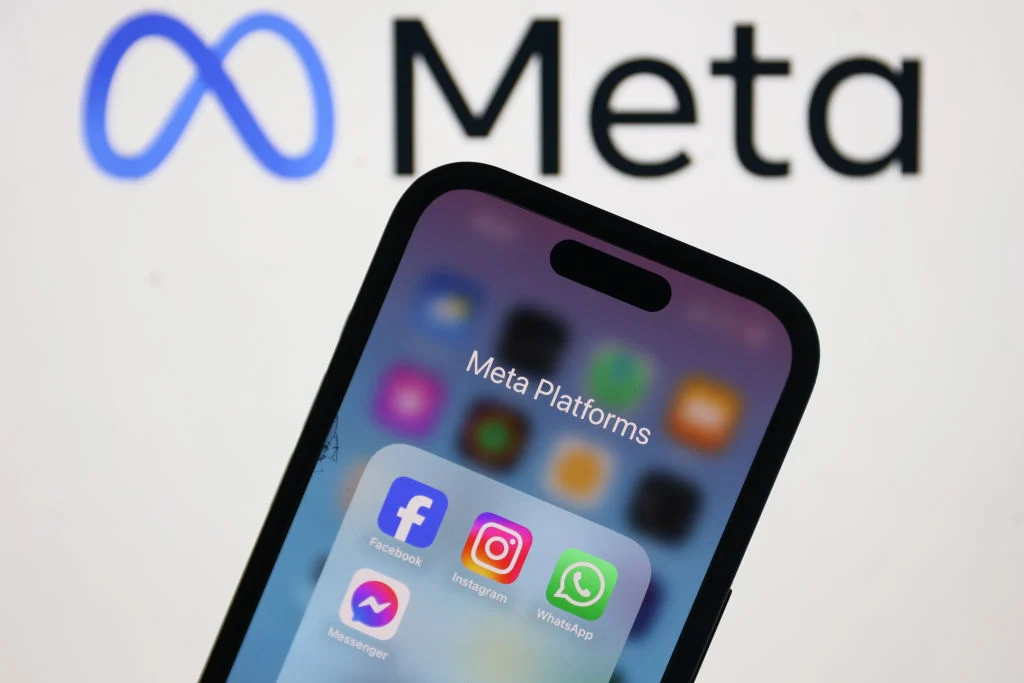
Reports suggest that Meta Platforms, the parent company of Facebook, Instagram, and WhatsApp, is contemplating a significant reduction in its global workforce, potentially impacting 20% or more of its employees. This potential move, disclosed by sources familiar with the company’s internal discussions, underscores a strategic pivot within the tech giant as it navigates a rapidly evolving economic landscape and intensifies its focus on artificial intelligence. The consideration of such widespread layoffs highlights Meta’s ongoing efforts to streamline operations and reallocate resources amidst substantial investments in AI infrastructure and talent acquisition.
As of its most recent filings, Meta employed nearly 79,000 individuals, meaning a 20% cut could translate to thousands of job losses. This development comes as the company continues to pour billions into developing advanced AI capabilities, including the necessary computational power and specialized personnel. A company spokesperson, when approached for comment, described the reporting as "speculative reporting about theoretical approaches," a common response to unconfirmed internal deliberations. However, the mere contemplation of such a large-scale reorganization sends ripples through the tech industry, prompting questions about the genuine drivers behind these decisions and the future of employment in an AI-driven world.
The AI Imperative and Shifting Strategic Priorities
Meta’s reported consideration of deep workforce cuts is intrinsically linked to its aggressive pursuit of leadership in artificial intelligence. For years, CEO Mark Zuckerberg championed the metaverse as the company’s next frontier, pouring tens of billions into Reality Labs, the division responsible for virtual and augmented reality hardware and software. While the metaverse remains a long-term vision, the immediate strategic emphasis has shifted dramatically towards AI. Zuckerberg has openly declared AI as one of Meta’s two core strategic pillars, alongside the metaverse, signaling a substantial reorientation of resources and focus.
This shift is not merely conceptual; it translates into colossal financial commitments. Meta has been engaged in what industry analysts term an "AI compute arms race," spending aggressively to acquire the necessary high-end graphics processing units (GPUs), build vast data centers, and hire top-tier AI researchers and engineers. Reports indicate that the company plans to spend tens of billions annually on AI infrastructure, a figure that rivals the investments of other tech titans like Microsoft and Google. These expenditures are aimed at developing foundational AI models, integrating AI across its family of apps, and creating new AI-powered products and services, from advanced content recommendation engines to generative AI tools. The scale of this investment puts immense pressure on other areas of the business to demonstrate efficiency and profitability, making cost-cutting measures a logical, albeit difficult, consequence.
A History of Restructuring: From Hyper-Growth to Efficiency
The potential layoffs represent a continuation, and potentially an intensification, of a broader trend of workforce restructuring at Meta. The company experienced a period of unprecedented growth during the COVID-19 pandemic, expanding its headcount significantly to meet surging demand for digital connectivity and advertising. This rapid expansion, however, proved unsustainable in the face of subsequent economic headwinds, increased competition, and Apple’s privacy changes impacting advertising revenue.
In November 2022, Meta initiated its first major round of layoffs, reducing its workforce by approximately 11,000 employees, roughly 13% of its total staff at the time. This was followed by another significant cut of 10,000 jobs in March 2023, bringing the total reduction to over 21,000 employees within a few months. These moves marked a stark departure from Meta’s previous growth-at-all-costs philosophy. Mark Zuckerberg dubbed 2023 the "Year of Efficiency," emphasizing a leaner, more agile organizational structure. The stated goals were to flatten management layers, optimize resource allocation, and accelerate decision-making. The current contemplation of an even larger percentage reduction suggests that the quest for efficiency and strategic realignment is far from over, potentially signaling a more profound structural change rather than a mere cyclical adjustment.
The "AI-Washing" Debate and its Societal Implications
Amidst a wave of layoffs across the tech sector, a critical debate has emerged around the narrative often provided by executives: that these job cuts are a direct consequence of AI-driven automation. This phenomenon has been dubbed "AI-washing," a term suggesting that companies are using the perceived transformative power of AI as a convenient justification for workforce reductions that may stem from other factors, such as over-hiring during the pandemic boom, macroeconomic pressures, or simply a desire to boost profit margins.
Prominent figures, including OpenAI CEO Sam Altman, have publicly expressed skepticism about the direct causal link between current AI capabilities and widespread tech layoffs. Altman himself has suggested that many announced cuts might be "AI-washing," implying that while AI will undoubtedly transform the labor market in the long run, its immediate impact on current employment figures is often overstated as a reason for mass dismissals. Pundits and labor economists echo this sentiment, pointing out that the current generation of generative AI tools, while impressive, often augment human capabilities rather than fully replacing entire job functions at scale. The risk of "AI-washing" is not merely semantic; it can erode trust, mislead the public about AI’s immediate economic impact, and potentially distract from genuine strategic or financial missteps that contribute to job losses. If companies are indeed using AI as a cover, it raises ethical questions about corporate transparency and accountability, particularly for employees whose livelihoods are directly affected.
Market Reactions and Investor Confidence
For publicly traded companies like Meta, every major strategic decision, especially those concerning workforce size, is scrutinized by investors. Historically, layoff announcements in the tech sector have often been met with a positive, or at least neutral, reaction from the stock market, as they are frequently interpreted as a commitment to fiscal discipline and improved profitability. Wall Street often rewards companies that demonstrate a clear path to leaner operations, particularly after periods of perceived overspending or unchecked growth.
However, the sheer scale of the potential 20% reduction, combined with the context of Meta’s enormous AI investments, presents a complex picture for investors. On one hand, it could be seen as a bold move to reallocate capital and talent towards the most promising growth areas, signaling management’s conviction in the future of AI. On the other hand, repeated large-scale layoffs could raise concerns about employee morale, talent retention, and the company’s ability to execute on its ambitious AI roadmap without key personnel. The market will be looking for clear communication from Meta about the strategic rationale behind any cuts, how they align with long-term goals, and what the ultimate impact on operational efficiency and innovation will be. Sustained investor confidence will depend on Meta’s ability to demonstrate that these potential cuts are part of a well-considered strategy for future growth, not merely a reaction to current financial pressures.
Impact on Workforce and Corporate Culture
The continuous cycle of potential and actual layoffs at Meta could have profound implications for its corporate culture and the morale of its remaining workforce. Repeated restructuring can foster an environment of uncertainty and anxiety, potentially leading to a decline in productivity, innovation, and employee loyalty. Top talent, especially those skilled in critical areas like AI, might become more susceptible to recruitment efforts from competitors offering greater stability or clearer long-term visions.
For those who remain, the workload could increase as fewer individuals are left to manage existing projects and new AI initiatives. This intensified pressure, combined with the psychological toll of witnessing colleagues depart, can lead to burnout and a sense of detachment. Meta’s ability to maintain its competitive edge will heavily rely on how effectively it manages this period of transition, communicates with its employees, and demonstrates a clear, supportive path forward for its remaining team members. The challenge will be to rebuild trust and foster a renewed sense of purpose and stability in an environment that has been anything but stable in recent years.
Broader Industry Trends and the Future of Tech Employment
Meta’s situation is not an isolated incident but rather a reflection of broader trends sweeping across the tech industry. Many large technology companies that experienced exponential growth during the pandemic era are now recalibrating their strategies, prioritizing profitability and efficiency over unchecked expansion. Companies like Amazon, Google, Microsoft, and Salesforce have all undertaken significant workforce reductions in recent years, often citing a combination of macroeconomic factors, strategic shifts, and the increasing capabilities of automation and AI.
This trend signals a maturing phase for the tech sector, moving away from the "growth at all costs" mentality that characterized much of the 2010s. The focus is now firmly on optimized operations, disciplined investment, and a clear return on capital. While AI is poised to create new roles and industries, its immediate impact on existing job structures within large corporations is complex and multifaceted. The evolving landscape suggests that tech workers, even in high-demand fields, may face a more volatile employment environment than in previous decades. Companies like Meta are at the forefront of this transformation, navigating the delicate balance between pioneering advanced technologies and ensuring sustainable financial health in an increasingly competitive and unpredictable global economy. The outcomes of these strategic decisions will not only shape Meta’s future but also provide a significant barometer for the direction of the entire technology sector.