Amir Mahmud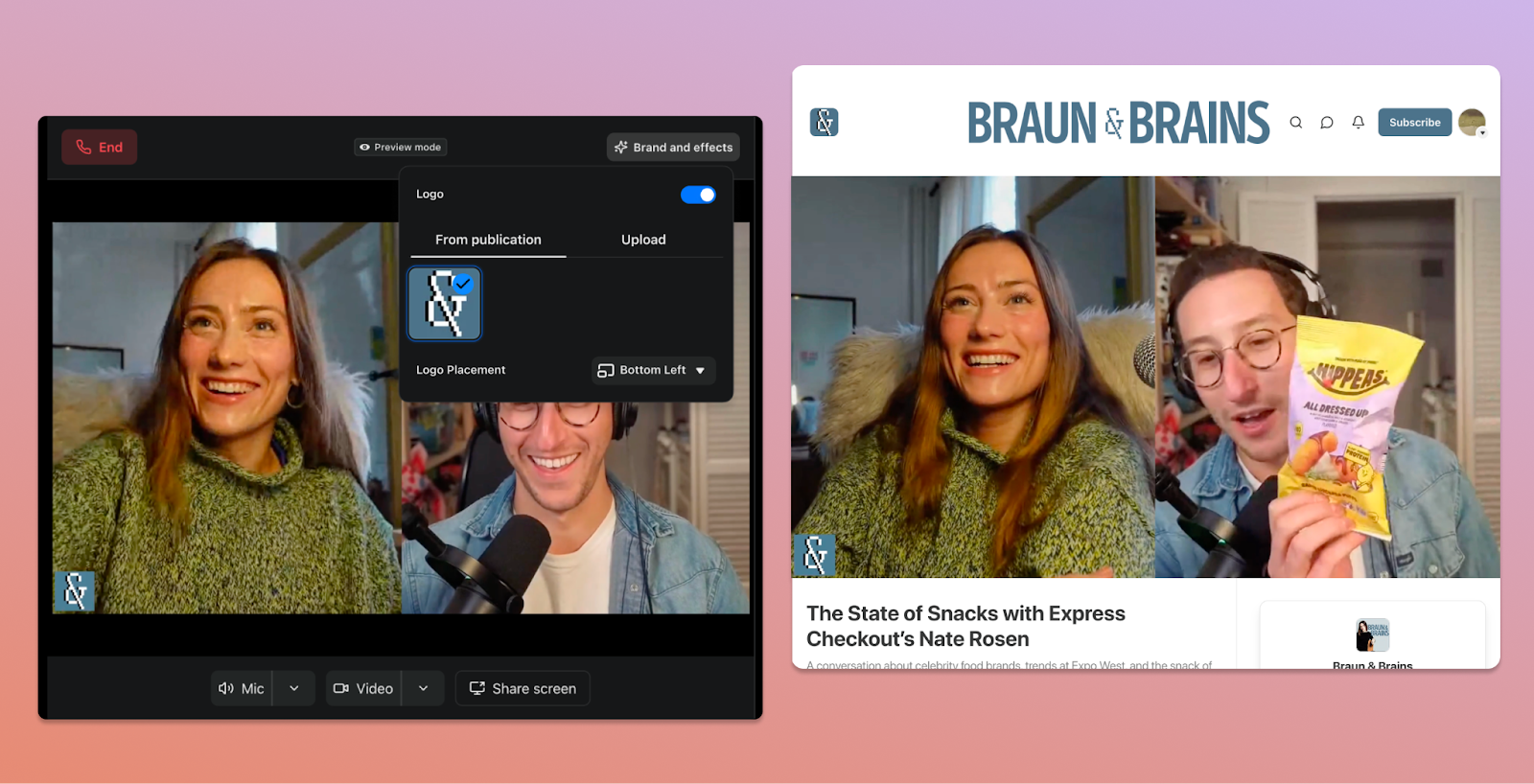
The publishing platform Substack has significantly enhanced its suite of tools for independent creators with the introduction of the Substack Recording Studio, an integrated feature designed to streamline the pre-recording and publishing of video content. This strategic development, announced on March 12, 2026, signals a continued and deepening investment in multimedia offerings, moving Substack further beyond its origins as a text-centric newsletter service. The new studio aims to consolidate various video production functionalities into a single, user-friendly interface, thereby simplifying the workflow for creators looking to engage their audiences through visual storytelling.
The Genesis of the Creator Economy and Substack’s Rise
To understand the significance of this move, it’s crucial to contextualize Substack within the broader landscape of the creator economy. The past decade has witnessed an explosive growth in individuals building businesses around their content and communities. Platforms like Patreon, OnlyFans, and eventually Substack emerged to empower these independent creators, offering direct monetization models that bypass traditional media gatekeepers and often volatile advertising revenues. Substack, founded in 2017, quickly carved a niche by championing independent writers, journalists, and thought leaders. Its core value proposition centered on enabling creators to publish newsletters and essays, directly charging subscribers for access to their work. This model resonated deeply with a segment of creators disillusioned by the ad-driven, algorithm-controlled environments of social media and the diminishing returns of traditional publishing. The platform offered a sense of ownership over one’s audience and content, fostering a direct relationship between creator and consumer.
Initially, Substack’s success was largely predicated on the written word, attracting prominent journalists and niche experts who sought to monetize their insights directly. The platform’s minimalist design and focus on quality long-form content stood in stark contrast to the fleeting nature of social media feeds. However, as the creator economy matured, so too did audience expectations, with a growing demand for diverse content formats beyond just text.
Substack’s Multimedia Evolution: A Strategic Timeline
Substack’s journey from a pure-play newsletter platform to a comprehensive multimedia hub has been a deliberate and incremental process, reflecting a keen awareness of evolving creator needs and market trends.
- 2017: Substack is founded, focusing primarily on email newsletters and subscription-based written content.
- Early 2020s: As podcasts gain mainstream traction, Substack begins to integrate audio capabilities, allowing creators to host and distribute podcasts directly through their newsletters, often offering exclusive audio content to paid subscribers.
- 2022: The platform introduces the ability for creators to upload video files, marking its initial foray into visual content. This allowed for supplementary video material to accompany written posts or standalone video episodes.
- 2025: Substack significantly expands its video capabilities by enabling live video streaming and direct monetization options for video content. This move directly challenged platforms like Patreon, which had long supported diverse creator content, including video. To accelerate this transition and attract established video creators, Substack also launched a $20 million Creator Accelerator Fund. This fund provided financial incentives and support for creators to migrate their audiences and content to the platform.
- Late 2025/Early 2026: Recognizing a growing trend in content consumption, Substack introduces a dedicated TV application, available on popular smart TV platforms like Apple TV and Google TV. This app features a "For You" discovery row, akin to TikTok’s algorithmic feed, designed to enhance content discoverability and provide a lean-back viewing experience for longer-form video.
- March 2026: The launch of the Substack Recording Studio completes a crucial piece of the multimedia puzzle, bringing pre-recorded video production in-house.
This progression highlights Substack’s commitment to building an "all-in-one" solution for independent creators, ensuring they have the tools to produce and distribute various forms of content without needing to stitch together disparate services.
Unveiling the Substack Recording Studio: Features and Creator Benefits
The newly launched Substack Recording Studio is engineered to simplify the often-complex process of video creation. Available exclusively on desktop, the studio provides a streamlined environment for creators to capture and publish high-quality video. Its core functionalities address several common pain points associated with independent video production.
The studio supports both solo video recordings and collaborative conversations involving up to two guests, facilitating interviews, panel discussions, or co-hosted shows. This multi-participant capability is essential for many creators who rely on dialogue and collaboration to enrich their content. Beyond basic recording, the platform incorporates features like custom watermarks, allowing creators to brand their videos directly within the studio. Screen sharing functionality is also available, proving invaluable for tutorials, presentations, or analytical content where visual aids are critical.
Perhaps one of the most significant efficiency gains comes after recording. The Substack Recording Studio automatically generates video clips and thumbnails, alleviating the labor-intensive post-production tasks that often deter creators from venturing into video. These auto-generated assets are crucial for social media promotion and discoverability, helping creators easily repurpose their long-form content into bite-sized, shareable snippets.
As the company articulated in its official announcement, the goal is to eliminate the "separate stack of tools" that creators previously needed—a recording platform, a clipping tool, and a thumbnail designer. By integrating these functionalities, Substack dramatically lowers the technical barrier to entry for video content creation, enabling more writers and podcasters to transition seamlessly into video without investing in a complex array of external software or services. This integrated approach not only saves creators time and money but also encourages experimentation with new formats, potentially unlocking new revenue streams. The company’s internal data reinforces this, indicating that creators who have utilized audio or video on Substack in the preceding 90 days have experienced revenue growth 50% faster than their text-only counterparts.
Intensifying Market Competition and Shifting Consumption Habits
Substack’s aggressive expansion into video and multimedia positions it squarely within a highly competitive digital landscape. While initially seen as primarily a competitor to email marketing services and traditional media outlets, its evolution now places it in direct rivalry with platforms like Patreon, which has long been a haven for diverse creators offering exclusive video, audio, and written content to patrons. The battle for creator loyalty is fierce, with platforms vying to offer the most comprehensive tools, the most lucrative monetization options, and the most supportive community environments.
Moreover, Substack’s video strategy also puts it in a broader competitive arena with giants like YouTube and Spotify. While these platforms operate on different business models (largely ad-supported vs. subscription-focused), they all compete for creator attention and, more importantly, audience viewing hours. YouTube remains the undisputed king of online video, and Spotify has made massive investments in podcasting, increasingly integrating video podcasts into its audio-first experience. Substack’s approach differentiates itself by emphasizing direct subscription and audience ownership, a model that appeals to creators seeking independence from algorithmic whims and ad revenue fluctuations.
The decision to launch a TV app and focus on longer-form video content also aligns with observable shifts in consumer behavior. Despite the ubiquity of short-form video on mobile devices, there’s a clear trend towards consuming longer-form content, particularly podcasts and talk shows, on larger screens. Data supports this: YouTube reported that viewers watched over 700 million hours of podcasts each month on living room devices (like smart TVs) in 2025, a significant increase from 400 million per month just the year prior. Netflix, traditionally a movie and TV show streaming service, has also been making substantial investments in bringing video podcasts to television, recognizing the growing demand for this format. This preference for a "lean-back" viewing experience for more extended content, often shared with others, indicates a maturing digital media landscape where consumers are seeking out diverse content on the most comfortable and immersive screens available. Substack’s strategy of facilitating easy video creation and then providing a dedicated TV app creates a seamless pipeline from production to living room consumption, catering directly to this emerging habit.
Social, Cultural, and Analytical Implications
The ongoing evolution of platforms like Substack carries significant social and cultural implications. By lowering the barriers to entry for multimedia creation and distribution, these platforms further democratize content production, allowing a wider array of voices to reach audiences directly. This fosters greater diversity in perspectives, enables the rise of highly niche communities, and potentially reshapes the media landscape by empowering independent creators over traditional institutions. It supports the notion of a "passion economy," where individuals can monetize their unique skills and insights directly from their audience.
However, this decentralization also presents challenges, including issues of content moderation, discoverability in an increasingly saturated market, and the economic sustainability for all but the most successful creators. While Substack’s model offers creators a greater share of revenue and direct audience access, it also places the burden of marketing, audience growth, and content production squarely on their shoulders.
Analytically, Substack’s launch of the Recording Studio is more than just a feature update; it’s a profound statement of intent. The company is clearly positioning itself as a comprehensive platform for the entire spectrum of independent media creation—from text and audio to live and pre-recorded video—all under a single, direct-monetization umbrella. This move signifies an understanding that creators in the modern era demand flexibility and robust tools to serve their audiences across multiple formats. It’s a strategic response to both creator needs and evolving consumption patterns, aiming to capture a larger share of the burgeoning creator economy.
The success of this strategy will depend on several factors: the stability and continued development of these new tools, Substack’s ability to attract and retain top-tier multimedia talent, and its capacity to address the ongoing challenges of content discovery and moderation. As the platform continues to mature, its role in shaping the future of independent journalism, commentary, education, and entertainment will be closely watched. This latest development solidifies Substack’s ambition to be not just a publishing platform, but a full-fledged independent media ecosystem, where creators can build, grow, and monetize their content across all major formats and distribution channels.