Amir Mahmud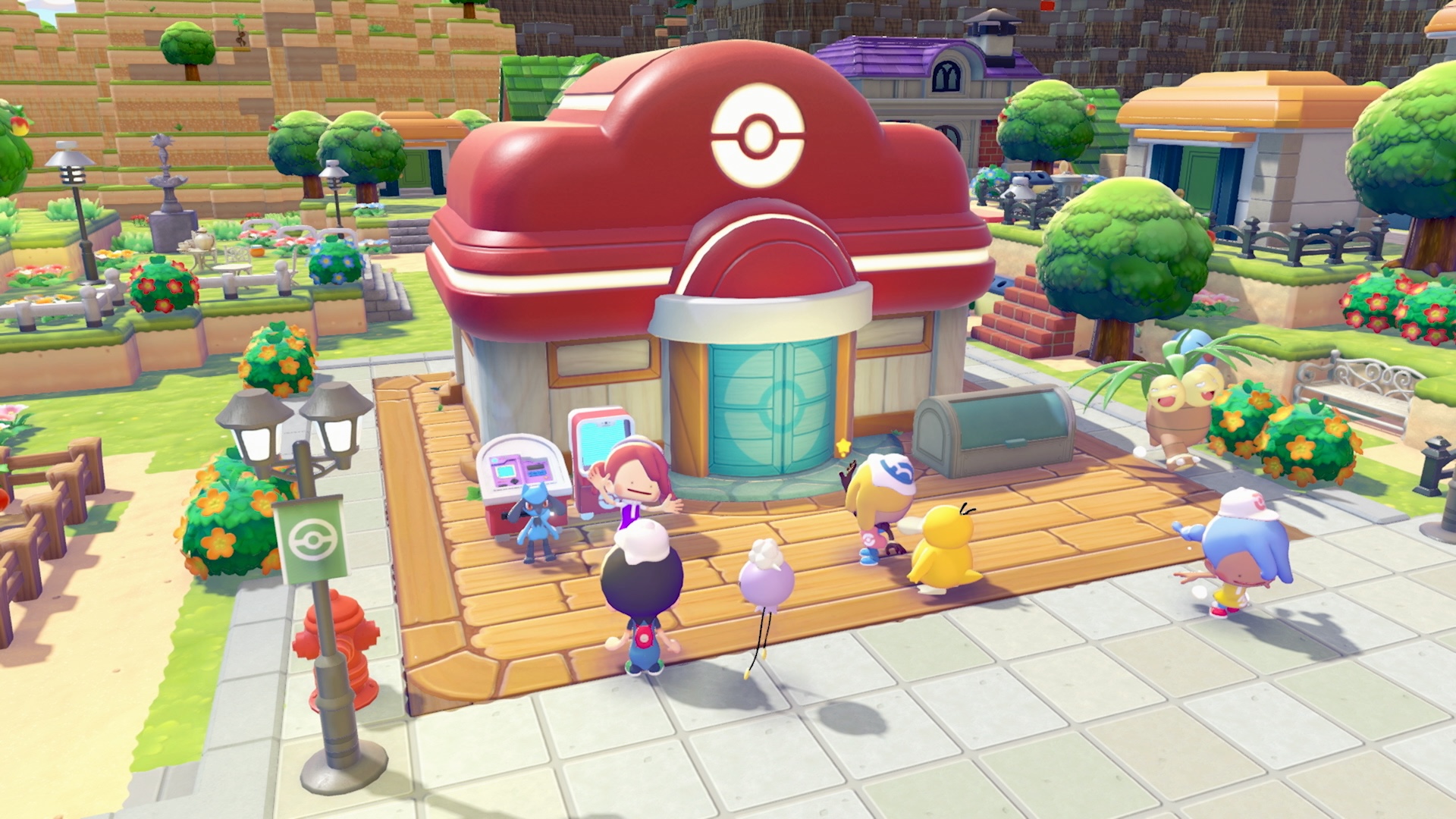
The venerable Pokémon franchise, a cultural touchstone spanning three decades, has embarked on an unprecedented journey with its latest release, Pokémon Pokopia. This innovative title redefines the series’ established formula, moving away from traditional monster-battling role-playing games to embrace the burgeoning "cozy life simulator" genre. Its distinctive blend of environmental rehabilitation, community building, and an emotionally resonant narrative set in a post-apocalyptic Kanto has captivated players and critics alike, marking a significant departure and a potential new direction for the globally recognized brand.
The Evolution of a Global Phenomenon: Contextualizing Pokémon’s Journey
Since its inception in 1996, Pokémon has grown from a pair of Game Boy titles into a multimedia empire encompassing video games, anime, trading card games, movies, and merchandise. The core appeal has traditionally revolved around capturing, training, battling, and trading hundreds of unique creatures, fostering a sense of adventure and discovery. Over the years, main series games, developed primarily by Game Freak, have largely adhered to this established formula, with incremental innovations in graphics, battle mechanics, and regional designs.
However, recent mainline entries, such as Pokémon Scarlet and Pokémon Violet, faced a mixed reception. While commercially successful, they drew criticism for technical performance issues, including bugs, glitches, and inconsistent frame rates. Players often felt that the transition to an open-world format, while ambitious, felt rushed and lacked the polished execution expected from such a high-profile franchise. This period saw a noticeable segment of the fanbase expressing a desire for fresh perspectives and a more refined gameplay experience, suggesting a potential fatigue with the conventional structure. It is against this backdrop that Pokémon Pokopia emerged, not as a direct successor in the main series, but as a bold experimental title that has, paradoxically, revitalized enthusiasm for the brand by challenging its very foundations.
Core Gameplay: Rebuilding a Desolate Kanto
Pokémon Pokopia immerses players in a dramatically altered version of the familiar Kanto region, now a desolate wasteland devoid of human presence. The primary objective shifts from collecting battle-ready creatures to collaborating with Pokémon to restore the environment and rebuild their habitats. Players assume the role of a Ditto, a shapeshifting Pokémon, which has transformed to resemble its mysteriously absent former trainer. This unique premise immediately establishes a connection to the player, while also emphasizing the absence of humanity as a central narrative element.
The gameplay loop is a meticulously crafted blend of exploration, resource gathering, puzzle-solving, and creative construction. Players must navigate various biomes, each presenting unique environmental challenges. For instance, a common early task involves restoring a parched landscape to encourage rainfall, a process that might require understanding the natural needs of specific Pokémon like Squirtle to trigger a celebratory event. Similarly, freeing an Onix trapped within a cave might involve environmental manipulation, such as softening rocks through induced precipitation, rather than direct combat. As players progress, they unlock new abilities and tools, enabling them to construct increasingly complex habitats and infrastructure, such as sheltered areas for fire-type Pokémon like Charmander during a rainstorm, often requiring the aid of construction-savvy Pokémon like Timburr or Hitmonchan.
The game eschews traditional combat, focusing instead on fostering empathy and cooperation. Each rehabilitated area brings new Pokémon friends, who then contribute their unique skills to further restoration efforts. This communal effort builds a sense of progression and accomplishment that resonates deeply with players seeking a more tranquil and purposeful gaming experience. The narrative unfolds organically as players uncover remnants of the past—diary entries, newspaper clippings, and old letters—that slowly reveal the story of Kanto’s decline and the disappearance of its human inhabitants. This environmental storytelling adds a layer of mystery and emotional depth, transforming the act of rebuilding into an act of remembrance and hope.
A Narrative of Absence and Renewal: Exploring Pokopia’s World
The world of Pokopia is perhaps its most compelling feature. The iconic Kanto region, once vibrant and bustling, is depicted as a stark, post-apocalyptic landscape. Vermilion City, a once-thriving port, lies in ruins, its infrastructure crumbling under the weight of an unspecified ecological catastrophe. This bleak setting is counterbalanced by the inherent charm of the Pokémon themselves and the optimistic drive to restore their world. The narrative suggests a disastrous climate event led to the exodus or disappearance of all humans, leaving the Pokémon to fend for themselves and adapt to a changed environment.
The protagonist’s journey begins with an encounter with Professor Tangrowth, a venerable vine Pokémon who has spent years in isolation. This interaction underscores the profound solitude that has gripped Kanto. Further emphasizing the environmental degradation are unique variants of familiar Pokémon, such as "Peakychu," a pale Pikachu that has lost its electrical abilities, symbolizing the fading vitality of the world. Even Snorlax, typically a creature of comfort, is found in a state of deep, solitary slumber, having become so integrated into the landscape that moss covers its form. These details paint a poignant picture of a world severely impacted, yet holding the potential for recovery through collective effort.
The game’s narrative structure cleverly uses found documents to piece together the history of the disaster. These scraps of information are not just exposition; they serve as critical reflections on societal issues. For example, notes found in an old Poké Mart discuss the widespread shutdown of music streaming services due to exorbitant server fees, leading to a nostalgic return to physical media like CDs. This seemingly minor detail provides a subtle yet potent commentary on the fragility of modern digital infrastructure and the environmental footprint of our increasingly data-driven world.
Market Resonance and Technological Leap
Pokémon Pokopia‘s release has been nothing short of a commercial phenomenon. Reports indicate the game has significantly exceeded sales expectations, leading to an interesting market dynamic where physical copies saw a price increase on major retailers like Amazon, reflecting high demand and potential stock constraints. While the digital version remains available at its standard price, the surge in demand for physical editions highlights the game’s immediate and widespread appeal.
Crucially, Pokopia has also emerged as a flagship title for the recently launched Nintendo Switch 2. As one of the console’s early exclusives, its success has generated considerable buzz, compelling many players to upgrade to the new hardware. This strategic timing positions Pokopia not just as a successful game, but as a key driver for Nintendo’s next-generation console, reminiscent of how titles like The Legend of Zelda: Breath of the Wild propelled the original Switch.
The game’s success also speaks to a broader trend within the gaming industry: the increasing popularity of "cozy games." Titles like Animal Crossing: New Horizons and Stardew Valley have demonstrated a significant market appetite for non-violent, relaxing, and creative gameplay experiences. Pokopia‘s embrace of this genre, while infusing it with the beloved Pokémon aesthetic and an underlying sense of purpose, has tapped into a growing desire for virtual spaces that offer comfort, creativity, and a break from the often-intense competitive or action-oriented nature of many modern games. This strategic pivot has not only garnered critical acclaim but has also broadened the Pokémon audience, attracting players who might not typically engage with traditional RPGs.
Beyond Escapism: Social Commentary in a Virtual World
While many "cozy games" offer pure escapism, Pokémon Pokopia distinguishes itself by grounding its comforting mechanics in a narrative that directly addresses real-world anxieties. The game’s setting, a world scarred by a climate catastrophe and the potential pitfalls of unchecked technological reliance, provides a poignant backdrop. The in-game commentary on rising server costs and the collapse of digital services, for instance, resonates with contemporary concerns about the immense energy consumption of data centers, particularly with the rapid expansion of AI technologies. This subtext subtly prompts players to reflect on the sustainability of modern society and technology.
Unlike the pure fantasy islands of some other life simulators, Pokopia‘s Kanto is a world that feels broken but redeemable. The act of restoring habitats, rediscovering lost technologies like electricity, and illuminating desolate landscapes carries a symbolic weight. It offers players a sense of agency and purpose in addressing environmental degradation, a stark contrast to the often overwhelming and intractable nature of real-world climate challenges. The game doesn’t just offer an escape from a troubling reality; it offers a simulated experience of actively working to fix a broken world. This blend of comforting gameplay with a powerful underlying message of environmental stewardship and community effort provides a unique form of engagement, allowing players to process complex themes within a safe, rewarding virtual space. The joy derived from seeing Vermilion City slowly come back to life, with lights flickering back on and ecosystems flourishing, is not merely aesthetic; it’s a testament to collective effort and hope.
The Future of the Franchise: Lessons from Pokopia
Pokémon Pokopia stands as a testament to the franchise’s capacity for reinvention. Its overwhelming success, both critically and commercially, suggests that fans are receptive to significant deviations from the established formula. With four main regions to explore and a sandbox version of Palette Town for multiplayer interactions, the game offers a vast and engaging experience. Many players report dozens of hours of gameplay without completing the main story, hinting at immense replayability. The potential for future downloadable content (DLC) packs, introducing new regions or narrative arcs, is a strong possibility, further extending the game’s longevity and revenue potential, even with its premium price point.
The lessons learned from Pokopia‘s success could profoundly influence the future trajectory of the Pokémon brand. It demonstrates that the core appeal of Pokémon lies not solely in battling, but in the creatures themselves, their interactions, and the world they inhabit. This opens doors for more genre experimentation, potentially leading to future Pokémon titles that explore different gameplay styles—perhaps adventure games, puzzle games, or even more direct environmental simulations—while retaining the franchise’s beloved characters and lore. By daring to reimagine what a Pokémon game can be, Pokopia has not only delivered an exceptional gaming experience but has also charted a promising new course for one of the most enduring entertainment properties in the world.