Amir Mahmud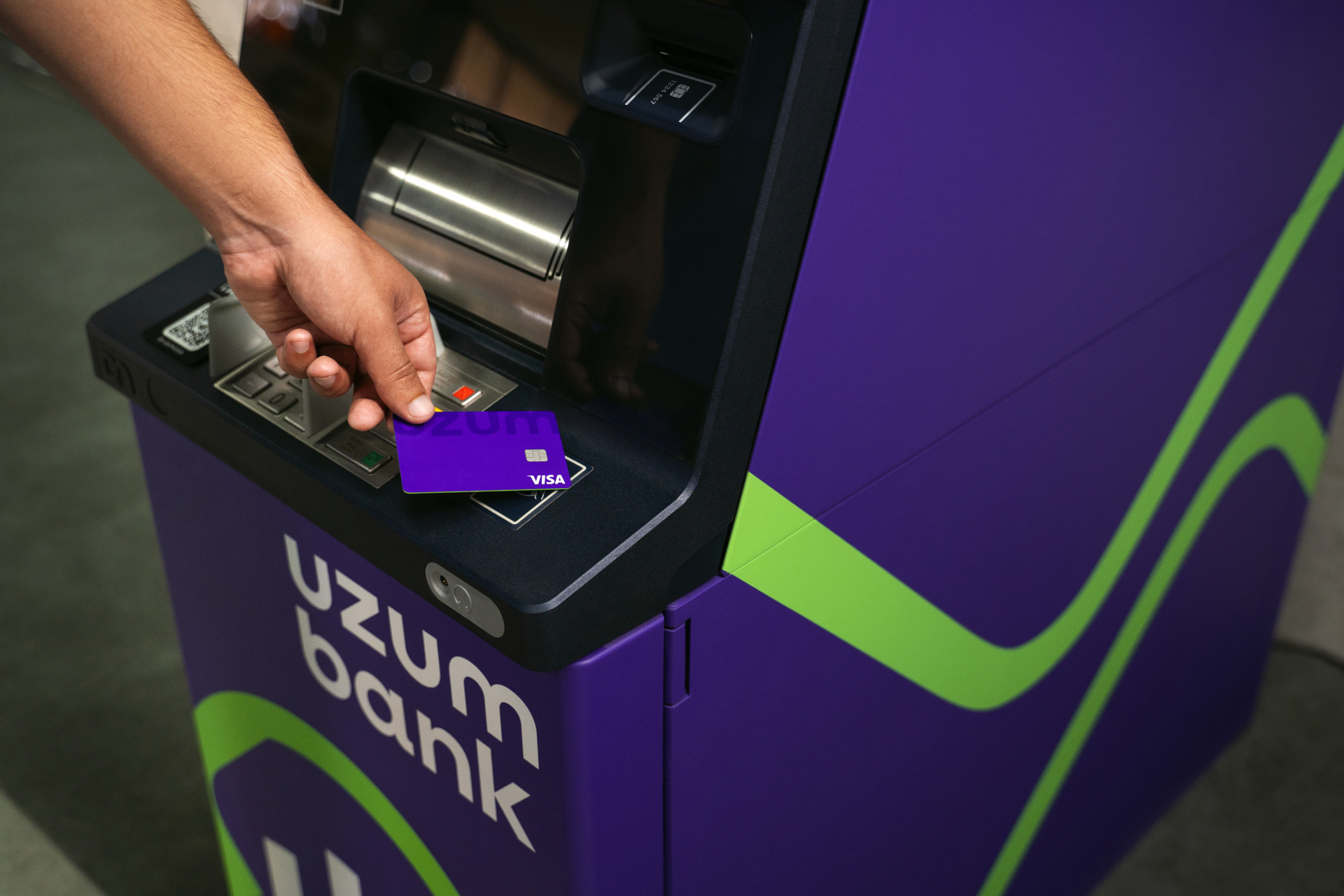
Uzum, a burgeoning fintech giant originating from Uzbekistan, has seen its valuation catapult to an impressive $2.3 billion, marking a substantial increase of approximately 53% in just seven months. This remarkable growth underscores a burgeoning investor confidence in the rapidly expanding digital economy of Uzbekistan, Central Asia’s most populous nation.
The latest valuation milestone stems from a significant $131.5 million investment round. This round was spearheaded by sovereign wealth funds from Oman, with continued backing from existing prominent investors, including Tencent, VR Capital, and FinSight Ventures. The funding structure comprises $81.5 million in direct equity and an additional $50 million in convertible financing, strategically tied to Uzum’s subsequent funding initiative. The company is now setting its sights on a potential pre-IPO raise of $250 million to $300 million, anticipated in the latter half of 2026 or early 2027, as it meticulously prepares for a future public listing.
Uzbekistan’s Digital Renaissance and Uzum’s Meteoric Rise
Uzbekistan has been undergoing a transformative economic shift since 2016, spurred by extensive reforms initiated under President Shavkat Mirziyoyev. The nation has progressively moved away from a largely state-controlled, insular economy towards a more open, market-oriented system. A cornerstone of this modernization agenda has been the aggressive pursuit of digitalization across all sectors. This strategic pivot has created fertile ground for homegrown technology companies like Uzum to flourish. With a population exceeding 36 million and a significant youth demographic—the median age hovers around 29—Uzbekistan presents a substantial consumer base eager for digital services. Coupled with rapid smartphone penetration and a relatively low historical adoption of online retail and banking, the market is ripe for digital disruption.
Uzum’s journey reflects this national trajectory. Founded in 2022, the company swiftly established itself as a pivotal player in the country’s digital landscape. Its ascent to unicorn status—a startup valued over $1 billion—in March 2024 was a landmark event for Uzbekistan, signaling the maturity and potential of its tech ecosystem. This achievement was followed by a $65.5 million funding round in August 2025, which pushed its valuation to $1.5 billion. The current leap to $2.3 billion within such a short timeframe further solidifies its position as a regional digital powerhouse and a bellwether for investment in Central Asian technology. Uzum’s rapid evolution exemplifies the "leapfrogging" phenomenon often observed in emerging economies, where traditional development stages are bypassed in favor of direct adoption of advanced digital solutions, particularly in areas like e-commerce and fintech.
The Integrated Ecosystem: A Blueprint for Emerging Markets
Uzum’s success is largely attributed to its strategic decision to build a comprehensive "digital ecosystem," a model often referred to as a "super app" in other fast-developing markets. This integrated approach combines various essential digital services under one umbrella, fostering user stickiness and enabling robust cross-selling opportunities. The company initiated its operations with Uzum Market, an e-commerce marketplace, which quickly gained traction. Recognizing the interconnectedness of commerce and financial services, Uzum expanded into digital banking through Uzum Bank and consumer lending with Uzum Nasiya. Further diversification into express food delivery via Uzum Tezkor has cemented its role as a ubiquitous digital presence in the daily lives of Uzbek citizens.
This ecosystem strategy has yielded impressive user engagement metrics. From over 17 million monthly active users reported in August 2025, Uzum’s platform now serves approximately 20 million users. This figure represents more than half of Uzbekistan’s adult population, demonstrating profound market penetration. The marketplace acts as a vibrant hub, connecting over 17,000 local sellers with a vast consumer base. The sheer volume of transactions processed across the ecosystem highlights its integral role in the economy, with around $11 billion in payment volume recorded in 2025. The number of annual transacting users also saw a substantial rise, growing from approximately 3 million to about 4.6 million within a year, indicating deepening user engagement and loyalty.
Djasur Djumaev, Uzum’s chief executive, has articulated a compelling vision for the future of retail in Uzbekistan. He posits that e-commerce is not merely an adjunct to traditional retail but rather a transformative force that will fundamentally reshape the sector. "Previously, we’ve mentioned that e-commerce is something that’s going to transform into retail," Djumaev explained, suggesting a unique developmental path. "It will leapfrog the traditional retail phase in the country, moving from bazaars and informal trade directly into digital commerce." This perspective acknowledges the prevalent role of traditional markets, or "bazaars," in Uzbek culture and economy, forecasting a direct transition to digital platforms rather than a gradual shift through brick-and-mortar retail chains. This cultural sensitivity, combined with a forward-looking digital strategy, positions Uzum at the forefront of a societal and economic paradigm shift.
Fintech as the Engine of Profitability and Financial Inclusion
While e-commerce provides the broad user base and transaction volume, Uzum’s financial performance data reveals that its fintech operations are the primary drivers of profitability within the ecosystem. The company reported a significant revenue increase to $691 million in 2025, up from $505 million the previous year, with net income rising from $150 million to $176 million. Notably, its e-commerce marketplace achieved EBITDA profitability within three years of operation, generating $500 million in gross merchandise value. However, as Nikolay Seleznev, Uzum’s chief strategy and business development officer, emphasized, the financial services arm remains the core profit center.
The impact of Uzum’s fintech offerings on financial inclusion in Uzbekistan is particularly noteworthy. Uzum Bank currently caters to approximately 5 million customers, and its issuance of 4.1 million debit cards in 2025 accounted for about half of all debit cards issued across the entire country that year. This statistic underscores the digital bank’s critical role in formalizing financial transactions and providing banking access to a previously underserved population. The company’s consumer lending platform, Uzum Nasiya, has also seen substantial growth, with its unsecured loan book expanding to $400 million. The total finance volume, representing the aggregate credit disbursed through its platform, reached $1.2 billion in 2025. Looking ahead, Uzum anticipates adding another 5 million banking customers in the coming year, signaling continued aggressive expansion in its lending and payment services. This focus on fintech not only enhances profitability but also addresses a crucial societal need for accessible and modern financial tools, contributing significantly to the nation’s economic development.
Building the Backbone: Logistics and Cross-Border Commerce
To sustain its rapid growth and ensure a seamless customer experience, Uzum has undertaken substantial investments in physical infrastructure, particularly in logistics. This strategic commitment is vital in an emerging market like Uzbekistan, where robust third-party fulfillment providers are often scarce. The company currently operates approximately 1,500 pickup points nationwide, a network it plans to nearly double to around 3,000 locations by 2026. Furthermore, Uzum’s warehouse capacity stands at an impressive 125,000 square meters, with ambitious plans to expand this to about 500,000 square meters through the development of four new logistics centers.
This extensive infrastructure build-out is not just about scale; it’s about competitive advantage and shaping consumer expectations. As Seleznev pointed out, "You need to invest in infrastructure yourself to deliver and shift customer expectations." By controlling its logistics, Uzum can ensure faster, more reliable delivery, a crucial factor in building trust and repeat business in an e-commerce market that is still maturing. This vertical integration provides a distinct edge over potential competitors who might struggle with fragmented or underdeveloped logistics networks.
Beyond domestic offerings, Uzum has also strategically expanded its marketplace to include cross-border commerce. This initiative allows Uzbek consumers to directly order products from international merchants, significantly broadening product variety and choice. The platform has reportedly added nearly 200 million stock-keeping units (SKUs) from key markets such as Turkey and China. Complementing this international inventory, Uzum continues to support local sellers, offering approximately 1.5 million products available for next-day delivery, thereby balancing global reach with local efficiency.
Future Trajectory: IPO Ambitions and Regional Influence
With its robust growth, expanding ecosystem, and strong financial performance, Uzum is clearly positioning itself for a major financial event. The planned pre-IPO raise is a critical step towards its ultimate goal of going public within the next few years, with a projected timeline of likely within three years. While the exact listing venue remains under exploration, Uzum is considering various global exchanges, including those in the U.S., Europe, the Middle East, and Southeast Asia, reflecting its aspiration to attract a diverse base of international investors.
A successful IPO would not only be a monumental achievement for Uzum but also a significant milestone for Uzbekistan’s entire tech sector. It would serve as a powerful testament to the viability and attractiveness of investing in Central Asian digital economies, potentially paving the way for further foreign direct investment and fostering a new generation of tech entrepreneurs in the region. The company’s growth also translates into substantial job creation, currently employing around 12,500 people across its commerce, fintech, and logistics operations, making it a major economic contributor.
As Uzum continues to expand its fintech infrastructure, including investing in additional ATMs, payment acceptance infrastructure, and point-of-sale systems, it aims to solidify its vision of a fully integrated digital banking platform. This comprehensive strategy, from physical logistics to advanced financial services, positions Uzum not just as a company but as a key enabler of Uzbekistan’s digital future, influencing consumer behavior, empowering local businesses, and setting a precedent for technological advancement in Central Asia. The journey from a nascent startup to a multi-billion-dollar enterprise in just a few years underscores the immense potential that lies within emerging markets, ready to be unlocked by innovative, integrated digital solutions.