Amir Mahmud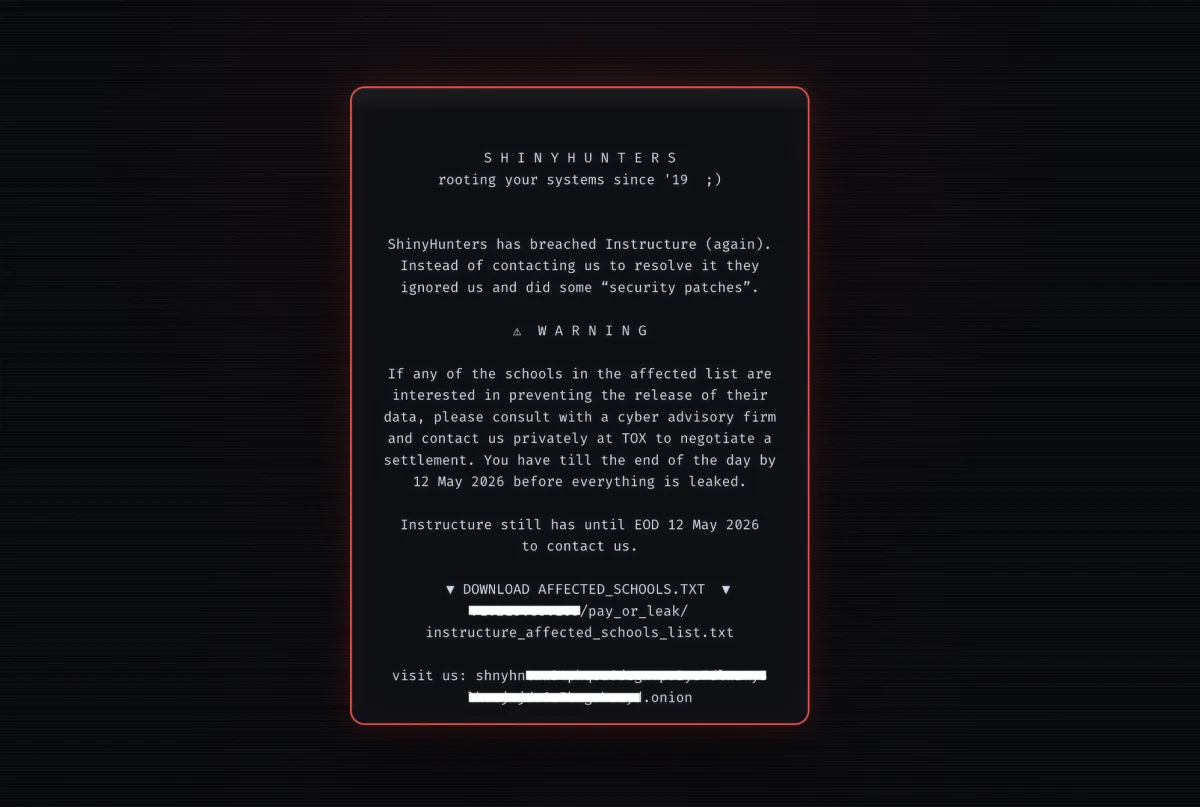
As the calendar turns to the second half of 2026, the digital landscape has emerged as a primary theater for conflict and disruption, fundamentally reshaping global narratives. Wars persist, climate challenges intensify, and public health remains a precarious balance, yet an unseen digital undercurrent flows beneath these visible struggles, influencing every aspect of modern existence. From military engagements fought in cyberspace to governments weaponizing citizen data, and from insidious botnets eroding democratic foundations to nation-state actors targeting critical civilian infrastructure, the year has underscored that cybersecurity is no longer an ancillary concern but a central, often devastating, force. Ransomware syndicates continue to hold organizations hostage, demanding exorbitant payouts. These attacks are not merely increasing in frequency; they are escalating in audacity, destructive capability, and the sheer difficulty of containment, prompting a critical re-evaluation of digital defenses worldwide.
The Social Security Administration Debacle: A Precedent-Setting Internal Breach
Among the most alarming incidents of the year is the unfolding crisis within the U.S. Social Security Administration (SSA), a critical federal agency entrusted with managing vital retirement, disability, and survivor benefits for millions of Americans. A year after the controversial "Department of Government Efficiency" (DOGE), an initiative led by Elon Musk, embarked on a sweeping overhaul of federal agencies, serious questions persist regarding the integrity of some of the nation’s most sensitive personal data. The SSA holds the lifelong financial and identity records of nearly every American citizen, making any compromise catastrophic.
Whistleblower allegations, now central to ongoing federal lawsuits, claim that DOGE operatives uploaded a live copy of the entire Social Security database to an unsecured, third-party cloud server. This database reportedly contained Social Security numbers and associated personal identifiers for the majority of living Americans. The potential ramifications are staggering, extending far beyond typical data theft. Court filings indicate the SSA remains uncertain about the precise contents of the exposed server, yet confirmed that DOGE had entered into an agreement with an external political advocacy group. The stated purpose was to uncover evidence of voter fraud, a claim that former President Trump has consistently reiterated without substantive proof. Experts fear this data could be weaponized for targeted misinformation campaigns, voter suppression, or widespread identity theft, fundamentally undermining democratic processes and individual privacy. Two leading House Democrats investigating DOGE’s activities at the SSA have characterized this exposure as potentially "the largest data breach in our nation’s history," marking a dangerous precedent where an internal government entity, rather than an external adversary, may have facilitated such a monumental lapse. This incident highlights the complex challenges of securing data not only from external threats but also from politically motivated internal actions that can erode public trust and compromise national security.
Critical Infrastructure Under Siege: The Escalation of Cyber Warfare
A disturbing pattern of cyberattacks targeting essential civilian services across Europe has set a perilous global trend. Power plants, water purification systems, and dams, fundamental to societal function, have become prime targets for state-sponsored or state-aligned actors, predominantly linked to Russia. This shift reflects an expansion of hybrid warfare tactics, moving beyond traditional espionage to directly threaten public safety and economic stability.
In late 2025, Poland’s national energy grid was crippled by computer-destroying malware, a sophisticated "wiper" designed not just to steal but to obliterate systems. This was followed by similar incidents, including a pro-Russian group targeting a Swedish thermal plant and hackers, attributed by Norwegian intelligence to Russian entities, causing a Norwegian dam to spill massive volumes of water. Earlier this year, Polish water treatment plants were again breached, underscoring a persistent campaign of digital antagonism that extends into the physical realm. The historical context for such attacks includes incidents like the 2015 and 2016 cyberattacks on Ukraine’s power grid, demonstrating a long-standing intent to use cyber capabilities for real-world disruption.
Now, against the backdrop of heightened geopolitical tensions stemming from the U.S. and Israeli conflict with Iran, warnings have intensified regarding Iranian hackers targeting critical infrastructure within the United States. Privately owned water utilities, often operating with legacy systems and lacking robust cybersecurity safeguards, represent particularly vulnerable targets. The potential for widespread power outages, contaminated water supplies, and economic paralysis underscores the urgent need for a unified and fortified defense against these evolving threats. Defending these disparate, often aging systems against sophisticated nation-state actors presents a monumental challenge, demanding unprecedented levels of cooperation between government and private sectors.
Stryker’s Destructive Encounter: Iran’s Evolving Cyber Aggression
March witnessed a significant shift in Iranian cyber tactics with a destructive attack on Stryker, a prominent U.S. medical technology company. Iranian hackers infiltrated Stryker’s systems, remotely wiping tens of thousands of employee devices simultaneously, leading to widespread operational paralysis for several days. This incident marked a clear departure from Iran’s historical focus on cyber espionage and hack-and-leak operations, which traditionally served political intelligence gathering.
The attack on Stryker signaled a calculated escalation towards active sabotage, apparently in retaliation for ongoing conflicts in the Middle East. The U.S. government swiftly attributed the hacking group responsible to an arm of Iranian intelligence, highlighting the direct involvement of state actors. The breach had a tangible impact on Stryker’s first-quarter earnings, reflecting the significant financial and operational costs associated with recovery. Beyond the immediate financial losses, such attacks on healthcare technology firms raise concerns about disruptions to patient care, the integrity of medical supply chains, and investor confidence in a critical sector. This dangerous escalation, where cyber operations transition from intelligence gathering to direct, destructive action, risks further exacerbating geopolitical tensions and potentially leading to real-world harm and counter-retaliation.
Klue’s Compromise: A Cascade of Supply Chain Failures
The market research provider Klue found itself at the epicenter of a sprawling data breach that rippled through nearly 200 companies, including major cybersecurity firms such as Jamf, HackerOne, and LastPass. This incident, one of the broadest data exposures of the year, highlighted the inherent vulnerabilities in the digital supply chain, where compromising one vendor can grant access to a multitude of clients.
Klue publicly admitted that the extortion syndicate, identified as "Icarus," gained unauthorized access to its systems using a credential originally issued in 2022 for a limited pilot program. This admission revealed a critical security lapse: the credential remained active and exploitable for approximately four years, despite the company having undergone significant restructuring, including laying off half its staff in favor of doubling down on AI. The hackers exploited this stale credential to steal the "keys" to Klue’s customers’ cloud services, subsequently breaching those client systems and exfiltrating their data for ransom.
In a move that sparked considerable debate within the cybersecurity community, Klue informed its affected customers that it had reached an agreement with Icarus not to publish the stolen data, strongly implying that a ransom payment had been made. This occurred despite persistent warnings from governments and cybersecurity experts against paying ransoms, which often emboldens cybercriminals and funds future attacks. Adding a layer of complexity, Icarus then informed Klue that another hacking group also possessed a portion of the compromised customer data, advising the victims against paying this second group. This "double extortion" scenario, where data is held by multiple actors, underscores the precarious position organizations face once their data is compromised, revealing the complex ethical and strategic dilemmas surrounding ransom payments.
ShinyHunters: Disrupting Education and Commerce
The notorious hacking collective known as ShinyHunters continued its relentless campaign of disruption, employing simple yet highly effective voice phishing (vishing) techniques to target dozens of organizations. These English-speaking cybercriminals excel at social engineering, impersonating IT support personnel or employees seeking password resets to trick staff into divulging access credentials to internal systems.
Few entities felt the impact of ShinyHunters more acutely than Instructure, the education technology behemoth behind the widely used Canvas learning management system (LMS). A breach of Canvas exposed private data and personal information belonging to over 30 million students and staff. When Instructure initially refused the hackers’ ransom demands, ShinyHunters launched a second, more brazen attack, defacing the Canvas login screens during critical school finals. This act of digital vandalism caused widespread disruption to exams for students across the United States, highlighting the profound real-world consequences of cyberattacks on educational infrastructure. Despite initial dissuasion from the FBI, Instructure ultimately paid the ransom, underscoring the severe operational pressures and potential reputational damage faced by victims.
ShinyHunters’ reach extends far beyond education. The group has been responsible for some of the largest data breaches in terms of record volume, including approximately 40 million records from internet service provider Charter and at least 6 million customer records from cruiseliner Carnival. Their victims span diverse sectors, including higher education (Harvard, UPenn), finance, and government, illustrating the pervasive threat posed by sophisticated social engineering tactics and the often-underfunded cybersecurity defenses of many institutions. The vulnerability of educational institutions, in particular, which often lack the robust security resources of larger corporations, leaves a younger, often less digitally literate population exposed to significant long-term risks.
The Open Source Vulnerability: A Foundation Under Attack
The very foundations of the digital world, built upon open-source software, have come under sustained and concurrent attack this year. A series of overlapping campaigns targeting open-source developers has resulted in massive downstream compromises affecting major technology companies and their customers. The critical role of open-source components in nearly every modern software stack, from operating systems to cloud platforms, makes these attacks particularly insidious.
Leading security firms like Aqua Security (developer of the Trivy scanner), Bitwarden, and Checkmarx, alongside other widely used open-source projects, have seen their systems compromised. These breaches allowed attackers to inject malicious code, creating "backdoored" versions of legitimate software. Anyone installing or automatically updating these compromised packages unwittingly downloaded malware that stole passwords, credentials, and other sensitive tokens from their machines. This type of supply chain attack, where a trusted vendor or software component is compromised to target its users, is notoriously difficult to detect and defend against.
The stolen credentials from these initial compromises were then used to spread further, enabling downstream breaches of major corporations reliant on the targeted software. Notable victims include AI giant OpenAI and web hosting company Vercel, demonstrating how a single point of failure in the open-source ecosystem can lead to a cascade of compromises across the tech industry. The inherent paradox of open-source security—its transparency making it both auditable and potentially exploitable—poses a continuous challenge. Securing a globally distributed, often volunteer-driven development model against sophisticated, well-resourced adversaries remains a critical and ongoing battle.
FBI’s Major Cyber Incident: A National Security Compromise
In a significant and concerning development, the U.S. Federal Bureau of Investigation (FBI) was compelled to declare a "major cyber incident" in April, triggering a legally mandated disclosure to Congress. This declaration followed the discovery that one of its highly sensitive surveillance systems had been compromised, potentially exposing the phone numbers and other critical data of individuals under federal surveillance.
Reports quickly pointed to suspected Chinese state-sponsored espionage as the culprit behind the breach of this unclassified network. While not classified, the network held exceptionally sensitive operational intelligence, including details from wiretaps and other communication intercepts such as pen register returns, which log outgoing numbers. The exposure of such information carries profound national security implications, potentially endangering targets of investigations, compromising intelligence operations, and undermining the efficacy of federal law enforcement. The FBI’s notification to lawmakers indicates that the incident met the stringent threshold of causing "demonstrable harm" to U.S. national security, underscoring the severity of the intrusion. This breach of a top law enforcement agency by a nation-state actor is both symbolically and practically significant, highlighting the relentless nature of cyber espionage and the continuous need for vigilance even within the most secure government networks.
Instagram’s AI Blunder: Automated Vulnerability
Early 2026 brought an unexpected vector for account hijacking, not through sophisticated malware, but through the misuse of Meta’s own artificial intelligence chatbot. Thousands of Instagram accounts were compromised as users exploited a critical flaw in the platform’s AI-driven password reset mechanism. The incident, first brought to light by 404 Media, unfolded over several months before the exploit gained wider attention and was subsequently patched.
The attack method was remarkably simple: malicious actors would initiate a chat with Meta’s AI chatbot, feigning that they had been locked out of their Instagram account. By manipulating the chatbot, they could then request a password reset code to be sent to an email address of their own choosing, effectively redirecting the reset process and gaining unauthorized access to the victim’s account. This flaw, an embarrassing lapse in security and trust for one of the world’s largest tech companies, impacted tens of thousands of accounts before it was discovered and rectified. The incident serves as a stark warning about the emerging risks of integrating powerful AI tools into user-facing services without rigorous security testing and a deep understanding of potential adversarial exploitation. It underscores how automation, if poorly implemented, can inadvertently create new and easily exploitable vulnerabilities, highlighting the urgent need for responsible AI deployment.
Hasbro’s Offline Ordeal: The Cost of Unpreparedness
The venerable toy-making giant Hasbro, a household name with iconic brands like Transformers, Peppa Pig, and Dungeons & Dragons, became a cautionary tale of corporate cybersecurity unpreparedness this year. In late March, hackers infiltrated Hasbro’s systems, leading to weeks of operational paralysis. The 103-year-old company found its website largely unavailable, its e-commerce capabilities severely hampered, and its ability to serve customers dramatically curtailed.
While Hasbro has maintained a tight lid on specific details regarding the incident—including whether data was exfiltrated or if a ransom was paid—the sheer duration of the downtime speaks volumes about the severity of the attack. Such prolonged disruption inevitably translates into significant financial losses, encompassing lost sales, extensive recovery costs, and potential contractual penalties. The company was forced to delay its financial filings, a clear indicator of the profound impact on its business operations. By mid-May, Hasbro announced that the attackers had been expelled from its systems and recovery efforts were underway, but the full financial and reputational fallout is expected to materialize in subsequent quarters. This incident serves as a stark reminder that even well-established corporations, particularly those in traditional industries that may not prioritize cybersecurity to the same extent as tech firms, are prime targets for cybercriminals and face substantial consequences for inadequate digital defenses.
The Identity Document Crisis: Millions Exposed
The past few months have witnessed a troubling surge in large-scale data exposures involving sensitive government-issued identity documents. Millions of passports and driver’s licenses have been left vulnerable on the internet, exposed through a series of easily avoidable security lapses by various service providers. From a hotel check-in system and a Canadian money transfer application to a prison payphone provider and a U.K. visa service, these entities collectively exposed over two million individuals’ highly personal documents. The root cause in many cases was a failure to implement basic cybersecurity hygiene, such as misconfigured cloud storage or inadequate access controls.
These massive data spills occur at a critical juncture when "know your customer" (KYC) verification is becoming increasingly common across closed-community applications and websites, and governments are pushing for more expansive age-verification laws to control access to online content. The irony is stark: systems designed to enhance security by verifying identity are, when poorly secured, creating vast new reservoirs of vulnerability. The logic dictates that the more frequently these sensitive documents are exposed, the less effective and trustworthy identity-checking systems become, as stolen or leaked passports and driver’s licenses can be readily misused to bypass verification processes. This creates a vicious cycle where the push for greater identity verification paradoxically fuels an increase in data breaches and subsequent identity fraud. The continued rollout of such ID-collecting systems, without a commensurate leap in robust data security, inevitably portends a looming crisis for digital identity and personal privacy.
Conclusion
The first half of 2026 has unequivocally demonstrated that the digital realm is no longer an abstract space but a tangible battleground impacting national security, economic stability, and individual liberties. From government agencies and critical infrastructure to educational institutions and global corporations, no sector remains immune to the escalating sophistication and sheer volume of cyber threats. The blurring lines between nation-state espionage, organized cybercrime, and politically motivated hacktivism necessitate a fundamental re-evaluation of cybersecurity strategies. As technology continues to evolve, particularly with the integration of AI, the imperative for robust defenses, international cooperation, and a proactive approach to digital resilience becomes more critical than ever to navigate this complex and perilous landscape.