Amir Mahmud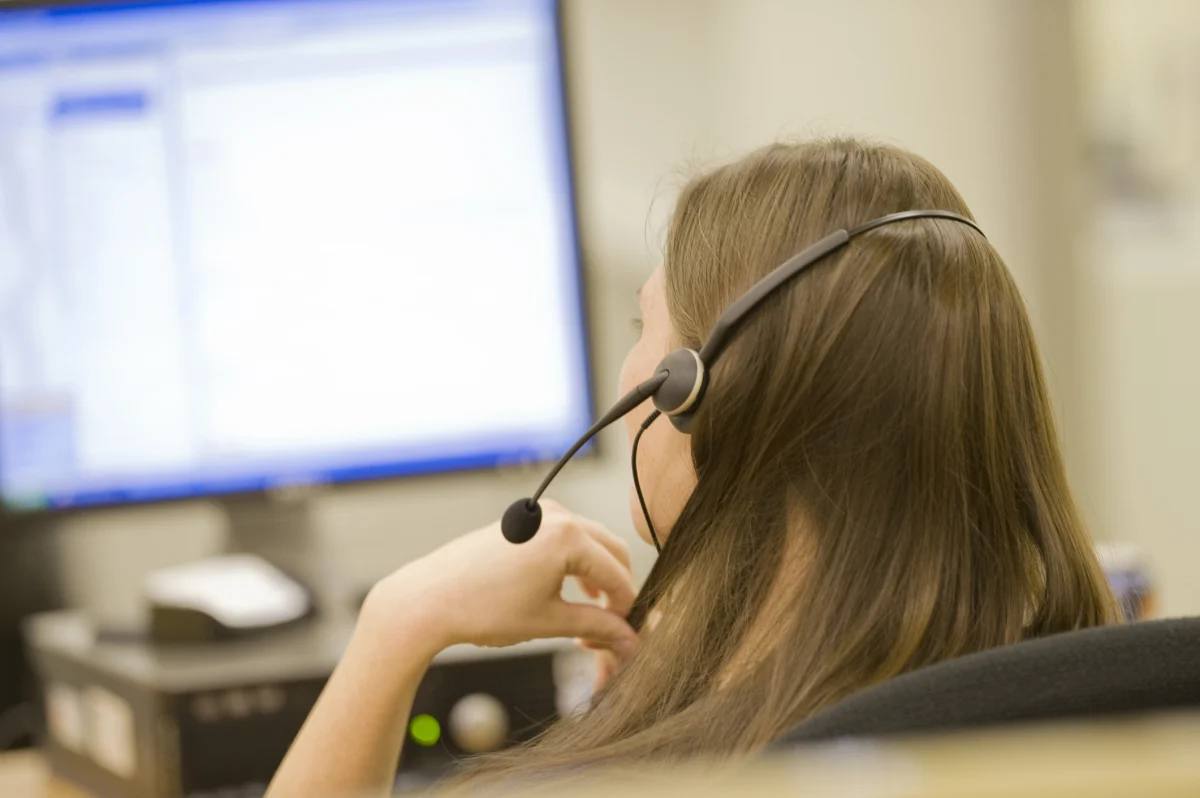
The modern professional landscape is undergoing a profound transformation, subtly yet significantly altering the very soundscape of our workplaces. Gone are the days when the rhythmic clatter of keyboards was the dominant auditory backdrop; an emerging trend suggests a future where offices resonate with the hushed tones of human voices engaging directly with artificial intelligence. This shift, driven by the rapid advancements in voice dictation and AI-powered communication tools, is poised to redefine not only how work gets done but also the social norms and acoustic ecology within shared professional environments.
The Dawn of Vocal Productivity
At the heart of this change lies the burgeoning popularity of sophisticated dictation applications, exemplified by platforms like Wispr. These tools leverage advanced natural language processing (NLP) and machine learning to convert spoken words into text with remarkable accuracy and speed, increasingly integrating with broader "vibe coding tools" that analyze speech patterns, tone, and even sentiment. The appeal for professionals is clear: an ability to dictate thoughts, compose emails, or draft documents at speeds far exceeding traditional typing, often hands-free. This promises a new frontier of efficiency, allowing users to multitask or simply articulate ideas more fluidly than ever before.
Early observations from venture capitalists and industry leaders paint a vivid picture of this nascent shift. One prominent VC recently remarked on the changing atmosphere within startup offices, noting an uncanny resemblance to high-end call centers, where individuals are constantly engaged in low-volume vocal interaction. Edward Kim, co-founder of Gusto, a prominent payroll and HR platform, has reportedly communicated to his team that future office environments will likely echo the lively, conversational hum of a sales floor. Kim himself admits to relying on typing only when absolutely necessary, a testament to the perceived efficiency gains of voice interaction. Yet, he also concedes that this constant dictation within a shared space introduces a "little awkwardness," hinting at the social friction such innovations inevitably create.
This awkwardness is a common thread among early adopters. AI entrepreneur Mollie Amkraut Mueller shared a personal anecdote about her husband’s annoyance with her newfound habit of whispering commands to her computer during late-night work sessions. The solution? A physical separation, with one of them retreating to a separate office or working apart. These initial experiences underscore a fundamental tension: the push for individual productivity often collides with the collective need for a conducive, comfortable working environment. Despite these challenges, Wispr founder Tanay Kothari remains optimistic, positing that this vocal interaction will eventually become as "normal" as the pervasive habit of staring at smartphones, a societal adaptation that once seemed equally unusual.
Historical Context: The Evolution of Workplace Communication
To fully appreciate the magnitude of this impending shift, it’s essential to consider the historical trajectory of workplace communication. Offices have always been dynamic acoustic environments, shaped by the technologies and social norms of their time. The late 19th and early 20th centuries were characterized by the vigorous clatter of typewriters, a mechanical symphony that defined office life. The advent of the telephone introduced a new layer of auditory complexity, with ringing bells and one-sided conversations permeating the air, leading to the development of private offices and sound-dampening materials to mitigate the constant chatter.
The mid-20th century saw the rise of cubicles, an attempt to balance open-plan efficiency with a degree of individual privacy and acoustic separation. While these physical dividers offered visual barriers, their efficacy in containing sound was often limited. The late 20th century and early 21st century ushered in the digital age, with email, instant messaging, and collaborative software becoming the primary modes of communication. This era, paradoxically, brought a relative quietude to many offices. While keyboards still clicked, and phone calls persisted, much of the direct human-to-human interaction shifted to silent, text-based exchanges. The office became less about spoken word and more about focused, individual digital engagement, punctuated by occasional meetings or brief conversations.
This history reveals a pendulum swing: from the audible mechanics of early office equipment to the vocal interactions of telephones, then to the silent digital exchanges of email, and now, potentially, back to a more vocal, yet distinctly different, form of communication driven by AI. Each technological leap has forced a re-evaluation of office design, etiquette, and the very concept of a productive workspace.
The AI Imperative: Driving Adoption
The current surge in voice dictation isn’t an isolated phenomenon; it’s an integral part of the broader artificial intelligence revolution sweeping through the workplace. AI is no longer a futuristic concept but a practical tool embedded in everyday applications, from data analysis to content generation. For voice dictation, AI’s role is critical. Early speech-to-text technologies were often clunky, error-prone, and required extensive training. Modern AI, however, has dramatically improved accuracy, context understanding, and the ability to process diverse accents and speech patterns. This leap in capability is what makes tools like Wispr viable for professional use.
Enterprises are increasingly seeking ways to optimize workflows, reduce cognitive load, and enhance employee productivity. Voice AI offers a compelling solution. For many, speaking is a more natural and faster way to articulate thoughts than typing. This is particularly true for tasks involving brainstorming, drafting initial ideas, or responding to emails when hands are otherwise occupied. The integration of "vibe coding tools" further extends AI’s utility, potentially allowing systems to analyze the emotional tone of communication, provide feedback on delivery, or even suggest more diplomatic phrasing, thereby improving not just efficiency but also the quality of interactions.
Edward Kim’s personal adoption of voice dictation reflects this AI imperative. His preference for speaking over typing is rooted in a pragmatic assessment of efficiency. In a fast-paced corporate environment, every second saved can translate into significant gains in overall productivity, justifying the initial social friction or the need for new behavioral adaptations. Companies investing in these technologies are betting on a future where human-computer interaction is seamless, intuitive, and primarily vocal, thereby unlocking new levels of operational agility.
Acoustic Ecology and Social Impact
The most immediate and palpable impact of widespread voice dictation will be on the acoustic ecology of the office. The concept of an "acoustic ecology" refers to the relationship between living beings and their sound environment. A traditional office, even an open-plan one, typically features a certain baseline of ambient noise: keyboard clicks, hushed conversations, the whir of machinery. The introduction of constant, low-volume dictation fundamentally alters this. It transforms spaces designed for relatively quiet, independent work into environments resembling what some describe as a "high-end call center" or a "sales floor."
This shift carries significant social and psychological implications. For many, constant auditory input can be distracting, impeding concentration and deep work. The human brain is naturally attuned to process speech, making it difficult to filter out someone else’s dictation, even if it’s whispered. This can lead to increased cognitive load, mental fatigue, and reduced productivity for those trying to focus amidst the vocal hum. Privacy also becomes a concern; even if the content isn’t sensitive, the constant awareness that one’s words are being broadcasted, however softly, can feel intrusive. The "awkwardness" noted by Edward Kim and the need for separate workspaces for Mollie Amkraut Mueller highlight this challenge. It touches on fundamental aspects of personal space and perceived professionalism within a shared environment.
Moreover, the cultural impact cannot be understated. What constitutes "good office etiquette" is largely unwritten but deeply ingrained. Introducing a technology that encourages constant vocal interaction challenges these established norms. Will the expectation shift from quiet contemplation to a more vocal, always-on mode of communication? This transition demands a collective renegotiation of boundaries and expectations, a process that is rarely smooth.
Addressing the Friction: Solutions and Adaptations
Recognizing the potential for friction, both technological and behavioral solutions are emerging to mitigate the challenges posed by pervasive voice dictation. On the technological front, advancements in directional microphone technology could play a crucial role, allowing devices to capture a user’s voice while significantly dampening ambient noise, thus reducing interference for others. Personal noise-canceling headphones are already a common sight in modern offices, and their adoption may become even more widespread as a personal shield against the new acoustic environment.
From a behavioral and policy perspective, companies may need to introduce new guidelines. This could include designating specific "voice zones" or "whisper booths" for dictation, similar to phone booths found in many contemporary open-plan offices. Establishing clear etiquette around volume levels, timing, and the type of content suitable for dictation in shared spaces will be crucial. The concept of "silent hours" or "focus zones" might become more prevalent, providing employees with dedicated periods or areas free from vocal distractions.
Ultimately, adaptation is key. Tanay Kothari’s assertion that this will all become "normal" one day reflects a common pattern in technological adoption. What initially seems disruptive or awkward often becomes integrated into daily life as societies adjust. The widespread use of smartphones, once a novelty, is now deeply embedded in personal and professional routines, despite initial concerns about constant connectivity and social disengagement. The office of the future will likely find its own equilibrium, balancing the immense productivity benefits of voice AI with the human need for focus, privacy, and a comfortable working environment.
Market Dynamics and Future Projections
The market for voice AI and dictation software is experiencing robust growth, driven by increasing demand for efficiency solutions across industries. Investment in natural language processing, speech recognition, and AI-powered productivity tools continues to climb, signaling confidence in this technological trajectory. Major tech companies are pouring resources into refining their voice assistant capabilities, not just for consumer use but specifically for enterprise applications.
Looking ahead, this trend will likely influence office design and corporate policy. Architects and interior designers are already considering how to create more flexible and acoustically intelligent workspaces, incorporating sound-absorbing materials, dedicated quiet zones, and modular layouts that can adapt to varying communication needs. Companies will need to develop comprehensive policies that address everything from data privacy in voice recordings to guidelines for respectful auditory conduct. The future office might not be uniformly "whisper-filled" but rather a carefully orchestrated hybrid environment, where diverse communication modes coexist, each optimized for different tasks and preferences.
Conclusion
The ascendancy of voice AI in the workplace marks a significant chapter in the ongoing evolution of how we interact with technology and with each other. It presents a compelling vision of enhanced productivity and seamless human-computer interaction, promising to free professionals from the confines of the keyboard and unleash new levels of efficiency. However, this technological leap is not without its complexities. The transformation of office acoustics, the potential for social friction, and the challenges to established etiquette demand careful consideration.
As companies and individuals navigate this transition, the imperative will be to integrate these powerful tools thoughtfully, ensuring that the pursuit of efficiency does not come at the expense of employee well-being, focus, or a harmonious work environment. The office of tomorrow will undoubtedly sound different, but with conscious design and adaptive policies, it can still be a place where innovation thrives alongside human comfort and collaboration. The dialogue around this shift is just beginning, and how we choose to adapt will shape the future of work for generations to come.